
Specs are compiled from manufacturer listings and verified buyer reviews and can change over time — please confirm the key details on the product page before buying.
You want fresh veggies and herbs from your own backyard, but the last thing you need is a garden box that warps, rusts, or takes all weekend to assemble. The real trick is picking the right material and size so your soil stays put, your plants thrive, and you spend your time growing food instead of fixing a planter.
I’m Rikta — the founder and writer behind Lawn Gear Lab. This guide is built by comparing the manufacturers’ published specifications and the patterns across verified customer reviews, so you get each pick’s real strengths and trade-offs instead of marketing spin.
Whether you have a small patio or a sprawling backyard, the goal is the same: find a diy raised garden box that fits your space, stands up to the weather, and makes gardening feel easy from day one.
Quick Picks
- ZUNUDA 2PCS 8x2x1ft Galvanized Raised Garden Kit — Best Overall
- Pattiumo Galvanized Raised Garden Bed 8×2×1.5 FT — Top Performer
- Kdgarden Raised Garden Bed Kit 4’x4′ White Vinyl — Most Versatile
- Vego Garden Raised Garden Bed Kit, 17″ Tall 6 in 1 Modular — Premium Build
- BIRDSINYARD Galvanized Raised Garden Bed – 4×2×1ft (2 Packs) — Best Value
- Maple99 Raised Garden Bed with Legs 48x24x30 – Natural Cedar Wood — Back-Saver
- Keter 48″ X 48″ Wood Look Raised Garden Bed — Instant Garden
How To Choose The Best DIY Raised Garden Box
A raised garden box needs to solve three problems: holding soil without collapsing, draining water so roots don’t rot, and surviving rain, sun, and frost year after year. Focus on these three specs and you will get the right box for your garden.
Material: The Backbone of Your Box
Galvanized steel resists rust and holds up to all weather with very little maintenance. Cedar wood naturally repels insects and looks beautiful but will need oiling or replacing over time. Vinyl and resin (like Keter’s Evotech composite) never rot, never need painting, and clean off with a hose spray. Metal boxes are heavy-duty but can heat up in direct sun; wood breathes better but may warp. Choose based on how much upkeep you want.
Depth and Capacity: What You Plan to Grow
A box that is 12 inches deep works well for lettuce, herbs, and flowers. For tomatoes, peppers, carrots, or any deep-rooted vegetable, plan for at least 17 inches of soil depth. The total capacity (measured in cubic feet or gallons) tells you how much soil you need to fill the box. An 8-cubic-foot bed is small and quick to fill; a 24-cubic-foot bed holds more plants but needs a lot more bagged soil.
Drainage: Open Bottom vs. Solid Base
Almost every raised garden box uses an open bottom — meaning it sits directly on the ground so excess water drains away naturally and roots can grow down into the native soil. A solid-bottom planter is only needed if you are placing the bed on a patio, balcony, or concrete surface, where you must prevent water from pooling.
Quick Comparison
| Model | Best For | Dimensions | Capacity | Material | Amazon |
|---|---|---|---|---|---|
| ZUNUDA 2PCS 8x2x1ft | Large-scale vegetable growing | 96 x 24 x 12 in | 16 cu ft | Galvanized Steel | Amazon |
| Pattiumo 8×2×1.5 FT | Deep-root crops, big yields | 24 x 18 x 96 in | 24 cu ft | Galvanized Steel | Amazon |
| Kdgarden 4’x4′ White Vinyl | Multipurpose: garden or whelping pen | 48 x 48 x 13.3 in | 8 cu ft | Vinyl | Amazon |
| Vego Garden 6-in-1 Kit | Modular layouts, deep soil | 36 x 36 x 17 in | 10.3 cu ft | Coated Steel | Amazon |
| BIRDSINYARD 4×2×1ft (2 Pack) | Two small beds on a budget | 48 x 24 x 12 in | — | Galvanized Steel | Amazon |
| Maple99 Cedar Elevated Planter | Back-saving, elevated bed | 48 x 26.5 x 30 in | — | Cedar Wood | Amazon |
| Keter 48″ x 48″ Wood-Look | No-tools assembly, great looks | 48 x 48 x 12.6 in | 117 gal | Resin Composite | Amazon |
In‑Depth Reviews
1. ZUNUDA 2PCS 8x2x1ft Galvanized Raised Garden Kit
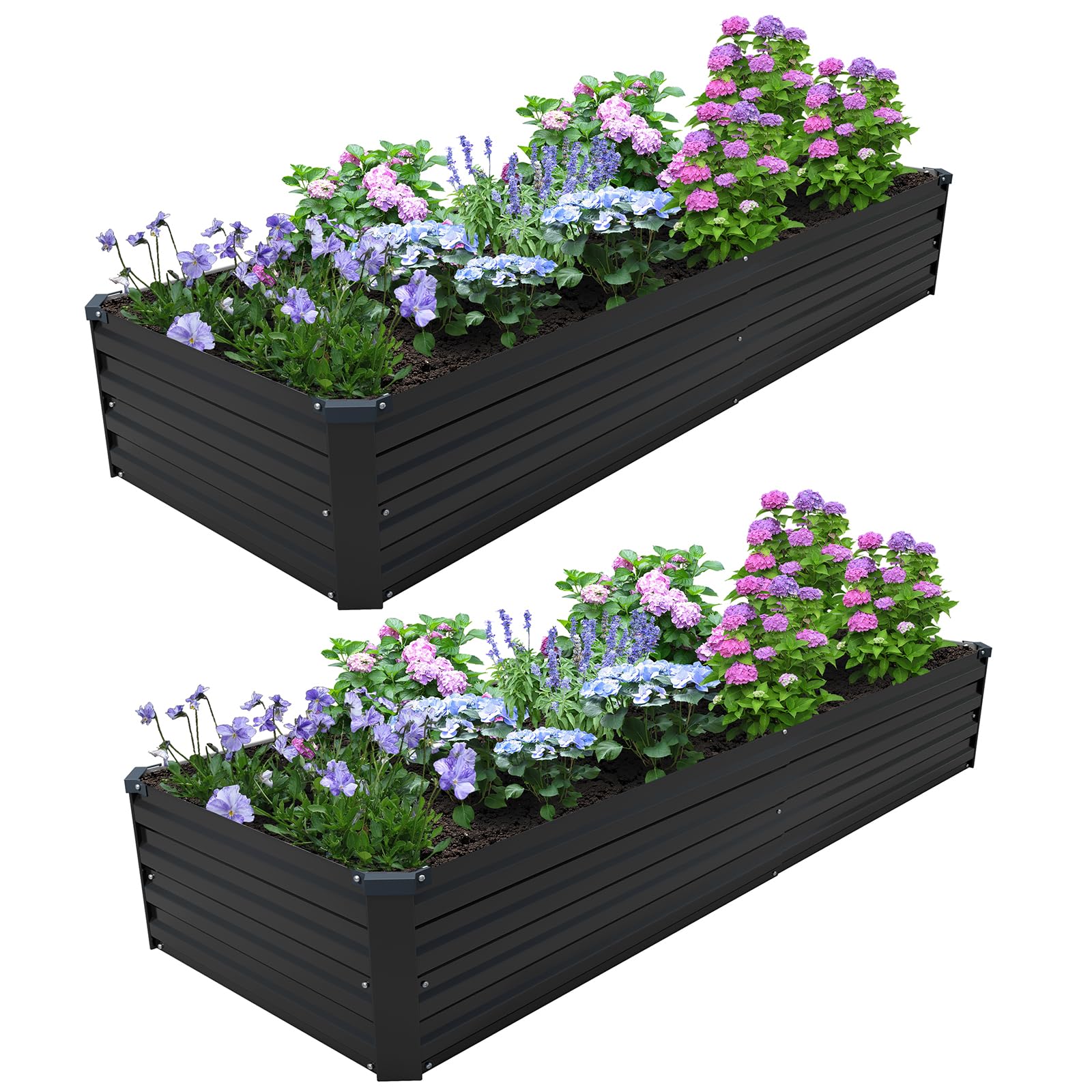
Two 8-foot beds for serious veggie rows without the hefty price tag.
These two 8x2x1-foot boxes give you 16 cubic feet of total planting space — enough for a full row of tomatoes, peppers, and leafy greens side by side. The galvanized steel resists rust in rain and snow, and the open bottom lets roots reach down into the ground soil while preventing water from pooling around the base. You get reinforced support bars with built-in nuts that lock the panels tight, so the frame stays sturdy even when loaded with damp soil.
Unlike the Pattiumo 8×2×1.5 FT, which stands taller at 18 inches deep but holds 24 cubic feet overall, this ZUNUDA kit is shallower at 12 inches, meaning you need less soil to fill it. That is a real advantage if you are on a budget or just want a quick setup for shallow-root crops like lettuce and herbs. Buyers report the assembly goes fastest with two people, and the included plastic edge caps keep the smooth metal sides safe for kids and pets working nearby.
spacious twin-pack: For the gardener who wants maximum linear growing space per dollar without sacrificing rust protection.
best for large gardens: You want two long beds for a backyard row garden and you prefer galvanized steel over wood or vinyl.
limited depth: You need deeper soil for carrots or root vegetables — the 12-inch height limits deep-root planting.
2. Pattiumo Galvanized Raised Garden Bed 8×2×1.5 FT
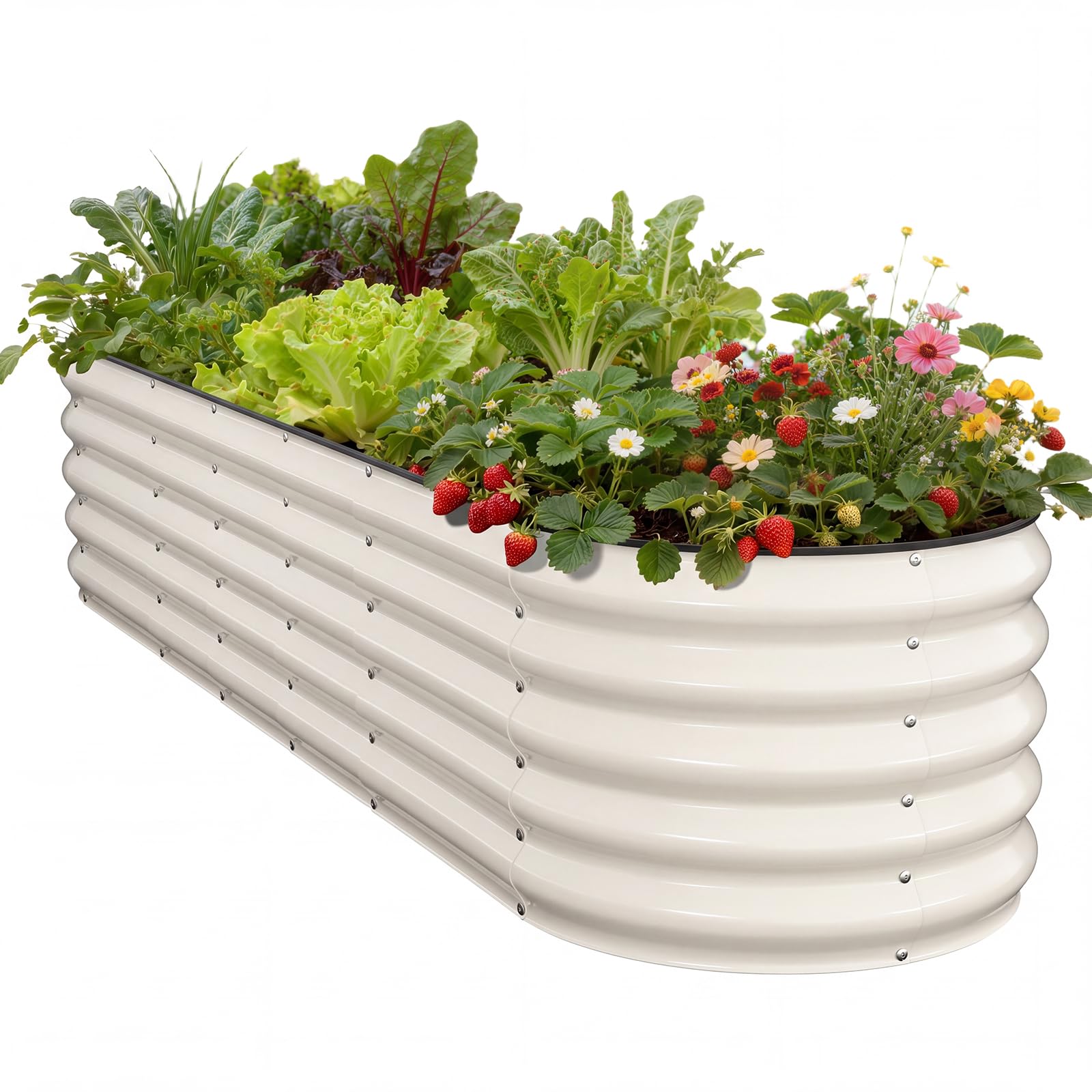
The deepest 8-footer here for serious soil and big root systems.
With a 24-cubic-foot capacity and an 18-inch depth, this bed offers 24 cubic feet versus the ZUNUDA 8-foot kit’s 16 cubic feet, making it the best match for deep-root vegetables like tomatoes, peppers, and carrots. The galvanized steel panels are built to resist rust and everyday weather, and the protective edging reduces sharp edges during setup. Its open-bottom design lets excess water drain naturally and allows plant roots to push through into the native ground below for extra nutrients.
The trade-off is weight: at 14.97 kilograms — or about 33 pounds — this bed is noticeably heavier than the BIRDSINYARD 4×2×1ft two-pack, which weighs only 8.69 kilograms. That extra heft translates to a very stable frame once assembled, but you will want to position it in its final spot before filling it with soil. The 8-foot length and 18-inch depth also mean you will need a lot of bagged soil to fill it, so factor that into your project planning.
extra depth: If your garden plan centers on big, hungry tomato plants and long rows of root crops, this bed delivers the necessary depth and volume.
best for root crops: You grow deep-root vegetables and want the largest single-bed capacity on this list.
needs soil: You are filling the bed with bagged soil on a tight budget — the 24-cubic-foot volume takes a lot of dirt.
3. Kdgarden Raised Garden Bed Kit 4’x4′ White Vinyl

Screwless vinyl build that snaps together in minutes and does double duty.
This 4×4-foot planter is made from premium high-grade vinyl — it will not yellow, fade, or rot, and comes with a 20-year warranty against those exact failures. The screwless design means you set it up by hand with zero tools, and buyers confirm it takes “more time to remove pieces from the box than it does to put them together.” The open bottom plus a built-in grow grid keeps your planting organized and promotes better drainage than traditional in-ground rows.
There is also a surprising second life for this box: one buyer used it “for my litter of puppies it was such a great idea!” and described it as “very strong good quality perfect size.” At 8 cubic feet of capacity, it is smaller than the Pattiumo 24-cubic-foot bed, so it needs less soil to fill. The vinyl construction is UV-protected and fire-resistant, meaning you can leave it outside all year without worrying about cracking or warping.
white vinyl
- 20-year warranty against yellowing, fading, and rotting
- No-tool assembly that takes minutes
- Classic whitewashed vinyl adds a clean look to any yard
smaller size
- 8-cubic-foot capacity limits deep-root crops
- Vinyl is lightweight so heavy winds might shift an empty bed
best for patios: You want a fast, tool-free setup and a planter that pulls double duty as a garden bed or a safe enclosure for a pet.
not for veggies: You need deep soil — the 13.3-inch height is fine for shallow roots, not for carrots or potatoes.
4. Vego Garden Raised Garden Bed Kit, 17″ Tall 6 in 1 Modular
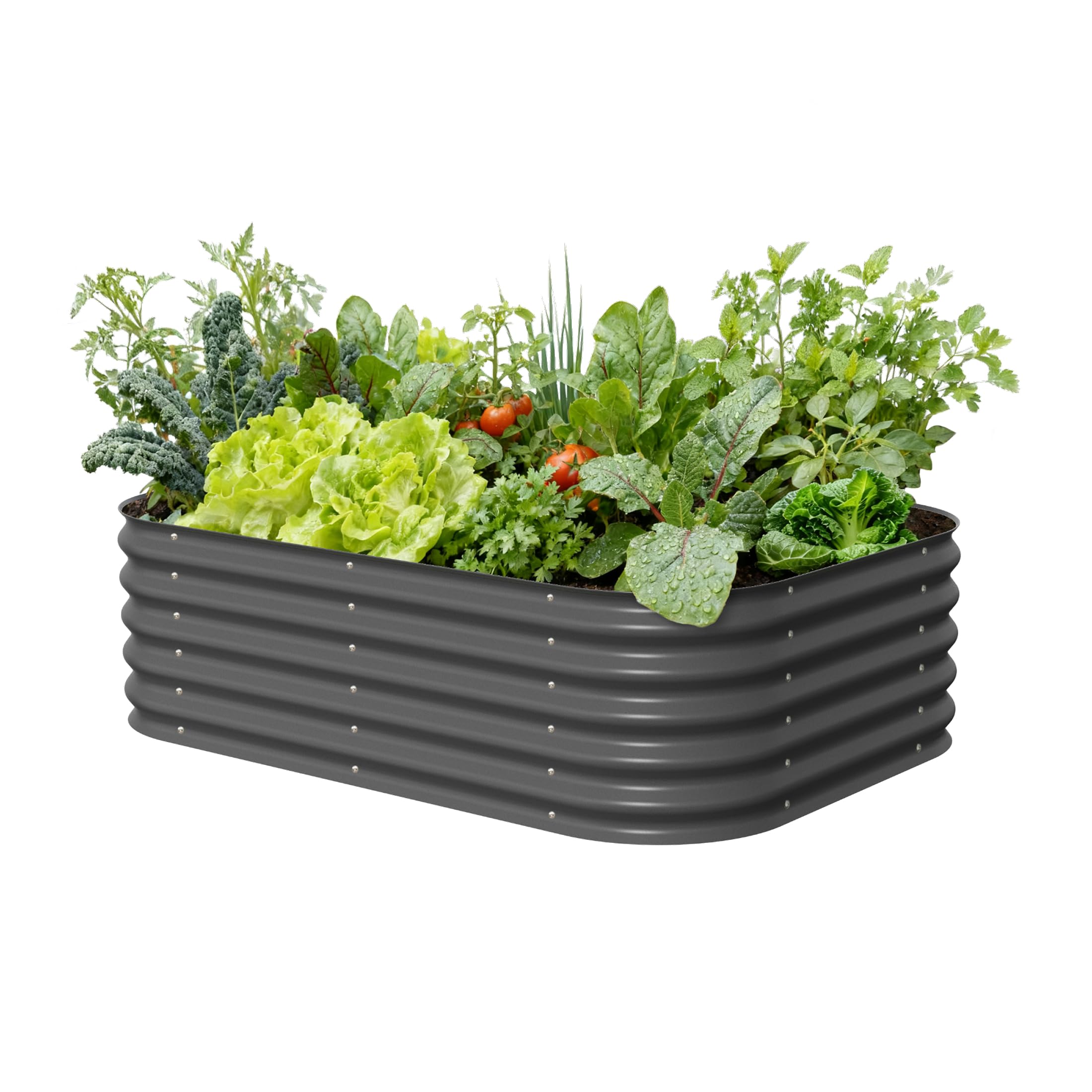
A modular kit that lets you shape the bed to your space, with a 20-plus-year material promise.
The Vego kit uses VZ 2.0 material — a proprietary blend of Zinc, Magnesium, and Aluminum coated steel with an USDA-approved AkzoNobel paint, verified by the Texas A&M National Corrosion & Materials Reliability Lab. That translates to a 20-plus-year lifespan without rust, all in one kit that builds into six possible configurations. The 17-inch height gives roots plenty of room while saving your back from excessive bending, and the oval corners with heavy-duty rubber edging eliminate sharp edges.
At 10.3 cubic feet, this box sits between the Kdgarden 8-cubic-foot vinyl bed and the Pattiumo 24-cubic-foot bed in capacity. It is modular, meaning you can rearrange the panels into different shapes (L-shape, rectangle, square) as your garden evolves. The higher depth also allows better water drainage and soil quality than the 12-inch ZUNUDA beds, so you can grow a wider range of crops without worrying about root space.
tall coated steel: If you value a bed that can change shape over time and is backed by lab-verified corrosion resistance, this is the most future-proof option here.
best for longevity: You want a modular, reconfigurable garden system that will last two decades with zero rust.
overkill for small plots: You just need a simple rectangular bed with no plans to change its shape.
5. BIRDSINYARD Galvanized Raised Garden Bed – 4×2×1ft (2 Packs)
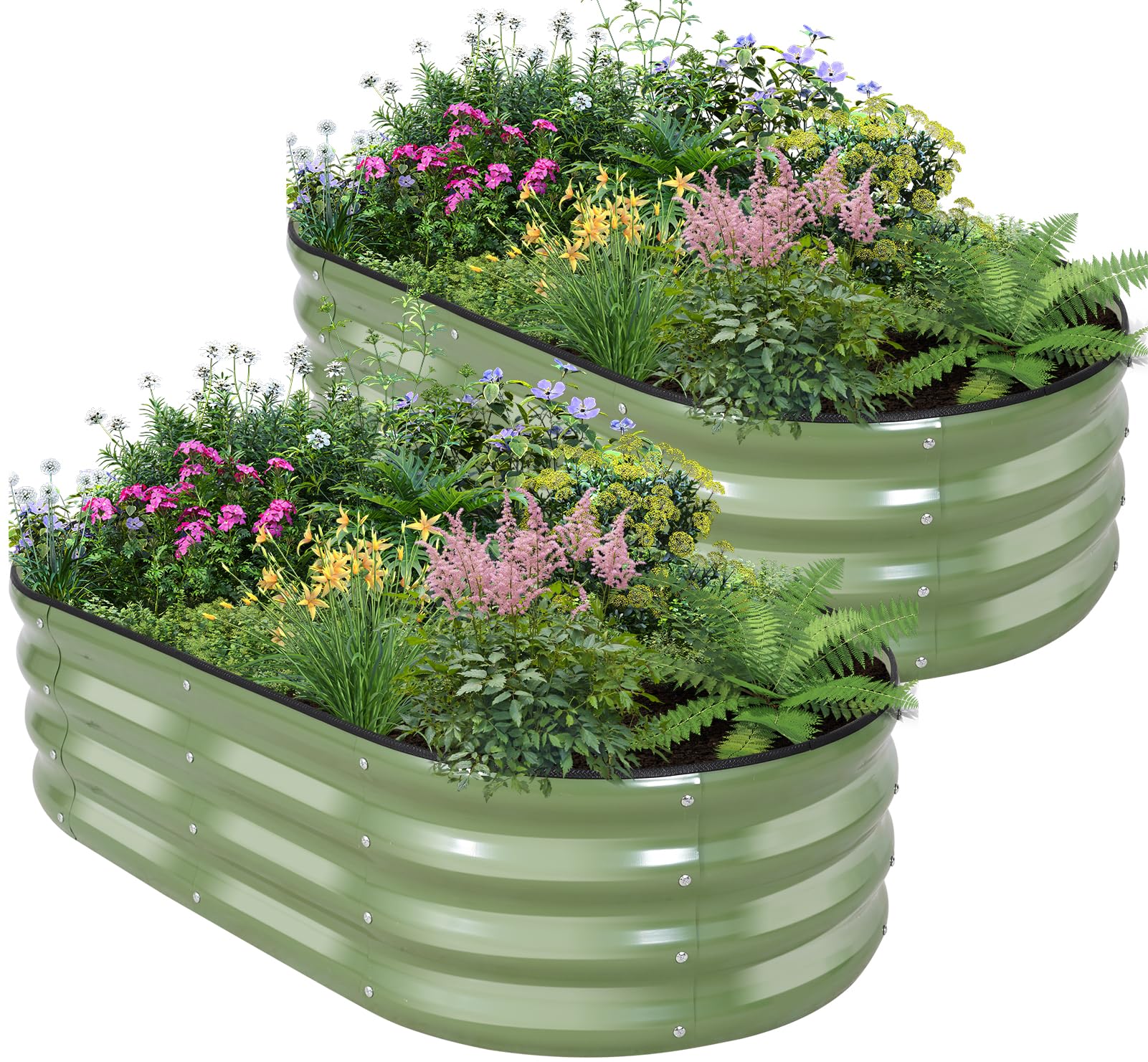
Two olive-green beds in one box for a tidy, coordinated garden on a budget.
This two-pack gives you two 4×2-foot beds, each 12 inches deep, so you can separate tomatoes from herbs or flowers from peppers without building multiple frames. The galvanized steel is powder-coated in olive green with a rust-resistant finish, and the open bottom promotes drainage while letting roots absorb soil nutrients. Rubber sealing edges on the top reinforce the frame and prevent scraped hands during planting and weeding. Each box weighs just 8.69 kilograms total — noticeably lighter than the Pattiumo 14.97-kilogram bed, making it easier to reposition empty.
The kit includes gloves, an installation tool kit, and all screws and nuts so you do not need to buy any extra hardware. At this price point you get two separate beds rather than one long 8-foot bed, which works well if you want to space them around a patio or place one in full sun and one in partial shade. The 12-inch depth is fine for shallow vegetables and flowers, but you will need to go taller if you plan to grow deep-root crops.
two beds: Having two beds lets you rotate crops or dedicate one to flowers and one to vegetables, all for a very accessible price.
best for beginners: You want two matching beds for separate planting zones on a budget.
not for deep roots: You need deep soil for root vegetables or a single long row for corn and tall crops.
6. Maple99 Raised Garden Bed with Legs 48x24x30 – Natural Cedar Wood

An elevated cedar planter that saves your back and naturally repels pests.
At 30 inches tall, this elevated planter brings the soil up to waist level so you do not have to bend down to weed, plant, or harvest — a major advantage over ground-level beds like the ZUNUDA or BIRDSINYARD options. The cedar wood naturally repels insects and resists rot, with a 200-pound load capacity that holds soil, plants, and water without wobbling. The 48×24-inch bed measures 48 inches wide by 26.5 inches deep, giving you a full 8 square feet of growing space at a comfortable working height.
Assembly requires basic DIY skills, but the kit includes all parts and hardware — no measuring, cutting, or drilling needed. The elevated design also protects the wood from direct soil contact, extending the planter’s lifespan, while minimizing weed growth and deterring animals like rabbits from reaching your veggies. Unlike metal beds that can heat up in direct sun, cedar breathes naturally and stays cooler for the roots.
raised legs: If bending down hurts your back or knees, this elevated cedar planter brings the garden up to you without sacrificing planting space.
best for accessibility: You need an ergonomic, elevated garden bed that is easy on your back and naturally insect-repellent.
needs sealing: You prefer metal’s long-term durability over wood that may need refinishing after several seasons.
7. Keter 48″ X 48″ Wood Look Raised Garden Bed

Resin panels that look like real wood but never need staining or sealing.
Keter’s Evotech advanced composite material gives you the natural wood-look texture and embossed grain of real timber with zero of the maintenance — no painting, no sealing, no rot worry. Assembly takes about five minutes with no tools required, and the 48-inch square bed sits 12.6 inches tall, providing a 117-gallon capacity for vegetables, herbs, and flowers. The material is BPA-free, so you can grow food without worrying about chemicals leaching into your soil.
This is the easiest setup on the list: take the pieces from the start, click them together, and you are done. Unlike metal beds that can feel industrial or wood that weathers gray, the Keter bed keeps its warm brown color season after season. The resin construction is lighter than the Pattiumo metal bed and will not rust or dent. Just be aware that a 12.6-inch depth is best for shallow-root plants — you will not get the same deep-soil performance as the 17-inch Vego bed or the 18-inch Pattiumo box.
wood look
- Five-minute tool-free assembly
- BPA-free resin safe for edible gardens
- Wood-look texture without real wood maintenance
plastic feel
- 12.6-inch depth limits deep-root vegetables
- Resin might feel less sturdy than heavy-gauge steel over time
best for style: You want a quick, attractive planter that looks like wood but never needs painting, sealing, or staining.
limited durability: You need deep soil for carrots, tomatoes, or other deep-root crops.
Understanding the Specs
Material: Galvanized Steel vs. Wood vs. Vinyl vs. Resin
Galvanized steel is coated with a layer of zinc that resists rust, making it the most durable choice for wet, humid climates. Cedar wood naturally repels insects and looks beautiful but will need occasional oiling and may warp over time. Vinyl and resin (composite plastics) never rot, never need painting, and clean off with a hose spray, but they are lighter-weight than metal or wood. A lower-priced BIRDSINYARD or ZUNUDA metal bed gives you great rust protection at a low cost, while the Keter resin bed trades metal’s industrial look for a wood-grain finish without the maintenance.
Depth: 12 Inches vs. 17 Inches vs. 18 Inches
Depth controls what you can grow. Twelve inches works well for lettuce, spinach, strawberries, and herbs — all shallow-root plants. Seventeen inches (like the Vego kit) opens up tomatoes, peppers, and cucumbers. Eighteen inches (like the Pattiumo bed) gives you the same advantage for a full vegetable garden including carrots and potatoes. If you only grow salad greens, 12 inches is enough and saves you money on both the bed and the soil needed to fill it. Deeper beds also drain better and hold moisture more evenly, giving you healthier roots.
FAQ
What is the best material for a raised garden box that lasts?
How deep does a raised garden box need to be for tomatoes?
Is an open-bottom or solid-bottom raised garden bed better?
Can I put a raised garden box on concrete or a patio?
How much soil do I need to fill a 4×8 raised garden box?
Do I need to line the bottom of a galvanized steel raised garden bed?
What is the difference between a modular and fixed raised garden box?
Will a raised garden bed hurt my back less than ground-level gardening?
How do I protect a wooden raised garden box from rotting?
What is the difference between vinyl and resin garden boxes?
Final Thoughts: The Verdict
For the majority of shoppers, the diy raised garden box winner is the ZUNUDA 2PCS 8x2x1ft Galvanized Raised Garden Kit because it gives you two long, rust-resistant beds at a very accessible price, with enough space for a real vegetable garden. If you want deep soil for tomatoes and root crops, grab the Pattiumo 8×2×1.5 FT Galvanized Bed. And for a zero-tool, five-minute setup with a natural wood look and zero maintenance, the Keter Wood Look Raised Garden Bed is the simplest way to start growing today.
How We Picked
We do not accept paid placement. Every pick is matched to a real buyer and a real use-case; we do not hands-on test units.
Sources & Methodology
Specifications: manufacturer listings and product documentation. Review insights: verified customer reviews, as of July 2026. Pricing: not shown on this page (it changes often); check the current price via the retailer link.
As an Amazon Associate, Lawn Gear Lab earns from qualifying purchases. This does not affect which products we feature.