
Specs are compiled from manufacturer listings and verified buyer reviews and can change over time — please confirm the key details on the product page before buying.
Cucumbers are thirsty plants with delicate roots that absolutely hate sitting in soggy soil. Pick the wrong bag, and you get yellow leaves, stunted fruit, or root rot before you ever see a single gherkin. The key is a mix that drains fast enough to keep roots happy but holds moisture long enough to support rapid vine growth in a pot.
I’m Rikta — the founder and writer behind Lawn Gear Lab. This guide is built by comparing the manufacturers’ published specifications and the patterns across verified customer reviews, so you get each pick’s real strengths and trade-offs instead of marketing spin.
Whether you are growing bush varieties on a patio or vining types up a trellis, picking the right soil is the single most important decision you make. This guide breaks down the top options for the best soil for cucumbers in pots, comparing weight, drainage, and real-world results to help you avoid a soggy mess.
Quick Picks
- FoxFarm Ocean Forest Potting Soil — Top Performer
- Coast of Maine Organic & Natural Planting Soil for Vegetables & Tomatoes — Best Value
- Coast of Maine Organic & Natural Bar Harbor Blend Potting Soil — Best Aeration
- Miracle-Gro Potting Mix (3-Pack) — Budget Champion
How To Choose The Best Soil For Cucumbers In Pots
Cucumbers need a fine balance. You want a soil that is light and fluffy enough for roots to spread quickly, but dense enough to hold the water a fast-growing vine demands. Too heavy and it turns into mud; too light and it dries out before the afternoon sun hits.
Drainage is the King
Look for ingredients like perlite (small white volcanic stones that create air pockets), coco coir (shredded coconut husk that holds water but drains), or sandy loam (a natural soil blend that drains well without getting soggy). These create air pockets so water moves through the pot instead of pooling at the bottom. A mix that stays wet for days will kill your cucumber roots faster than pests will.
Organic vs Synthetic Fertilizer
Organic soils rely on compost, worm castings, and meals (kelp, crab, shrimp) to feed plants slowly over time. Synthetic mixes like Miracle-Gro release nutrients immediately and last a set period. Both work, but organic blends tend to improve the soil structure itself, which matters for a long growing season in a pot.
Weight and Volume
A heavier bag often means more sand, clay, or water-retaining ingredients. A lighter bag signals more peat moss, perlite, or aged forest products — which usually means better drainage. Cucumbers in pots do better in lighter, fluffier mixes that don’t compact.
Quick Comparison
On smaller screens, swipe sideways to see the full table.
| Model | Best For | Volume | Weight | Fertilizer Type | Amazon |
|---|---|---|---|---|---|
| FoxFarm Ocean Forest | Serious growers / maximum yield | 1.5 cu ft (42.4 qt) | 34 lb | Organic (fish, crab, shrimp, kelp) | Amazon |
| Coast of Maine Veg & Tomato | Rich organic blend for containers | 20 qt | — | Organic (composted manure, peat moss) | Amazon |
| Coast of Maine Bar Harbor | Lightweight aeration for pots | 16 qt (x 2) | 14 lb (per 2-pack) | Organic (lobster, crab, kelp meal) | Amazon |
| Miracle-Gro Potting Mix | Budget-friendly / easy availability | 8 qt (x 3) | — | Synthetic (feeds 6 months) | Amazon |
In‑Depth Reviews
1. FoxFarm Ocean Forest Potting Soil
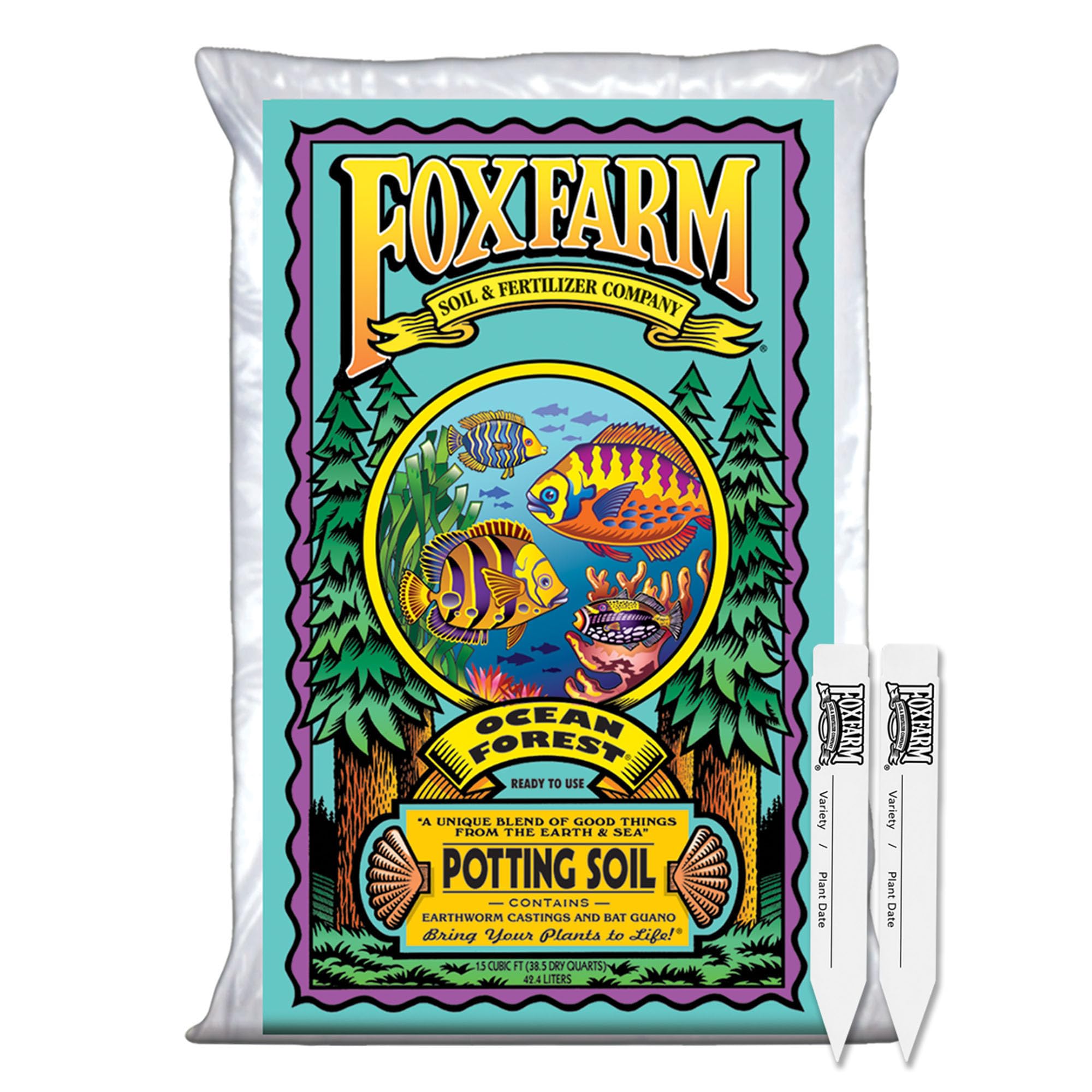
The heavyweight champion that cucumber roots treat like a five-star buffet.
If you want to give your potted cucumbers the absolute best start, this is the bag to heft. At 34 pounds for a 1.5 cubic foot bag, FoxFarm Ocean Forest is noticeably heavier than the competition — but that weight comes from dense, high-quality ingredients like aged forest products, sandy loam, and sphagnum peat moss. The payoff is a texture that retains moisture right around the roots while the sandy loam provides excellent drainage to prevent root rot.
Buyers report that “Fox Farm soil significantly outperforms Miracle-Gro for tomato plants; same-size seeds produced visibly larger plants with identical watering.” That hands-on verdict from a verified buyer is the kind of comparison that matters for cucumbers too. The mix includes a rich blend of fish emulsion (a liquid made from fish byproducts), crab meal, shrimp meal, earthworm castings (worm waste that enriches soil), kelp meal, and oyster shell — all organic ingredients that feed your plants as they break down.
It comes with two plant tags for labeling your varieties and planting dates, a small but thoughtful bonus. The only real downside is the price and the weight — you will feel that 34-pound bag on the way home. But for container-grown cucumbers that need consistent moisture without becoming waterlogged, this is the premium choice.
Why it shines
- Rich organic ingredients (fish, crab, kelp, worm castings) for natural feeding
- Sandy loam provides excellent drainage to prevent root rot
- Owners mention it visibly outperforms synthetic mixes
The trade-offs
- Heaviest bag at 34 pounds — a real haul
- Premium price for premium ingredients
Reach for this if: You grow vegetables seriously in pots and want the highest-quality organic mix that delivers visible results — buyers confirm it beats cheaper brands.
Look elsewhere if: Bag weight or upfront cost is your main concern, or you only have a single small pot to fill.
2. Coast of Maine Organic & Natural Planting Soil for Vegetables & Tomatoes

Rich, dark, and surprisingly affordable for an organic compost blend.
This 20-quart bag from Coast of Maine gives you more volume than the Bar Harbor Blend for a lower price, making it a balance for mid-value shoppers. It is formulated with composted manure and sphagnum peat moss to balance moisture retention and drainage — exactly what cucumbers need in a pot. One reviewer noted it is “Rich dark earth and not a lot of junk. wood in it. Plants are growing great!”
The OMRI listing (Organic Materials Review Institute — an independent certification) means it is certified for organic use, so you can trust the ingredients are natural. The mix is designed specifically for tomatoes and vegetables, but cucumbers thrive in the same conditions: rich organic matter, good drainage, and consistent moisture. Customers note their plants are “thriving” and one wife declared it “the best soil she’s tried thus far.”
The bag is noticeably heavier than a standard potting mix, which some buyers mention as a minor hassle but also a sign of quality. At 20 quarts, it fills several large pots or one deep planter. It works for seeding, transplanting, or topping off existing containers. A smart choice if you want organic without stretching into a top-tier price range.
The real catch: Some reviewers point out the bag is heavy, and a few mention small woody bits — but the “rich dark earth” consistency wins nearly universal praise for plant growth.
Who it works for: Gardeners who want an organic, compost-rich soil for multiple medium-to-large pots without paying a premium per quart.
Who should skip: Anyone who wants a lightweight soil to carry easily or prefers a synthetic mix with extended feeding.
3. Coast of Maine Organic & Natural Bar Harbor Blend Potting Soil
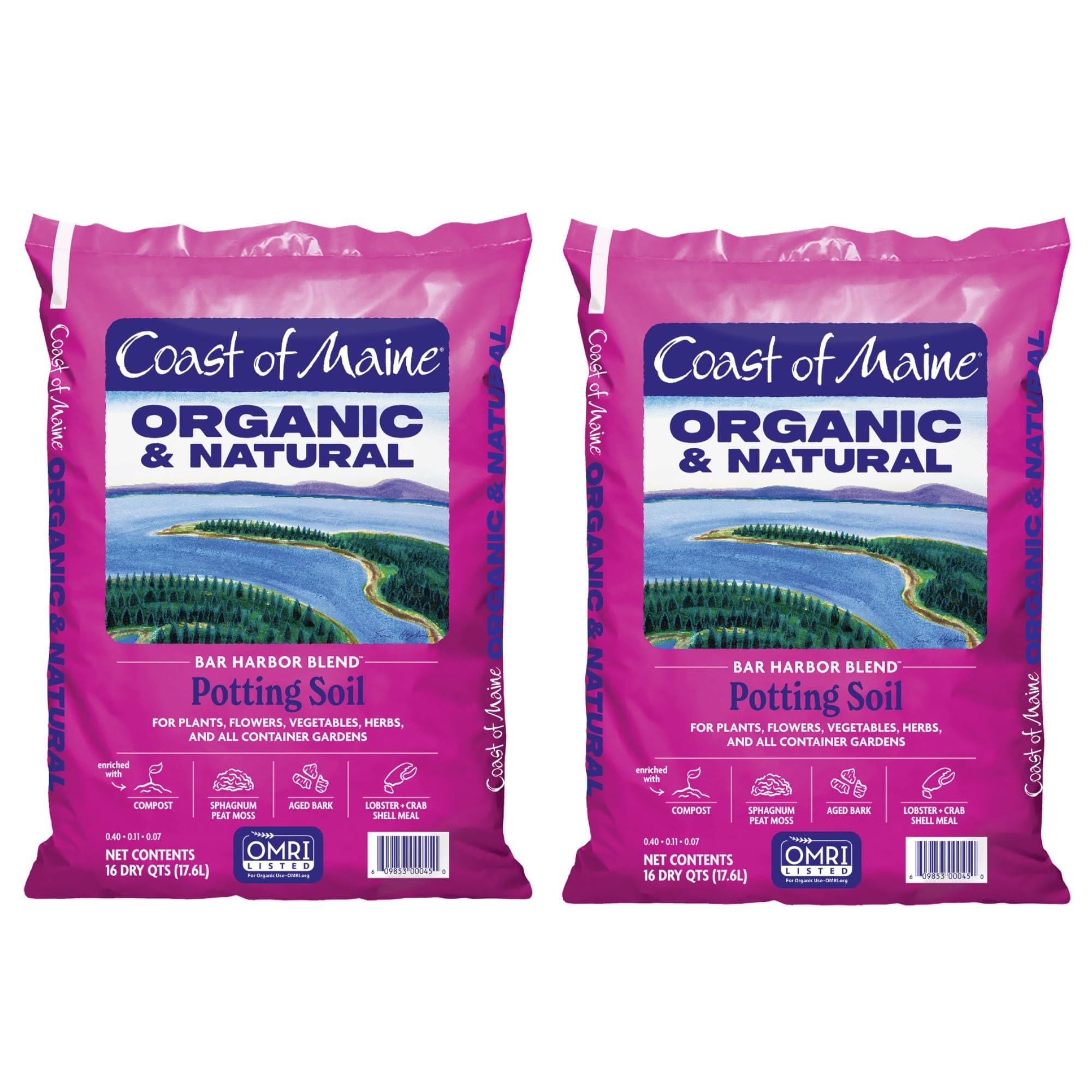
Featherlight at 14 pounds per two-pack, packed with lobster and kelp for root explosion.
At 14 pounds for a 2-pack (each 16 quarts), the Bar Harbor Blend is lighter to carry than the 34-pound FoxFarm bag when you are hauling soil to your patio or balcony. The lightness comes from a formulation heavy on sphagnum peat moss, perlite (small white volcanic stones), and compost, with lobster and crab shell meal as natural slow-release nitrogen sources. Buyers describe it as “Super nice feeling soil,” and one reported that “planted containers with potatoes and also peas and tomato plants, everything is growing more than I even expected.”
The perlite creates air pockets that keep cucumber roots from drowning, while the kelp meal provides trace minerals. It is OMRI-listed for organic gardening and works equally well in hanging baskets, window boxes, or deep pots. The 2-pack gives you 32 quarts total for a good price.
One buyer mentions their “tomatoes never looked so good” after switching to this blend. For cucumbers specifically, the added aeration and natural nitrogen from the shellfish meal make it a strong choice for container growth, where root crowding and poor drainage are the biggest risks.
What stands out
- Very lightweight at 14 lbs for the 2-pack — easy to carry and pour
- Unique ingredients (lobster, crab, kelp meal) for natural feeding
- Perlite provides excellent drainage for cucumber roots
Keep in mind
- 16 quarts per bag is smaller than the 20-quart bag in the same brand family
- Some buyers wish for even more perlite for heavy-watering plants
Perfect for: Container gardeners on a balcony or patio who need a lightweight organic mix with superior drainage for cucumbers, tomatoes, and herbs.
Not ideal if: You need a single large bag for a big planter — the two smaller bags work best for multiple separate pots.
4. Miracle-Gro Potting Mix (3-Pack)

The reliable standby that feeds for months, now in handy small bags.
Miracle-Gro Potting Mix is the most widely available option on this list, and for good reason. It is a reliable, synthetic-fed potting mix that claims to grow plants “Twice As Big” versus unfed plants. The selling point is built-in fertilizer that feeds for up to 6 months, so you do not need to worry about adding extra nutrients during the growing season. Each 8-quart bag fills two 8-inch containers, and this 3-pack gives you 24 quarts total.
One buyer says “I love this soil for both outdoor and indoor planting. It is well draining and doesn’t tend to pack down enough to be hard.” That is key for cucumbers — the soil staying loose means roots spread easily and water reaches the root zone instead of running off. Another buyer calls it “a reliable soil for potting.”
The catch is that the synthetic fertilizer, while convenient, does not improve the soil structure the way compost, worm castings, and kelp meal do. For a single season of cucumbers in a pot, this is perfectly fine. But if you plan to reuse your potting soil next season or want a fully organic approach, the Coast of Maine or FoxFarm options will leave your soil in better shape for next year.
Bottom line on value: The most budget-friendly option here, widely available, and buyers consistently call it “reliable” and “a great product.” The small bags are easy to manage — no heaving a 34-pound bag around.
Grab it for: Quick, low-maintenance planting for small pots or if you need soil fast and do not care about organic certification. The built-in feeding schedule is great for beginners.
Skip it for: Serious organic growing, large containers where you need more than 24 quarts, or if you want a soil that improves year over year.
Understanding the Specs
Drainage Ingredients
Perlite (small white volcanic stones), sandy loam (a natural soil with sand, silt, and clay), and coco coir (shredded coconut husk) are what keep water moving through the pot instead of pooling. For cucumbers, you want soil that feels light and crumbly, not dense and heavy. More perlite means better aeration. Sandy loam (found in FoxFarm) drains naturally but still holds some moisture. Skip soils that list “fine bark” or “forest products” as the first ingredient — those hold too much water for container cucumbers.
Fertilizer Type
Organic soils (Coast of Maine, FoxFarm) use composted manure, worm castings, fish emulsion (a liquid from fish byproducts), and meals from shellfish or kelp. These release nutrients slowly as microbes break them down. Synthetic mixes (Miracle-Gro) use chemical fertilizers that feed immediately and last a set time. Organic blends improve the soil structure for next season; synthetics do not. If you plan to reuse your pot soil, go organic.
FAQ
Can I use garden soil from my yard for cucumbers in pots?
How often should I water cucumbers in a pot?
Is organic soil worth the higher price for cucumbers?
What size pot should I use for cucumbers with these soils?
Do I need to add extra fertilizer to these soils?
What is the difference between potting mix and potting soil?
Which of these soils works best for hanging baskets too?
How long does an opened bag of potting soil last?
Will these soils attract bugs or gnats?
Can I mix these soils with other ingredients?
Final Thoughts: The Verdict
If you want one dependable pick, the soil for cucumbers in pots winner is the FoxFarm Ocean Forest Potting Soil because its blend of aged forest products, sandy loam, and organic meals provides the ideal balance of drainage and moisture retention for vigorous cucumber growth. If you want a lighter bag that is easier to carry and still fully organic, grab the Coast of Maine Bar Harbor Blend. And for a budget-friendly, no-fuss option that works reliably for small pots, the standout is the Miracle-Gro Potting Mix.
How We Picked
We do not accept paid placement, and we did not hands-on test every unit. Instead, we match each pick to a real buyer and use-case by comparing the manufacturers’ published specifications against the patterns in verified customer reviews — so you get each pick’s real strengths and trade-offs instead of marketing copy.
Sources & Methodology
Specifications: manufacturer listings and product documentation. Review insights: verified customer reviews, as of July 2026. Pricing: not shown on this page (it changes often); check the current price via the retailer link.
As an Amazon Associate, Lawn Gear Lab earns from qualifying purchases. This does not affect which products we feature.