
Specs are compiled from manufacturer listings and verified buyer reviews and can change over time — please confirm the key details on the product page before buying.
Getting a bumper crop of hot, crunchy peppers starts below the surface. The wrong mix leaves you with pale leaves, stunted plants, and sad little fruits. The right potting soil for peppers delivers steady food, perfect drainage so roots never rot, and a light, fluffy texture that tender pepper roots can push through easily.
I’m Rikta — the founder and writer behind Lawn Gear Lab. This guide is built by comparing the manufacturers’ published specifications and the patterns across verified customer reviews, so you get each pick’s real strengths and trade-offs instead of marketing spin.
You want potting soil that feeds your pepper plants, drains well, and fits your container size — without paying for extras you will not use. The right potting soil for peppers matches the nutrient profile, drainage, and bag size to your specific setup, whether you grow bell peppers on a balcony or habaneros in a raised bed.
Quick Picks
- Coast of Maine Organic & Natural Planting Soil for Vegetables & Tomatoes (20 Qt) — Best Overall
- FoxFarm Ocean Forest Potting Soil with 2 Plant Tags (12 Quarts) — Top Performer
- Miracle-Gro Moisture Control Potting Mix (16 qt. 2-Pack) — Safest Bet
- Smart Grower Organic Potting Soil for Indoor Plants (3 LB) — Indoor Specialist
- Miracle-Gro Potting Mix (8 qt. 3-Pack) — Budget Champ
- Coast of Maine Bar Harbor Blend Potting Soil (16 QT) — Premium Organic
- Espoma Organic Potting Soil Mix (2 Cubic Feet) — Long-Term Value
How To Choose The Best Potting Soil For Peppers
Pepper plants are heavy feeders with delicate roots that hate sitting in wet mud. The wrong soil clogs up, suffocates the roots, and invites disease. The right one gives them a steady supply of nutrients and a structure that lets water drain while holding just enough moisture between waterings.
Drainage and Aeration
Pepper roots need oxygen as much as they need water. A mix dense with heavy peat or clay packs down and drowns them. Look for ingredients like perlite (volcanic rocks that keep the mix from compacting), coco coir (a sponge-like fiber from coconut husks), or pumice that create air pockets so water flows through and roots breathe.
Nutrient Content and pH
Peppers want a slightly acidic soil, roughly 6.0 to 6.8 pH, and a steady supply of nutrients — especially phosphorus for flowers and fruits, and calcium to prevent blossom-end rot. Some soils come “hot” with a concentrated fertilizer blend that can burn delicate seedlings; those work better for mature transplants. Others have slow-release organic amendments that feed gently over time.
Bag Size and Value
One 8-quart bag fills about two standard 8-inch pots. A 20-quart bag handles a few larger containers or a small raised bed. If you are planting a whole patch of peppers, you will run through several bags fast. A bulk bag (2 cubic feet or 16-20 quarts) is usually the most economical route for bigger projects.
Quick Comparison
On smaller screens, swipe sideways to see the full table.
| Model | Best For | Volume | Key Ingredient | Organic | Amazon |
|---|---|---|---|---|---|
| Coast of Maine Tomatoes & Veggies | Big container harvests | 20 Quarts | Composted Manure | OMRI Listed | Amazon |
| FoxFarm Ocean Forest | Nutrient-dense feeding | 12 Quarts | Earthworm Castings | Organic Ingredients | Amazon |
| Miracle-Gro Moisture Control | Forgetful waterers | 16 qt. (2-Pack) | Sphagnum Peat Moss | No | Amazon |
| Smart Grower Organic | Indoor container pepper plants | 83.04 Cubic Inches | Biochar & Mycorrhizae | Yes | Amazon |
| Miracle-Gro Potting Mix 3-Pack | Budget-friendly basic planting | 8 qt. (3-Pack) | Time-Release Fertilizer | No | Amazon |
| Coast of Maine Bar Harbor Blend | Premium all-purpose organic mix | 16 Quarts | Lobster & Crab Shell Meal | Yes | Amazon |
| Espoma Organic Potting Mix | Sentimental or rare pepper plants | 2 Cubic Feet | Myco-Tone Mycorrhizae | Yes | Amazon |
In‑Depth Reviews
1. Coast of Maine Organic & Natural Planting Soil for Vegetables & Tomatoes (20 Qt)

The big bag that keeps heavy-feeding pepper plants happy from potting day to harvest.
You get more soil for your money with this 20-quart bag — it holds 67% more than FoxFarm Ocean Forest’s 12-quart bag, so you can fill several large containers or one small raised bed in one go. The blend of composted manure, sphagnum peat moss, and perlite (a volcanic glass that improves aeration) creates a lightweight, fluffy texture. That texture balances moisture retention and drainage, so pepper roots do not sit in soggy soil.
Buyers report it is “excellent for vegetables; holds moisture well, drains well, high in nutrients,” and mention the aromatic wood content helps deter insects. It is OMRI listed for organic use, so you can feel good about what goes into your food. The bag itself is heavy, but the payoff is strong plant growth and a noticeable lack of debris compared to some cheaper brands.
A solid choice for anyone growing multiple pepper plants in containers, especially heirloom varieties that need good drainage, as reviewers noted it works best for heirloom tomatoes with similar needs.
What Stands Out
- Big 20-quart bag gives you more dirt per dollar
- Rich organic compost blend feeds plants steadily
- Aromatic wood pieces help keep bugs away
One Caveat
- Bag is heavy, so carrying it to a raised bed is a workout
Reach for this if: you are planting several pepper plants in containers or a small raised bed and want organic soil that holds moisture without getting swampy.
Look elsewhere if: you only need a small bag for a single houseplant or balcony pot — the 20-quart size is more than you need.
2. FoxFarm Ocean Forest Potting Soil with 2 Plant Tags (12 Quarts)
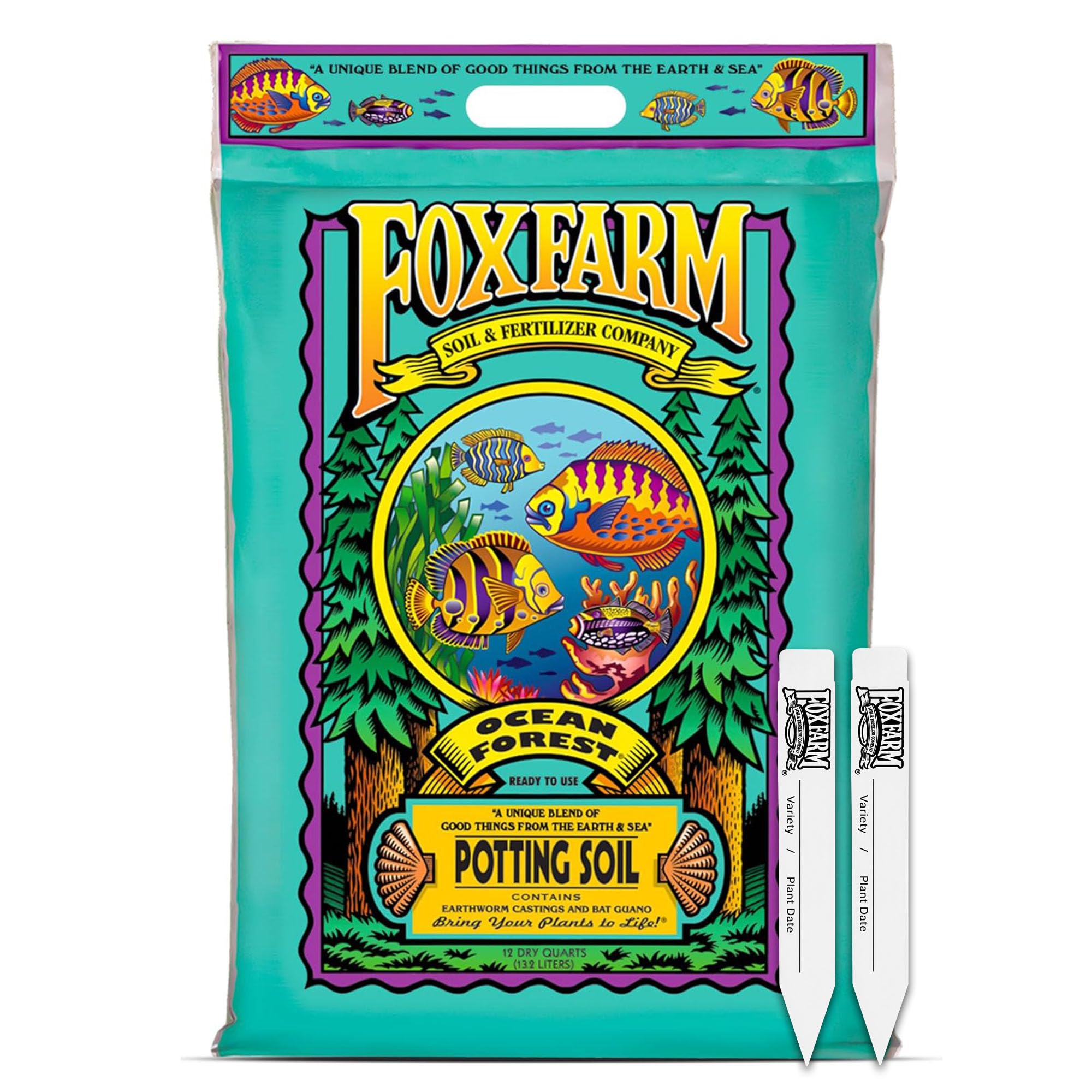
The nutrient-packed favorite that experienced pepper growers swear by for vigorous growth.
This mix is famous among plant enthusiasts for its rich blend of earthworm castings, bat guano, and forest humus that gives peppers a hefty dose of organic nutrients right out of the bag. The light, aerated texture drains well and retains moisture without turning into a brick, which is exactly what pepper roots need to spread and breathe. It also comes with two plant tags so you can label your pepper varieties and planting dates easily.
Reviewers praise the consistent quality, but one experienced grower advises you to “add 10-20% perlite for drainage” if you are repotting into a container without excellent drainage holes. A few buyers mention it can be too “hot” (nutrient-dense) for delicate seedlings — they recommend mixing it with a milder starting mix like Happy Frog for baby plants.
This is a premium choice for pepper growers who want a proven base mix that produces strong, thriving plants and are willing to pay extra for the quality.
Why It Wins
- Loaded with natural nutrients (worm castings, bat guano, forest humus)
- Light, fluffy texture creates perfect root aeration
- Balanced pH right out of the bag
Keep In Mind
- Expensive per quart compared to many competitors
- Potential to burn very young pepper seedlings without dilution
Grab this for: mature pepper plants or transplants you want to push into heavy production with the highest quality organic base.
Skip it for: seed-starting or if you are on a strict budget — the smaller 12-quart bag goes fast for the price.
3. Miracle-Gro Moisture Control Potting Mix (16 qt. 2-Pack)

The forgiving mix that catches over- and under-watering mistakes before they kill your peppers.
If you sometimes forget to water or tend to pour a little too much, this mix is your safety net. The patented Moisture Control formula absorbs up to 33% more water than basic potting soil (which does not contain sphagnum peat moss, coir, and wetting agent) and releases it slowly, protecting against both drowning and drought. This is a standout for container peppers that can quickly suffer from uneven moisture.
The mix already contains a time-release fertilizer that feeds plants for up to 6 months, so you do not have to remember to add plant food every week. Owners mention that the bags are easy to open with a clean tear, and the soil drains well thanks to perlite and wood chips, with no mold or bugs. It also grows plants twice as big compared to unfed plants. The 2-pack gives you 32 total quarts, making it a solid deal for a several large pepper pots.
This mix is not organic, so skip it if you need certified-organic soil. But for a reliable, beginner-friendly option that reduces watering stress, it is a strong choice.
Biggest Strengths
- Moisture control tech prevents over- and under-watering issues
- Built-in fertilizer feeds pepper plants for six months
- Two 16-quart bags offer great coverage for multiple pots
Trade-Off
- Not organic, uses synthetic fertilizer
Best for: busy or new pepper growers who want a simple to use mix that handles watering inconsistency and feeds automatically.
Not for: organic gardeners who avoid synthetic chemicals in their vegetable soil.
4. Smart Grower Organic Potting Soil for Indoor Plants (3 LB)
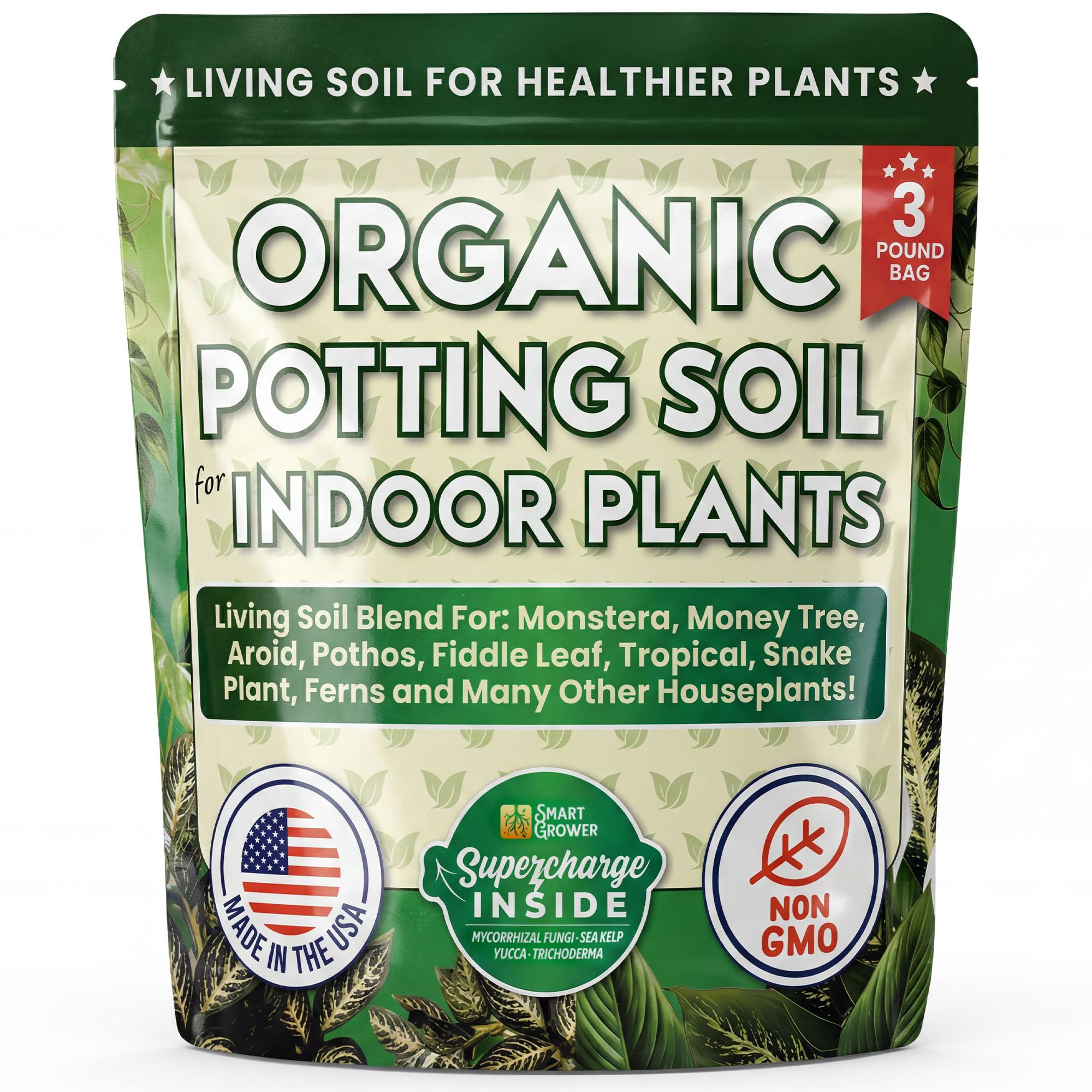
A clean, pet-safe indoor mix packed with beneficial microbes for pepper plants on your windowsill.
This blend is specifically designed for indoor containers, combining organic compost, peat, biochar, worm castings, and coco coir into a lightweight, fluffy mix that resists compaction and stays airy for pepper roots. It is supercharged with mycorrhizal fungi, sea kelp, molasses, yucca extract, Trichoderma, and beneficial Bacillus microbes to help struggling plants bounce back and push out strong root growth.
Buyers describe it as “excellent quality, clean, debris-free potting soil with pleasant smell” and note that it does not cause allergic reactions like some other bags. It is made in the USA without bone meal, fish byproducts, or animal-derived ingredients, making it completely pet-safe and cruelty-free. The downside is the price — reviewers consistently mention it is expensive for the small bag size, and the 83.04 cubic inches is not enough for more than one or two small pepper containers.
This is a premium indoor-only pick for someone who wants a clean, ready-to-use organic mix for a few special pepper plants without any mess or smell.
Great For
- Clean, debris-free texture with no unpleasant odor
- Rich in beneficial microbes and organic nutrients
- Pet-safe and hypoallergenic for sensitive users
Downside
- Very expensive for the small volume you get
- Not practical for large pot projects
Perfect for: a few indoor pepper plants where cleanliness, pet safety, and root-healthy microbes matter more than cost.
Pass on it if: you are potting a whole balcony of peppers — the bag is tiny and not cost-effective for large jobs.
5. Miracle-Gro Potting Mix (8 qt. 3-Pack)

The wallet-friendly workhorse that gets the job done for pepper plants without any frills.
This is the basic, time-tested Miracle-Gro formula that has put millions of plants in the ground. It feeds container plants including vegetables and herbs for up to 6 months, and the manufacturer claims it grows plants twice as big compared to unfed plants. The three 8-quart bags give you 24 total quarts in manageable sizes — much easier to carry around than one giant bag.
Customers note you “can’t go wrong with miracle-gro potting soil” for both indoor and outdoor planting. The soil drains well and does not pack down into a hard mass, keeping water flowing to pepper roots. Unlike the Moisture Control version, this is a straightforward mix with no moisture-lock technology, so you need to stay on top of your watering schedule, especially in hot weather. It is reliable, though, and tough to top for the price.
This is the sensible choice for a large planting project on a budget — just do the watering yourself.
Why It Works
- Very affordable for the total volume you get
- Built-in slow-release fertilizer feeds for six months
- Light, well-draining texture that does not harden over time
One Thing
- No moisture control feature — requires consistent watering
Go for this when: you need to fill several containers without spending a lot and already have a good watering routine.
pass on it if: you struggle with over- or under-watering plants — get the Moisture Control version instead.
6. Coast of Maine Bar Harbor Blend Potting Soil (16 QT)
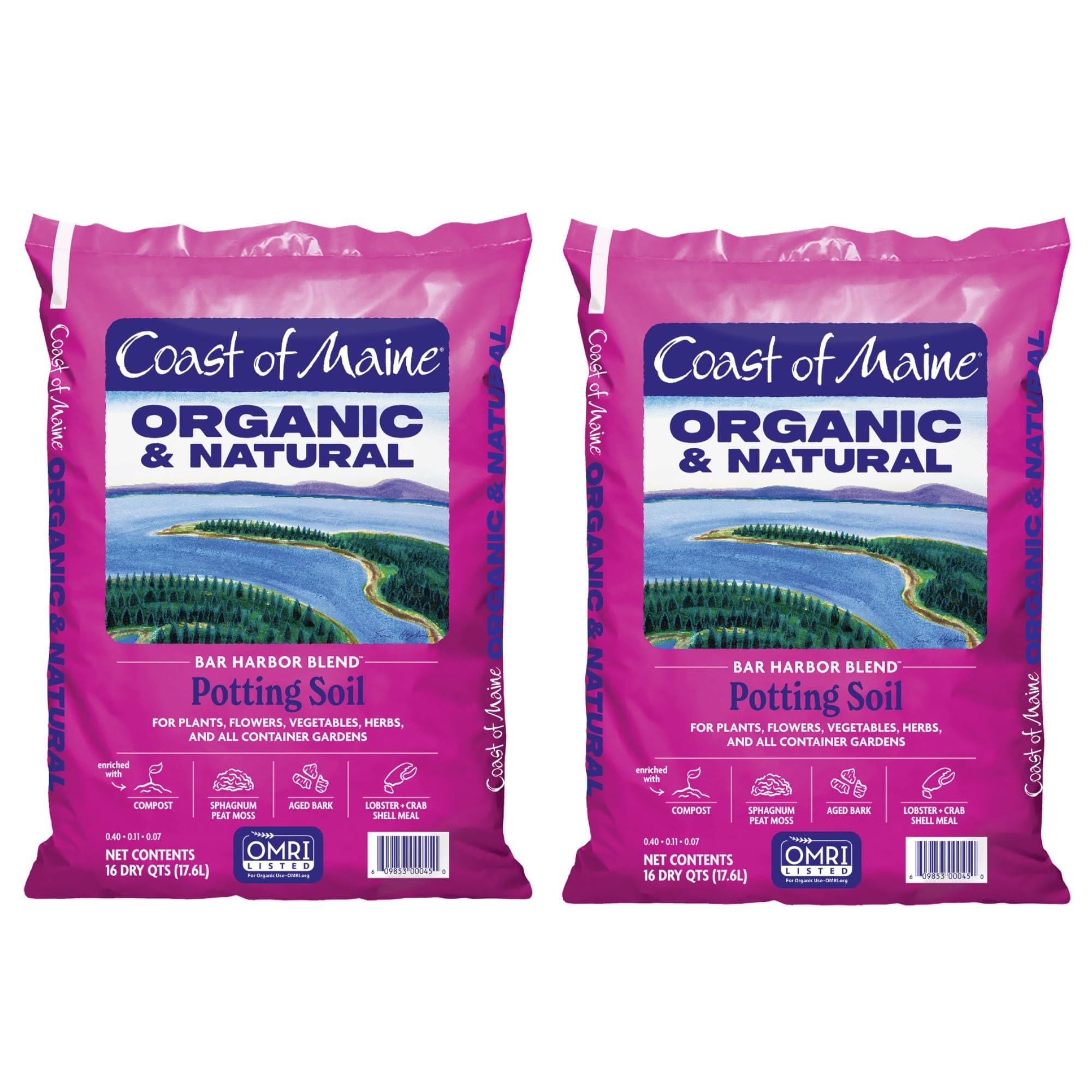
The Maine-sourced organic mix with shellfish meal that supercharges pepper growth naturally.
This Bar Harbor Blend uses sphagnum peat moss, compost, perlite, and a signature mix of lobster and crab shell meal plus kelp meal (seaweed-based fertilizer) to provide slow-release nitrogen and trace minerals pepper plants need. The compost gives the soil a darker color and rich texture that reviewers point out supports vegetables well — one reviewer noted their “tomatoes never looked so good” after switching. The 16-quart bag is a versatile size, not too big and not too small for a handful of pepper containers.
The natural slow-release nitrogen in the lobster and crab shell meal feeds consistently without burning, and the perlite keeps the mix aerated so pepper roots do not drown. Buyers praise its lack of bad smell and the fact that two bags were enough to mound up 8 potato plants with extra to spare. It costs more than basic mixes, but fans call it “well worth the price.”
This is an excellent all-around organic mix for pepper gardeners who appreciate a unique, locally-sourced ingredient list and want vigorous plant growth without synthetic chemicals.
What Makes It Special
- Unique lobster and crab shell meal provides slow-release natural nitrogen
- Good perlite and compost mix for drainage and nutrients
- Versatile 16-quart bag size fits most container projects
Consider This
- Premium pricing per quart compared to standard mixes
Choose this for: organic pepper growing where you want a proven, nutrient-dense mix with unique natural ingredients.
Pass if: you need the cheapest option for a massive container garden — the cost adds up fast.
7. Espoma Organic Potting Soil Mix (2 Cubic Feet)

The bulk organic bag with mycorrhizae that gives tropical pepper plants a natural head start.
This 2-cubic-foot bag is the biggest organic option on the list, giving you enough volume to fill a whole raised bed or a bunch of large containers without running to the store again. The blend of sphagnum peat moss, humus, and perlite is enriched with earthworm castings, alfalfa meal, kelp meal, and feather meal. It also includes Espoma’s proprietary Myco-Tone, a mix of endo and ecto mycorrhizae (beneficial fungi that partner with plant roots to absorb more water and nutrients from the soil).
Reviewers love the loamy, chunky texture that stays loose and never gets crusty or dense, and they note it is a clean mix with no large stick pieces. One buyer with houseplants over 25 years old said this soil keeps their treasured plants thriving. Unlike some bulk bags that are mostly filler, this one is nutrient-rich and ready to use. It is the most expensive per bag, but the 2-cubic-foot volume makes the cost per quart very competitive with smaller premium bags.
Perfect for the dedicated pepper grower who has a large garden and wants a proven organic mix that supports heavy feeding and long-term soil health.
Why Buy It
- Largest bag volume — 2 cubic feet — for big projects
- Myco-Tone mycorrhizae boost root health and nutrient uptake
- Clean, chunky texture with no synthetic chemicals
Catch
- Higher upfront cost, even if the per-quart value is solid
Get this if: you are filling a large raised bed or many pepper containers with an organic, mycorrhizae-enhanced mix.
Avoid if: you only need a couple small pots — the bag is physically large and takes up storage space.
Understanding the Specs
Volume Matters More Than You Think
The difference between 1 cubic foot and 2 cubic feet does not sound huge on paper, but 1 cubic foot is about 7.5 gallons of soil — enough for roughly five 10-inch pots. A 2-cubic-foot bag like the Espoma will fill an entire raised bed or a dozen large containers. Check your container count and size before buying, or you will end up mixing two different brands mid-project.
Organic vs Synthetic Feeds
Organic soils use natural ingredients like composted manure, earthworm castings, and bone meal that release nutrients slowly as microbes break them down. Synthetic-fertilizer mixes like the Miracle-Gro options give an immediate nutrient jolt but can build up salts over time. Peppers benefit from steady, not sudden, feeding — so organic blends are often better for long-season plants, but synthetic mixes are easier for beginners.
FAQ
Can I use regular garden soil from my yard for pepper plants?
How much potting soil do I need per pepper plant?
What is the difference between peat-free and peat-based potting soil?
How long does organic potting soil feed pepper plants before I need to add fertilizer?
Can I reuse potting soil from last year for my new pepper plants?
What does the term “hot soil” mean for pepper plants?
Is premium potting soil worth the extra cost for peppers?
What if my potting soil develops mold on the surface?
Final Thoughts: The Verdict
For most people, the potting soil for peppers winner is the Coast of Maine Tomatoes & Veggies because it delivers the biggest bag, organic compost, and excellent drainage for a price that undercuts smaller premium bags. If you want a nutrient-dense powerhouse for peak production, grab the FoxFarm Ocean Forest. And for a budget-friendly, beginner-proof option that handles watering mistakes, the Miracle-Gro Moisture Control 2-Pack is the safest call.
How We Picked
We do not accept paid placement, and we did not hands-on test every unit. Instead, we match each pick to a real buyer and use-case by comparing the manufacturers’ published specifications against the patterns in verified customer reviews — so you get each pick’s real strengths and trade-offs instead of marketing copy.
Sources & Methodology
Specifications: manufacturer listings and product documentation. Review insights: verified customer reviews, as of July 2026. Pricing: not shown on this page (it changes often); check the current price via the retailer link.
As an Amazon Associate, Lawn Gear Lab earns from qualifying purchases. This does not affect which products we feature.