
Specs are compiled from manufacturer listings and verified buyer reviews and can change over time — please confirm the key details on the product page before buying.
You buy a peace lily for its elegant white blooms and forgiving nature, but root rot from the wrong soil kills it faster than neglect ever could. The simple truth is that a peace lily needs a mix that drains fast enough to avoid waterlogged roots while holding just enough moisture to keep the leaves from drooping. This guide breaks down exactly what those two demands mean in a bagged soil, so you pick the one that actually works for your plant.
I’m Rikta — the founder and writer behind Lawn Gear Lab. This guide is built by comparing the manufacturers’ published specifications and the patterns across verified customer reviews, so you get each pick’s real strengths and trade-offs instead of marketing spin.
You will find four ready-to-use soils, from compact bags for one pot to value-sized blends for a whole collection, each chosen because its ingredients match the needs of a peace lily’s delicate root system. The goal here is to help you find the right soil for peace lily indoors without guessing by bag color.
Quick Picks
- Rosy Soil Aroid Soil Mix — Top Performer
- Soil Sunrise Peace Lily Potting Soil Mix (8 Quarts) — Best Value
- rePotme Peace Lily Imperial Houseplant Soil – Mini Bag (2 Quarts) — Compact Pick
- Premium Peace Lily Potting Soil 2qt by Omitgoter — Budget Champion
How To Choose The Best Soil For Peace Lily Indoors
The right soil keeps your peace lily’s roots evenly moist but never soggy. Here are the three things to check on every bag before you buy.
It must drain fast
A peace lily is not a bog plant. The mix needs coarse ingredients like perlite, pine bark fines, or pumice to create air pockets. Water should run through freely, not pool on top. Look for any mention of perlite or bark in the first few ingredients.
It needs to hold some moisture
The flip side of fast drainage is that the soil must still hold a bit of water long enough for the roots to drink. Peat moss or coconut coir does this job. A bag with no peat, coco coir, or similar organic matter will dry out so fast you have to water constantly.
Bag size matters more than you think
A 2-quart bag is enough for one standard pot. An 8-quart bag covers several repottings or a whole collection. Pick the volume that matches how many plants you have — buying a huge bag for a single pot means the leftover mix dries out before you use it again.
Quick Comparison
On smaller screens, swipe sideways to see the full table.
| Model | Best For | Volume | Key Ingredients | Texture | Amazon |
|---|---|---|---|---|---|
| Rosy Soil Aroid Mix | Best Overall | 4 Quarts | Pine bark fines, pumice, biochar, worm castings | Chunky, airy | Amazon |
| Soil Sunrise Peace Lily Mix | Best Value (largest volume) | 8 Quarts | Pine bark, peat moss, perlite, sand, lime | Balanced, moisture-retentive | Amazon |
| rePotme Peace Lily Imperial | Best for Single Pot | 2 Quarts | Bark chips, peat, perlite | Lightweight, chunky | Amazon |
| Premium Peace Lily Potting Soil | Budget Pick | 2 Quarts | Peat, coconut coir, perlite, worm castings, humus | Lightweight, fine | Amazon |
In‑Depth Reviews
1. Rosy Soil Aroid Soil Mix
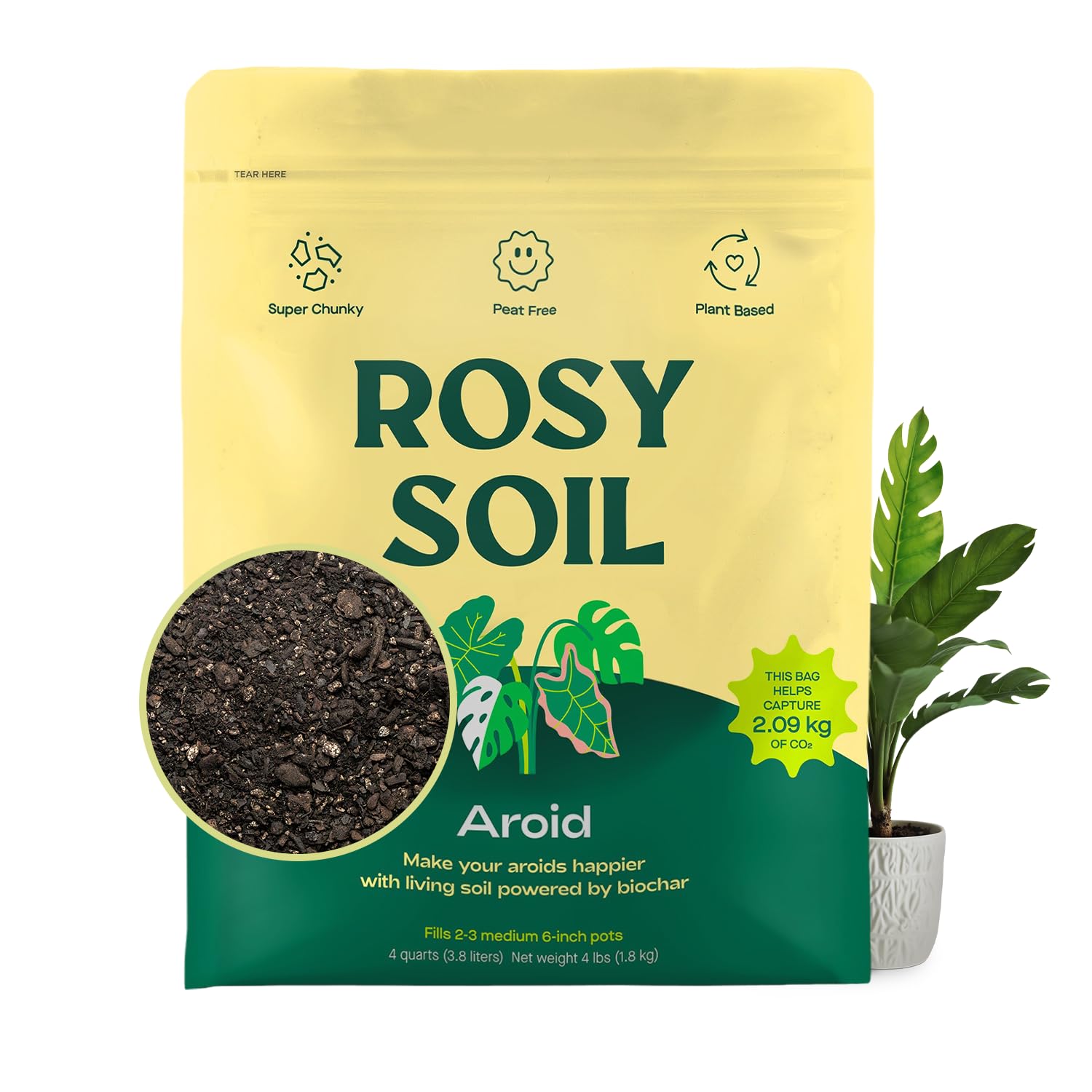
Living soil that feeds your peace lily while keeping roots dry and happy.
This is a rough, chunky mix built for aroids — plants that climb bark and hate sitting in puddles. The texture comes from pine bark fines, pumice, and biochar, which together create big air pockets so water moves through freely. That fast drainage is exactly what a peace lily needs to avoid root rot. The mix also includes worm castings, mycorrhizae, and compost to create a living environment that helps roots take up nutrients over time.
It comes in a 4-quart bag (128.0 Ounce), versus the 2-quart Premium pick below, but uses a chunkier structure. One reviewer noted they switched from Ocean Forest to this soil 2 weeks ago, and they saw new growth across all their plants with no gnats. This tells you the mix is clean and does not hold excess moisture. The bag is resealable and plastic-neutral, which is a nice touch for storing leftovers.
The honest trade-off here is the price. At the premium end of the market, this soil costs more per quart than blends you mix yourself. However, you are buying a ready-to-use living mix that is peat-free and carbon-negative by design, which is a rare combo. It fills 2–3 medium 6-inch pots per bag, so plan accordingly if you have a larger collection.
Straight to the roots: This is the one to grab if you want a high-performance, biologically active mix that drains fast and stays loose for months. Reviewers consistently mention thriving plants, and the texture is built for heavy feeders like monsteras and peace lilies.
The small catch: The chunky structure is not for everyone — it looks and feels different from familiar bagged soils. If you prefer a finer, more traditional blend that mimics standard potting soil, this might feel too loose at first.
Best for you if: You want a premium, ready-to-use mix that supports root health through drainage and living ingredients. It suits the gardener who values quality over bag size and wants a soil that performs.
skip it if: You only need a small amount for one pot and your budget is tight — you can get a 2-quart bag for much less.
2. Soil Sunrise Peace Lily Potting Soil Mix (8 Quarts)
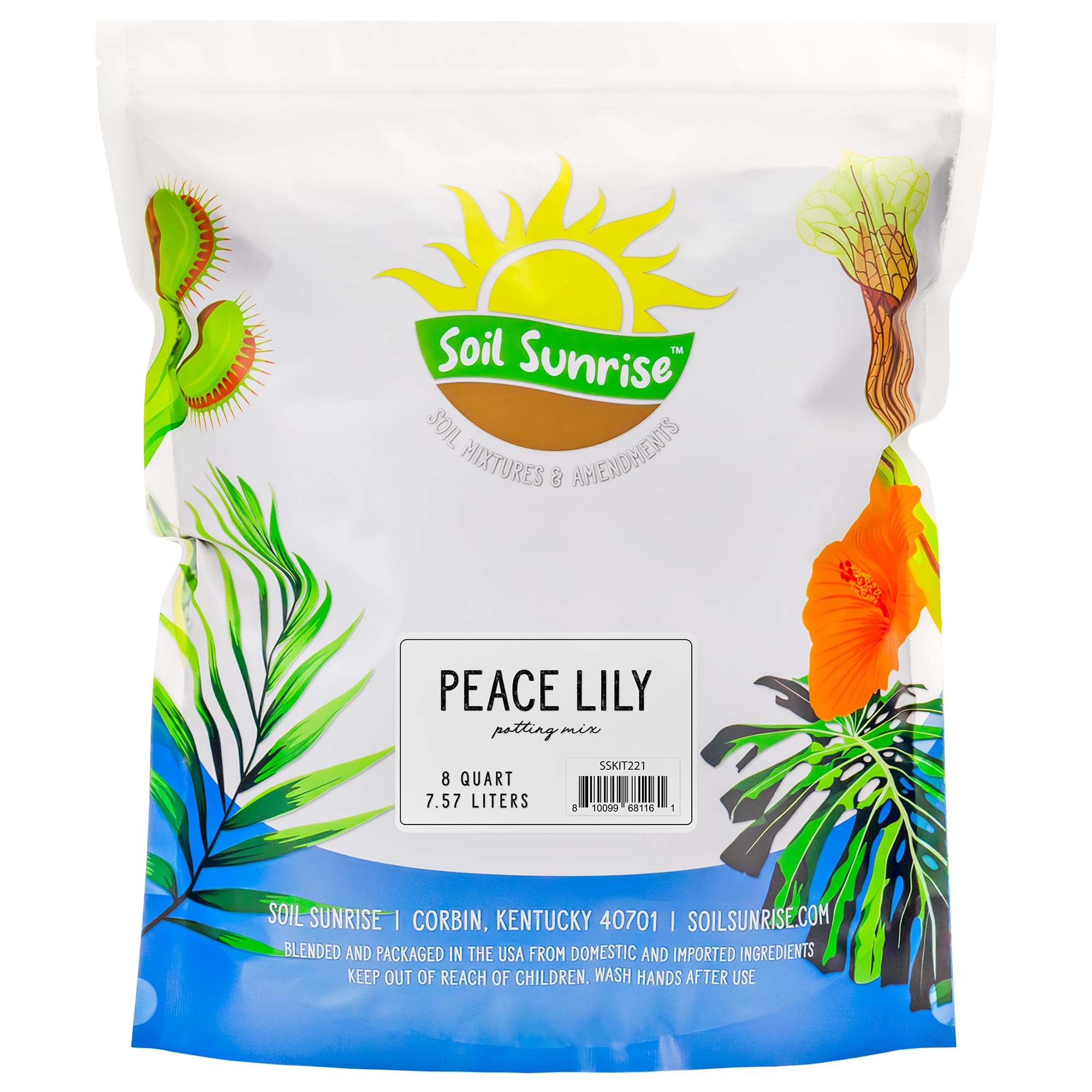
The biggest bag on the list, designed specifically for peace lilies from the start.
While the Rosy Soil mix above uses a chunky aroid formula, Soil Sunrise built this one specifically for Spathiphyllum (the peace lily’s botanical name). The ingredients are straightforward: pine bark, peat moss, perlite, sand, and lime. This gives you a balanced texture — the bark and perlite create drainage, while the peat moss holds a little moisture. The sand adds weight and helps anchor the plant’s roots in the pot.
At 8 Quarts, this is the most soil you get for your budget-friendly tier — 8 Quarts compared to the 2-quart Premium bag from Omitgoter below. One buyer mentioned they don’t know if it’s any better than their normal fish potting soil, which is an honest note. However, the blend is 100% natural with no chemicals or artificial fertilizers, so you know exactly what your plant is getting.
This is a good pick for someone repotting a larger peace lily or maintaining a few plants at once. The texture is more moisture-retentive than the chunky Rosy mix, so it works well if your home is dry or you tend to water less often. Just keep an eye on the drainage — the sand can compact over time if the pot does not have big drainage holes.
What buyers like
- Formulated specifically for peace lilies, with the right pH and aeration
- Large 8-quart bag covers multiple repottings
- Natural ingredients with no chemicals or synthetic fertilizers
A buyer’s honest note
- One owner reported leaf drop after repotting, though the cause was not clear
- Sand content can make the mix feel heavier than pure bark-based blends
Reach for this if: You have a larger peace lily or several plants and want a natural blend made for this species. The volume-to-value ratio is the best on the list.
Look elsewhere if: You need the airiest possible texture for a plant that is extremely prone to root rot — the sand and peat add moisture retention that a chunky mix avoids.
3. rePotme Peace Lily Imperial Houseplant Soil – Mini Bag (2 Quarts)
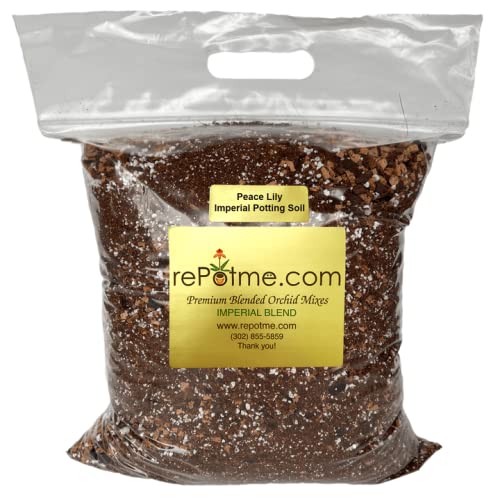
A premium small batch mix that fits exactly one pot with no leftovers.
This is the right bag when you have a single peace lily and do not want a giant sack of soil sitting in a closet. It comes in a high-quality resealable pouch that keeps the mix fresh for future use. The blend includes bark chips, peat, and perlite, creating a lightweight, chunky texture that drains well but holds just enough moisture. One buyer specifically mentioned that the sealed bag is ideal for apartments, and that it includes a plant tag and butterfly clip — small touches that show attention to detail.
It is made fresh daily in small handcrafted batches. That is a different approach from the mass-produced soils. The mix is used by some of the largest conservatories and botanic gardens in the world, according to the brand. Each bag is 2 Quarts, which is the same volume as the Omitgoter budget pick below, but this one has a chunkier, airier texture that is better for a peace lily’s roots.
The price is higher than the bag size suggests — this is a premium product in a small package. One customer observed it was not enough for their pot size, so they had to buy more soil at a high cost. Check the size of your pot before you order; a 2-quart bag is perfect for a standard 6-inch pot.
What stands out
- Resealable pouch keeps the soil fresh and is perfect for small-space storage
- Handcrafted daily with high-quality bark and peat
- Comes with a plant tag and butterfly clip — a nice extra
A real trade-off
- Price per quart is high compared to larger bags
- Small bag may not be enough for a deep or wide pot, requiring a second purchase
Ideal for: One small to medium peace lily in an apartment or a plant corner where storage is tight. The resealable pouch and compact size are a perfect fit.
Not ideal for: A large peace lily in a deep pot or anyone who needs soil for multiple plants — the high cost per quart adds up fast.
4. Premium Peace Lily Potting Soil 2qt by Omitgoter
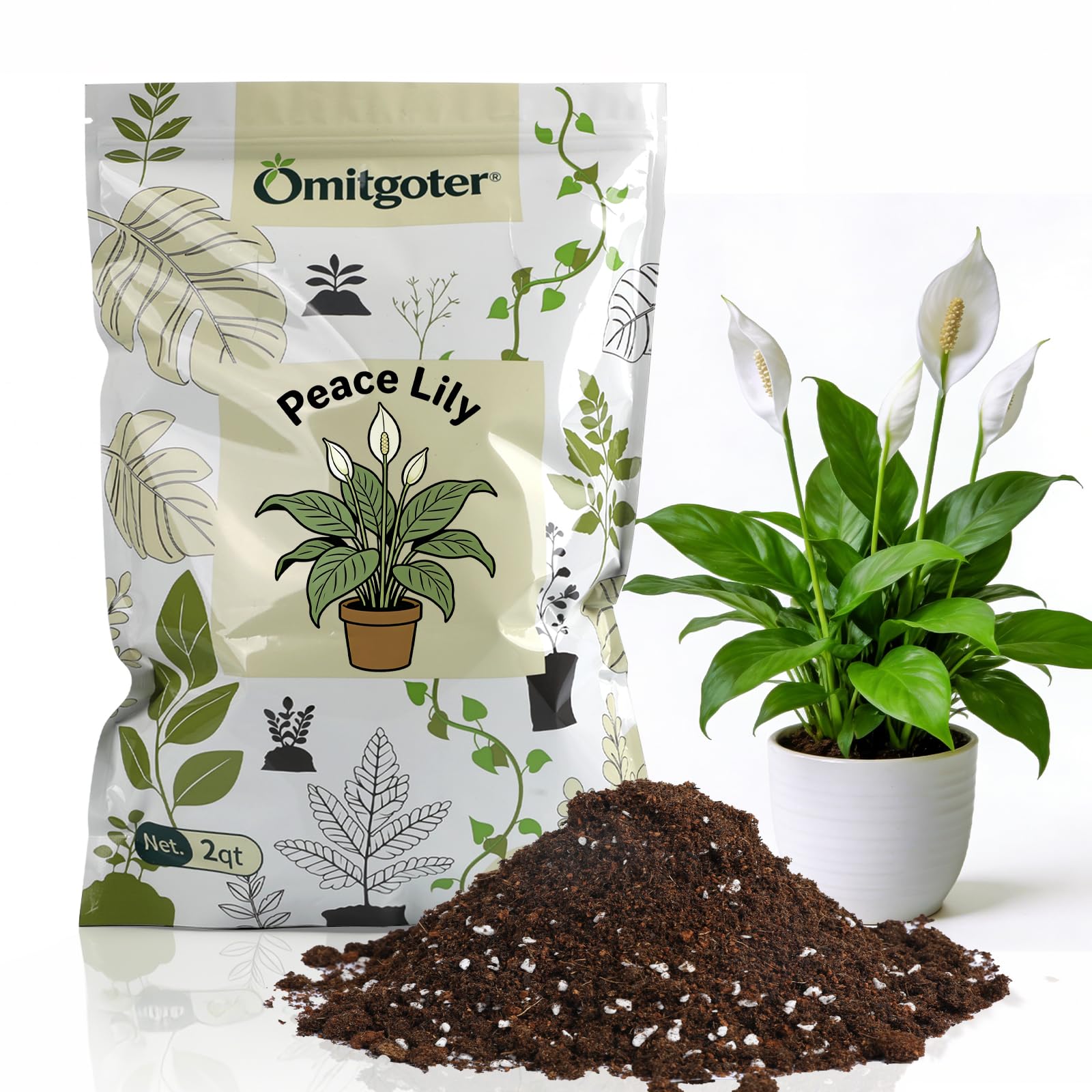
A solid entry-level soil that feeds your peace lily without costing much.
This is the most affordable pick on the list, and it gets the basics right. The mix includes peat, coconut coir, perlite, worm castings, and humus — all organic and chemical-free. The coconut coir and peat give it a lightweight, fluffy texture that holds moisture well, while the perlite provides the drainage a peace lily needs. It comes ready to use, so you just pour it into the pot and plant.
The bag is 2 Quarts (64.0 Ounce), versus the Rosy Soil mix at 128.0 Ounce. That is fine for a single peace lily in a standard pot, and the price makes it an easy choice for a beginner. One user highlighted it was “Perfect but wished bag was bigger,” which tells you the mix works well but you may want a larger bag for multiple plants. The balanced pH is a plus — it helps your peace lily absorb nutrients without the guesswork.
The texture here is finer and more moisture-retentive than the chunkier rePotme or Rosy mixes. That is fine for a peace lily as long as your pot has good drainage holes. Just be careful not to overwater — buyers report the soil holds moisture for a good while, so let the top inch dry out before watering again.
Good for starters: If you are new to peace lilies and want a simple, affordable bag that you can trust, this is the pick. It has all the right organic ingredients and you do not have to mix anything.
One thing to watch: The 2-quart size is small, so if you have a deep or wide pot, you will need two bags. Also, the fine texture can compact slightly over time, so consider adding a handful of perlite if you tend to be a heavy waterer.
Grab this if: You want a budget-friendly, ready-to-use soil for a single peace lily and you do not want to overthink it. This is the entry-level champion that gets the job done.
pass on it if: You need soil for multiple plants, want a chunky aroid texture, or you are looking for a bigger bag to get more volume for your budget.
Understanding the Specs
Volume (Quarts)
This is the total amount of soil you get in the bag. A 2-quart bag is enough for one standard 6-inch pot. An 8-quart bag covers three to four pots or one large repotting. Pick a volume that matches your collection so you don’t end up with stale leftover soil or a bag that runs out mid-job.
Texture & Drainage
This is the single most important factor for peace lilies. The soil needs to be loose enough for water to flow through quickly, but not so loose that it dries out instantly. Chunky mixes with perlite, bark, pumice, or sand provide excellent aeration and prevent root rot. Fine, peat-heavy mixes hold more moisture and need careful watering to avoid soggy roots.
FAQ
How often should I repot my peace lily into fresh soil?
Can I use regular potting mix for peace lilies?
What is the best way to tell if my peace lily needs water?
Should I add extra perlite to the bagged soil?
Is peat-free soil better for peace lilies?
Why is my peace lily turning yellow with new soil?
Can I reuse old soil when repotting a peace lily?
What pot type works best with peace lily soil?
Final Thoughts: The Verdict
If you want one dependable pick, the soil for peace lily indoors winner is the Rosy Soil Aroid Mix because its chunky, biologically active texture drains fast enough to prevent root rot while feeding the plant through living ingredients. If you want the best value in terms of volume per dollar, grab the Soil Sunrise Peace Lily Mix with its large 8-quart bag designed specifically for this plant. And for a single peace lily in a small apartment, the rePotme Peace Lily Imperial Soil offers a perfectly portioned, resealable pouch that keeps things tidy.
How We Picked
We do not accept paid placement, and we did not hands-on test every unit. Instead, we match each pick to a real buyer and use-case by comparing the manufacturers’ published specifications against the patterns in verified customer reviews — so you get each pick’s real strengths and trade-offs instead of marketing copy.
Sources & Methodology
Specifications: manufacturer listings and product documentation. Review insights: verified customer reviews, as of July 2026. Pricing: not shown on this page (it changes often); check the current price via the retailer link.
As an Amazon Associate, Lawn Gear Lab earns from qualifying purchases. This does not affect which products we feature.