
You can tell good flower bed soil the moment you grab a handful — it should smell earthy and fresh, feel light and crumbly, not sour or heavy like wet clay. That texture tells you if roots can breathe and drain, or if they will suffocate. This guide names the specific bag that gives your flowers the best start, and it names the ones to skip based on real ingredient lists and buyer reports.
I’m Rikta — the co-founder and writer behind Lawn Gear Lab. This guide is built by comparing the manufacturers’ published specifications and the patterns across verified customer reviews, so you get each pick’s real strengths and trade-offs instead of marketing spin.
Choosing the best flower bed soil for annuals, perennials, or a mix means balancing nutrient content, texture, and volume for your specific bed.
How To Choose The Best Flower Bed Soil
Great flower bed soil does three things at once: it holds enough moisture for roots to drink, it drains excess water so roots do not rot, and it supplies a steady stream of nutrients without burning the plants. Here is what to look for in each bag.
Organic Content and Nutrient Sources
Look for soil that lists specific organic ingredients — like worm castings, compost, kelp meal, or lobster shell meal — rather than vague terms like “natural ingredients.” These components release nitrogen, phosphorus, and potassium slowly, which keeps flowers fed for months without synthetic chemicals.
Texture and Drainage Balance
Good flower bed soil should feel light and crumbly when you squeeze it in your hand. A mix that is too heavy (like pure clay) traps water and suffocates roots. A mix that is too sandy lets water drain away instantly, leaving roots dry. The best blends use sphagnum peat moss, aged bark, and compost to hit the middle ground.
Bag Volume and Project Fit
Flower bed soil is sold by cubic feet or pounds — but the volume matters most because it tells you how much ground you can cover. A 1-cubic-foot bag covers roughly 12 square feet at 1 inch deep. Measure your bed before you buy so you do not end up short or stuck with extra bags you cannot store.
Quick Comparison
On smaller screens, swipe sideways to see the full table.
| Model | Category | Best For | Key Spec | Amazon |
|---|---|---|---|---|
| FoxFarm Raised Bed Planting Mix | Premium | Ready-to-use raised beds & containers | 1.5 cubic feet at 40 pounds | Amazon |
| Coast of Maine Castine Blend | Premium | Raised beds needing biodiverse nutrients | 2 cubic feet at 40.3 pounds | Amazon |
| BuildASoil Light Garden Soil | Premium | High-worm-casting organic potting | 1 cubic foot at 30 pounds | Amazon |
| Coast of Maine Cobscook Blend | Mid-Range | In-ground beds and lawn top-dressing | 1 cubic foot bag | Amazon |
| Espoma Organic Vegetable & Flower Garden Soil | Mid-Range | In-ground planting & transplanting | 1 cubic foot at 1536 ounces | Amazon |
| All Purpose Topsoil 6 lb Pail | Budget | Small pots and spot-filling | 6 pounds in a pail | Amazon |
In‑Depth Reviews
1. FoxFarm Raised Bed Planting Mix, 1.5cu ft
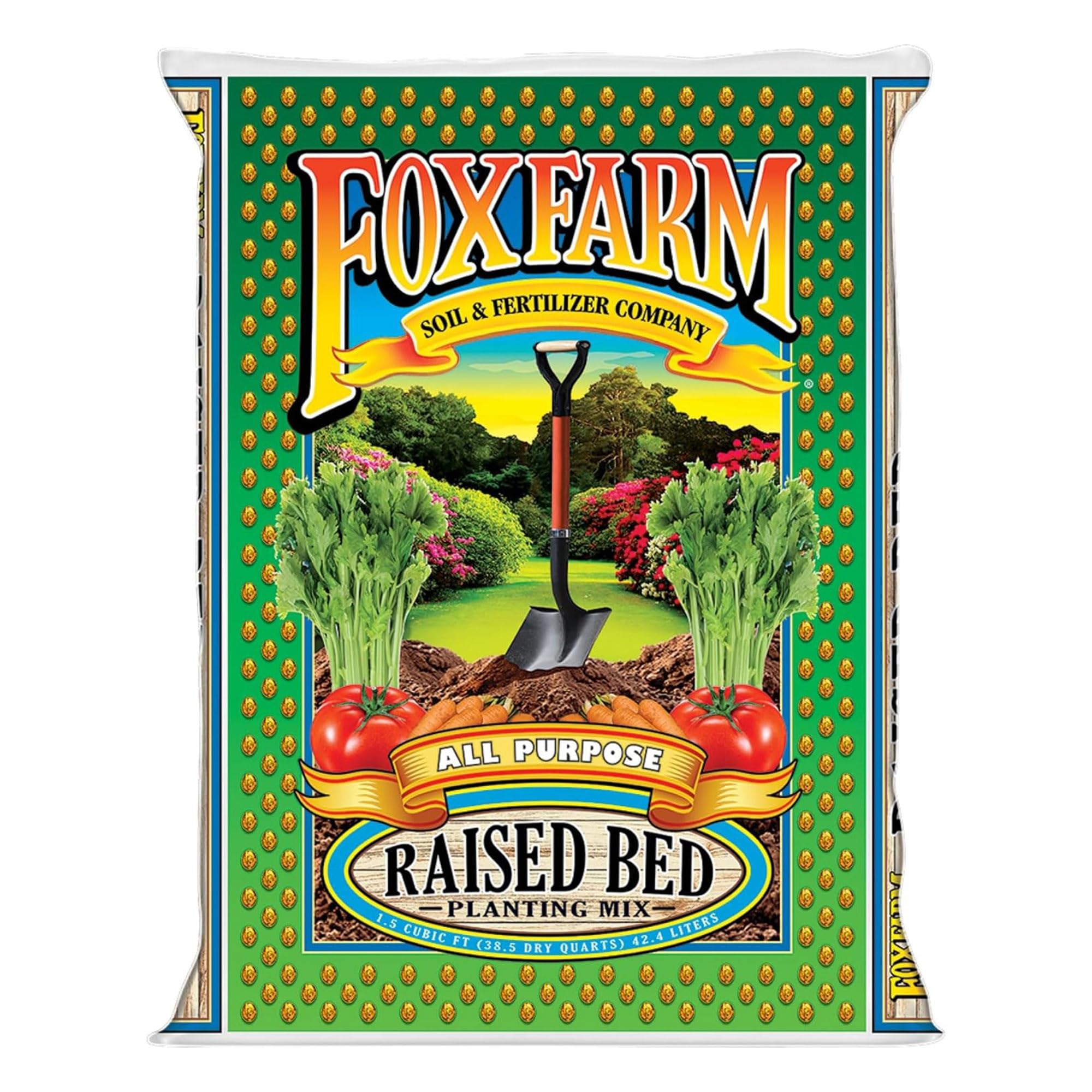
1.5 cubic feet of ready-to-use mix makes this the top pick for anyone filling raised beds or containers with vegetables, flowers, or herbs who wants to plant immediately without mixing or guesswork.
This blend packs 50–60% aged forest products and sphagnum peat moss to soak up moisture without drowning the roots, plus earthworm castings and oyster shell for slow-release feeding. At 1.5 cubic feet and 40 pounds per bag, you get enough volume to fill a standard 2-foot-by-4-foot raised bed about 3 inches deep. Buyers report it is high-quality stuff, and one reviewer noted you can often find it for less at a local garden center.
If you want a premium flower bed soil that does everything for you — holds water, drains well, and feeds plants — the FoxFarm mix is the confident one-bag answer.
Why it’s great
- Ready-to-use formula with no additional mixing
- Rich blend of aged forest products, peat moss, and worm castings
- Designed for raised beds, containers, and in-ground beds
Good to know
- May be available cheaper locally versus online
- Bag is heavy to carry at 40 pounds
2. Coast of Maine Castine Blend Soil, 2 cu ft
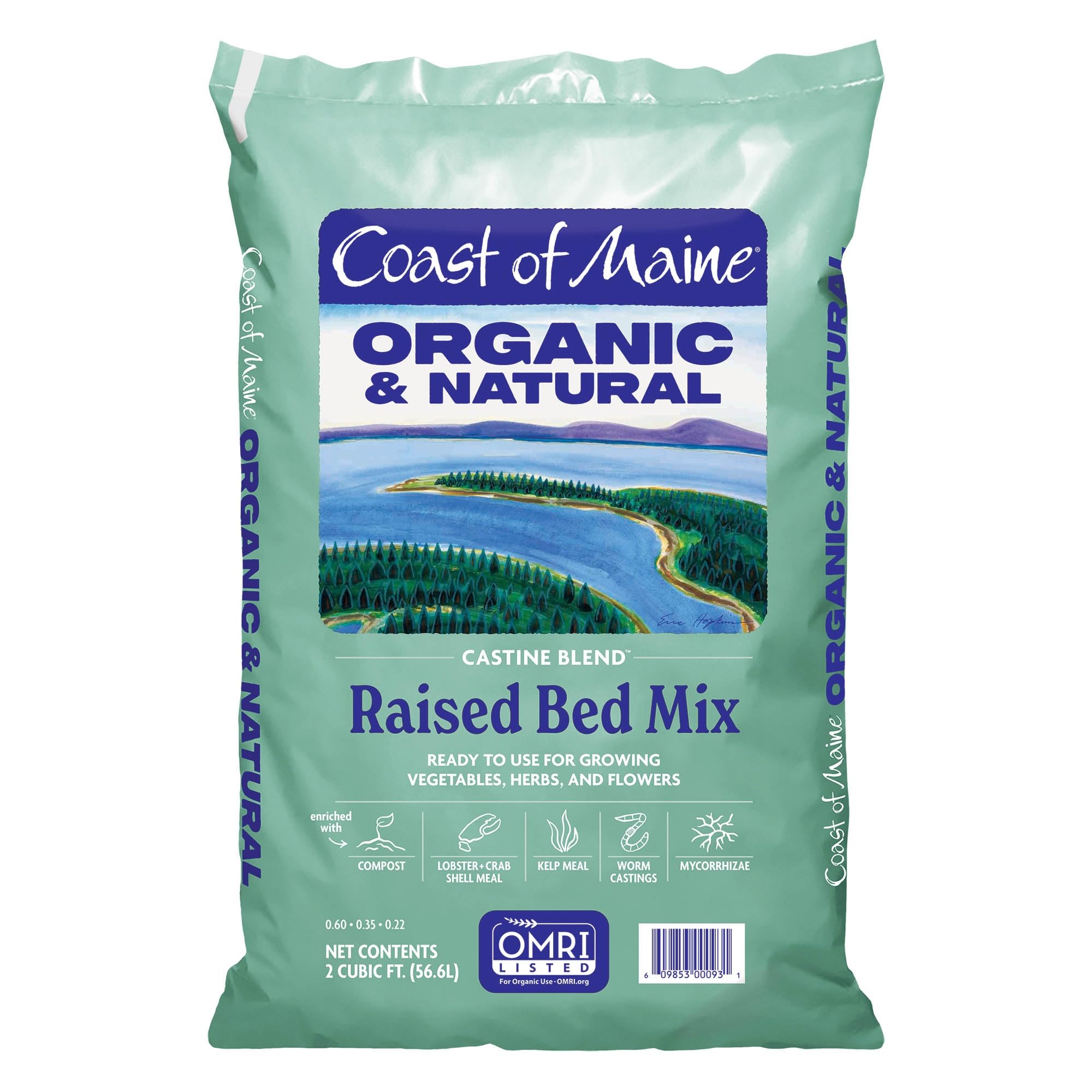
The Coast of Maine Castine Blend edges ahead of the FoxFarm pick on pure volume and biodiversity — it gives you 2 cubic feet per bag (a full 0.5 cubic feet more) while weighing nearly the same at 40.3 pounds. That is a serious advantage if you are filling a large raised bed or multiple containers.
Its secret is in the ingredients: worm castings, mycorrhizae (tiny fungi that help roots absorb more water and nutrients), biochar (a charcoal that holds nutrients and microbes), green sand, and kelp meal. Buyers describe it as dark, rich, soft dirt with no twigs or bugs, and report that their tomatoes and sunflowers grew beautifully. The texture is light and fluffy, so it loosens existing hard clay soil without needing extra amendments.
If your priority is filling more space with a nutrient-dense, biodiverse soil that feeds flowers all season, the Castine Blend is the smarter buy than the FoxFarm.
Where it shines
- 2 cubic feet offers excellent coverage for larger beds
- Loaded with mycorrhizae, biochar, kelp meal, and worm castings
- Light, fluffy texture with no debris
Worth noting
- Premium price point for the volume
- Best suited for raised beds and containers, not pure in-ground use
3. BuildASoil Light Garden Soil, 1 cu ft
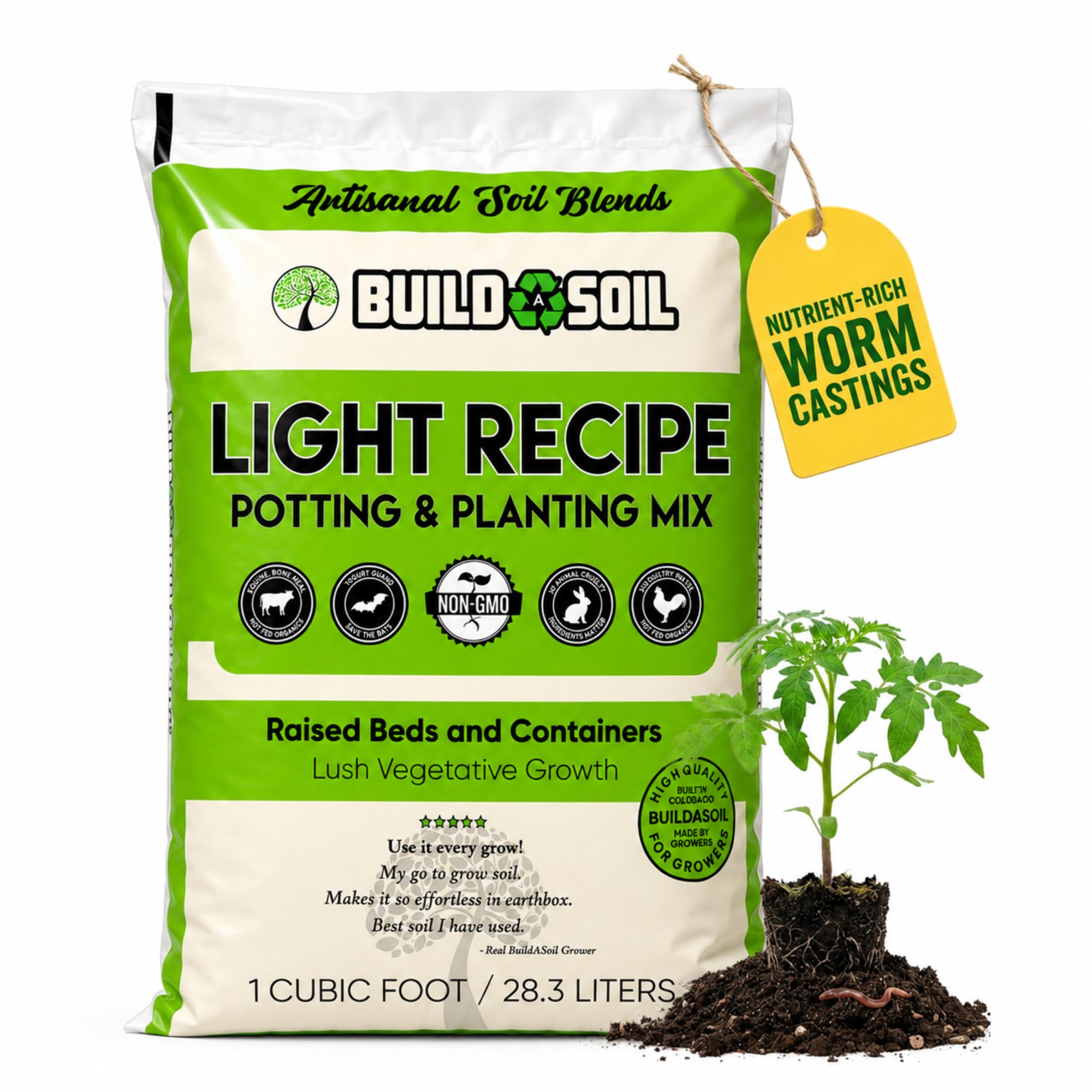
If you are the type of gardener who reads every ingredient label and wants total transparency, the BuildASoil Light Garden Soil is built for you. It is certified organic with a low sodium formula — meaning it has fewer salts and chlorides that can stress delicate flower roots — and is very high in worm castings, which are one of the most nutrient-dense natural fertilizers available.
This soil is designed as a loamy mix that holds moisture well but also drains quickly, so you do not get that soggy, compacted feel. At 30 pounds for 1 cubic foot, it is noticeably lighter by weight than the 40-pound FoxFarm bag with the same volume, making it easier to carry and pour. Owners mention the soil is amazing and will not burn your plants — a real concern with cheaper mixes that contain too much raw fertilizer.
You pay a premium for the certified organic guarantee and the ingredient transparency, but for the cleanest, most predictable soil for both indoor and outdoor flowers, the BuildASoil is a standout choice.
What stands out
- Certified organic with high worm casting content
- Low sodium formula reduces salt stress on roots
- Lightweight and easy to handle at 30 pounds
The trade-offs
- Higher price per cubic foot than many garden soils
- 1 cubic foot bag covers a smaller area
4. Coast of Maine Cobscook Blend In-Ground Garden Soil, 1 cu ft
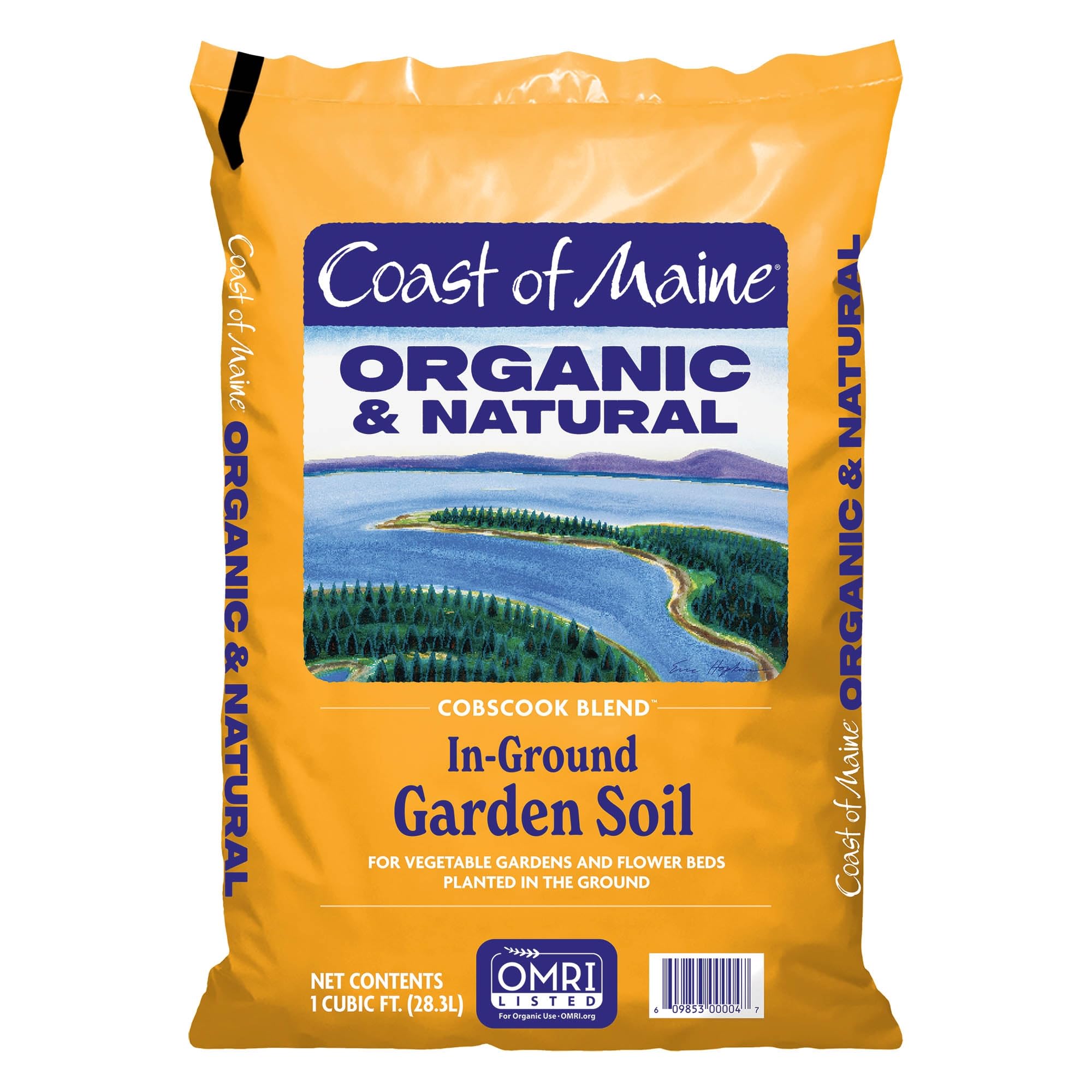
The single most important number when improving your in-ground flower beds is whether the soil can break up heavy clay or compacted dirt. The Coast of Maine Cobscook Blend is formulated specifically for in-ground use — it mixes into sandy, compacted, or clay soils to improve quality, or you can spread it as a top-dressing over established beds to reduce weeds and add nutrients.
The catch you accept is that this is a 1-cubic-foot bag, so it has less volume than the 2-cubic-foot Castine Blend from the same brand. But the ingredients — sphagnum peat moss, compost, and aged bark — are exactly what heavy soil needs to drain better while still holding enough moisture. A reviewer raved that the soil smells amazing and is not filled with junk like some other brands.
If you are planting straight into the ground (not raised beds), the Cobscook Blend gives you the best price-to-value read for improving a natural bed without overpaying for raised-bed-specific formulas.
The upsides
- Excellent for improving heavy clay or sandy in-ground soils
- Contains compost, peat moss, and aged bark for balanced texture
- Can be used as a top-dressing for established flower beds
Keep in mind
- 1 cubic foot per bag may require multiple bags for larger beds
- Volume is listed in picoliters on the spec sheet — ignore that and trust the cubic feet
5. Espoma Organic Vegetable & Flower Garden Soil, 1 cu ft

What you actually get at this lower price is a real organic formula with earthworm castings and a proprietary mycorrhizae blend called Myco-Tone — the same root-boosting fungi found in premium bags, but at a price that leaves room in your budget for more plants.
What you give up is the “ready-to-go” richness of the FoxFarm or Coast of Maine mixes. The Espoma bag says to mix it thoroughly with your native garden soil — it is meant to improve what you already have, not replace it entirely. Customers note that tomatoes and marigolds thrived and that the soil improved moisture retention. The bag is only 1 cubic foot, so plan to buy multiple bags for a larger bed.
This is the perfect budget-conscious pick for gardeners who already have decent native soil and just want to enrich it with organic goodness and mycorrhizae without spending premium money.
Why we’d pick it
- Includes worm castings and Myco-Tone mycorrhizae blend
- No synthetic fertilizers or chemicals
- Great for enriching existing garden soil on a budget
A few caveats
- Must be mixed with native soil, not used standalone
- Some reviewers point out indoor gnats from the bag
6. All Purpose Topsoil 6 lb Pail
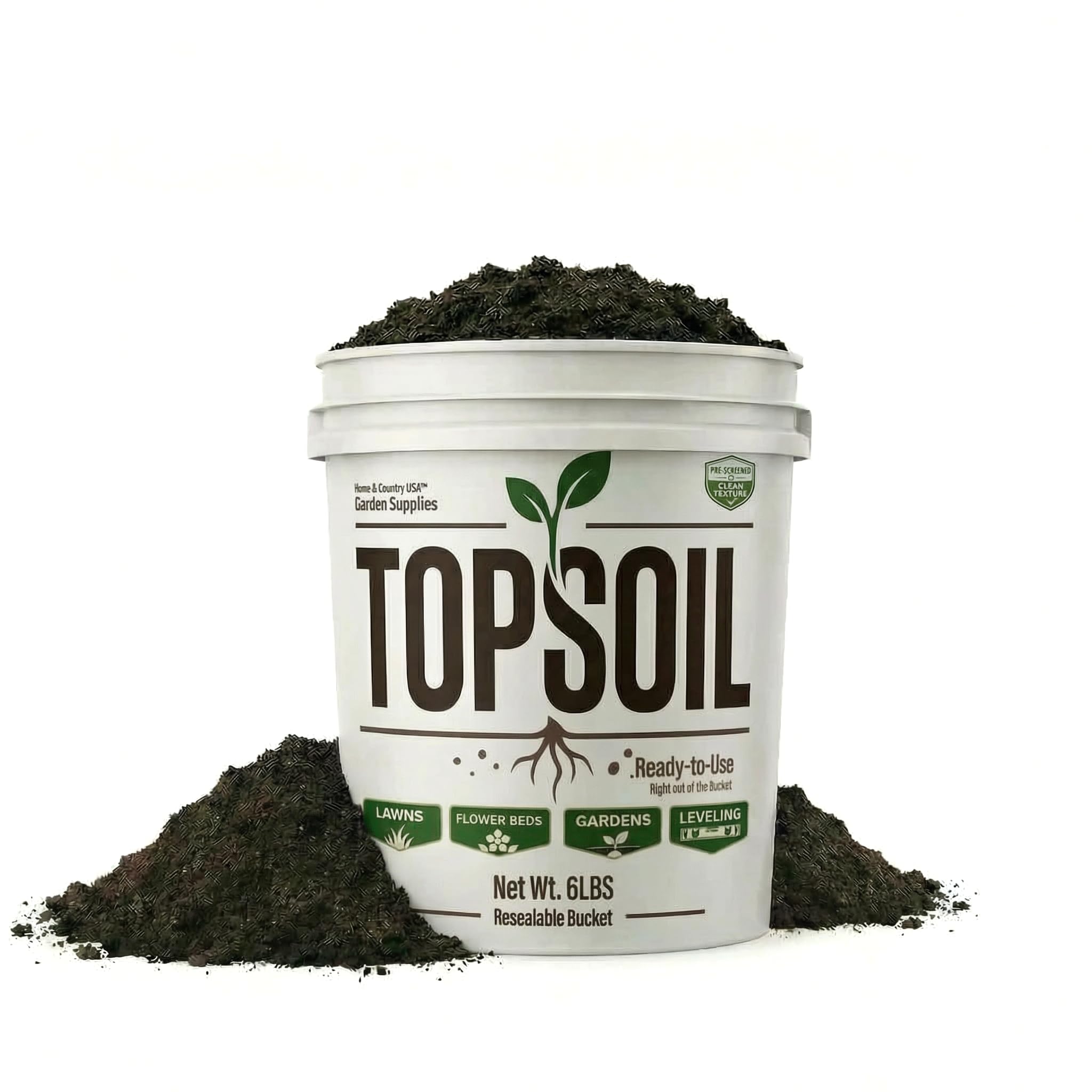
This 6 lb pail is perfect for the gardener who needs just a handful of soil for a few indoor herb pots, a single planter box, or patching a bare spot in a flower bed — not for anyone filling a large garden or multiple raised beds.
At 96 ounces (6 pounds), the volume is a fraction of the 40-pound bags in this guide, but the mix is loaded with nitrogen, phosphorus, and potassium to improve clay or sandy soil. The honest catch is that buyers consistently say the bucket is smaller than expected and the tear-away tab to open it is impossible to remove.
If you want the convenience of a bucket that pours cleanly without mixing, this will get the job done for a tiny space — but be aware that multiple customers reported a foul odor, which is a red flag for any flower bed soil.
Strong points
- Convenient pail for small jobs and spot-filling
- Contains essential nitrogen, phosphorus, and potassium
- No mixing required — use straight from the bucket
Before you buy
- Very small volume for the price point
- Some shoppers say a foul odor and a hard-to-open bucket
Understanding the Specs
Bag Volume vs. Weight
Bag volume, measured in cubic feet (cu ft), tells you how much ground you can actually cover — a 1-cubic-foot bag covers about 12 square feet at 1 inch deep. Weight (in pounds) can be misleading because some soils are heavier because they hold more moisture or have denser ingredients. Always check the cubic feet first to plan your project.
Mycorrhizae and Worm Castings
Mycorrhizae are microscopic fungi that attach to plant roots and help them pull more water and nutrients from the soil — think of them as an underground extension cord. Worm castings (earthworm waste) are packed with beneficial microbes and slow-release nutrients. Soils that list both give your flowers a strong head start without synthetic fertilizers.
FAQ
Can I use flower bed soil in containers and raised beds too?
How often should I replace the soil in my flower bed?
Does flower bed soil expire if I leave the bag unopened?
Final Thoughts: The Verdict
For most flower beds, the best flower bed soil winner is the FoxFarm Raised Bed Planting Mix because it is ready to pour straight from the bag and packed with earthworm castings and oyster shell for steady feeding. If you want the highest volume and most biodiverse ingredients for a large raised bed, grab the Coast of Maine Castine Blend. And for certified organic transparency with a low-sodium formula, the standout is the BuildASoil Light Garden Soil.