
Citrus trees demand specific soil conditions—slightly acidic, well-drained, and consistently moist—that generic bark or rubber mulches simply can’t deliver. Using the wrong ground cover can lock out nutrients, encourage root rot, or repel the beneficial microbes your Meyer lemon or Key lime depends on for fruit production. The ideal organic layer does more than block weeds; it feeds the soil food web, buffers temperature swings, and releases gentle acids that mimic a tree’s natural forest-floor environment.
I’m Rikta — the co-founder and writer behind Lawn Gear Lab. I’ve spent hundreds of hours analyzing product spec sheets, cross-referencing customer feedback on moisture retention and decomposition rates, and studying horticultural data on pH stability and NPK release patterns to separate effective citrus mulches from expensive disappointments.
Whether you’re planting a container dwarf orange or managing a backyard grove, selecting the right top-dressing directly impacts root health and fruit sweetness. This guide breaks down the science behind each layer so you can confidently choose the best mulch for citrus trees that fits your specific growing conditions and budget.
How To Choose The Best Mulch For Citrus Trees
Citrus root systems are shallow and sensitive. The wrong material can raise soil pH above 7.0, causing iron chlorosis (yellow leaves), or trap excessive moisture that invites phytophthora root rot. Focus on four specific factors when evaluating options.
1. Acidity & pH Neutrality
Citrus thrives in slightly acidic soil (pH 5.5–6.5). Pine bark and peat-based mulches gently lower pH, while hardwood chips can push it alkaline over time. Check any product’s natural pH range—coconut coir typically lands around 5.8–6.2, making it a safe choice for maintaining citrus-friendly acidity without constant amendments.
2. Decomposition Rate & Nutrient Release
Fast-decaying materials like wheat straw (3–6 months) return carbon to the soil quickly but require frequent reapplication. Slow-decaying cocoa shells or pine bark nuggets (12–18 months) provide longer weed suppression and a steadier release of minor nutrients. For citrus, a medium-to-slow rate usually aligns better with the tree’s nutrient uptake cycle.
3. Water Management & Root Aeration
Citrus roots need consistent moisture but hate standing water. Mulch that absorbs 10x its weight (like coconut husk) can reduce watering by half in hot climates, but must be fluffed occasionally to prevent matting. Avoid dense, plate-forming materials that create an impermeable cap over the root zone.
4. Pet & Pest Safety
Cocoa bean shells contain theobromine and caffeine—compounds toxic to dogs even in small quantities. If your citrus tree is accessible to pets, choose pine bark, aspen, or wheat straw instead. Squirrels and rodents are also attracted to cocoa’s chocolate scent, which can lead to digging disturbance around young trees.
Quick Comparison
On smaller screens, swipe sideways to see the full table.
| Model | Category | Best For | Key Spec | Amazon |
|---|---|---|---|---|
| Soil Sunrise Pine Bark | Pine Bark | Container citrus & acid lovers | 12 Quarts, small-chip texture | Amazon |
| Brut Organic Aspen Mulch | Aspen Bark | Odor-free indoor/outdoor use | 30% carbon, OMRI-listed | Amazon |
| Plantonix Coco Chips | Coconut Husk | High moisture retention & aeration | 15 Gallons, expands 10x weight | Amazon |
| Back to the Roots Coco Mulch | Coconut Husk | Large beds & raised garden boxes | 2 cu ft expanded, compressed block | Amazon |
| Garden Elements Cocoa Bean Shell | Cocoa Shell | Fragrant flower beds (pet-free areas) | NPK 2.5-1-3, pH 5.8 | Amazon |
| HealthiStraw GardenStraw | Wheat Straw | Vegetable garden & lawn seeding | 3 cu ft, covers 100 sq ft | Amazon |
| Hull Farm Cocoa Bean Shell | Cocoa Shell | Decorative flower & shrub beds | Approx NPK 2.5-1-3, mold-safe | Amazon |
In‑Depth Reviews
1. Soil Sunrise 100% Natural Pine Bark Mulch Nuggets
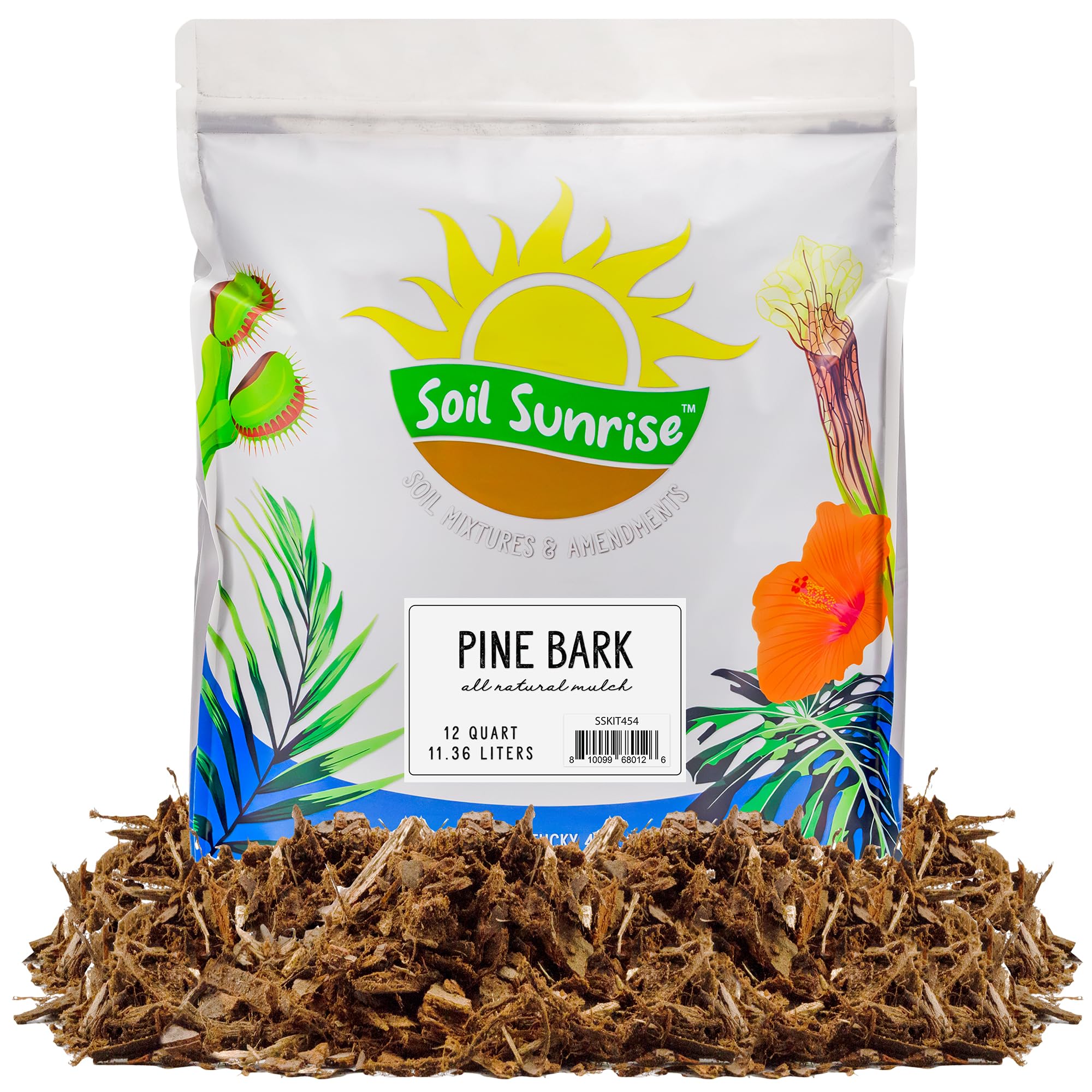
This small-chip pine bark is the most category-appropriate choice for citrus growers working with containers, raised beds, or young in-ground trees. Its natural acidity gently maintains the pH range citrus roots prefer, and the consistent chip size (smaller than standard nuggets) mixes evenly into potting blends without creating dry pockets. The 12-quart bag is easy for one person to handle, and the clear packaging lets you inspect for mold or pests before application—a thoughtful detail for organic growers.
Several verified buyers specifically used this mulch to amend soil for dwarf orange and Meyer lemon trees, reporting improved drainage and visibly greener foliage. The chips resist matting when applied in a 2-inch layer, allowing air and water to move freely through the root zone. As a bonus, the texture discourages squirrels and other small diggers from disturbing the surface around tender trunks.
While the per-quart cost is slightly higher than standard pine bark from big-box stores, the uniformity and lack of filler debris justify the premium for precise citrus soil management. One reviewer noted it was “a little on the expensive side,” but also called it “beautiful mulch” that outperforms corporate competitors in moisture control.
What works
- pH-neutral to slightly acidic—perfect for citrus root health
- Small, consistent chips mix well with potting soil
- Clear bag allows inspection for mold or pests
What doesn’t
- Premium cost per quart compared to bulk hardware store options
- 12-quart bag covers only small-to-medium containers
2. Brut Organic Aspen Mulch 10 QT
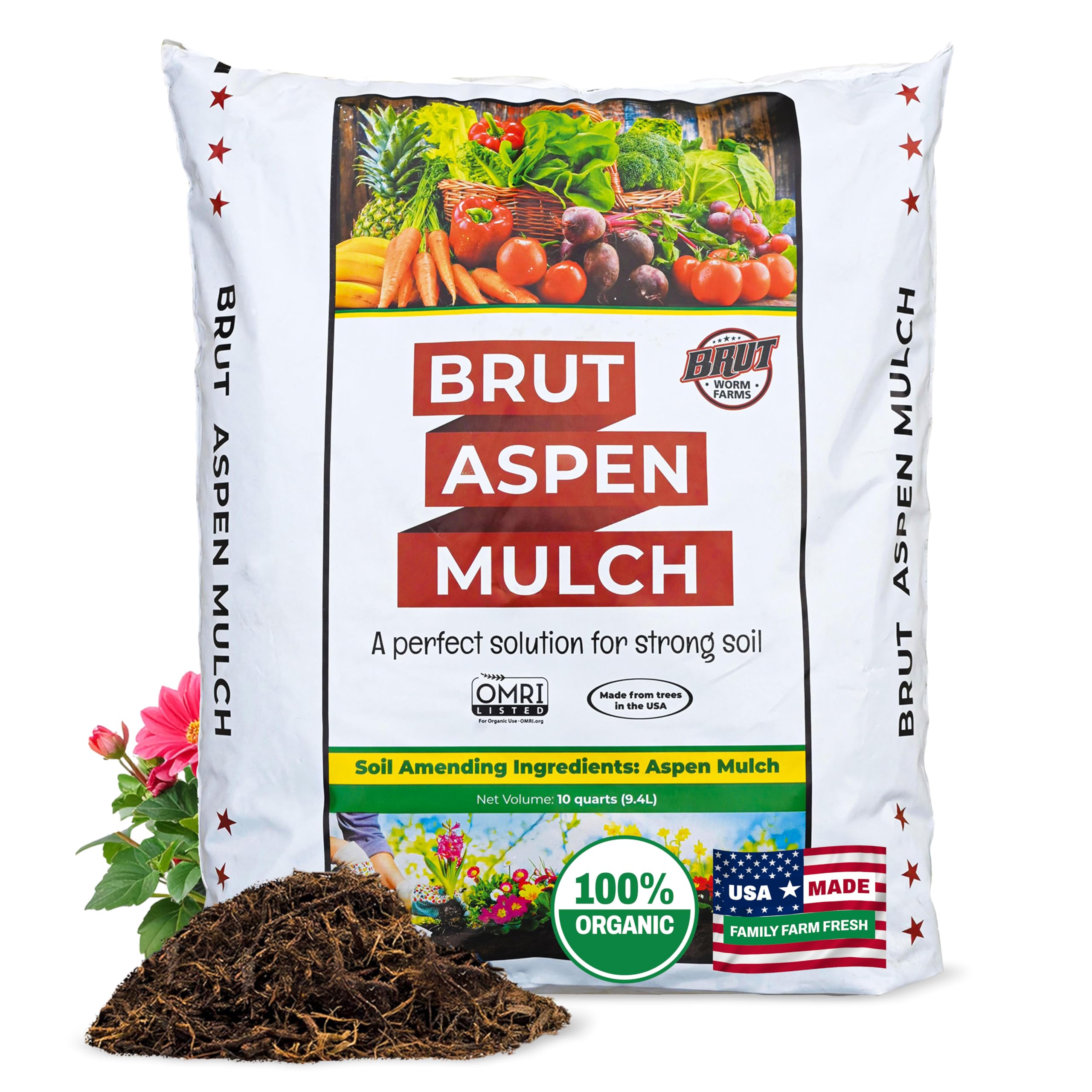
This aspen bark mulch stands out for its OMRI certification and exceptionally clean composition—no rubber, no synthetic dyes, and no detectable odor. The 30% natural carbon content feeds beneficial soil microbes that break down organic matter into plant-available nutrients, a direct benefit for citrus trees that rely on a healthy rhizosphere. The fine texture spreads easily under the drip line and integrates well when top-dressed over existing soil.
Customer reports consistently highlight its moisture-retaining properties. One reviewer with a newly planted tree described it as “top quality,” while another noted it reduced watering frequency by half for container herbs and tomatoes. The bag’s 10-quart volume is ideal for a single large pot or several small ones, and the lightweight bark makes application simple even for less experienced gardeners.
The main drawback is the quantity-to-cost ratio. A few buyers felt the bag appeared smaller than the advertised 10 quarts of volume. If you’re covering a large in-ground grove, you’ll need multiple bags—but for targeted use around a few prized citrus trees, the organic certification and microbial support make it a solid value choice.
What works
- OMRI-listed for certified organic gardening
- 30% carbon content boosts soil microbe activity
- Odor-free and lightweight for easy handling
What doesn’t
- Perceived volume may be less than advertised
- Not cost-effective for large-scale ground coverage
3. Plantonix Organic Coco Chips (10lbs)

Coconut husk chips excel in two areas citrus trees desperately need: aeration and moisture regulation. The Plantonix offering expands to 15 gallons from a compressed 10-pound block, absorbing up to 10 times its weight in water. For citrus planted in hot, dry climates, this means fewer irrigation cycles and less stress on shallow feeder roots. The neutral pH (5.8–6.2) prevents nutrient lock-up, and the high cation exchange capacity holds onto magnesium and calcium—two micronutrients citrus demands for fruit production.
Reviewers appreciate the chip size consistency and low dust levels compared to powdered coir. Many mix these chips with finer coco coir or perlite for container citrus, reporting healthier root systems and better drainage than traditional bark mixes. The brick format also saves storage space and ships efficiently, though it requires a bucket of warm water and a few hours to fully hydrate before use.
One important caveat: unbuffered coco chips can absorb calcium and magnesium from the root zone, potentially causing deficiencies if you don’t supplement. The Plantonix product is buffered, but it’s worth confirming with each batch. For gardeners already using a citrus-specific fertilizer, this risk is minimal, and the 15-gallon yield offers exceptional coverage for the price.
What works
- Absorbs 10x weight in water—cuts watering frequency dramatically
- Neutral pH prevents citrus nutrient lock-up
- High CEC retains calcium and magnesium
What doesn’t
- Requires hydration and expansion before use
- Unbuffered batches may compete for calcium/magnesium
4. Back to the Roots 100% Organic Coco Mulch
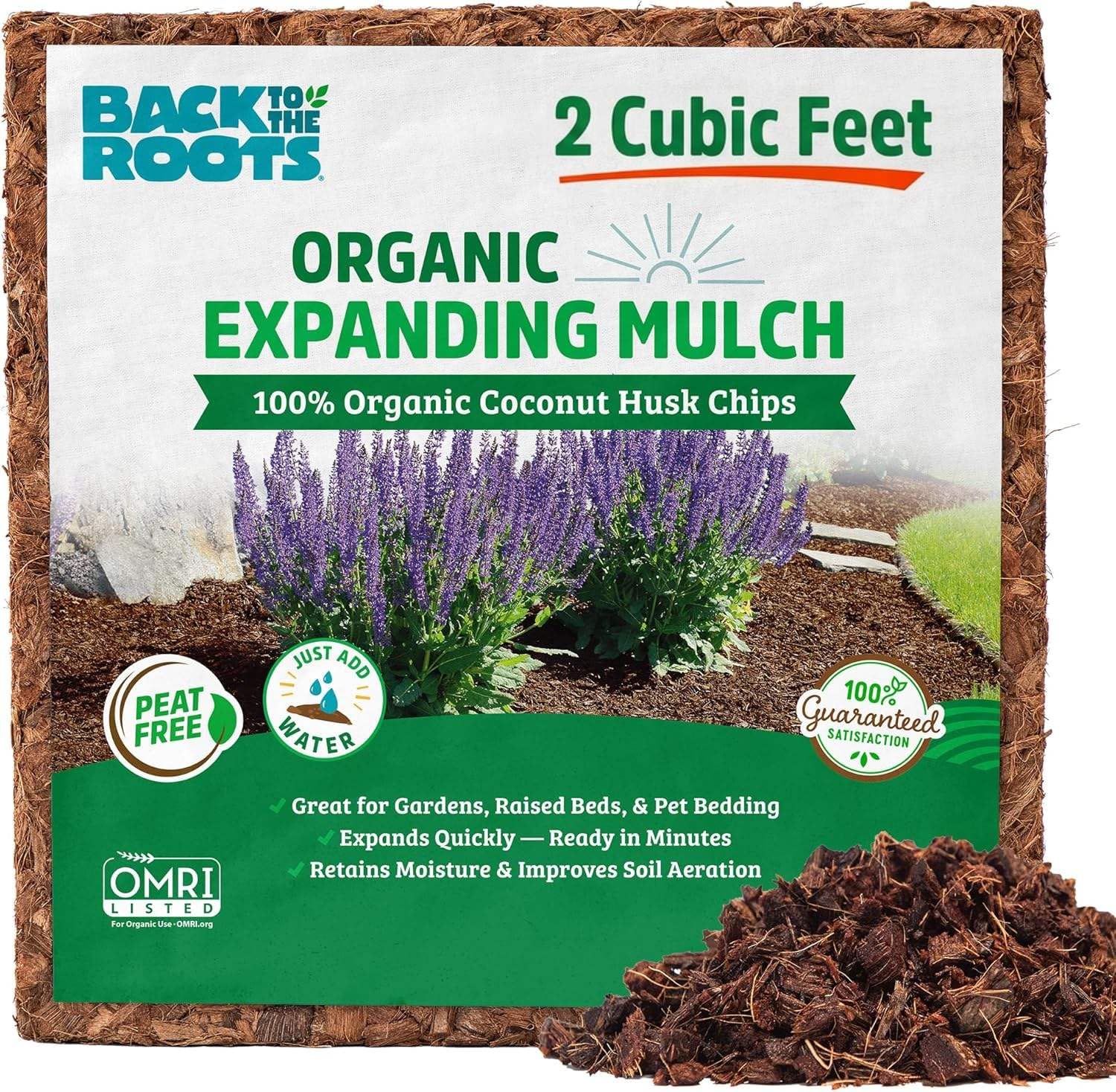
Back to the Roots has refined the compressed coconut husk concept into a 2-cubic-foot block that expands to fill a wheelbarrow three-quarters full after a quick soak. This format is ideal for larger citrus beds or small groves where you need substantial coverage without hauling dozens of bags. The OMRI-listed organic certification and peat-free formulation align with sustainable citrus cultivation practices.
Multiple verified buyers raved about the labor-saving aspect: one reviewer noted it “saved my back from carrying a heavy bag of mulch.” The expanded material has a uniform, bark-like texture that looks natural in garden beds and resists blowing away even in moderate wind. Users applying it to raised vegetable beds and citrus containers reported excellent weed suppression and improved soil texture after tilling the decomposed remnants into the top layer.
Because the block is compressed, you need to plan ahead—proper hydration takes 30–60 minutes in a large tub or wheelbarrow. Some first-time users underestimated the expansion ratio and ended up with far more mulch than expected. The 100% satisfaction guarantee provides peace of mind, though the packaging’s unit count (16 ounces dry) can be confusing when comparing directly to pre-expanded products.
What works
- Expands to 2 cubic feet from a compact, easy-to-store block
- Peat-free and OMRI-listed for organic certification
- Lightweight before hydration—easy transport and handling
What doesn’t
- Requires advance soaking and a large container
- Expansion ratio may surprise first-time users
5. Garden Elements 100% Natural Cocoa Bean Shell Mulch

This cocoa bean shell mulch delivers the most distinctive sensory experience on the list—a rich, natural chocolate aroma that transforms a citrus bed into a fragrant garden feature. Beyond the scent, the shells offer genuine agronomic benefits: an NPK value of 2.5-1-3 provides a mild nutrient boost, and the pH of 5.8 aligns perfectly with the acidic soil citrus requires. The dark brown color resists fading and looks polished in ornamental beds.
Long-time users praise its weed suppression and ability to blend into the soil ecosystem as it decays over roughly 12 months. One 5-year veteran of cocoa mulch noted it “blends well, eventually enriches soil, effective weed control, attractive for garden pathways.” The lightweight shells spread easily and stay in place once watered, forming a natural interlocking mat that resists wind displacement.
The non-negotiable downside is pet safety: theobromine and caffeine make this mulch toxic to dogs if ingested, and the chocolate scent can attract curious canines. Additionally, some humid climates trigger white mold growth on the surface (harmless but unsightly). For pet-free households, these factors are manageable. For homes with dogs, choose an alternative like pine bark or aspen.
What works
- NPK 2.5-1-3 with pH 5.8—mild citrus-friendly nutrition
- Rich chocolate scent and fade-resistant dark color
- Stays in place well after initial watering
What doesn’t
- Toxic to dogs (theobromine and caffeine)
- White mold may appear in humid/wet conditions
6. HealthiStraw GardenStraw All-Natural Mulch
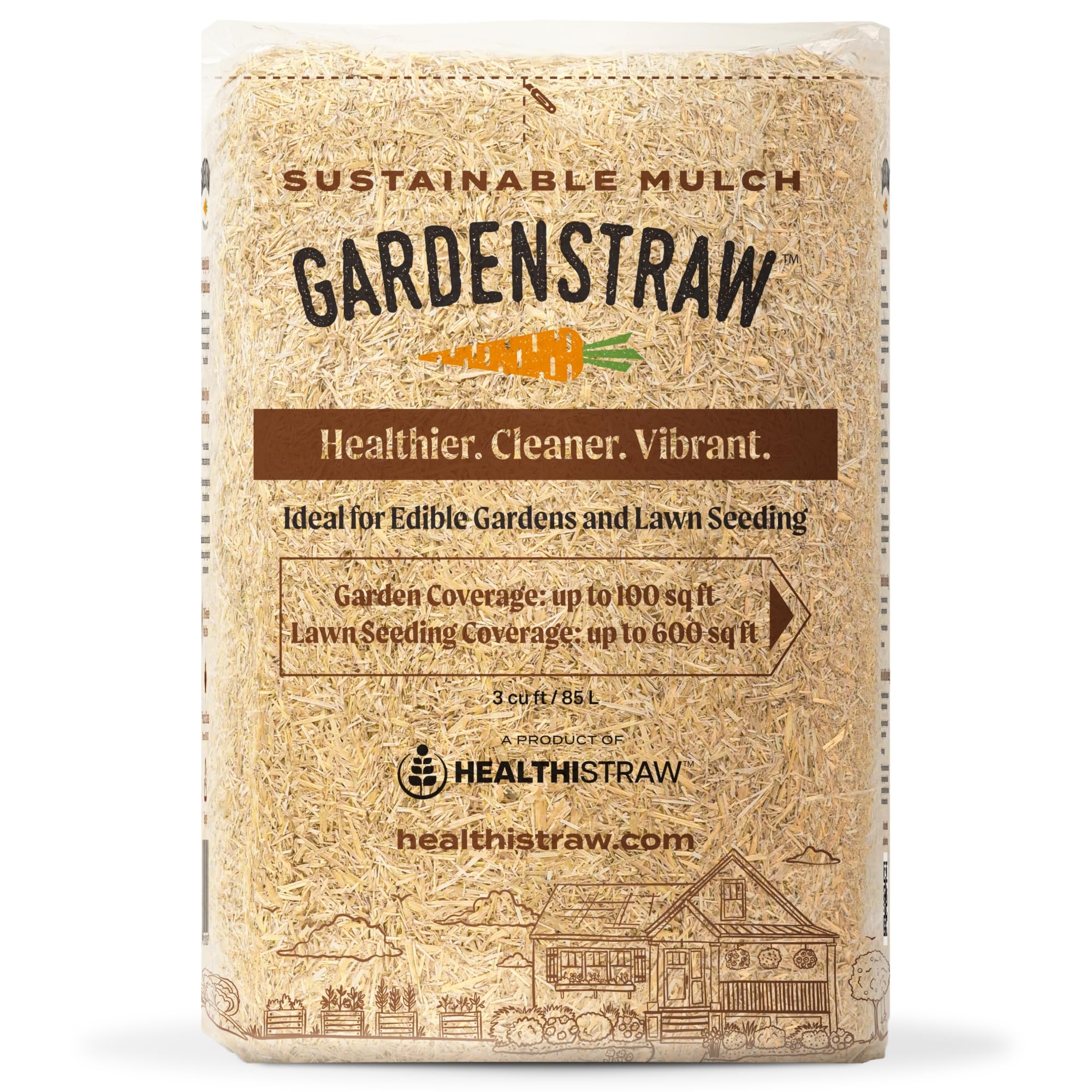
Wheat straw occupies a specific niche in citrus care: it’s the best option when you need to cover large areas quickly and intend to till the organic matter back into the soil after one season. The HealthiStraw product is specially cleaned to minimize weed seeds—a common pain point with generic straw bales. The 3-cubic-foot compressed bale covers up to 100 square feet at a 2–3 inch layer, making it the most cost-effective choice for mulching around a small citrus grove or multiple raised beds.
The straw fibers interlock when watered, staying put even in moderate wind and rain without chemical binders. Gardeners appreciate that it breaks down relatively fast (3–6 months), returning carbon to the soil and improving tilth. One reviewer with a strawberry patch used it to keep fruit clean and cool, while another noted it “holds off weeds and prolongs moisture” effectively. The heat-treated processing also eliminates most fungal spores, a plus for citrus trees prone to root diseases.
If your citrus trees are in a highly manicured landscape, the tan color may look less refined than dark bark or cocoa shells. For functional, large-scale coverage with compost-friendly decay, this is the most practical option.
What works
- Covers 100 sq ft per bale—best for large areas
- Low seed count compared to standard straw
- Interlocking fibers resist wind displacement
What doesn’t
- Some grass seeds may still germinate in wet conditions
- Decomposes in 3–6 months, requiring frequent replenishment
7. Hull Farm Cocoa Bean Shell Mulch (50150)

Hull Farm’s cocoa shell mulch offers the same chocolate-scented appeal as Garden Elements but in a package that has been a reliable staple in the gardening community since 2012. The approximate NPK of 2.5-1-3 matches the Garden Elements formulation, and the pH is similarly acidic at 5.8. The shells are heat-dried during processing, which reduces the risk of mold compared to some raw cocoa products.
Customer feedback reveals a split between those who love the smell (calling it “heavenly”) and those who find the initial aroma overwhelming. The scent fades after about a week, which some users consider a drawback. One smart application mentioned by a buyer: using it to deter squirrels from digging in planters, since the critters seem less attracted to cocoa than to pecan shells. The shells also resist blowing away more effectively than expected for such lightweight material.
The same pet toxicity warning applies as with all cocoa mulches—keep this away from dogs. A few buyers also noted the chocolate aroma attracted neighborhood rodents overnight if bags were left open, so storage requires a sealed container. For ornamental citrus beds in a pet-free, secure garden, this product delivers the same nutrient and moisture benefits as its premium cousin at a comparable price point.
What works
- Approximate NPK 2.5-1-3 supports soil fertility
- Strong chocolate scent deters some digging pests
- Resists wind displacement after watering
What doesn’t
- Toxic to dogs (theobromine and caffeine content)
- Chocolate scent fades within the first week
Hardware & Specs Guide
Material & pH Impact
Pine bark and cocoa shells naturally acidify soil over time, making them ideal for citrus that prefers a pH of 5.5–6.5. Coconut husk chips maintain a neutral pH around 6.0 and require less monitoring. Hardwood mulches should be avoided—their alkaline drift can push citrus past 7.0, triggering iron chlorosis.
Water Retention & CEC
Coconut coir chips lead the category in water-holding capacity (up to 10x dry weight) and cation exchange capacity (CEC), which helps retain magnesium and calcium. Aspen and pine bark offer moderate retention (3–5x dry weight) with faster drainage—safer for clay soils or overwater-prone growers. Wheat straw minimizes evaporation but must be monitored for matting.
FAQ
Is cocoa shell mulch safe to use around citrus trees if I have dogs?
How thick should I apply mulch around a mature orange tree?
Will pine bark mulch lower the pH around my citrus tree too much?
Final Thoughts: The Verdict
For most gardeners, the mulch for citrus trees winner is the Soil Sunrise Pine Bark Mulch because it combines the acidic chemistry citrus demands with an ideal chip size for container and in-ground use. If you want the highest water retention with minimal weight, grab the Plantonix Coco Chips. And for large-scale grove coverage with compost-friendly decay, nothing beats the HealthiStraw GardenStraw.