
Citronella plants are surprisingly picky about their footing. A mix that holds too much moisture leads straight to root rot, while one that drains too fast leaves the plant struggling to take up nutrients. The ideal blend balances water retention with rapid drainage and leans slightly acidic, mimicking the plant’s native tropical conditions.
I’m Rikta — the co-founder and writer behind Lawn Gear Lab. My approach to this guide was to dig into the horticultural specifications of each mix, cross-reference owner feedback on drainage rates and ingredient composition, and identify which bags deliver the precise texture and pH range citronella requires to thrive.
After analyzing dozens of bags, these seven mixes earned their spot for their drainage speed, aeration, and nutrient profile. This guide breaks down exactly how to select the right soil for citronella plant without guesswork.
How To Choose The Best Soil For Citronella Plant
Citronella is a heavy feeder that hates wet feet. The wrong soil will either rot the roots or starve the plant. Here are the critical specs to check before you buy.
Drainage and Aeration
Citronella roots need oxygen. A mix that compacts after watering suffocates the plant and invites fungal disease. Look for chunky ingredients like perlite, pumice, or pine bark. These create air pockets that let water flow through quickly while keeping the root zone breathable. Avoid dense garden soil or mixes heavy in clay.
pH Preference
Citronella performs best in slightly acidic soil with a pH between 5.5 and 6.5. In alkaline conditions, the plant struggles to absorb iron and manganese, leading to yellowing leaves. A mix containing peat moss naturally lowers pH, while added gypsum or lime can buffer it toward neutral. Check the bag for pH information or be prepared to test and amend.
Ingredient Quality
Not all organic matter is equal. Coco coir retains moisture without compacting, worm castings provide slow-release nutrients, and perlite ensures drainage. Some budget mixes use low-grade bark fines that break down too fast, turning into mud within a season. Prioritize blends with recognizable, structured ingredients.
Quick Comparison
On smaller screens, swipe sideways to see the full table.
| Model | Category | Best For | Key Spec | Amazon |
|---|---|---|---|---|
| DUSPRO 7-in-1 | Premium Mix | Balanced all-in-one | 7 ingredients including pumice & gypsum | Amazon |
| Perfect Plants Snake Plant | Mid-Range | Fast drainage for sensitive roots | Coco coir, perlite, pine bark, sand | Amazon |
| Rosy Soil Cactus | Premium | Peat-free with microbes | Living microbes & worm castings | Amazon |
| Avalution 9QT | Mid-Range | Large volume at fair value | 55% coco coir, rice hull charcoal | Amazon |
| Jessi Mae Potting Soil | Premium | Slightly acidic for foliage plants | Organic, slightly acidic formula | Amazon |
| Midwest Hearth Premium | Premium | Professional-grade balanced mix | Peat moss, perlite, vermiculite | Amazon |
| Miracle-Gro Cactus & Citrus | Budget Pick | Multi-pack for large containers | Fast-draining cactus formula | Amazon |
In‑Depth Reviews
1. DUSPRO 2QRT Pre-Mixed House Plant Soil Aroid Potting Mix
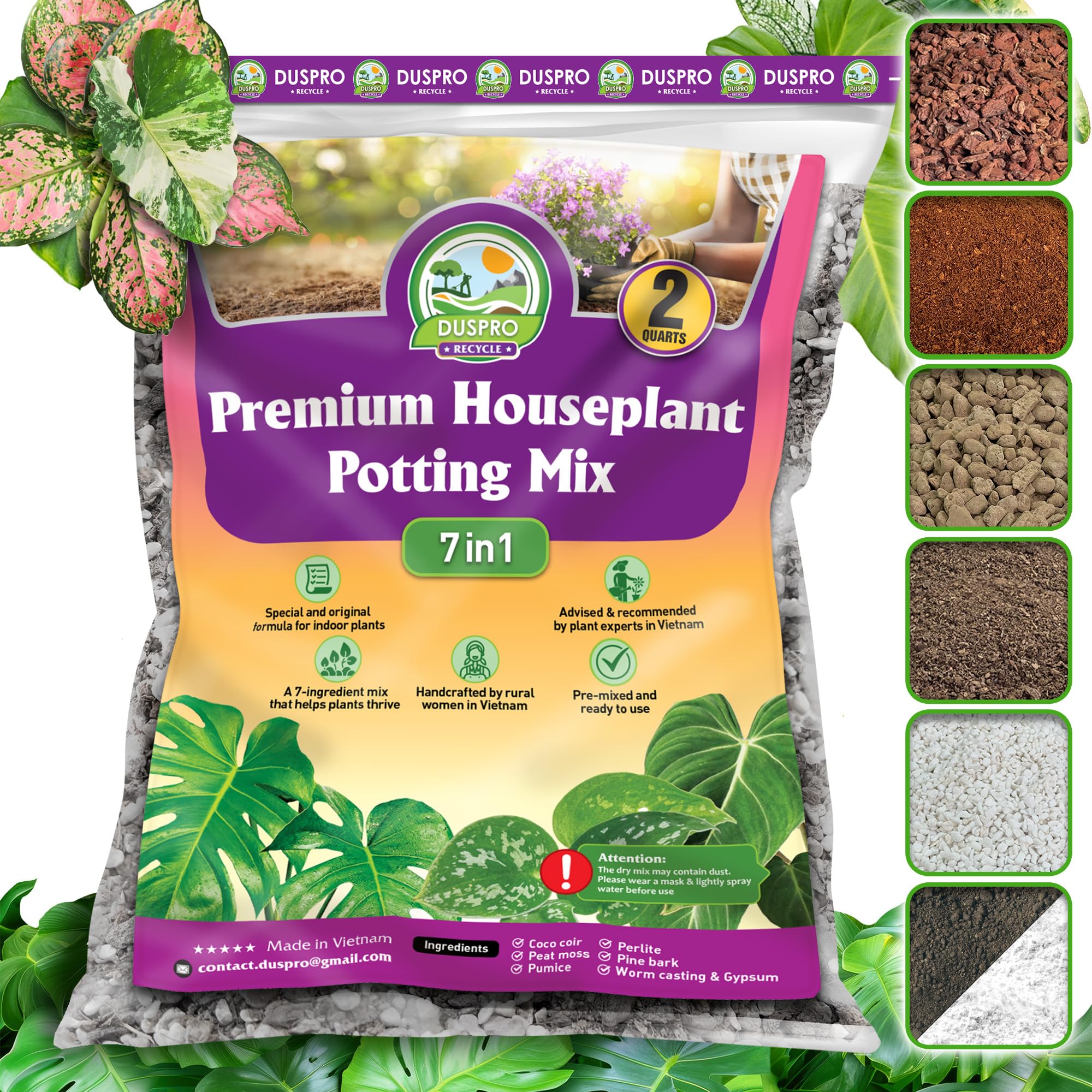
This mix brings together seven ingredients — coco coir, peat moss, perlite, pumice, worm castings, pine bark, and gypsum — giving citronella a textured, fluffy medium that holds just enough moisture while draining excess rapidly. The presence of pumice sets it apart from standard peat-perlite blends, adding a grittier structure that resists compaction over time.
Gypsum in the formula helps buffer pH and supplies calcium, which citronella uses for strong cell wall development. Owner reports note excellent results with tropical foliage plants, with roots showing new growth within weeks and no signs of mold or mildew even after months of use. The mix is dusty when dry, but a light mist before potting solves that.
Available in sizes from 1 quart to 20 quarts, this bag scales well for both single pots and larger container gardens. The hand-crafted consistency means each batch is uniform, so you get the same chunky texture bag after bag.
What works
- Exceptional aeration from pumice and pine bark
- Gypsum supports pH stability and mineral nutrition
- Versatile across many plant types beyond citronella
What doesn’t
- Dusty until moistened
- Small bag sizes sell out quickly
2. Perfect Plants Organic Snake Plant Soil

Blended specifically for drought-tolerant plants, this mix uses coco coir, pine bark chips, perlite, and sand to create a fast-draining substrate ideal for citronella grown in containers. The sand adds mineral weight that helps keep pots stable while contributing to the gritty texture citronella roots appreciate.
The formula contains no slow-release fertilizer, giving you full control over feeding. This is a strong advantage if you prefer to tailor nutrient timing for your citronella. Owners consistently report that snake plants and other fleshy-rooted species thrive in this mix, and the same rapid drainage applies to citronella.
Packaged in a heavy-duty resealable bag, the 4-quart size is practical for repotting a few plants. The price per quart is on the higher side compared to commodity mixes, but the ingredient quality justifies the cost for smaller projects.
What works
- Sand and pine bark create a robust draining structure
- No added fertilizer allows custom feeding schedules
- Resealable bag keeps unused mix fresh
What doesn’t
- Cost per quart is higher than bulk alternatives
- Small bag size limits large container projects
3. Rosy Soil Cactus Soil – Organic Succulent Potting Mix
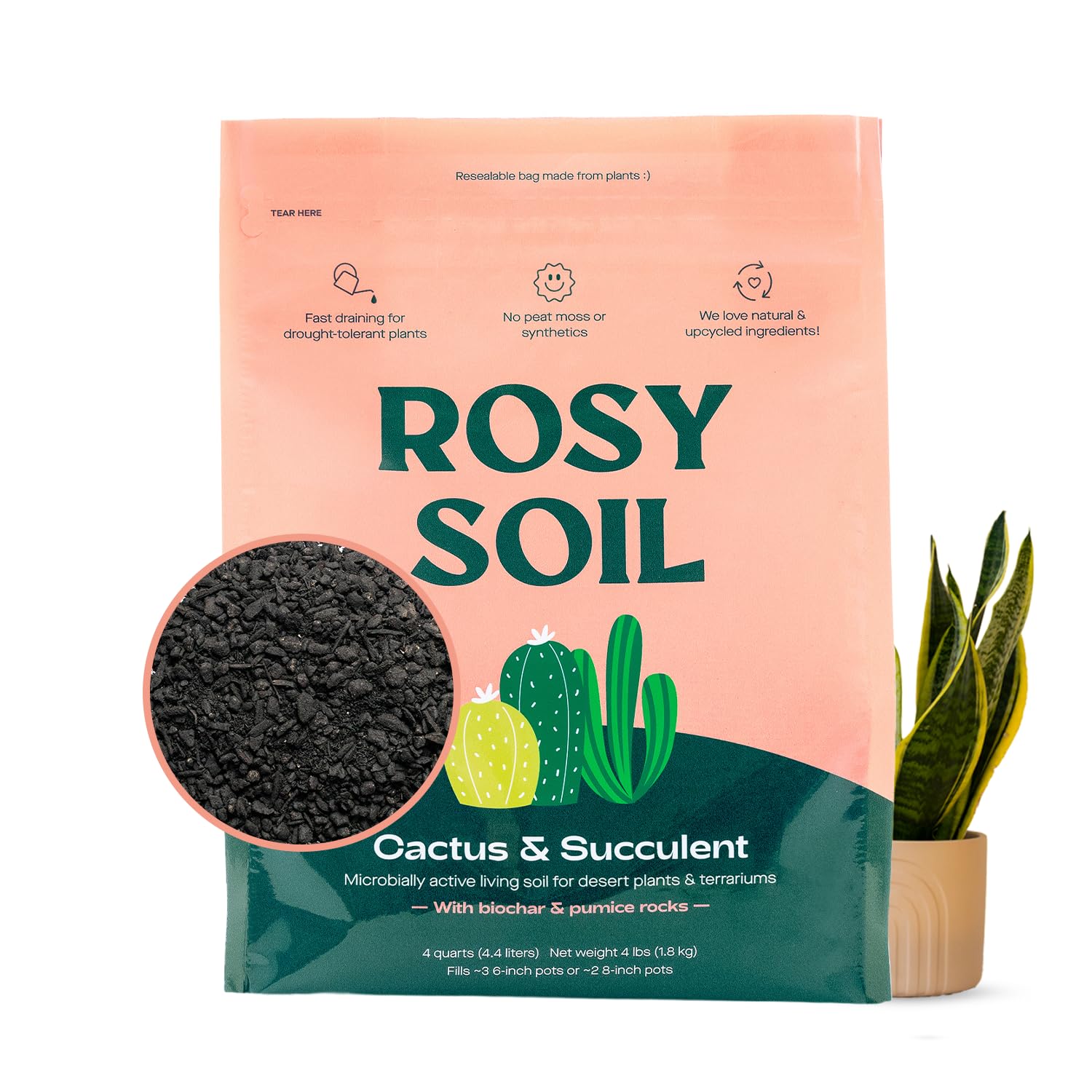
Rosy Soil skips peat moss entirely, which makes this mix drain faster than conventional potting soils while being more environmentally sustainable. The chunky texture stays airy for months without compacting, and the inclusion of beneficial fungi and microorganisms creates a living soil ecosystem that feeds citronella roots organically.
Worm castings provide a steady supply of micronutrients without the risk of synthetic fertilizer burn. Citronella, being a moderate to heavy feeder, responds well to this slow-release organic base. Owners note that plants show steady leaf expansion and richer green coloration after switching to this mix.
The resealable 4-quart bag is plastic-neutral and includes clear instructions printed on the packaging. It fills 2-3 standard pots, making it a good choice for those with a few citronella plants rather than a large bed.
What works
- Peat-free design drains exceptionally well
- Live microbes and castings reduce synthetic fertilizer need
- Sustainable packaging with clear planting guidance
What doesn’t
- Some users add extra perlite for extremely gritty preferences
- Bag seal can be tricky to close fully
5. Jessi Mae Potting Soil – Slightly Acidic Organic Mix

Jessi Mae’s formula is hand-mixed in small batches and formulated to be slightly acidic, which aligns perfectly with citronella’s preferred pH range of 5.5 to 6.5. The light, fluffy texture comes from a careful balance of organic materials and perlite, improving air circulation around the root zone and reducing the risk of root rot.
The soil is free of synthetic chemicals, supporting organic growing practices. Owners report that peace lilies and snake plants — both of which share similar soil preferences with citronella — show noticeable improvement after repotting. The mix has a mild organic smell upon opening that fades within a day or two.
The 4-quart bag is smaller than it appears in photos, but the quality per quart is high. For growers who need precise pH control without having to amend bagged soil, this mix is a turnkey solution.
What works
- Pre-balanced for slightly acidic conditions citronella needs
- Hand-mixed consistency delivers uniform texture
- Organic and chemical-free for clean growing
What doesn’t
- Bag size is smaller than some competing 4-quart options
- Organic smell can be strong initially
7. Midwest Hearth Premium Potting Soil Mix

This mix uses the same formulation as professional growers, combining peat moss, perlite, and vermiculite for balanced moisture retention and drainage. The pH is controlled during manufacturing, which removes the guesswork for citronella growers who need consistent acidity without testing each batch.
The 8-quart bag offers double the volume of most specialty mixes while maintaining premium-grade ingredient quality. Owners highlight the light, fluffy texture that stays loose around roots and the absence of weeds or pests. It works well for both seed starting and mature container plants.
Some users note that the soil needs to be pre-moistened before use because the peat content can be hydrophobic when dry. Once hydrated, it holds moisture evenly while perlite and vermiculite ensure excess water still drains freely.
What works
- pH-balanced for broad plant compatibility including citronella
- Large 8-quart bag provides excellent value per quart
- Premium peat-perlite-vermiculite blend for balanced aeration
What doesn’t
- Needs pre-moistening to avoid hydrophobic dry spots
- Not as chunky as some specialty cactus mixes
3. Avalution 9QT Potting Soil Mix for Indoor Plants
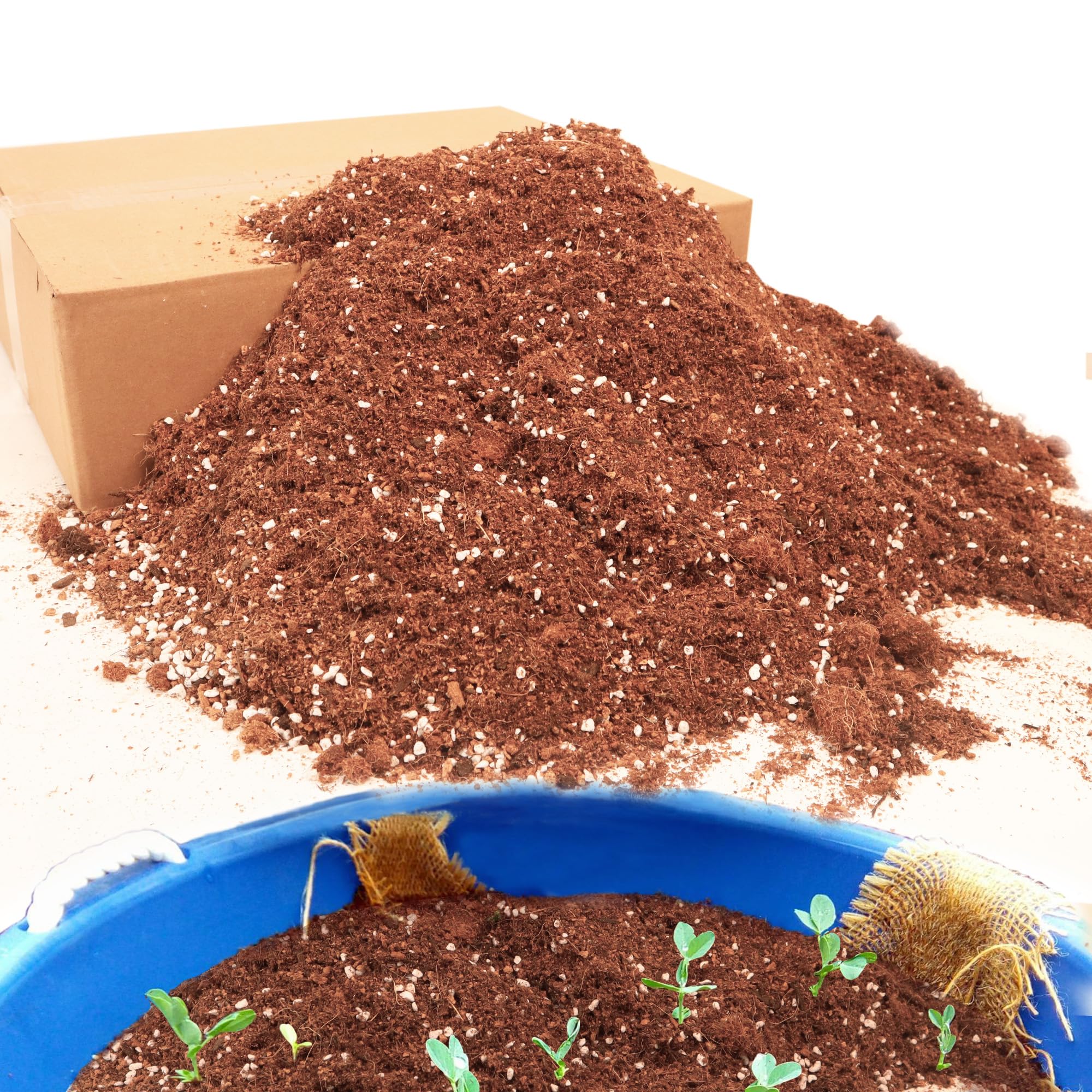
Avalution’s blend uses 55% coconut coir fiber as its base, supplemented with peat moss, perlite, vermiculite, and rice hull charcoal. The high coco coir content gives this mix excellent water retention without becoming waterlogged, which is useful for citronella in dry indoor environments.
Rice hull charcoal is an unusual inclusion that provides porosity, helps adsorb impurities, and slowly releases silica — a trace element that strengthens plant cell walls. Owners consistently report that leafy plants look revitalized within days of repotting, with improved turgor and color.
At 9 quarts, this bag offers solid volume for the price, making it a practical choice for multiple pots or larger containers. The lightweight texture is easy to handle, though the high coir content means it can stay damp longer than a chunkier mix, so adjust watering accordingly.
What works
- Large 9-quart bag at a competitive volume
- Rice hull charcoal adds unique porosity and silica
- Light, fluffy texture easy to work with
What doesn’t
- High coco coir content may retain moisture too long for some growers
- Not as chunky as mixes designed specifically for succulents
7. Miracle-Gro Cactus, Palm and Citrus Potting Mix

Miracle-Gro’s cactus, palm, and citrus mix is formulated for fast drainage, making it a safe foundation for citronella that dislikes soggy soil. The 3-pack provides 24 total quarts, enough to fill multiple containers or handle a season of repotting without running out.
The mix is enriched with Miracle-Gro plant food, which provides a mild initial nutrient boost. Some growers find this convenient, while others prefer to blend it with additional perlite or a standard potting mix to reduce the nutrient concentration. Owners frequently mix it 50/50 with general-purpose potting soil for a balanced medium.
While it is the most recognizable brand on this list, the texture is less chunky than specialty blends from smaller producers. For growers on a budget who need volume, this 3-pack offers good coverage, but expect to amend it with extra perlite or pumice for optimal citronella performance.
What works
- Excellent drainage out of the bag for sensitive roots
- 3-pack provides substantial volume for multiple pots
- Readily available and consistent formulation
What doesn’t
- Less chunky than premium specialty mixes
- Pre-added fertilizer limits feeding control
Hardware & Specs Guide
Drainage and Aeration
Citronella requires a mix that allows water to flow through rapidly while retaining enough moisture between waterings. The ideal blend uses chunky inorganic components — perlite, pumice, or coarse sand — to create air spaces. These particles prevent the soil from compacting, ensuring roots have continuous access to oxygen. Soil that stays wet for more than three days after watering is likely too dense for citronella.
pH and Nutrient Balance
A pH range of 5.5 to 6.5 is critical for citronella to absorb iron, manganese, and other micronutrients. Peat moss naturally acidifies the mix, while materials like lime or gypsum buffer it upward. Citronella is a moderate feeder: worm castings or a balanced slow-release fertilizer support steady leaf growth without the risk of salt buildup that can occur with synthetic fast-release formulas.
FAQ
Can I use regular garden soil for citronella in pots?
How often should I water citronella in a well-draining mix?
Should I add perlite to a commercial potting mix for citronella?
Final Thoughts: The Verdict
For most gardeners, the soil for citronella plant winner is the DUSPRO 7-in-1 because its pumice-gypsum-perlite blend delivers the aeration and pH buffering citronella needs without requiring additional amendments. If you want a peat-free option with living microbes, grab the Rosy Soil Cactus Mix. And for large-scale potting on a budget, nothing beats the sheer volume of the Miracle-Gro Cactus 3-Pack when boosted with extra perlite.