
The difference between a garden that merely survives and one that explodes with produce often comes down to what you feed the soil, not the plant itself. Raw, fresh manure burns roots and introduces weed seeds, while properly processed manure feeds the soil biology, builds humus, and releases nutrients on a schedule your vegetables actually understand.
I’m Rikta — the co-founder and writer behind Lawn Gear Lab. I’ve spent countless hours comparing NPK ratios, analyzing particle sizes, sifting through verified owner feedback, and researching how different manure sources (poultry, cow, worm) affect soil texture and microbial activity across raised beds, container gardens, and in-ground plots.
Whether you’re amending clay soil, feeding heavy feeders like tomatoes, or building organic matter without the odor, this guide breaks down the top performers. After thorough research we have identified the best manure for garden use based on nutrient profile, form, and specific growing scenarios.
How To Choose The Best Manure For Garden
The right manure amendment depends on your soil type, the crops you grow, and how much time you have before planting. Understanding a few key factors will save you from stunted growth, weed invasions, or the smell lingering for weeks.
NPK Ratio and Nutrient Release
Poultry manure (like in Hoffman and Sustane) typically runs higher in nitrogen, which fuels leafy growth but can burn seedlings if applied fresh. Cow manure (Black Kow) offers a more balanced, lower-NPK option perfect for general soil conditioning. Worm castings provide gentle, slow-release nutrients with a rich microbial load, making them the safest choice for direct contact with roots.
Form: Pelletized vs. Granular vs. Powder
Pelletized manures (Hoffman, Espoma) are easy to spread evenly, less dusty, and break down over weeks. Granular cow manure (Black Kow) works well mixed into soil at planting time. Powdered worm castings (Harris) integrate smoothly into potting mixes or can be brewed into compost tea, but require careful handling to avoid airborne dust.
Composted vs. Raw and the Burn Factor
All effective garden manures are composted or dehydrated to kill pathogens and weed seeds. A product labeled “composted” (Black Kow, Coast of Maine blend) has already been aged to a stable, non-burning state. Dehydrated poultry manure (Hoffman) is safe if you follow the rate guidelines, but over-application can still cause nitrogen burn due to its higher concentration.
Quick Comparison
On smaller screens, swipe sideways to see the full table.
| Model | Category | Best For | Key Spec | Amazon |
|---|---|---|---|---|
| Harris Worm Castings | Worm Castings | Houseplants & Soil Tea | NPK 1-0-0 (trace minerals) | Amazon |
| Sustane All Natural | Poultry Manure | Heavy-feeding beds | NPK 4-6-4 (poultry based) | Amazon |
| Espoma Garden-tone | Organic Blend | Monthly feeding | NPK 3-4-4 (Bio-tone formula) | Amazon |
| Black Kow Cow Manure | Cow Manure | Soil conditioning | NPK 1-1-1 (composted) | Amazon |
| Back to the Roots Worm Castings | Worm Castings | Seedlings & gentle amendment | NPK 1-0-0 (pure vermicompost) | Amazon |
| Hoffman Dehydrated Super Manure | Poultry Pellets | Container gardens & earthworm boost | NPK 4-2-3 (poultry) | Amazon |
| Coast of Maine Tomato Soil | Compost Blend | In-ground tomatoes & raised beds | Composted manure + peat mix | Amazon |
In‑Depth Reviews
1. Harris Worm Castings Organic Fertilizer
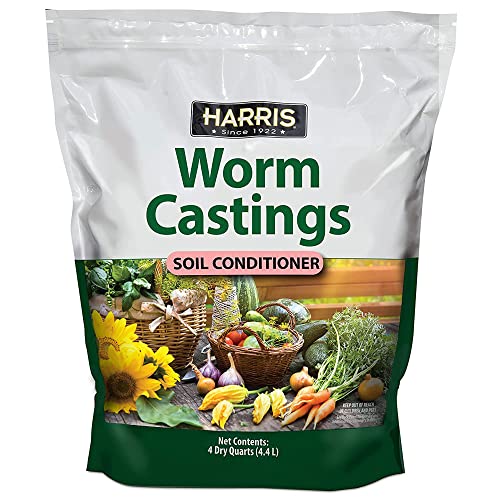
Harris Worm Castings deliver a concentrated microbial boost in a fine, dark powder that integrates seamlessly into potting soil or can be steeped into earthworm tea. Users report dramatic improvement in repotted houseplants and tower gardens within weeks, benefiting from its high organic matter content and ability to retain moisture without becoming waterlogged.
The 4-quart bag provides a lot of material for the size, and the powder mixes at a 1:7 ratio with water for liquid feeding or can be blended directly into the root zone at transplant. The deep, earthy color and slight moisture indicate freshness, and the absence of odor makes it suitable for indoor use year-round.
Some gardeners noted the box suffered shipping damage, though the double-bagged interior kept the product intact. The powder can be dusty during handling, so a mask is recommended when mixing large batches. The trace mineral profile — including nitrates, potassium, magnesium, calcium, and phosphorus — supports flowering and fruiting without the burn risk of synthetic fertilizers.
What works
- Powder form dissolves easily for compost tea
- No odor, safe for indoor houseplant use
- Retains moisture while improving drainage
What doesn’t
- Fine dust can be messy without a mask
- Shipping box is fragile; product bag may arrive dented
2. Sustane All Natural Flower and Vegetable Plant Food

Sustane’s pelleted chicken manure formulation delivers a well-rounded NPK of 4-6-4 that independent research has shown produces more fruits and blooms than many synthetic alternatives. Gardeners using it in raised beds mixed with perlite, compost, and coconut coir observed vegetables growing at a “breakneck pace,” with just half a cup per 2’x6’ bed incorporated into the top six inches of soil.
The granules are easy to broadcast and break down steadily over the growing season, feeding soil microbes and improving overall soil structure. Users have successfully used it to regrow onion ends and leek scraps in water, and it performed exceptionally in wicking tub containers for tomatoes in 5- and 20-gallon setups.
A few reviewers noted that the nitrogen punch is significant, so careful measurement is required for seedlings or shallow-rooted plants. The 5-pound bag covers about 80 square feet at the recommended rate, making it a good mid-project option for dedicated vegetable plots rather than large acreage applications.
What works
- High NPK supports heavy fruiting and flowering
- Pellet form spreads easily without dust
- Visible growth response within 10 days
What doesn’t
- Too strong for direct seed contact without dilution
- Small bag size may require multiple units for large gardens
3. Espoma Organic Garden-tone 3-4-4

Espoma Garden-tone is a time-tested organic blend with an NPK of 3-4-4 that works across cool-season greens and warm-season crops like tomatoes, peppers, and squash. The addition of 5% calcium specifically benefits fruiting plants prone to blossom end rot, and the Bio-tone formula enhances microbial activity in the root zone.
The pack of two 4-pound bags offers excellent coverage for the home gardener who plants multiple beds or a large container garden. Users report that it’s very forgiving — you can over-apply slightly without burning roots — and that monthly top-dressing throughout the season produces consistently lush growth and heavy harvests.
The granules do have a noticeable organic smell, typical of feather meal and bone meal-based fertilizers, which fades after watering. Some early-season applications can feel a bit “hot” if the soil is dry, so watering it in thoroughly after spreading is essential. Many gardeners consider Espoma their long-term go-to for this precise, well-tested blend.
What works
- Forgiving formula resists burn even with slight over-application
- Pack of two provides great coverage per dollar
- High calcium content prevents blossom end rot in tomatoes
What doesn’t
- Odor can be strong if not immediately watered in
- Monthly reapplication needed; not a single-season slow-release
4. Black Kow Nitrogen Phosphate Composted Cow Manure

Black Kow cow manure is fully composted and aged, making it one of the safest amendments for direct incorporation into planting holes. It provides moisture-holding capacity to sandy soils and aeration to heavy clay, while the millions of beneficial bacteria it contains help convert nutrients into plant-available forms.
Gardeners consistently praise it for improving flower beds, fruit trees, and vegetable patches. The granular texture pours easily into holes and mixes evenly with existing soil. Users note that while the smell is undeniably earthy and slightly strong, it dissipates quickly once worked into the ground.
The 8-quart bag is sized for targeted applications — a few scoops per planting hole or a thin top-dress over a small raised bed. For larger gardens, the bag size may feel limiting, and some reviewers mention that the product is relatively expensive per volume compared to bulk composted manure from landscape suppliers. Still, the consistent quality and lack of weed seeds make it a reliable choice for focused projects.
What works
- Composted and aged — no risk of burning plants
- Improves both sandy and clay soil structure
- Beneficial bacteria boost natural nutrient cycling
What doesn’t
- Strong earthy odor, though temporary
- Bag volume is small for large-scale garden beds
5. Back to the Roots Organic Worm Castings

Back to the Roots worm castings offer pure, USA-sourced vermicompost with a rich texture that blends seamlessly into chunky soil mixes of coco chips, perlite, and charcoal. Unlike some worm castings that arrive bone-dry, this batch maintains a balanced moisture level that supports healthy root development without compacting.
Users report strong results with milkweed for monarchs, vegetable gardens, and houseplants alike. The product is completely odorless and will not burn plants even when used liberally, making it a favorite for seed starting and sensitive transplants. The resealable bag design is a practical touch for ongoing use.
Because worm castings hold a lot of moisture, gardeners with heavy or poorly draining soils should account for that when mixing. Some users noted that the castings can feel slightly clumpy if stored improperly, but breaking them apart by hand is easy. The product comes with a social promise — share your garden photo and the company donates a gardening kit to a school.
What works
- No odor and zero risk of plant burn
- Resealable bag keeps castings fresh between uses
- Excellent for seed starting and seedling nutrition
What doesn’t
- High moisture retention may require adjusted watering in heavy soils
- Granules can clump if bag is not properly resealed
6. Hoffman 20505 Dehydrated Super Manure 4-2-3

Hoffman’s dehydrated poultry manure in pelletized form offers a convenient NPK of 4-2-3 — ideal for leafy greens and early-season nitrogen boosts. The small, low-odor granules are easy to measure: one teaspoon per 6-inch pot and one tablespoon per 12-inch pot, making this an efficient tool for container gardening and limited-space setups.
Users appreciate that a little goes a long way, with plants showing quick absorption and visible growth within days. The product also encourages earthworm activity in the soil, which improves aeration and nutrient cycling over time. The 5-pound bag is compact enough to store on a shelf without taking up much room.
The packaging lacks a snap closure, so you’ll need a clip or a transfer tub to prevent spills. The manure is dusty when poured, and several reviewers recommend wearing a mask during application. Despite these minor inconveniences, its concentrated formula and rapid results make it a reliable workhorse for potted plants and small raised beds.
What works
- Highly concentrated; small amount goes a long way
- Low-odor pellets suitable for indoor potted plants
- Encourages beneficial earthworm activity
What doesn’t
- Bag has no resealable closure — requires storage clip
- Dusty; a mask is recommended when handling
7. Coast of Maine Organic Planting Soil for Vegetables & Tomatoes

Coast of Maine’s planting soil combines composted manure with sphagnum peat moss to create a ready-to-use mix that works for in-ground seeding, transplanting, and topping off raised beds. The 20-quart bag is the largest volume option in this lineup, providing substantial coverage for multiple tomato plants or a modest vegetable patch.
The texture strikes a strong balance between moisture retention and drainage — a critical feature for heirloom tomatoes that rot easily in soggy conditions. Users noted visible growth within days and appreciated the lightweight structure that made handling and distributing the soil easy. The cedar and aromatic wood components in the blend appear to deter some soil pests naturally.
Some bags have been reported to contain fungus gnats, likely from storage conditions, so pre-treatment with neem oil or a short baking period is wise for indoor use. The cost per quart is higher than mixing your own, but the convenience and consistent organic ingredient list appeal to gardeners who value a predictable, ready-to-go medium.
What works
- Large bag size covers several planting holes or a full raised bed
- Excellent drainage for tomatoes and peppers
- Aromatic wood content deters some soil insects
What doesn’t
- Can arrive with fungus gnats; requires treatment before indoor use
- Premium price per quart compared to bulk soil blends
Hardware & Specs Guide
NPK Ratio — The Three Numbers That Matter
Every fertilizer label displays three hyphenated numbers: Nitrogen (N) for leafy growth, Phosphorus (P) for roots and blooms, and Potassium (K) for overall plant health and disease resistance. Manures with NPK around 4-2-3 (poultry-based) are hotter and best for heavy feeders like corn or kale. Balanced ratios like 3-4-4 (Espoma) work for general vegetable and herb care. Low ratios like 1-0-0 (worm castings) are gentle enough for seedlings and houseplants because they feed the soil biology rather than directly force-feeding the plant. Always choose the NPK that matches your crop’s growth stage.
Organic Matter Content and Soil Structure
The primary benefit of manure for garden soil is adding organic matter — the partially decomposed material that improves water retention in sand, creates pore space in clay, and feeds earthworms and microbes. Composted cow manure (Black Kow) typically contains the highest organic matter percentage per volume, while dehydrated poultry products (Hoffman, Sustane) concentrate nutrients but have less bulk organic matter. Worm castings contribute both organic matter and a unique microbial diversity that helps suppress soil pathogens. For pure soil conditioning, prioritize products listing “composted” or “humus” over those that only list the NPK numbers.
FAQ
Can I use fresh cow or chicken manure straight from the farm in my garden?
How do I convert manure application rates between pelletized, granular, and powder forms?
Should I mix manure into the soil or apply it as a top-dress?
Final Thoughts: The Verdict
For most gardeners, the manure for garden winner is the Harris Worm Castings because it delivers gentle, broad-spectrum soil enrichment with no odor, no burn risk, and excellent trace mineral content for everything from seedlings to heavy-feeding tomatoes. If you want a heavy nitrogen punch for fruiting crops, grab the Sustane All Natural. And for low-cost soil conditioning across large beds, nothing beats the Black Kow Composted Cow Manure for its soil-structure benefits and microbial load.