
A cucumber vine that looks lush one morning and collapses into a yellow, wilted mess by the weekend doesn’t fail because of watering or sunlight — it fails because the soil biology couldn’t support the plant’s massive, fast-growing fruit load. Cucumbers are heavy feeders that demand a steady, gentle supply of nitrogen, potassium, and calcium without the risk of burning shallow roots. Choosing the wrong organic matter means either starving the plant through a bloom phase or overloading it with raw manure that cooks the root zone.
I’m Rikta — the co-founder and writer behind Lawn Gear Lab. I study how different soil amendments affect moisture retention, pH stability, and microbial activity, cross-referencing product spec sheets with hundreds of verified owner experiences to find the composts that truly deliver for this demanding member of the cucurbit family.
The right mix builds the foundation for a long, productive harvest season. After analyzing the organic matter content, texture, and nutrient profiles of seven leading options, this guide presents the definitive compost for cucumber plants available online right now.
How To Choose The Best Compost For Cucumber Plants
Cucumber roots are shallow and highly sensitive to high salt levels, which means the compost you choose must be fully finished, fine-textured, and balanced in its nutrient delivery. Raw or semi-composted materials can cause rapid nitrogen burn and stunt fruit set before the vine ever reaches trellis height.
Check the Finished Texture First
The ideal cucumber compost breaks apart easily in your hand with no clumps, large stick pieces, or ammonia smell. Coarse, chunky compost leaves air pockets that dry the root zone, while a silty, muddy texture compacts around the stem and suffocates the fine feeder roots. Look for descriptions like “screened,” “fluffy,” or “uniform consistency” in the product language — these indicate the material has been properly aged and broken down.
Prioritize Moisture Retention Without Sogginess
Cucumbers are roughly 96% water and require consistent soil moisture to develop straight, non-bitter fruit. The best composts hold water like a sponge but still drain freely. Peat-based or vermicompost blends tend to excel here because they increase the cation exchange capacity of the soil — meaning nutrients stay available instead of leaching away after a heavy rain. Avoid anything described as “sandy” or “lightweight” unless you are mixing it into heavy clay soil.
Look for Calcium and Beneficial Microbes
Blossom-end rot in cucumbers is almost always linked to calcium uptake issues, not a soil calcium deficiency. Composts that contain mycorrhizal fungi or high levels of worm castings improve the root’s ability to pull calcium from the soil. Products that list lobster meal, crab meal, or kelp as ingredients tend to supply the trace minerals cucumbers rely on for strong cell walls and crisp fruit.
Quick Comparison
On smaller screens, swipe sideways to see the full table.
| Model | Category | Best For | Key Spec | Amazon |
|---|---|---|---|---|
| Espoma Land and Sea Gourmet Compost | Premium | Maximum yield + trace minerals | Lobster & Crab Meal | Amazon |
| Blue Ribbon Organics OMRI Compost | Premium | Heaviest feeding container crops | 7.9 Gallon Bag | Amazon |
| Michigan Peat Baccto Wholly Cow | Mid-Range | Large raised beds & bulk coverage | 40 Quarts (34 lbs) | Amazon |
| R&M Organics Premium Compost | Mid-Range | Reviving stressed or yellowing vines | 10 lbs Cow Manure | Amazon |
| Brut Cow Compost | Mid-Range | OMRI-certified starter soil mix | 10 Quarts Sifted | Amazon |
| Back to the Roots Worm Castings | Value | Seedling safety & root immunity | 5 lbs Pure Vermicompost | Amazon |
| Harris Worm Castings Organic | Value | Budget-friendly liquid tea brewing | 4 qt (5 lbs) Granules | Amazon |
In‑Depth Reviews
1. Espoma Organic Land and Sea Gourmet Compost

This 1-cubic-foot bag packs a completely unique nutrient profile for fruiting vines. Espoma blends both lobster and crab meal into the compost, delivering chitin, calcium, and a wide range of trace minerals that cucumber roots specifically use to build thick cell walls and resist fungal pressure. The endo-and-ectomycorrhizae present in the mix form a symbiotic network around feeder roots, which directly improves calcium uptake — the leading defense against blossom-end rot.
Users consistently report larger tomatoes and zucchini after switching to this formula, which translates directly to cucumber performance. The texture is dry, lightweight, and granular, so it blends evenly into native soil without clumping or creating anaerobic pockets. It is suited for container planters, in-ground mounds, and raised bed top-dressing.
Because the product is completely organic and contains no synthetic plant foods, you can apply it at planting time and again at first flower without worrying about nitrogen burn. The inclusion of both sea-based meals and mycorrhizae makes this the most biologically complete option for gardeners serious about a heavy, extended cucumber harvest.
What works
- Calcium-rich lobster & crab meal fights blossom-end rot
- Mycorrhizae inoculant boosts root-to-soil nutrient transfer
- Granular texture mixes evenly without compaction
What doesn’t
- Bag size is moderate for very large raised beds
- Premium price per cubic foot vs. manure-only blends
2. Blue Ribbon Organics OMRI Certified Organic Compost

Many bagged composts arrive with sticks, plastic fragments, or pebbles that force you to screen the material before planting. The Blue Ribbon Organics compost is consistently described by experienced gardeners as “the cleanest bag of dirt they have ever bought,” with zero visible contaminants and a rich, black, earthy odor that signals a fully finished aerobic breakdown. For cucumber roots that branch out densely in loose organic matter, this texture is ideal.
The 7.9-gallon bag is heavy — roughly 32 to 35 pounds — because the material retains moisture well without becoming muddy. Users have successfully mixed it at a 1:1 ratio with perlite and orchid bark for container cucumbers, reporting that the compost stays aerated while providing enough water-holding capacity to reduce daily watering frequency during hot weather. It is OMRI certified, so you can use it in certified organic garden beds without losing your status.
The main drawback is the price per cubic foot, which sits higher than bulk options. But for container gardeners growing only a few plants or for those who want the highest-quality ingredient for a small, intensive bed, this compost delivers a level of refinement that most general-purpose products cannot match.
What works
- Extremely clean with no debris or contaminants
- Holds moisture well without becoming soggy
- OMRI certified for organic production
What doesn’t
- Higher cost per cubic foot than big-box alternatives
- Heavy bag is tougher to transport
3. Michigan Peat Baccto Wholly Cow Horticultural Compost
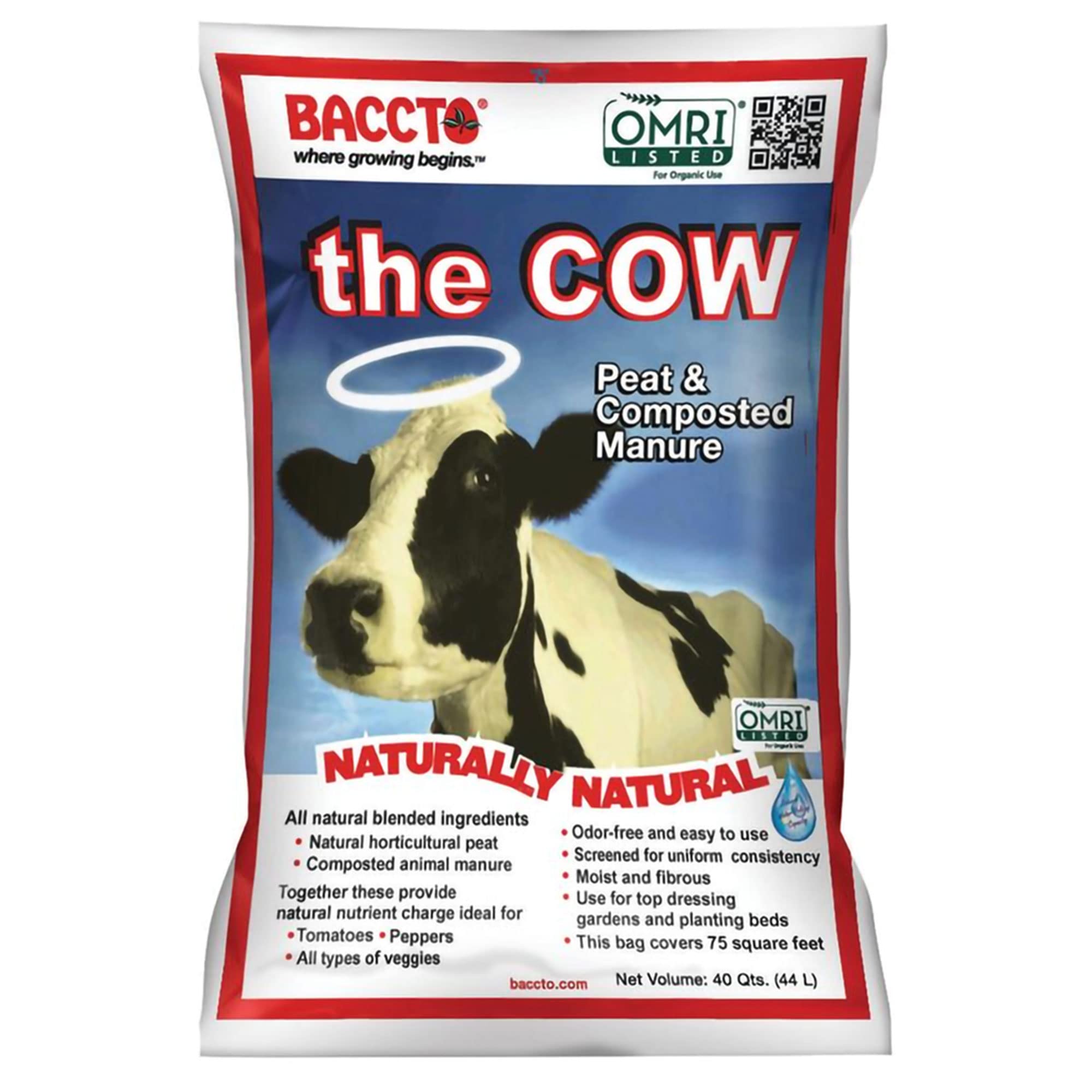
If you are filling a 4×8-foot raised bed or amending a large row of in-ground cucumber mounds, you need volume, and this 40-quart bag delivers a fully composted blend of peat and animal manure at a cost that makes it practical for serious coverage. The 34-pound bag is screened for a uniform consistency, meaning you can till it directly into the top 6 inches of soil without having to pick out large pieces.
Users praise the absence of odor and the dark, fluffy texture that feels “pleasant to work with” compared with other manure-based products. For cucumbers, the peat component is a key advantage: it increases the soil’s ability to hold onto applied water and nutrients, which helps keep the root zone consistently moist during the critical fruit-set period. The organic matter also buffers soil pH, keeping it in the slightly acidic range where cucumbers thrive.
One consideration is that the compost does not contain the specialized calcium boosters or mycorrhizae that premium blends include. Gardeners in regions with known blossom-end rot problems may want to layer a calcium supplement on top of this base.
What works
- Large 40-quart bag covers more bed space per dollar
- Peat blend improves moisture retention for shallow roots
- No smell, uniform texture, no large wood debris
What doesn’t
- Does not include mycorrhizae or trace mineral meals
- Heavy when wet — not ideal for small containers
4. R&M Organics Premium Organic Compost
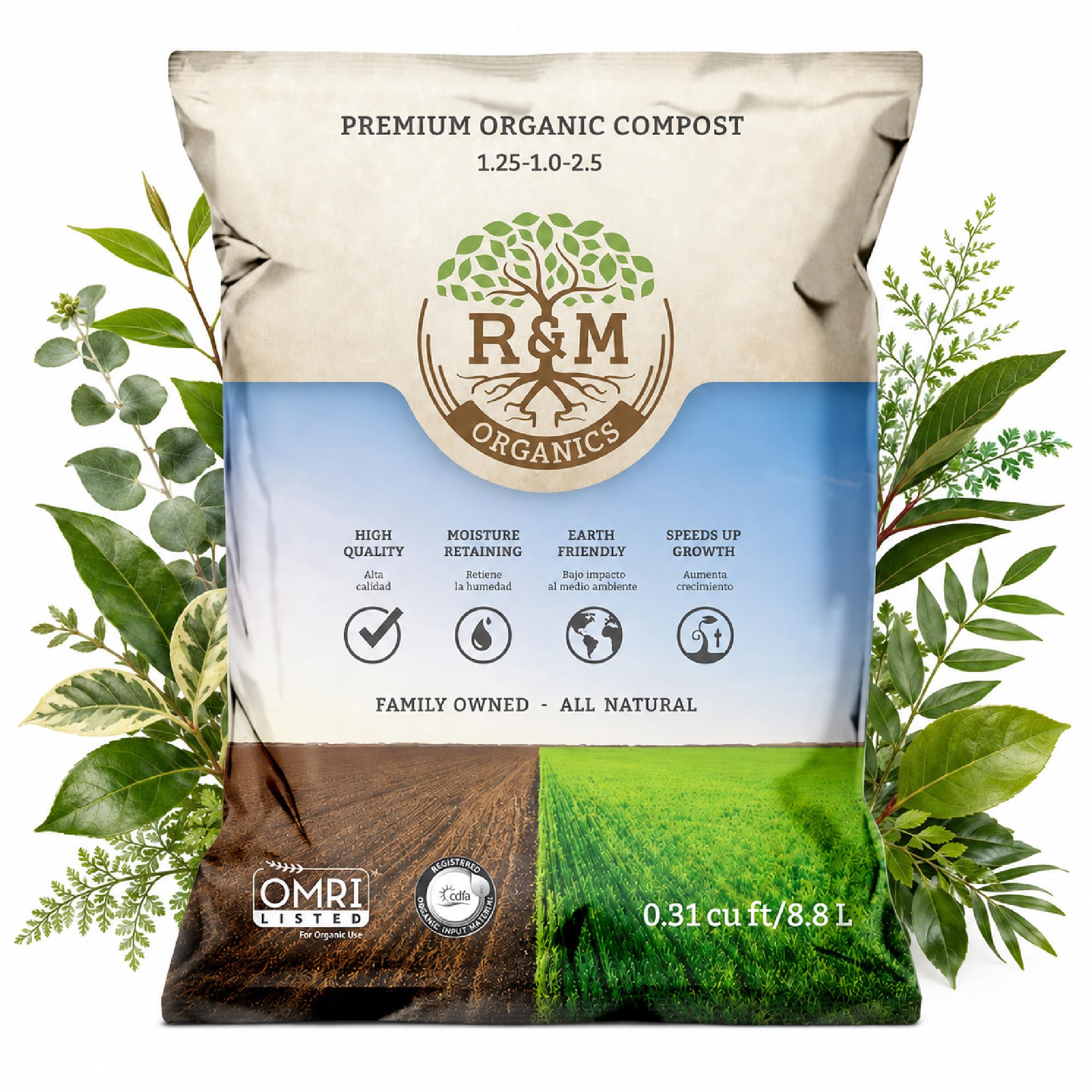
A cucumber vine that has turned yellow and stopped producing new leaves is often suffering from a nitrogen deficiency, poor organic matter, or both. This 10-pound bag of dairy cow manure compost has demonstrated a strong track record of reviving ailing plants. Multiple customer reports describe tomato and azalea plants turning from yellow to deep green within one week of application, which is the exact response you want when your cucumber vines stall mid-season.
The compost is processed with continuous aeration to eliminate the offensive ammonia smell that often accompanies raw manure. The texture is described as similar to fine topsoil, which makes it easy to apply as a thin quarter-inch top dressing around the base of each plant without disturbing the shallow root system. For cucumbers, this top-dressing method provides a gentle, slow-release nitrogen boost that supports continued flowering.
The downside is the 10-pound bag size — it is best suited for a few plants in containers or a small garden patch. For large-row plantings, you would need multiple bags. It also lacks the calcium-dense ingredients of the Espoma blend, so gardeners should pair it with a calcium source for heavy-fruiting cucumber varieties.
What works
- Revives yellow, nitrogen-starved vines quickly
- Fine texture spreads easily as a top dressing
- Low odor suitable for indoor use
What doesn’t
- Small bag size covers limited area
- No added calcium or mycorrhizae
5. Brut Cow Compost – Nutrient-Rich Composted Cow Manure

For gardeners who prioritize certification and purity, the Brut Cow Compost is an OMRI-listed product made from 100% composted cow manure with no additives, fillers, or synthetic supplements. The material is finely sifted to create a uniform texture that works beautifully as a base for cucumber starter soil mixes. One user reported strong results with a 3:2 ratio of this compost to potting soil for tomato seedlings, a formula that would transfer perfectly to cucumber starts.
The compost is odor-free and gentle on roots — a critical requirement for cucumbers, which can suffer transplant shock if the growing medium contains high ammonia or undigested salts. It delivers baseline nitrogen, calcium, and iron without overwhelming young plants. The 10-quart bag is manageable for a small home garden or for amending a half-dozen planting holes.
One limitation is the lack of specialized biological additives. While this is a solid, clean, organic foundation, gardeners looking for the highest fruit production may need to supplement with worm castings or a liquid bloom booster during the fruiting stage. It serves best as a reliable, everyday workhorse compost.
What works
- OMRI listed and additive-free
- Fine, sifted texture suitable for seed starting
- Gentle on roots with no burn risk
What doesn’t
- Lacks trace mineral boosters for heavy fruiting
- Bag size is small for large raised beds
6. Back to the Roots Organic Worm Castings

Worm castings carry a unique advantage for cucumber growers: they are virtually impossible to over-apply. This 5-pound bag from Back to the Roots is pure vermicompost, meaning it contains no filler, no hot manure, and no risk of nitrogen burn. You can place a handful directly into the transplant hole, side-dress established vines, or brew it into a liquid tea for biweekly feeding — all without monitoring the salt levels.
The microbial density in worm castings is significantly higher than in traditional compost. Beneficial microbes colonize the rhizosphere and suppress soil-borne pathogens like pythium and fusarium that cause damping-off in young cucumber seedlings. User reviews consistently mention healthy root establishment and vigorous early growth. The product is made in the USA and comes in a resealable bag.
The main limitation is that worm castings alone do not provide the bulk organic matter needed to improve heavy clay or pure sand soil. They work best as a concentrated biological booster mixed into a larger base of compost or peat-based soil. For a dedicated compost layer, you will need additional volume.
What works
- Zero burn risk — safe for direct contact with cucumber roots
- High microbial content protects against seedling diseases
- Can be brewed into liquid tea for foliar or soil drench
What doesn’t
- Low volume per bag — not meant for bulk soil amendment
- Retains moisture well so requires careful watering habits
7. Harris Worm Castings Organic Fertilizer
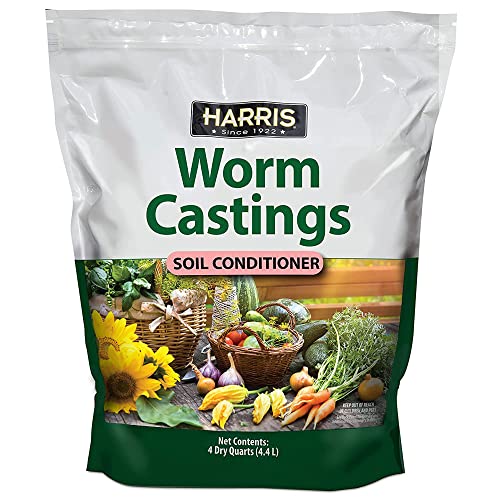
This 4-quart bag of worm castings provides the same biological richness as the Back to the Roots option but at a slightly lower cost, making it a strong entry-level pick for gardeners who want to experiment with vermicompost before committing to larger volumes. The dark, rich granules contain a broad spectrum of trace minerals including nitrates, potassium, magnesium, calcium, and phosphorus — all of which feed cucumber fruit development directly.
Users have successfully transformed struggling houseplants and container vegetables by applying a simple 3/4-cup-to-one-gallon water ratio as a liquid fertilizer. For cucumbers, this brewing method allows you to deliver nutrients to the root zone without disturbing the top layer of soil, which is useful when vines are already trellised and densely packed. The granules also work as a soil amendment at the time of repotting or transplanting.
The product does have a powder-like consistency that can be dusty during application, and it does not provide the physical soil structure improvement that a full compost would. It is best viewed as a concentrated supplement rather than a standalone growing medium.
What works
- Cost-effective entry point for worm castings
- Brews quickly into liquid tea for root drenching
- Contains balanced trace mineral profile
What doesn’t
- Powdery texture can be dusty when dry
- Not a standalone soil amendment — needs a base medium
Hardware & Specs Guide
Texture and Particle Size
Cucumber roots are fragile and branch aggressively in loose, well-aerated media. Composts with a screened, uniform particle size — like Blue Ribbon Organics and Brut Cow Compost — reduce the risk of air pockets, compaction, and water logging. Powdery or clay-heavy textures should be blended with perlite or coarse sand to maintain drainage.
OMRI and Organic Certification
OMRI-Listed products have been verified to meet strict organic standards. For cucumber growers who plan to sell produce as organic, using a certified compost ensures compliance. Products like Blue Ribbon Organics and Brut Cow Compost carry this designation, while others use the term “organic” without third-party certification.
Moisture Retention Ratio
The ideal cucumber compost holds water like a wrung-out sponge. Peat-based blends (Michigan Peat Baccto) and pure vermicompost (Back to the Roots) excel here. Manure-heavy blends can also perform well if fully composted, but raw or semi-composted manure sheds water and may dry out faster around the root ball.
Mycorrhizae and Trace Mineral Additives
Products that introduce beneficial fungi and sea-based meals (Espoma Land and Sea, lobster & crab meal) provide a biological shortcut to nutrient uptake. Mycorrhizae extend the reach of cucumber roots, while chitin from crustacean shells stimulates natural soil defenses against nematodes and fungal diseases.
FAQ
Can I use pure worm castings as my only compost for cucumbers?
How often should I apply compost to cucumber plants during the growing season?
Will adding too much compost cause blossom-end rot in cucumbers?
Final Thoughts: The Verdict
For most gardeners, the compost for cucumber plants winner is the Espoma Organic Land and Sea Gourmet Compost because its lobster and crab meal delivers targeted calcium and mycorrhizae that directly support fruit quality and disease resistance. If you want the absolute cleanest material for container vines, grab the Blue Ribbon Organics OMRI Certified Compost. And for large-scale raised bed coverage on a budget, nothing beats the Michigan Peat Baccto Wholly Cow blend.