
Clematis vines demand a specific soil environment — one that is consistently moist but sharply drained, slightly alkaline to neutral in pH, and packed with organic matter that feeds the root zone without suffocating it. Planting these climbers in standard garden earth or cheap topsoil nearly guarantees stunted growth, yellowing foliage, and a disappointing bloom count, because clematis roots are notoriously sensitive to compaction, waterlogging, and nutrient imbalance.
I’m Rikta — the co-founder and writer behind Lawn Gear Lab. I’ve spent hundreds of hours cross-referencing bag labels, analyzing pH buffer curves, comparing drainage ratings, and sifting through thousands of verified owner reports to identify the potting mixes that actually deliver the structure, moisture curve, and nutrient profile clematis root systems require.
This guide breaks down seven ready-to-use soil blends that align with the specific growing demands of clematis, helping you match the right texture, pH range, and organic charge to your container or in-ground planting setup. Whether you’re working with a patio pot or a sprawling trellis, you’ll find actionable advice for selecting the best soil for clematis that supports vigorous root development and season-long flowering.
How To Choose The Best Soil For Clematis
Clematis is a heavy feeder that requires a cool, shaded root zone and a loose, organically rich medium that never stays wet. Selecting a mix that meets these criteria means checking four specific traits before you pour a single scoop.
pH Balance and Lime Content
Clematis performs best in soil with a pH between 6.0 and 7.5 — slightly alkaline to neutral. Many commercial potting mixes lean acidic (5.5–6.0) to suit blueberries or ferns, which forces you to add lime. A bag with added limestone or a stated pH of 6.5 saves you an extra amendment step.
Drainage Architecture
The root crown of a clematis must never sit in water. Look for mixes containing perlite, coarse sand, or pumice in visible quantity (at least 15–20% of the volume). Coco coir is acceptable for moisture retention, but avoid mixes that list peat moss as the sole aeration agent — peat alone compacts and holds too much water for clematis.
Organic Matter and Nutrient Loading
Clematis vines consume a steady supply of nitrogen, potassium, and trace minerals from spring through early fall. A blend that includes worm castings, compost, kelp meal, or bat guano provides slow-release nutrition without the risk of chemical salt buildup. Avoid mixes that rely on synthetic fertilizer prills — they can burn sensitive feeder roots.
Quick Comparison
On smaller screens, swipe sideways to see the full table.
| Model | Category | Best For | Key Spec | Amazon |
|---|---|---|---|---|
| FoxFarm Ocean Forest | Premium All-Purpose | Deep-root feeder in containers | 1.5 cu ft, aged forest products | Amazon |
| Espoma Organic Potting Mix | Organic Nutrient-Charged | Transplanting established clematis | 2 cu ft, Myco-Tone mycorrhizae | Amazon |
| Coast of Maine Bar Harbor | Coastal Organic | Sustained bloom support | 16 qt, lobster/crab shell meal | Amazon |
| FoxFarm BushDoctor Coco Loco | Coco Coir Based | Improving aeration in heavy soil | 12 qt, triple-washed coco coir | Amazon |
| Miracle-Gro Potting Mix (3-Pack) | Convenience Multi-Pack | Large container fills | 8 qt x3, feeds up to 6 months | Amazon |
| Brut Organic Potting Soil | OMRI Certified Organic | Chemical-free vine feeding | 1 cu ft, pH 6.3–6.5 | Amazon |
| Midwest Hearth Premium Potting Mix | Entry-Level Balanced | Starting young clematis seedlings | 8 qt, balanced pH for broad use | Amazon |
In‑Depth Reviews
1. FoxFarm Ocean Forest Potting Soil with Plant Tags
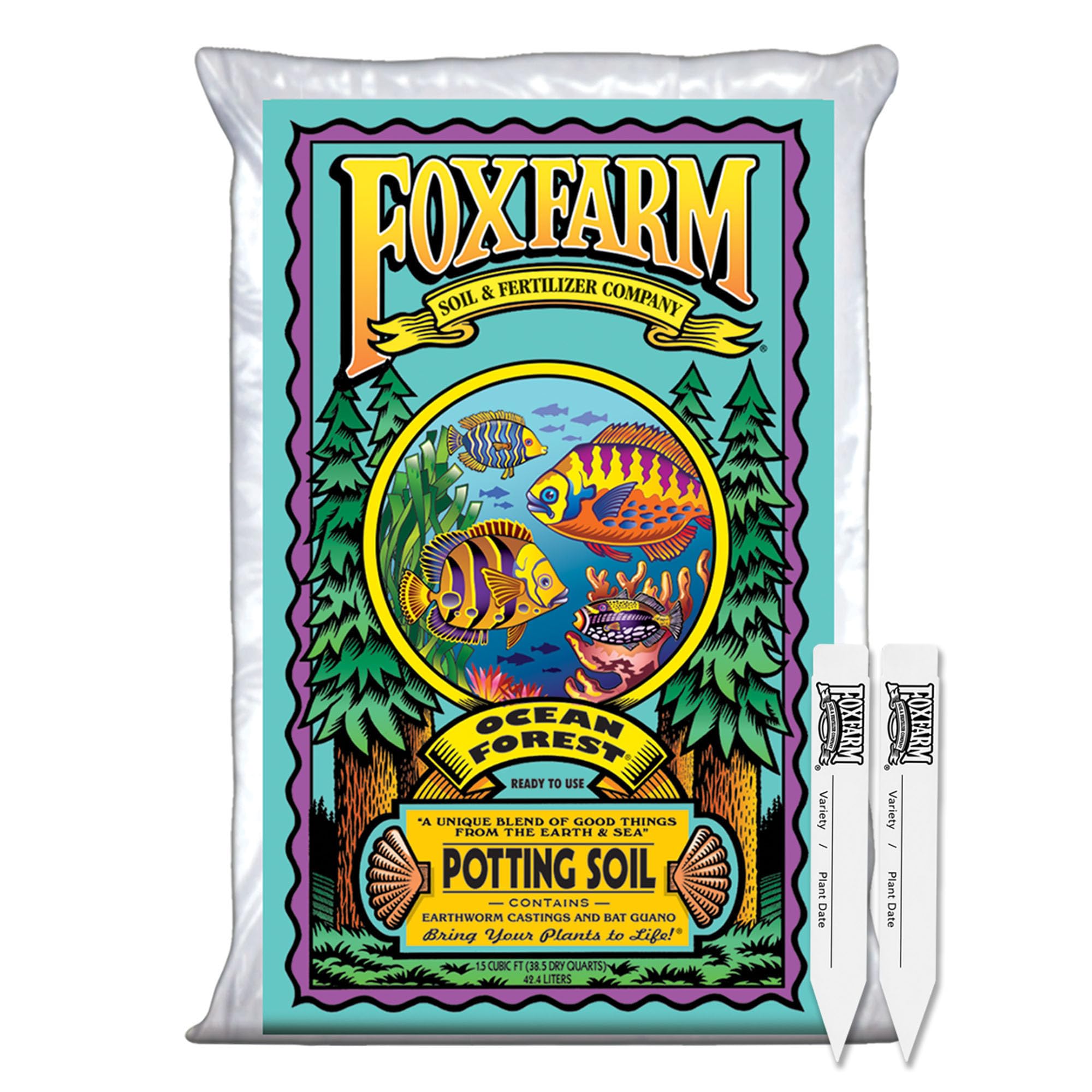
The 1.5-cubic-foot bag of FoxFarm Ocean Forest delivers the closest thing to a tailored clematis medium straight out of the bag. The blend relies on 50–60% aged forest products, sphagnum peat moss, and sandy loam to create a light, fluffy texture that drains aggressively while holding enough moisture for a vine’s deep root system. The inclusion of oyster shell provides a gentle calcium source and a slight alkalinity nudge, which helps keep pH in the 6.3–6.8 sweet spot clematis prefers.
Fish emulsion, crab meal, shrimp meal, earthworm castings, and kelp meal supply a steady, slow-release nutrient stream that supports the heavy feeding demands of clematis from early spring bud break through late-summer flowering. Side-by-side tests from verified owners show noticeably faster vegetative growth and denser foliage compared to standard peat-based mixes. The two included plant tags are a practical bonus for tracking multiple varieties.
One trade-off is the price point — this mix sits at the premium end of the spectrum, and the large bag may be more than you need for a single patio container. Some users report the presence of beneficial fungi that can produce surface mushrooms in consistently damp conditions, though this indicates active biology rather than a defect. For best results, blend with a small amount of coarse perlite if you are planting in a pot without drainage holes.
What works
- Ready-to-use pH and calcium balance for clematis
- Rich nutrient diversity supports heavy blooming
- Excellent drainage prevents root crown rot
What doesn’t
- Premium price per cubic foot
- May need additional perlite for very wet climates
2. Espoma Organic Potting Soil Mix

The 2-cubic-foot Espoma Organic Potting Mix is built around a loamy, chunky texture that resists compaction — a critical feature for clematis roots that need to spread wide and deep. The formula combines sphagnum peat moss, humus, and perlite for structure, then enriches the medium with earthworm castings, alfalfa meal, kelp meal, and feather meal for extended nutrient release. The proprietary Myco-Tone blend introduces endo and ecto mycorrhizae that form symbiotic relationships with clematis feeder roots, improving water and phosphorus uptake.
Verified owners consistently highlight the absence of large sticks, bark chunks, or synthetic fillers — a common complaint with economy-grade potting soils. The mix arrives with a mild earthy smell, no chemical odor, and a moisture profile that stays damp for two to three days in moderate climates without becoming waterlogged. This makes it ideal for transplanting established clematis vines that are sensitive to root disturbance during repotting.
On the downside, the bag can be heavy to carry, and the loose texture means the volume settles significantly after the first few waterings — you will likely need to top off the container. The price per bag is higher than standard big-box blends, but the organic certification and mycorrhizal inoculation justify the investment for serious clematis growers.
What works
- Mycorrhizae boost root-to-soil nutrient exchange
- Clean, stick-free consistency
- Holds moisture without becoming soggy
What doesn’t
- Bag settles during watering, requires refill
- Not ideal for very small pots due to chunkiness
3. Coast of Maine Bar Harbor Blend Potting Soil
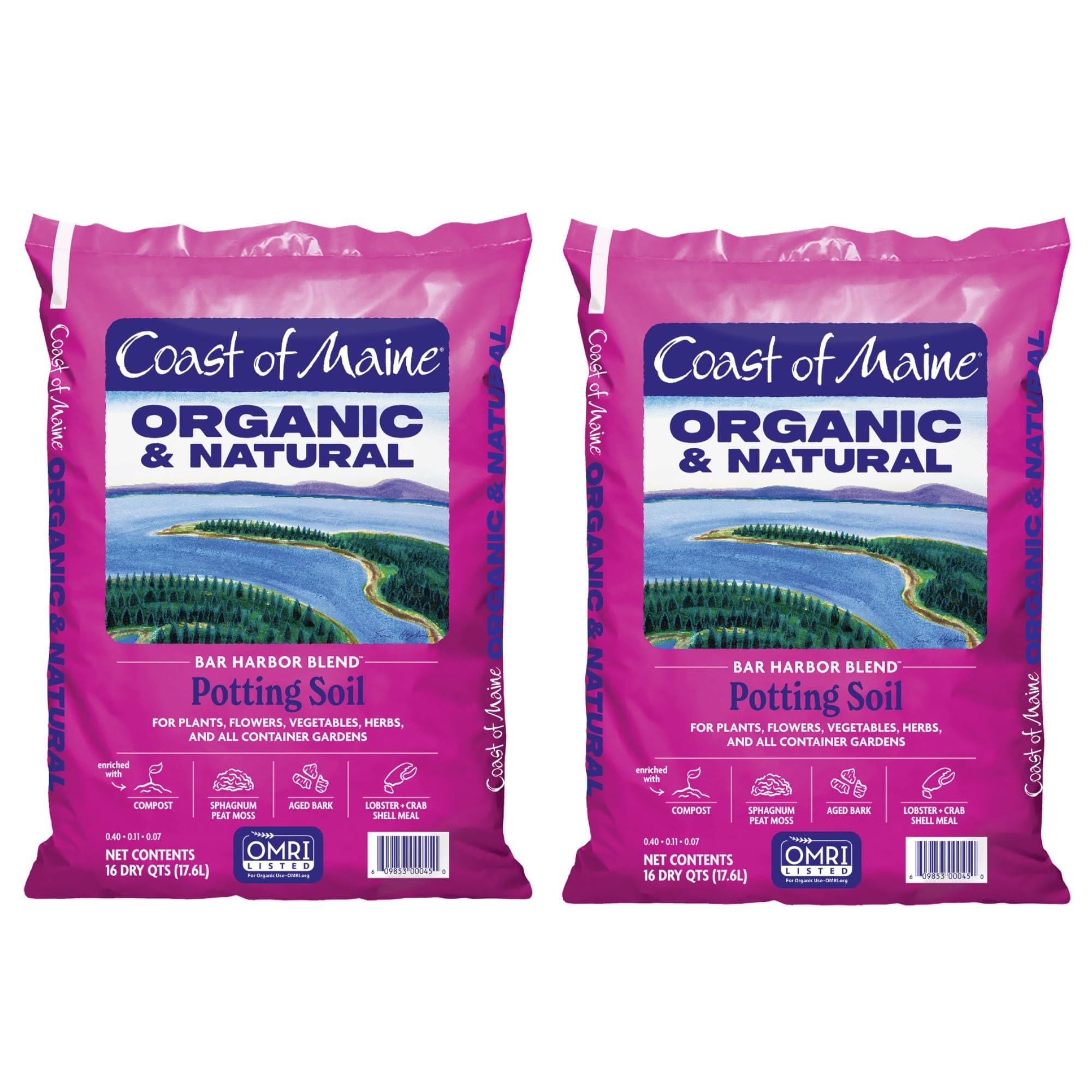
Coast of Maine’s Bar Harbor Blend is a regional organic formula that leans heavily on marine byproducts — lobster and crab shell meal, kelp meal, and composted fish waste — to deliver a steady supply of chitin, calcium, and trace minerals. For clematis, this translates into strong stem development, deeper green leaves, and a prolonged bloom window because the slow-release nitrogen doesn’t spike and drop like synthetic alternatives.
The base of sphagnum peat moss and perlite provides the drainage profile clematis requires, while the compost fraction adds a darker, loam-like body that holds moisture at the root zone without puddling. Verified owners report that this mix supports vigorous growth in both containers and raised beds, with one user noting dramatically better tomato and pea growth compared to their previous brand — the same principles apply to clematis’s deep feeding habit.
A few users mention that the bag can arrive slightly damp due to the compost content, and the marine smell is noticeable upon opening but dissipates quickly. The 16-quart size is sufficient for a single large container or two medium pots, making it a useful middle-ground volume between small bags and bulk cubic-foot sacks. Worth considering if you want an organic mix with a proven track record for flowering plants.
What works
- Marine-based nutrition supports sustained blooming
- Good moisture retention without oversaturation
- No synthetic additives or chemical fertilizers
What doesn’t
- Initial marine odor can be strong
- Bag may feel heavier than expected when damp
4. FoxFarm BushDoctor Coco Loco Potting Mix
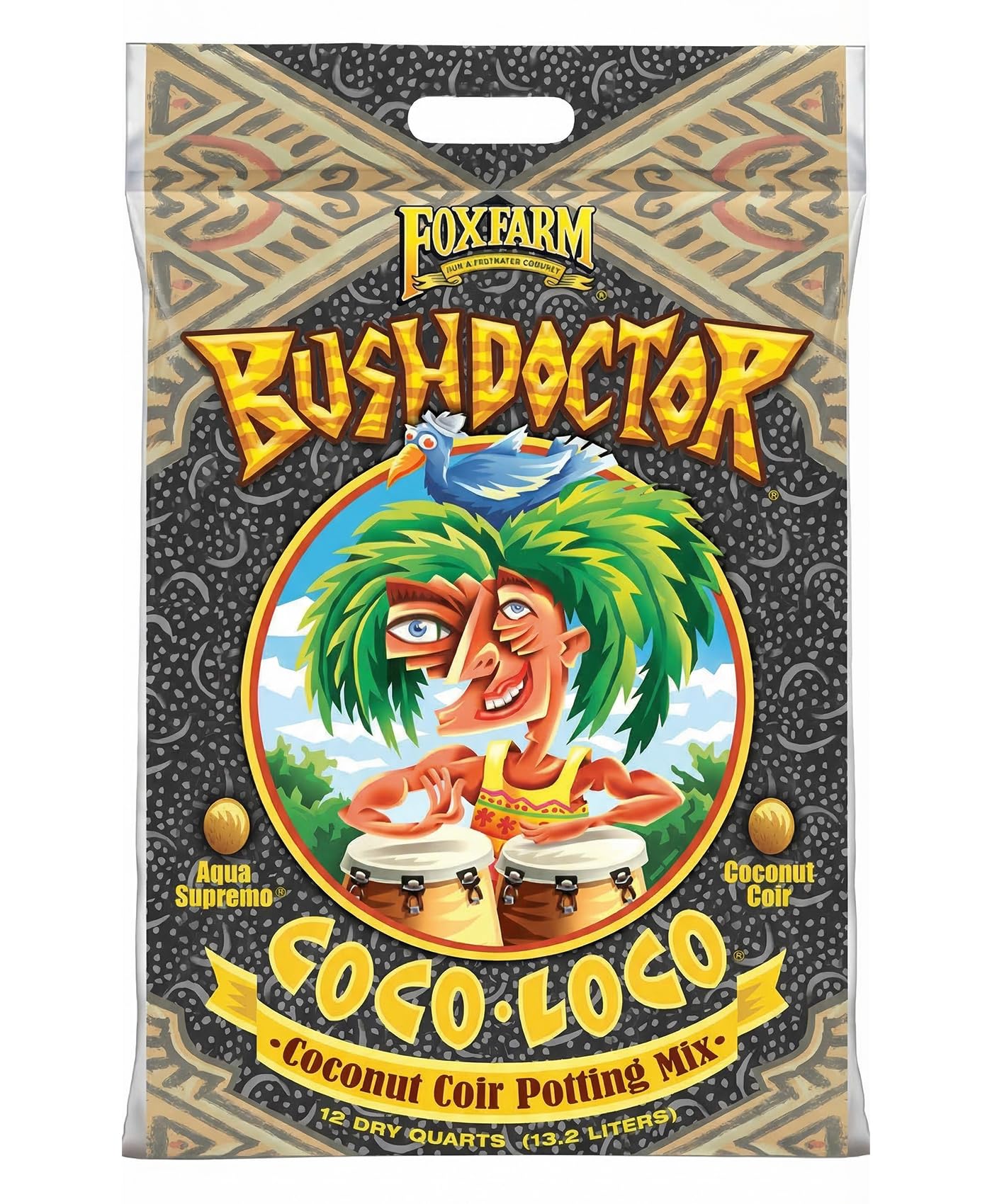
The FoxFarm BushDoctor Coco Loco is a coco coir-dominant mix (50–60%) that has been triple-washed to reduce soluble salt content — a feature that matters for clematis because high salt levels can burn the tips of young feeder roots. Coco coir provides superior aeration and re-wetting capability compared to peat, meaning the mix doesn’t become hydrophobic after drying out, which is useful for containers that sit in full sun.
Bat guano and earthworm castings supply a mild, steady nutrient charge that works well as a base for clematis that will receive supplemental liquid feeding throughout the growing season. The texture is noticeably lighter than peat-based blends, making it a strong choice for mixing 50/50 with heavier garden soil or for lightening up a dense existing medium. Verified owners confirm it works well for a wide range of plants, from aloe to roses, indicating its versatility for mixed containers.
The main drawback is that Coco Loco is not a complete nutrient solution — you will need to start feeding with a diluted liquid fertilizer after about 30 days, especially for heavy-feeding clematis. Some shipments also suffer from packaging damage during transit, so inspect the bag upon arrival. This is best used as a structural amendment or base layer rather than a standalone fill for a final container.
What works
- Low salt content protects sensitive roots
- Excellent re-wetting after dry spells
- Ideal for mixing with heavier soil types
What doesn’t
- Needs supplemental fertilizer after 30 days
- Bag damage during shipping is not uncommon
5. Miracle-Gro Potting Mix (3-Pack, 8 qt each)

Miracle-Gro’s standard potting mix is the most widely recognized name in the category, and this 3-pack of 8-quart bags offers a convenient way to fill multiple containers without hauling one massive sack. The formula is designed to feed plants for up to six months thanks to embedded slow-release fertilizer, which aligns decently with clematis’s growing season if you time your repotting in early spring.
Texture-wise, the mix is peat-dominant with perlite, creating a medium that holds moisture well and stays loose enough for roots to spread. Verified owners consistently report strong initial growth across flowers, vegetables, and perennials. For clematis specifically, the pre-charged fertilizer reduces the need for liquid feeding during the first half of the growing season, though the nutrient profile is general-purpose rather than tailored for heavy-blooming vines.
The downside is that this mix relies on synthetic fertilizer salts, which can accumulate in containers over time and may cause leaf tip burn on sensitive clematis varieties if the soil is allowed to dry out between waterings. The pH leans slightly acidic (around 6.0), so you may need to add a handful of garden lime for clematis. Best suited for gardeners who prefer a low-maintenance, set-it-and-forget-it approach and are already familiar with Miracle-Gro’s performance.
What works
- Built-in feeding for up to six months
- Convenient three-bag format for multiple pots
- Widely available and consistent quality
What doesn’t
- Synthetic salts can build up in containers
- pH may require lime adjustment for clematis
6. Brut Organic Potting Soil
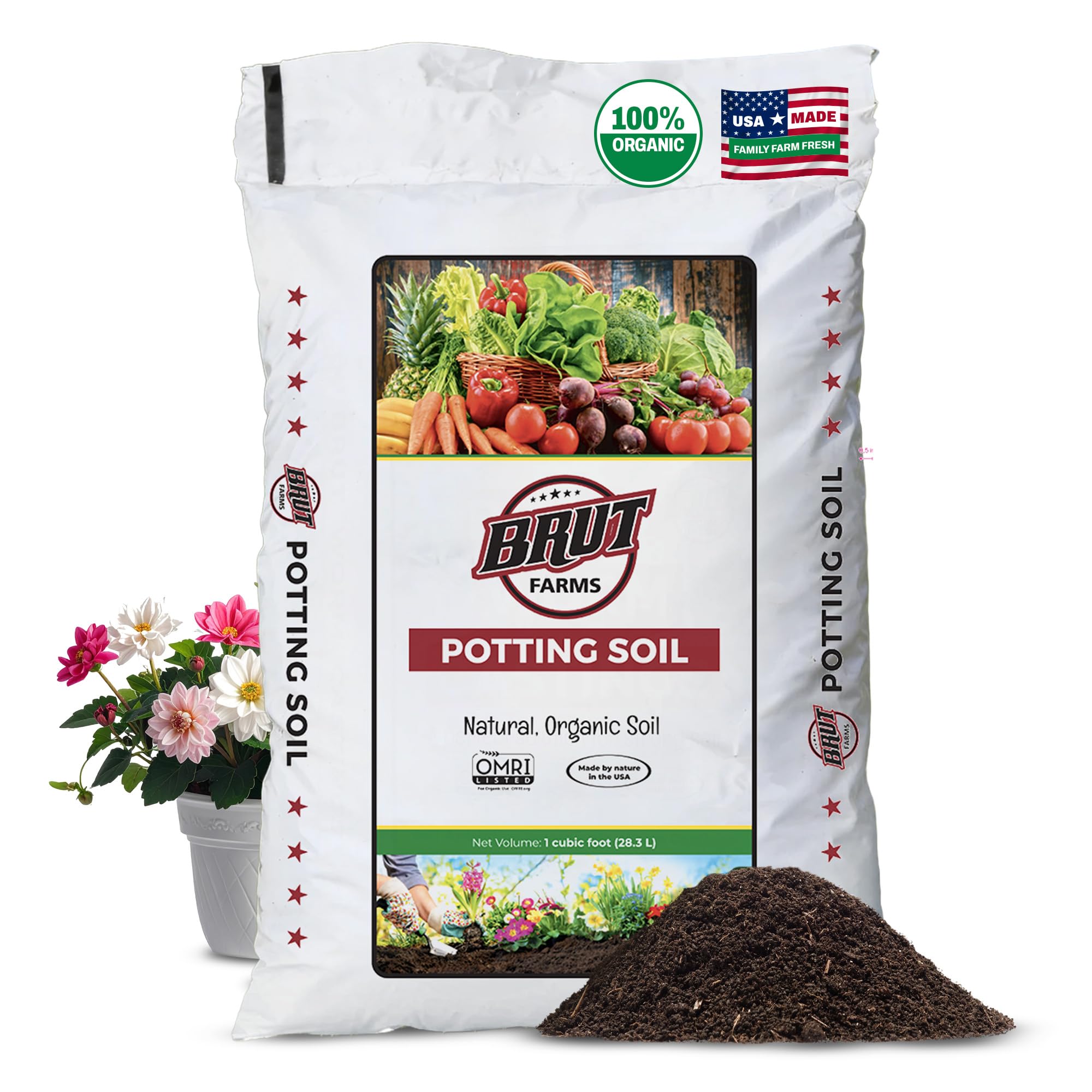
Brut Organic Potting Soil sets itself apart with an OMRI listing and a stated pH range of 6.3 to 6.5 — almost perfectly in the clematis sweet spot without the need for additional lime. The formula is built around microbe-rich worm castings, Azomite (a volcanic trace mineral source), and kelp, creating a soil that feeds from the root level upward rather than top-dressing the surface.
One of the strongest attributes reported by verified owners is the fine, uniform texture — no sticks, wood chips, or synthetic filler clumps. This consistency allows clematis roots to navigate the medium without obstruction, which is critical for young vines that need to establish quickly before the first growing season. The 1-cubic-foot bag offers a generous volume for a single large container or several medium pots.
On the cost side, Brut is priced at a premium compared to non-organic alternatives, and some users note that the fine particulate matter can attract fungus gnats if the top layer stays consistently damp. Adding a thin layer of sand or gravel on the surface mitigates this issue. A strong choice for organic-focused gardeners who want a ready-to-use mix that aligns with clematis’s pH and texture preferences out of the bag.
What works
- Ideal pH range for clematis straight from bag
- Fine, uniform texture with no wood debris
- OMRI certified for organic gardening
What doesn’t
- Premium price per cubic foot
- Fine texture can attract fungus gnats if damp
7. Midwest Hearth Premium Potting Soil Mix

Midwest Hearth’s 8-quart mix uses a straightforward three-ingredient formula — peat moss, vermiculite, and perlite — that provides a lightweight, fluffy texture ideal for starting clematis seeds or rooting cuttings. The vermiculite component improves moisture retention around delicate root hairs, while the perlite ensures excess water drains freely, preventing the damping-off disease that kills young seedlings.
The pH is described as controlled for a broad spectrum of plant types, which means it lands in a neutral range (roughly 6.5–7.0) that works for clematis without requiring immediate adjustment. Verified owners praise the mix for its cleanliness and the resealable bag, which keeps the unused portion fresh between planting sessions. It has been reported to work well for germinating petunias and herbs, indicating it can handle finicky vine seeds as well.
The limitation is the small volume — 8 dry quarts fills only a single 8-inch pot or a couple of 4-inch nursery pots. For a mature clematis that needs a 5-gallon or larger container, you will need multiple bags or a supplementary bulk mix. This is best used as a starting medium or for small, temporary pots before transplanting into a larger, nutrient-richer final home.
What works
- Light, fluffy texture for delicate seedlings
- Resealable bag preserves unused portion
- Good drainage prevents damping-off
What doesn’t
- Small volume limits use to starting or small pots
- Lacks heavy nutrient load for mature vines
Hardware & Specs Guide
pH Management
Clematis roots absorb iron and phosphorus most efficiently when the soil pH sits between 6.0 and 7.5. Mixes that include oyster shell, limestone, or a stated pH near 6.5 are preferable because they eliminate the need for you to add lime. If your chosen bag leans acidic (below 6.0), incorporate one tablespoon of garden lime per gallon of mix and water thoroughly before planting. Test the runoff pH after the first watering to confirm the adjustment.
Organic vs. Synthetic Fertilizer
Organic blends that rely on worm castings, kelp meal, alfalfa meal, or bat guano release nutrients slowly through microbial activity, which matches the steady feeding rhythm of clematis. Synthetic-fertilized mixes (like those with encapsulated prills) provide an immediate nutrient surge but can burn roots during hot, dry weather. If using a synthetic-charged mix, reduce the dose or switch to half-strength liquid feed after the first month to avoid salt accumulation.
Moisture Retention vs. Drainage
Clematis needs soil that stays cool and moist but never waterlogged. A good ratio is roughly 60% organic matter (peat, coir, compost) to 40% drainage agents (perlite, pumice, coarse sand). Pure coco coir or peat tends to hold too much water in containers without adequate perlite amendment. If your mix feels dense and wet after a thorough watering, add 20% more perlite by volume before planting.
Container Volume and Depth
A mature clematis requires a container at least 18 inches deep and 16 inches in diameter to accommodate its extensive root system. For a pot this size, you will need approximately 1 cubic foot of soil mix (about 7.5 gallons). Planting in a smaller volume forces the roots to circle the pot and can stunt top growth. Always leave at least 2 inches of headspace below the rim to allow for top-dressing and watering.
FAQ
Can I use standard garden soil for clematis?
How often should I repot clematis into fresh soil?
Do I need to add lime to my potting mix for clematis?
Should I use a moisture-retaining gel or polymer in clematis soil?
Final Thoughts: The Verdict
For most gardeners, the soil for clematis winner is the FoxFarm Ocean Forest Potting Soil because its pH balance, calcium-rich oyster shell, and diverse organic inputs create a ready-to-use medium that supports deep root development and sustained blooming. If you want mycorrhizal inoculation for healthier transplants, grab the Espoma Organic Potting Soil Mix. And for an organic value pick that arrives at the ideal pH out of the bag, nothing beats the Brut Organic Potting Soil.