
Perennials demand more than standard topsoil or cheap filler mixes. A bag that looks dark and rich can lack the drainage, pH balance, and long-term nutrient release that keeps echinacea, hostas, and lavender returning season after season. The wrong soil chokes roots, encourages rot, or starves blooms before they start.
I’m Rikta — the co-founder and writer behind Lawn Gear Lab. I analyze hundreds of product specifications, decode unhelpful marketing labels, and cross-reference owner reports to isolate the mixes that actually deliver measurable results for perennial beds.
After combing through the spec sheets, customer experiences, and ingredient breakdowns for the leading options, the following guide reveals the best soil for perennials and explains exactly which mix suits your bed type, climate, and planting style.
How To Choose The Best Soil For Perennials
A perennial bed is a long-term investment. The mix you choose must support root development through winter dormancy, hold enough moisture for summer dry spells without waterlogging, and supply nutrients over months. The three factors below separate effective perennial soils from generic fill dirt.
Texture and Drainage Profile
Perennial roots hate sitting in saturated clay. Look for a mix that includes perlite, coarse sand, or aged bark to create air pockets. At the same time, the soil must retain enough moisture to sustain roots between rains — pure compost dries too fast. A blend of sphagnum peat moss, vermiculite, and perlite strikes the right balance for most perennials.
pH and Nutrient Foundation
Most perennials prefer a slightly acidic to neutral pH — roughly 6.0 to 7.0. Bags that list pH directly or use peat-based ingredients tend to land in this range. Check whether the mix includes a slow-release fertilizer or depends on compost alone. For established beds, a leaner mix with added organic matter gives you control over supplemental feeding.
Organic Certification and Mycorrhizae
OMRI-listed bags guarantee no synthetic chemicals, which matters if you are building pollinator-friendly beds. Some premium blends add mycorrhizal fungi — beneficial organisms that extend root reach and improve phosphorus uptake. These are not necessary for every perennial, but they give weak or sandy soils a measurable boost.
Quick Comparison
On smaller screens, swipe sideways to see the full table.
| Model | Category | Best For | Key Spec | Amazon |
|---|---|---|---|---|
| Michigan Peat Garden Magic 40lb | General Purpose | In-ground perennial beds needing moisture retention | 40 lb bag, reed sedge peat blend | Amazon |
| Coast of Maine Organic Bar Harbor Blend 16QT | Premium Organic | Container perennials & heavy feeders | Lobster & kelp meal + perlite | Amazon |
| Espoma Organic Vegetable & Flower Garden Soil | Organic In-Ground | Improving native garden soil at planting time | Myco-Tone endo/ecto mycorrhizae | Amazon |
| Miracle-Gro Potting Mix 3-Pack | Conventional | Potted perennials & annual color | Feeds up to 6 months | Amazon |
| Coast of Maine Roses & Flowers 20QT | Specialty Organic | Rose beds & flowering perennials | Composted manure + sphagnum peat | Amazon |
| Midwest Hearth Premium Potting Mix | Controlled pH | Seed starting & small container perennials | 8 dry quarts, peat/perlite/vermiculite | Amazon |
| Michigan Peat General All Purpose 50lb | Value Bulk | Budget white filling of large beds & containers | 50 lb bag with perlite + slow‑release fertilizer | Amazon |
In‑Depth Reviews
1. Michigan Peat Garden Magic 40lb
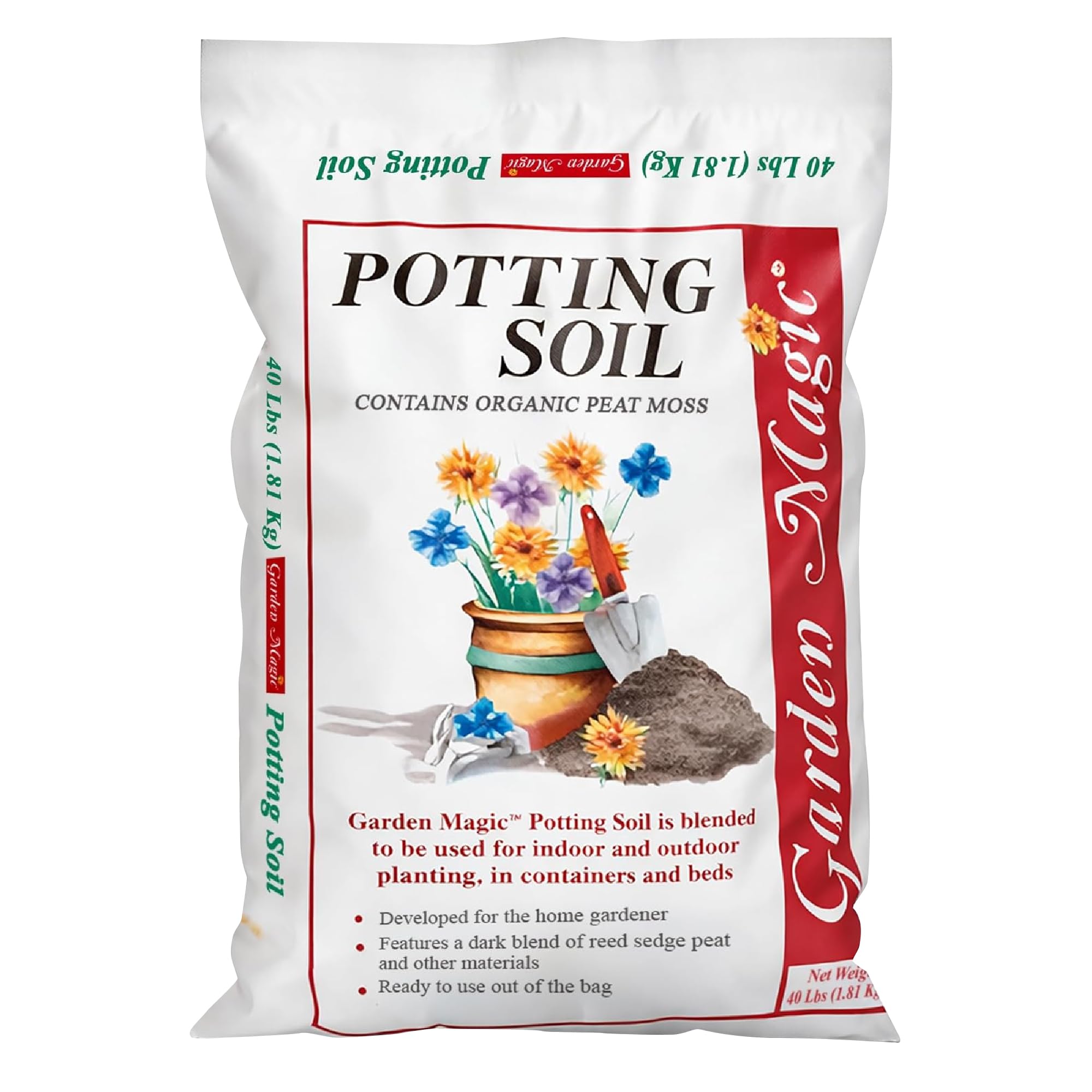
Garden Magic is a dark, moisture‑retentive blend of reed sedge peat and organic peat moss designed for in‑ground use. Its 40‑pound bag provides enough volume to mix into a full‑sized perennial bed without the need for multiple purchases. The mix is ready to use straight from the bag — no additional blending with native soil required unless you prefer to stretch it.
The formula holds moisture noticeably better than many general‑purpose potting soils, which directly helps perennials survive moderate dry spells. Numerous owner reports confirm no visible insects, no foul odors, and consistent results across a wide variety of plant varieties. A few reports mention occasional large wood sticks inside the bag, a minor inconvenience for container use but negligible for garden soil enrichment.
This bag hits a sweet spot between premium ingredient quality and raw value. It is not an organic‑certified product, but it avoids synthetic chemicals and delivers the moisture control that new perennial beds need most during their first establishment year.
What works
- Excellent moisture retention for in‑ground perennial beds
- Large 40‑lb bag covers substantial area at mid‑range cost
What doesn’t
- Not OMRI‑listed for certified organic use
- Occasional wood debris in the mix
2. Coast of Maine Bar Harbor Blend 16QT
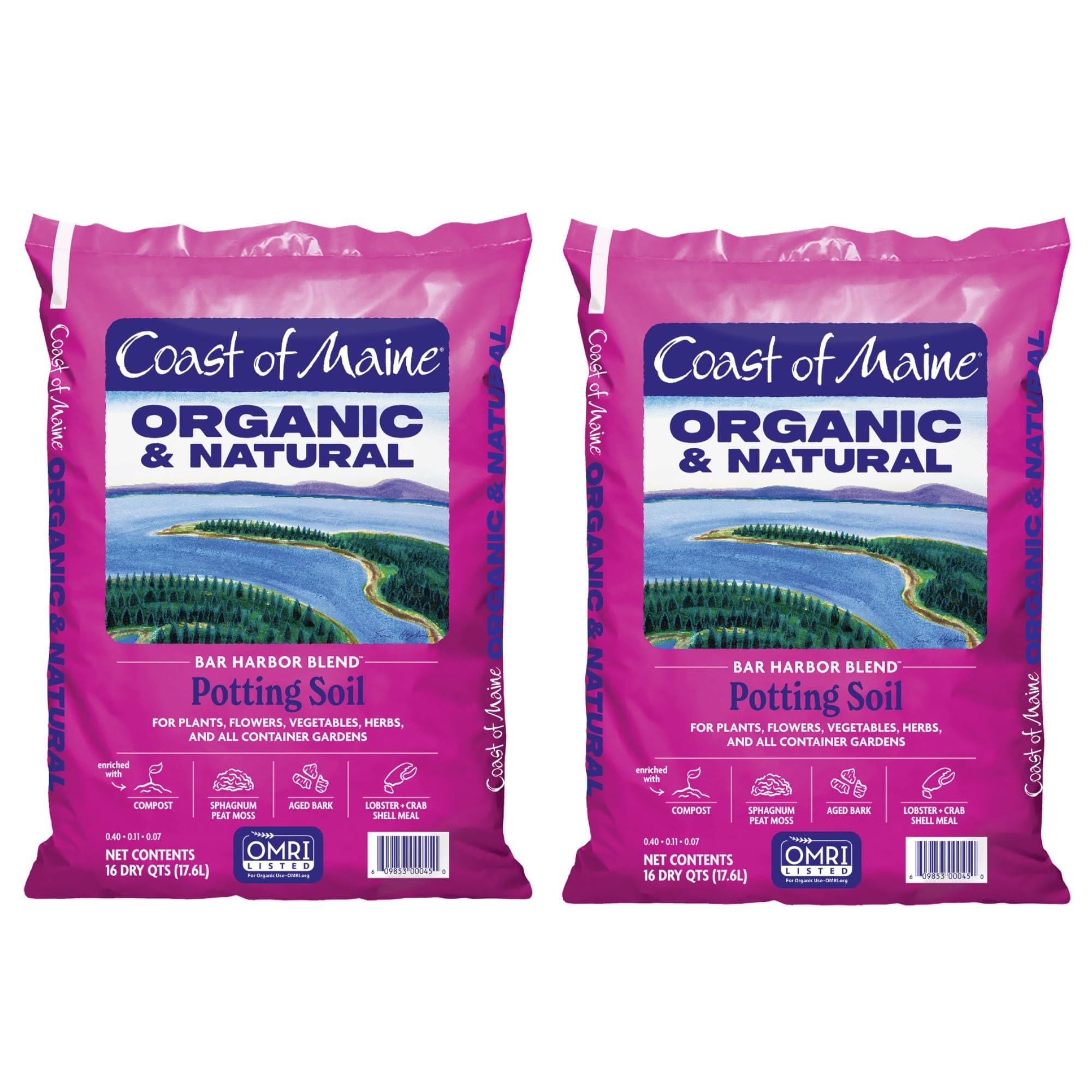
Bar Harbor Blend combines sphagnum peat moss, compost, perlite, lobster and crab shell meal, and kelp meal into a nutrient‑dense potting soil. The 16‑quart bag is ideal for container perennials, hanging baskets, and raised bed top‑ups where sustained organic feeding matters. The darker color indicates a high compost ratio, giving it a richer texture than peat‑only products.
Slow‑release nitrogen from the shell meal provides consistent nourishment over weeks without burning roots. Owners consistently report vigorous early growth on tomatoes, peppers, and flowering perennials, with one user noting potatoes and peas outperformed expectations in this mix. The perlite content ensures good aeration, preventing the compaction that plagues cheaper potting soils.
This is a premium bag with a premium price per quart. For large in‑ground beds you would need multiple bags, which raises the total cost significantly. But for containers and high‑value plantings, the Bar Harbor Blend delivers the most complete nutrient profile on this list.
What works
- Rich marine‑based organic nutrient mix with slow‑release nitrogen
- Excellent aeration and drainage for container perennials
What doesn’t
- Higher cost per quart than general‑purpose bags
- 16‑quart bag goes fast for large containers
3. Espoma Organic Vegetable & Flower Garden Soil

Espoma’s bag is built around Myco-Tone, a proprietary blend of endo and ecto mycorrhizae that colonize root systems and improve nutrient and water uptake. The 1‑cubic‑foot bag is designed as an amendment: you mix it thoroughly with your existing garden soil at planting time rather than using it straight. It works especially well for in‑ground perennial beds where the native soil is compacted or low in organic matter.
The blend is rich and well‑structured, with earthy castings that improve moisture retention without creating a soggy base. Multiple owner reports note that plants in this mix outperformed those in a competing organic store brand — tomatoes and marigolds showed visibly stronger growth. A few users reported fungus gnats when moving the soil indoors, but the consensus is that the product is bug‑free for outdoor garden use.
Espoma is not a complete potting mix; it calls for mixing with native soil. If you need a bag that can go straight into pots, consider one of the container‑ready blends on this list instead. For amending a perennial bed, though, the mycorrhizae and castings give this bag a measurable advantage over basic compost blends.
What works
- Myco‑Tone mycorrhizae support root development in poor native soil
- Rich organic ingredients with earthworm castings
What doesn’t
- Requires mixing with native soil — not ready‑to‑use for containers
- Minor gnat risk when used indoors
4. Miracle-Gro Potting Mix 3-Pack

Miracle-Gro’s Potting Mix delivers a synthetic feed that lasts up to six months, making it one of the most hands‑off options for container perennials. The 3‑pack of 8‑quart bags is convenient for potting a batch of planters without hauling a massive sack. The mix is light, well‑draining, and does not compact into a hard cake even after repeated watering.
The fertilizer charge means you typically do not need to supplement feeding during the growing season — a real time saver for large container displays. Owners praise the texture for staying loose around roots, and the “Grows Plants Twice As Big” claim, while marketing‑flavored, is backed by the six‑month nutrient release that many organic blends lack.
This is a conventional mix with synthetic fertilizers — not suitable for organic gardening. The feed schedule also means you lose control over nutrient timing if your perennials are heavy feeders that prefer a different NPK ratio. For conventional container gardeners who want set‑and‑forget feeding, this is the most reliable pick.
What works
- Built‑in feeding for six months eliminates guesswork
- Light, non‑compacting texture suits container perennials
What doesn’t
- Contains synthetic fertilizers — not for organic beds
- Pre‑charged feed limits flexibility for custom nutrient programs
5. Coast of Maine Roses & Flowers 20QT

This Coast of Maine blend targets roses and flowering perennials with a formulation that balances moisture retention and drainage. The 20‑quart bag contains composted manure, sphagnum peat moss, bark, and soil mix. The organic matter content is high enough that the bag can serve as a top‑dress mulch or be mixed into existing flower beds to revitalize tired soil.
Dark, rich texture with visible textural variations tells you the compost fraction is genuine. Owners report strong results on roses and flowering plants, with multiple verified 5‑star reviews praising quality and value. A minority of users note a strong organic manure smell that attracts dogs and flies — a sign of active microbial content but an important consideration for urban gardens or sensitive noses.
The bag is versatile for both in‑ground and container use, but the heavy compost fraction means it can stay wet if used alone in pots without additional perlite. Use it as a bed amendment or blend with a draining agent for potted perennials that demand sharper drainage.
What works
- High organic compost content for flower beds
- OMRI‑listed and Made in USA
What doesn’t
- Strong manure‑based smell during application
- Heavy texture may need perlite amendment for container use
6. Midwest Hearth Premium Potting Mix 8 QT

Midwest Hearth’s bag uses a balanced blend of peat moss, vermiculite, and perlite at a controlled pH suitable for a broad spectrum of plants. The 8‑dry‑quart size is compact, making it a good option for seed starting, small container perennials, or topping off existing pots. The resealable bag design is a practical detail that keeps unused soil from drying out.
The texture is light and fluffy, holding moisture without becoming soggy. Owners report faster germination and stronger root development in petunias and herbs compared to garden center bargain brands. One helpful reviewer notes that the mix needs a pre‑soak before first use — dry peat can resist water initially, so wetting the bag ahead of potting prevents water from channeling straight through.
This is an entry‑level product in terms of volume and nutrient content. It does not include a fertilizer charge, so you will need to supplement feeding for long‑term perennial containers. As a clean, well‑structured base mix for small projects, though, it delivers reliable results at a budget‑friendly investment.
What works
- Clean, weed‑free texture with balanced aeration
- Resealable bag and controlled pH for sensitive seedlings
What doesn’t
- No built‑in fertilizer — requires supplemental feeding
- Small 8‑quart size only suits small projects
7. Michigan Peat General All Purpose 50lb

This 50‑pound bag from Michigan Peat offers the lowest cost per pound on the list, making it the obvious choice for filling large raised beds or mulching extensive perennial borders. The mix combines reed sedge peat, perlite, and sand with a slow‑release starter fertilizer, providing a complete environment straight from the bag — no mixing required.
The perlite content improves drainage compared to plain garden soil, and the added fertilizer gives young transplants an early boost. Owner reviews are generally positive regarding texture and convenience, though several users report fungus gnat emergence from the bag. This is a common issue with bulk soil blends that are stored moist — the gnats are harmless to outdoor plants but a frustration for indoor use.
Do not expect the refined consistency of a specialty organic mix. The 50‑pound bag contains coarser particles and occasional sticks. For budget‑conscious gardeners covering square footage rather than pampering individual specimens, this bag delivers the best value per shovelful.
What works
- Lowest cost per pound of any product on the list
- Pre‑blended with perlite and slow‑release fertilizer
What doesn’t
- Fungus gnat presence reported in several bags
- Coarse texture with occasional debris
Hardware & Specs Guide
Bag Volume vs. Coverage
Perennial soil is sold in quarts and pounds, which confuses comparisons. A 1‑cubic‑foot bag (Espoma style) equals about 25 dry quarts. A 50‑pound bag (Michigan Peat) holds roughly 2 cubic feet of mix. For a standard 4×8‑foot raised bed 8 inches deep you need approximately 21 cubic feet — about 8 large bags. Match bag dimensions to your project size before ordering.
pH Range and Plant Suitability
Most perennial mixes land between pH 5.8 and 7.0. Peat‑based blends tend toward the acidic side (5.5‑6.5), ideal for hydrangeas, blueberries (if combined with acidifier), and hostas. Blends heavy in compost or manure push pH closer to neutral (6.5‑7.0), suiting most flowering perennials like coneflowers, lavender, and daylilies. Test your bed’s existing pH before choosing your bag.
FAQ
Can I use standard potting mix for perennials?
Do perennials need fertilizer in the soil mix?
What is the best pH for a perennial bed?
How much soil do I need for a 4×8 raised bed?
Final Thoughts: The Verdict
For most gardeners, the best soil for perennials winner is the Michigan Peat Garden Magic 40lb because it balances moisture retention, bag size, and cost for in‑ground beds. If you want a premium organic blend with marine‑based nutrients for container perennials, grab the Coast of Maine Bar Harbor Blend 16QT. And for amending poor native soil with beneficial mycorrhizae, nothing beats the Espoma Organic Vegetable & Flower Garden Soil.