
Pilea peperomioides — the Chinese money plant — has a reputation for being an easy grower, but its single biggest vulnerability is sitting in the wrong mix. Dense, moisture-retentive potting soil traps water around the roots, triggering yellow leaves, stem rot, and eventual collapse. A properly aerated, fast-draining blend is the difference between a plant that pumps out pups and one that slowly suffocates.
I’m Rikta — the co-founder and writer behind Lawn Gear Lab. I’ve spent countless hours comparing aeration profiles, drainage rates, and ingredient lists across dozens of indoor potting mixes, cross-referencing them against real owner feedback to find the blends that actually protect pilea roots.
The challenge is that general-purpose potting soil is rarely suitable, which is why finding the right soil for pilea means understanding what makes a mix truly airy and well-draining, not just picking a bag off the shelf.
How To Choose The Best Soil For Pilea
Pilea peperomioides is a tropical understory plant that evolved in loose, rocky leaf litter. It requires a mix that mimics that environment — open, coarse, and quick to shed excess water. The wrong soil leads to compaction, poor aeration, and root disease. Focus on these three elements before making your choice.
Drainage and Aeration Are Non-Negotiable
Pilea roots need oxygen to stay healthy. A mix that includes perlite, pumice, or coarse sand creates physical air pockets that allow water to drain freely. Blends with fine peat as the sole structure often collapse over time, turning into a dense cake that holds too much moisture. Look for a visible chunky texture — you should see perlite, bark chips, or pumice in the bag.
pH Sweet Spot for Pilea
Pilea prefers a slightly acidic to neutral pH, roughly between 6.0 and 7.0. Outside this range, nutrient uptake — especially nitrogen and iron — becomes inefficient, and leaves may yellow even with regular feeding. Most quality indoor potting mixes land in this zone, but if you use a peat-heavy base, check that the pH isn’t dropping below 5.5, which can burn tender roots.
Organic Matter Balance Without Compaction
Ingredients like coco coir, worm castings, and compost provide slow-release nutrients and water-holding capacity. The key is balance — too much fine organic matter and the mix turns muddy; too little and it dries out too fast, demanding constant watering. Coco coir is preferable to peat for pilea because it resists compaction and rewets more easily after drying out.
Quick Comparison
On smaller screens, swipe sideways to see the full table.
| Model | Category | Best For | Key Spec | Amazon |
|---|---|---|---|---|
| Sol Soils Houseplant Chunky Mix | Chunky Mix | Premium all-around pilea growth | 1 gal / Coco coir + pumice + perlite | Amazon |
| rePotme Philodendron & Aroid Imperial | Hand-Blended | Botanic-grade aroid mix | 2 qt / Bark + peat + organic matter | Amazon |
| Gardenera Premium Monstera Potting Soil | Specialty Mix | Balanced aeration for sensitive plants | 1 qt / Peat + coco coir + bark | Amazon |
| Jessi Mae Potting Soil | Slightly Acidic | Houseplants needing lower pH | 4 qt / Organic + perlite | Amazon |
| Rosy Soil Cactus & Succulent Mix | Peat-Free | Gritty, fast-draining base | 4 qt / Coco coir + pumice + worm castings | Amazon |
| Perfect Plants Organic Snake Plant Soil | Coco Coir Based | Budget-friendly well-draining option | 4 qt / Coco coir + pine bark + perlite | Amazon |
| Midwest Hearth Premium Potting Soil | General Purpose | Entry-level base mix | 4 qt / Peat moss + perlite + vermiculite | Amazon |
In‑Depth Reviews
1. Sol Soils Houseplant Chunky Mix
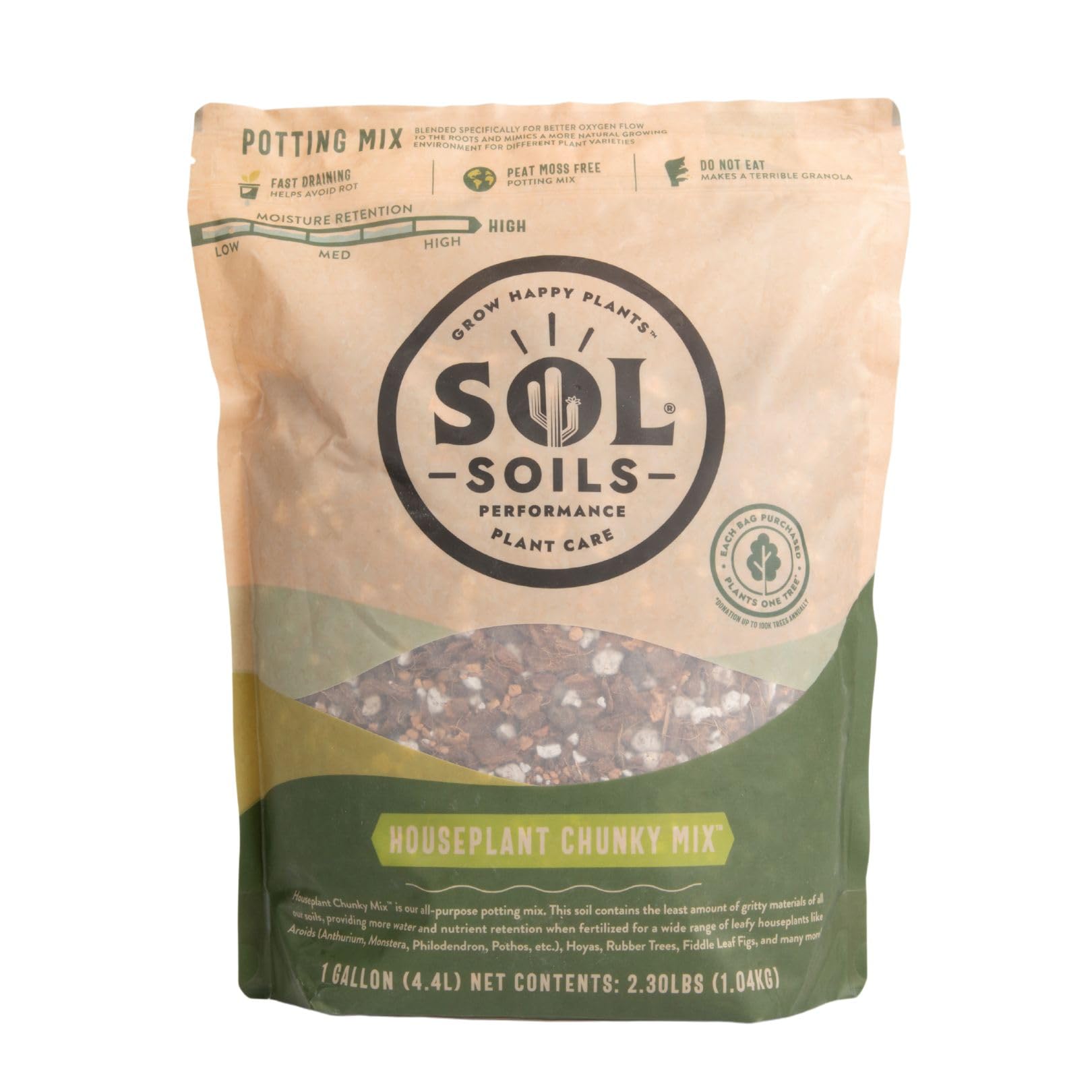
This mix is built specifically for the chunky, fast-draining conditions that pilea roots crave. The blend of coconut coir, husk chips, perlite, pumice, pine bark, and LECA creates a texture that stays open and airy even after repeated waterings — there’s virtually no risk of compaction. The peat-free formula uses coco coir instead, which resists breaking down and rewets reliably.
Owner feedback consistently highlights that plants in this mix show accelerated growth and vigorous pup production. Multiple tropical plant owners — including those growing monstera, pothos, and pilea — report that the drainage is so effective that they no longer worry about overwatering. The bag is a full gallon, offering decent volume for a specialty mix.
The main drawback is cost — this sits at the higher end of the price spectrum per quart. Some users also note that the mix arrives very dry, requiring a thorough pre-soak to prevent water from running straight through on the first watering.
What works
- Outstanding aeration and drainage — ideal for pilea
- Peat-free with sustainable coco coir base
- Clean, gnat-free, and mold-free out of the bag
What doesn’t
- Pricey per quart compared to general mixes
- Arrives very dry; needs pre-soaking
2. rePotme Philodendron and Aroid Imperial Houseplant Potting Soil Mix
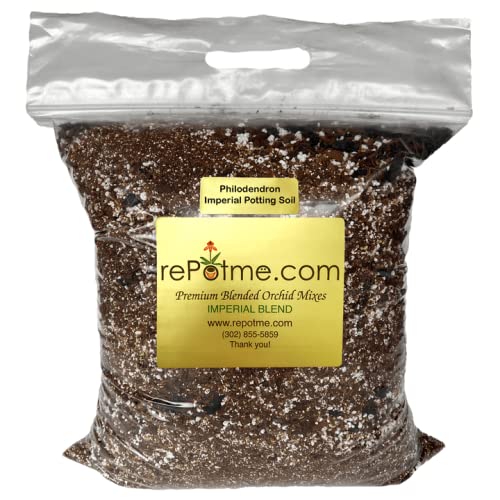
rePotme’s imperial mix is a handcrafted blend of bark, peat, and organic matter that provides a coarse, open structure. The chunky bark pieces create large air pockets that pilea roots can easily navigate, while the organic components supply steady, gentle nutrition. This is the same recipe used by some of the largest conservatories and botanic gardens.
Users consistently report that this mix outperforms standard potting soils for aroids and snake plants, noting excellent drainage paired with enough moisture retention to reduce watering frequency. The resealable pouch keeps the unused portion fresh, which is helpful given the 2-quart size is fairly small. The texture is noticeably coarse and lightweight when dry.
The biggest complaint is the price — at 2 quarts, this is one of the most expensive options per volume on the list. It also means a single bag may not be enough for larger pots, requiring multiple purchases.
What works
- Professional-grade chunky texture with large bark pieces
- Excellent water drainage without drying out too fast
- Clean, neutral smell with no visible mold
What doesn’t
- Very expensive per quart — not for large pots
- Small bag may require buying two for bigger pilea
3. Gardenera Premium Monstera Potting Soil

Gardenera formulated this mix with organic aged bark, coco coir, and perlite, plus IBI-certified biochar that helps retain nitrogen and phosphorus. The biochar component is notable — it acts like a nutrient sponge, holding onto fertilizers that would otherwise leach out, then releasing them as the plant needs them. This provides a steady feeding profile ideal for pilea’s moderate nutrient appetite.
Customers praise the chunky, well-draining texture for preventing root rot in sensitive aroids like monstera and pilea. The mix holds moisture without becoming waterlogged, and the resealable bag is a practical touch for storing leftover soil. The 1-quart size is fine for a single small to medium pot, though large pilea may need two bags.
The primary feedback is value — the bag is small for the price. Some users mention a slight earthy, mushroom-like smell, which is a sign of active organic matter but may not appeal to everyone.
What works
- Biochar improves nutrient retention and plant vigor
- Light, chunky texture prevents compaction
- Sterilized and sealed to prevent pests
What doesn’t
- Small bag (1 quart) limits how much you get
- Noticeable organic smell initially
4. Jessi Mae Potting Soil

Jessi Mae’s mix is designed with a slightly acidic pH — a useful profile for pilea, which tends to yellow when alkalinity rises above 7.0. The blend uses perlite and organic materials to keep the texture light and fluffy, promoting good air circulation around the root zone. It’s hand-mixed in small batches, which helps maintain consistency across bags.
Reviews from houseplant owners using this for peace lilies, snake plants, and pothos highlight that it supports strong new growth after repotting. The mix is free of synthetic chemicals, and the packaging uses food-grade materials. The 4-quart size delivers reasonable volume for the mid-range price point.
The most common negative is the smell — multiple customers describe a strong organic odor upon opening that takes a few days to dissipate. The mix is also on the finer side compared to chunkier aroid blends, so some pilea owners may want to add extra perlite for more drainage.
What works
- pH controlled in the acidic range suitable for pilea
- Clean, chemical-free organic ingredients
- Hand-mixed in small batches for consistency
What doesn’t
- Strong organic smell for the first few days
- Not as chunky as dedicated aroid mixes
5. Rosy Soil Cactus & Succulent Potting Mix
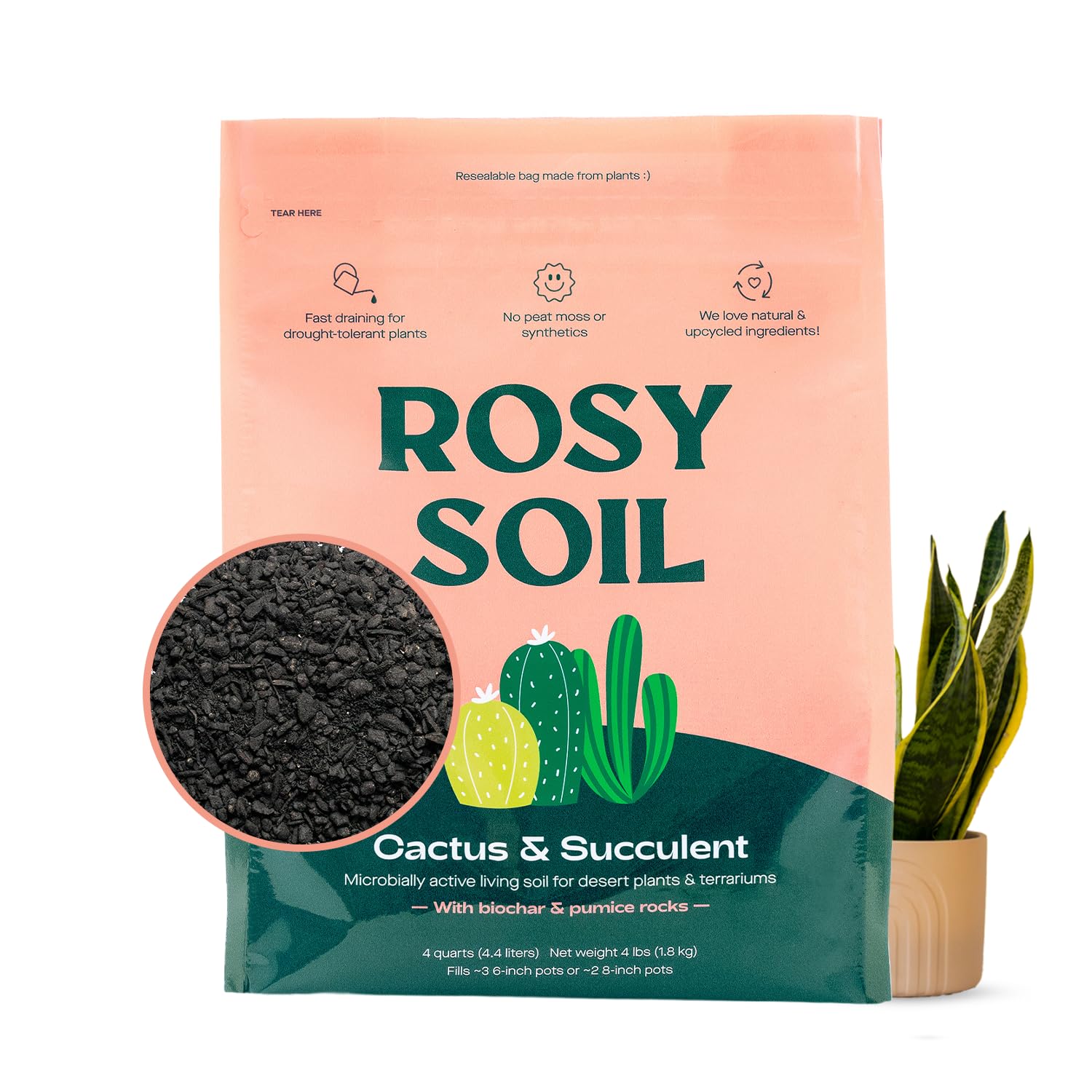
Rosy Soil’s cactus mix is built on a chunky, peat-free formula using coco coir and pumice. The standout feature is the inclusion of beneficial microbes and worm castings that create a living soil ecosystem — essentially feeding the root microbiome rather than just the plant. This can help pilea roots resist stress and absorb nutrients more efficiently.
Customers who have used this for succulents, snake plants, and ZZ plants report strong root development and no issues with rot. The texture is noticeably gritty and loose, which is exactly what a pilea needs to avoid waterlogging. The 4-quart bag fills 2-3 standard pots, and the resealable packaging keeps the mix fresh between uses.
The downsides are that this mix drains extremely fast — some users note that it needs extra perlite or bonsai grit for older succulents, though for pilea it’s nearly ideal. The bag seal can also be finicky to close properly, risking moisture loss.
What works
- Living soil with microbes and worm castings boosts root health
- Peat-free, fast-draining, and sustainable
- Versatile enough for pilea and other houseplants
What doesn’t
- Drains very fast; may require more frequent watering
- Bag closure can be unreliable
6. Perfect Plants Organic Snake Plant Soil

Perfect Plants blends coconut coir, pine bark chips, perlite, and sand to create a mix that drains quickly while retaining enough moisture for steady growth. The formula contains no slow-release fertilizer, giving you full control over feeding — useful if you prefer to adjust nutrient levels based on your pilea’s growth stage. The 4-quart size offers solid volume for a reasonable per-quart cost.
Owner feedback highlights that snake plants and pilea alike respond well to the porous texture, and the mix stays consistent between bags. The resealable bag is heavy-duty and practical for storage. For pilea, this mix works straight out of the bag — no need to add extra drainage amendments.
The main complaint is that some users feel the bag is not cost-effective for larger repotting projects. While the per-bag price is moderate, larger pots may require multiple bags, pushing the total outlay higher than bulk alternatives.
What works
- Good drainage with coco coir base and sand
- No added fertilizer — customizable feeding
- Consistent, repeatable quality per bag
What doesn’t
- Not the cheapest option for very large pots
- Some users feel it’s pricey for the volume
7. Midwest Hearth Premium Potting Soil Mix

Midwest Hearth’s mix uses peat moss, perlite, and vermiculite in a blend that mirrors professional grower formulas. The pH is controlled to suit a broad range of plants, and the texture is light and fluffy out of the bag. For a general-purpose potting soil, it offers decent aeration for the price point — much better than bargain-brand topsoil.
For pilea specifically, this mix works best when used as a base that you amend with additional perlite or orchid bark to increase chunkiness. Customers using it for seed starting and general houseplants report good root growth and no issues with mold or bugs. The 4-quart bag is affordable, making it the most budget-friendly entry point on this list.
The downsides are notable for pilea care — the vermiculite in the blend retains more water than coir or bark, and the peat can compact over time. Without amendments, this mix is denser than a dedicated aroid blend, and some users note that it needs a thorough pre-soak to prevent water from running straight through initially.
What works
- Budget-friendly price for a 4-quart bag
- Light, fluffy texture with visible perlite
- pH balanced for a wide range of plants
What doesn’t
- Holds too much moisture for pilea without amendments
- Peat base compacts over time
Hardware & Specs Guide
Perlite and Pumice Content
These lightweight volcanic materials create air pockets that allow excess water to drain away from the root zone. A mix with visible white perlite or gray pumice particles indicates good aeration. For pilea, aim for a blend where these components make up at least 20–30% of the bag’s volume by sight.
Coco Coir vs. Peat Moss
Coco coir is processed from coconut husks and resists compaction better than peat moss. It also rewets more easily after drying out, which is critical for pilea that goes through wet-dry cycles quickly. Peat-based mixes are cheaper but degrade into a dense sludge that suffocates pilea roots over several months.
FAQ
Can I use regular potting soil for my pilea?
How often should I repot my pilea into fresh soil?
Final Thoughts: The Verdict
For most gardeners, the soil for pilea winner is the Sol Soils Houseplant Chunky Mix because it delivers the ideal balance of aeration, drainage, and organic structure straight out of the bag — no amendments needed. If you want a handcrafted, botanic-grade blend with superior chunkiness, grab the rePotme Philodendron and Aroid Imperial Mix. And for a budget-friendly starting point that you can customize, nothing beats the Perfect Plants Organic Snake Plant Soil.