
Peonies are notoriously finicky about their roots sitting in wet, heavy soil. The single most common reason a peony plant fails to bloom or rots is planting it in a medium that holds too much moisture around the crown. Getting the texture and pH right from the start determines whether you will see those massive, fragrant flowers for decades.
I’m Rikta — the co-founder and writer behind Lawn Gear Lab. I’ve spent hundreds of hours analyzing soil composition data, studying how drainage, aeration, and pH levels affect plant health, and combing through thousands of verified owner reports to identify exactly what makes a soil work for peonies.
This guide breaks down the key specs that matter for these heavy-rooted perennials so you can confidently pick the best soil for peonies and stop guessing about drainage baskets and root rot.
How To Choose The Best Soil For Peonies
Peonies are heavy-feeding perennials with thick, fleshy roots that demand loose, well-draining soil with a specific pH range. Choosing the wrong mix can lead to crown rot, stunted growth, and zero flowers. Focus on these three factors to get it right the first time.
Drainage and Aeration
Peony roots rot quickly in compacted or waterlogged soil. Look for a mix that includes perlite, coarse sand, or pumice to create air pockets. The soil should drain within a few hours after a deep watering but still hold enough moisture to support the root system through dry spells. Avoid mixes that feel heavy or clay-like when squeezed.
pH Level
Peonies prefer a neutral to slightly acidic pH range between 6.0 and 7.0. A pH below 5.5 locks up essential nutrients like phosphorus, while a pH above 7.5 can cause iron and manganese deficiencies. Use a home pH tester or look for soils that specify balanced pH on the label to avoid guessing.
Organic Matter Content
Rich organic material like compost, worm castings, and kelp meal feeds peonies slowly over the growing season. The organic content should be high enough to retain moisture but not so dense that it becomes a soggy clump. Soils with mycorrhizae can also help establish stronger root networks faster.
Quick Comparison
On smaller screens, swipe sideways to see the full table.
| Model | Category | Best For | Key Spec | Amazon |
|---|---|---|---|---|
| Espoma Organic Potting Mix (2 cu ft) | Premium Organic | Deep container peonies | 2 cu ft, mycorrhizae, peat + perlite | Amazon |
| Coast of Maine Bar Harbor Blend (16 QT) | Premium Blend | Lobster compost aeration | Lobster & crab shell meal | Amazon |
| Coast of Maine Tomato & Veg (20 QT) | Compost-Rich | In-ground peony beds | Composted manure, 20 qt | Amazon |
| Brut Organic Potting Soil (1 cu ft) | OMRI Organic | pH-controlled planting | pH 6.3–6.5, worm castings | Amazon |
| Espoma Veg & Flower Garden Soil | Mid-Range Organic | Amending heavy native soil | Myco-Tone, 1 cu ft | Amazon |
| Midwest Hearth Premium Potting Mix | Entry-Level Mix | Small potted peonies | 8 dry qt, pH controlled | Amazon |
| Soil Sunrise Citrus Tree Mix | Specialty Blend | Acid-loving container perennials | 12 qt, balanced pH | Amazon |
In‑Depth Reviews
1. Espoma Organic Potting Soil Mix (2 cu ft)

Espoma’s AP2 formula combines sphagnum peat moss, humus, perlite, earthworm castings, alfalfa meal, kelp meal, and feather meal into a loamy, chunky texture that resists compaction. The proprietary Myco-Tone blend of endo and ecto mycorrhizae colonizes peony roots to improve water and nutrient uptake, which is critical during the first spring when the plant establishes its crown.
At 2 cubic feet, this bag provides enough volume to fill three large 15-gallon containers or amend a 4-by-8-foot raised bed to a depth of 6 inches. Verified customers report no gnat infestations, no crusty top layer, and visible growth within weeks of transplanting. The mix holds moisture well without becoming dense, making it ideal for peonies that dislike soggy crowns.
The organic certification and absence of synthetic chemicals mean the soil supports beneficial soil biology over multiple seasons. It works equally well for in-ground planting when blended with native soil at a 50/50 ratio, and the feather meal provides a slow-release nitrogen source that sustains foliage without burning roots.
What works
- Large 2-cubic-foot bag covers multiple containers or beds
- Mycorrhizae blend strengthens peony root systems
- Loamy, chunky texture resists crusting and compaction
What doesn’t
- Heavier weight makes it less convenient for small planters
- May need extra perlite for extremely wet climates
2. Coast of Maine Bar Harbor Blend (16 QT)
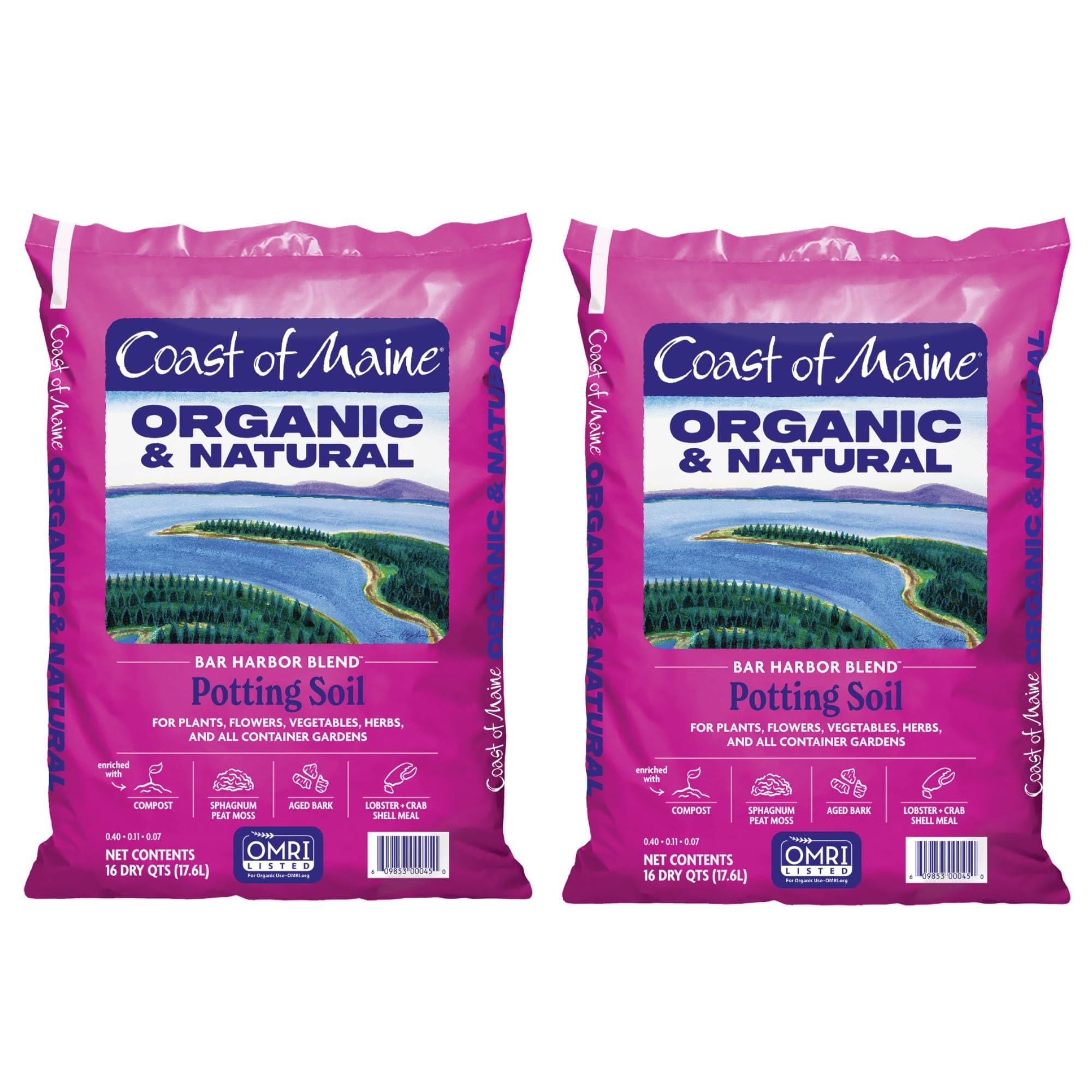
Coast of Maine uses lobster and crab shell meal as a calcium and chitin source, which naturally deters soil-borne pests while feeding peonies with slow-release nutrients. The 16-quart bag contains sphagnum peat moss, compost, perlite, and kelp meal, creating a dark, nutrient-dense base that smells earthy rather than sour.
Verified owners consistently describe this as some of the best potting soil they have used, noting that plants in Bar Harbor Blend outgrow those in cheaper mixes by a wide margin. The perlite content ensures the mix stays fluffy and drains quickly, which is non-negotiable for peony roots that need oxygen around the crown.
It is OMRI-listed and approved for organic gardening, and the slow-release nitrogen from the compost and kelp meal reduces the need for additional fertilizer during the growing season. For peonies in hanging baskets or above-ground containers, this blend provides the structural stability and nutrient density needed for heavy blooms.
What works
- Lobster shell meal adds natural pest deterrence
- Dark, compost-rich texture supports heavy feeding
- Excellent drainage without drying out too fast
What doesn’t
- 16-quart bag is smaller for larger beds
- Slightly more expensive per quart than generic blends
3. Coast of Maine Tomato & Vegetable Soil (20 QT)
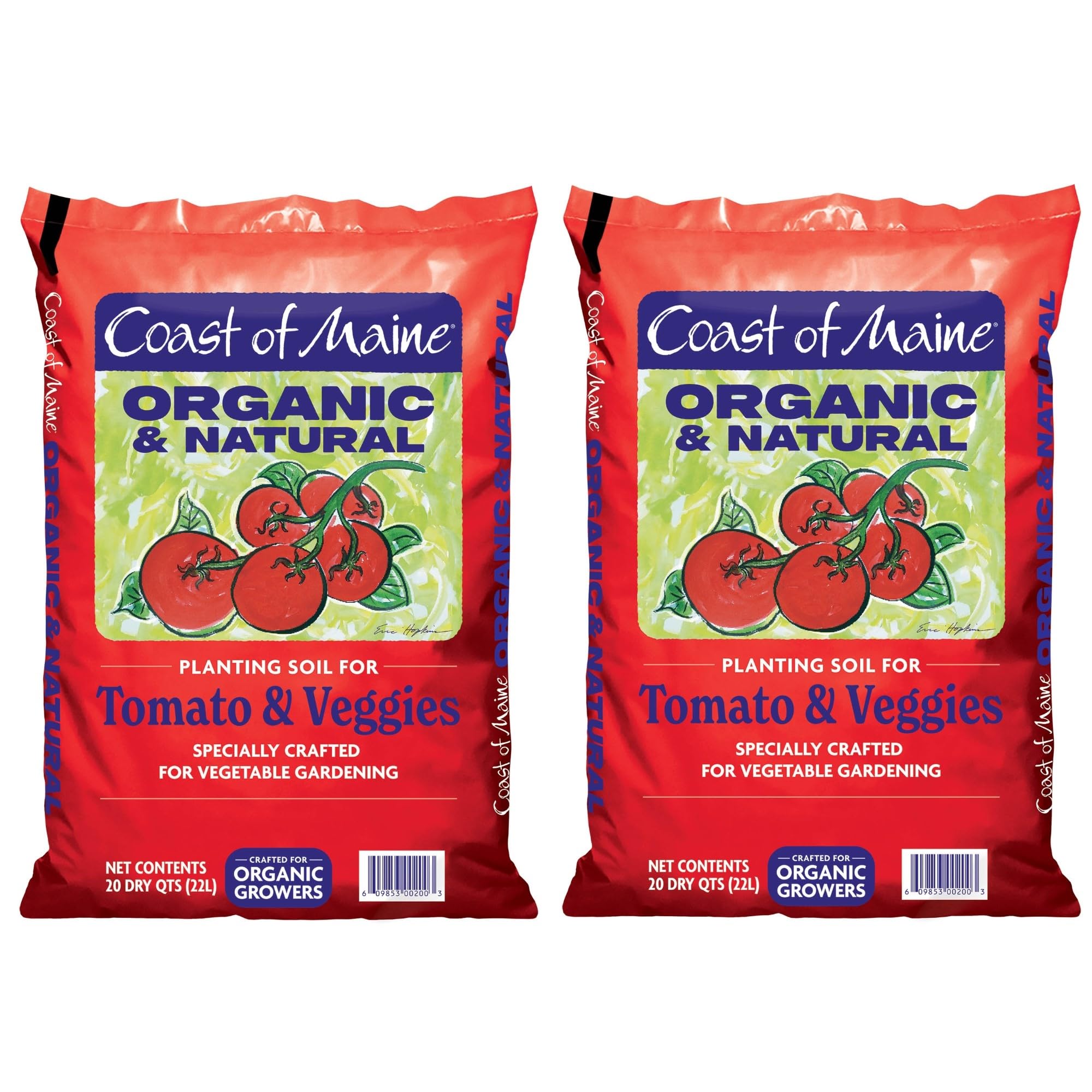
Formulated specifically for heavy-feeders like tomatoes, this Coast of Maine blend uses composted manure and sphagnum peat moss to create a lightweight, nutrient-dense mix that also works exceptionally well for in-ground peony beds. The 20-quart volume is generous enough to fill a 4-by-4-foot bed with a 4-inch top layer.
Verified customers report dramatic growth within days of transplanting peonies and other perennials, with excellent moisture retention balanced by fast drainage. The mix contains cedar and aromatic wood particles that naturally deter insects, though some users note the need to disinfect the soil before indoor use to prevent fungus gnats.
For peonies planted directly in the ground, this soil is ideal for amending native clay or sandy soil because the composted manure improves structure without creating a waterlogged layer. The OMRI listing ensures it meets organic standards, and the slow-release nutrients reduce the need for mid-season feeding.
What works
- High nutrient density from composted manure
- 20-quart bag provides good coverage for beds
- Cedar content naturally repels soil insects
What doesn’t
- May require disinfecting for indoor containers
- Can attract fungus gnats if stored damp
4. Brut Organic Potting Soil (1 cu ft)
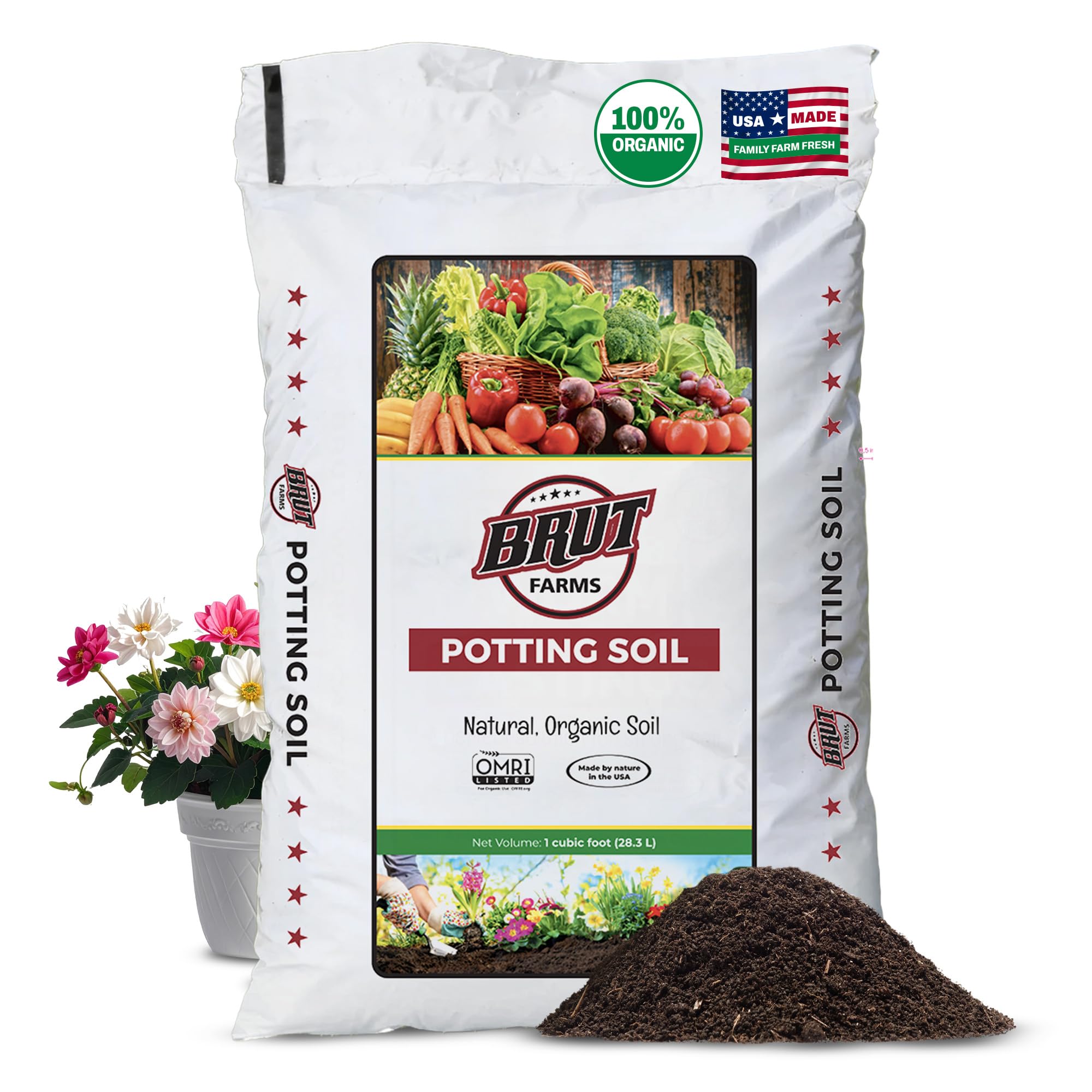
Brut Worm Farms pre-adjusts this mix to a pH range of 6.3 to 6.5, which sits right in the sweet spot for peonies. The soil contains microbe-rich worm castings, Azomite trace minerals, and kelp meal, all packed into a 1-cubic-foot bag that is free of sticks, wood chips, and synthetic fillers.
Verified owners praise the fine, particulate texture that is easy to work with and note that plants show deep green leaves and new growth within days of transplanting. The high organic content from worm castings feeds peonies at the root level without requiring additional fertilizers during the first growing season.
The OMRI certification confirms no synthetic chemicals, making it safe for organic peony gardens. The pH precision eliminates the guesswork of adjusting soil acidity, which is especially helpful for gardeners who have had peonies fail in acidic or alkaline native soil.
What works
- Pre-adjusted pH 6.3–6.5 is ideal for peonies
- Fine, filler-free texture is easy to work with
- Worm castings provide immediate root nutrition
What doesn’t
- Higher price point than generic bagged soils
- May attract flies if left open near organic matter
5. Espoma Vegetable & Flower Garden Soil (1 cu ft)

Espoma’s VFGS1 is designed for in-ground use when planting or transplanting, making it a budget-friendly option for amending native peony beds. The 1-cubic-foot bag contains a rich blend of organic ingredients, earthworm castings, and the same Myco-Tone beneficial fungi found in Espoma’s premium potting mix.
Verified customers report that plants in Espoma’s garden soil outperform those in generic bagged mixes, with noticeable differences in bloom size and leaf color. The mix is intended to be blended 50/50 with native garden soil, which helps improve drainage and nutrient content without costing as much as filling an entire bed with premium mix.
No synthetic chemicals are used, and the mycorrhizae help peony roots establish quickly even in less-than-perfect native soil. For gardeners with heavy clay or sandy soil who need to improve the root zone without breaking the budget, this is a solid choice.
What works
- Myco-Tone helps peonies establish in poor native soil
- Affordable 1-cubic-foot bag covers small beds
- Natural ingredients support organic gardening
What doesn’t
- Not a standalone potting mix; must blend with native soil
- Some users report soil gnats in indoor containers
6. Midwest Hearth Premium Potting Mix (8 qt)

Midwest Hearth’s 8-dry-quart bag uses the same formulation professional growers rely on, blending peat moss, perlite, and vermiculite in a light, fluffy texture that promotes excellent aeration and moisture retention without becoming soggy. The pH is balanced to support a broad spectrum of plants, including peonies.
Verified owners highlight its performance as a seed starter and for small container projects, noting that the resealable bag is convenient for storing leftover mix. The texture stays airy over time and does not harden around roots, which is critical for the fleshy root system of peonies.
While the 8-quart size is small, it is perfect for planting a single peony in a 5-gallon pot or for topping off small raised beds. For gardeners with limited space or those starting a few container peonies, this mix provides the right structure and pH control at a competitive price per quart.
What works
- Light, fluffy texture prevents root binding
- Resealable bag for convenient storage
- pH-balanced for a wide range of plants
What doesn’t
- Small 8-quart size limits large-scale planting
- Some users find the price per quart higher than bulk options
7. Soil Sunrise Citrus Tree Potting Mix (12 qt)

Soil Sunrise’s citrus blend is engineered for superior aeration, effective drainage, and nutrient retention with a balanced pH, making it a viable option for container peonies that need a slightly acidic environment. The 12-quart box contains a peat-based mix that holds just enough moisture without drowning the crown.
Verified customers report excellent results with lime, lemon, and guava trees, and note that the mix supports steady growth without constant watering. For peonies, the key advantage is the fine texture that allows roots to spread easily without compacting. The packaging uses a plastic bag inside a box, which some users find less convenient than a resealable bag.
While this mix is specifically marketed for citrus, its pH and drainage profile overlap well with peony requirements. It is a solid backup choice for gardeners who already use it for other acid-loving plants and want a single mix for multiple perennials.
What works
- Excellent aeration and nutrient retention
- Balanced pH supports peony root health
- 12-quart bag offers decent volume for containers
What doesn’t
- Packaging is a box with inner bag, not resealable
- Designed for citrus; may need amendment for peonies
Hardware & Specs Guide
Bag Volume and Coverage
Most peony-friendly soils come in bags ranging from 8 dry quarts to 2 cubic feet. One cubic foot covers about 7.5 gallons of container volume, or enough to fill a 3-by-4-foot raised bed to a depth of 4 inches. For a single peony in a 5-gallon pot, 8 dry quarts is sufficient. For multiple plants or bed amending, choose a 1- or 2-cubic-foot bag to reduce the number of bags you need.
Mycorrhizae and Root Inoculants
Soils with added endo and ecto mycorrhizae, like Espoma’s Myco-Tone, form a symbiotic relationship with peony roots. These fungi extend the root’s reach, improving water and phosphorus uptake by up to 40 percent. For peonies that are notoriously slow to establish, mycorrhizae can cut the acclimation period significantly and lead to stronger first-year growth.
FAQ
Should I use potting mix or garden soil for peonies?
Can I use citrus soil for peonies?
Why do my peonies rot even in good soil?
Final Thoughts: The Verdict
For most gardeners, the soil for peonies winner is the Espoma Organic Potting Soil Mix (2 cu ft) because its mycorrhizae blend and loamy texture provide the drainage and root support peonies need to thrive. If you want a premium compost-rich option with natural pest deterrence, grab the Coast of Maine Bar Harbor Blend. And for gardeners on a tighter budget who need to amend heavy native soil, the Espoma Vegetable & Flower Garden Soil is a solid value choice.