
Raised bed gardening lives or dies on what you fill the frame with. Pack in heavy topsoil, and your roots fight for oxygen. Use cheap bagged mix full of wood chunks, and you watch water pool on the surface while the lower layers turn into concrete. The right blend balances aeration, moisture retention, and fertility — and most bagged options miss at least one.
I’m Rikta — the co-founder and writer behind Lawn Gear Lab. I’ve spent dozens of hours cross-referencing soil science data, scanning for OMRI listings, analyzing NPK ratios, pH ranges, and drainage specs, then mining thousands of owner reports to separate the mixes that actually perform from the ones that just look good on the label.
Whether you need a complete refill or just a top-dress amendment, finding the right blend starts here. This guide breaks down the best options so you can confidently choose the best raised bed soil for your garden’s specific needs.
How To Choose The Best Raised Bed Soil
Raised bed soil is not the same as garden topsoil or potting mix. The confined space of a raised bed means water drains faster, roots hit the bottom sooner, and nutrients get depleted more quickly. A successful blend must be loose enough to allow air circulation but heavy enough to hold moisture through dry spells.
Aeration and Drainage
The number one killer of raised bed plants is waterlogged roots. A soil that compacts too easily will suffocate root systems. Look for components like perlite, pumice, coarse coconut coir chips, or bark that create physical air pockets. If the bag feels dense and heavy for its volume, it likely lacks structural porosity.
pH and Nutrient Content
Most vegetables prefer a pH between 6.0 and 7.0. If you are growing acid-loving plants like blueberries, azaleas, or potatoes, you need a mix specifically formulated with a lower pH (around 4.5–5.5). Check for added organic fertilizers like worm castings, kelp meal, or bone meal. Avoid synthetic slow-release granules if you want certified organic produce.
Organic Certification and Fillers
An OMRI listing guarantees no synthetic pesticides or chemical fertilizers were used. Equally important: the absence of fillers. Some low-cost soil products use large wood chips, shredded bark, or green waste that rob nitrogen from the soil as they decompose. Read the ingredient list — if you see “forest products” without specificity, treat it as a red flag.
Quick Comparison
On smaller screens, swipe sideways to see the full table.
| Model | Category | Best For | Key Spec | Amazon |
|---|---|---|---|---|
| Brut Organic Potting Soil | Complete Mix | All-purpose raised beds | pH 6.3–6.5, OMRI listed | Amazon |
| Coast of Maine Lobster Compost | Soil Amendment | Nutrient boost & structure | Chitin-rich, OMRI listed | Amazon |
| PlantBest Coconut Coir Block | Aeration Base | Hydroponics & drainage fix | Expands to 2.65 cu ft | Amazon |
| R&M Organics Premium Compost | Soil Amendment | Reviving ailing plants | Manure-based, 10 lb bag | Amazon |
| Riare Coco Chips | Aeration Base | Mulch & drainage layer | Expands to 72 qt | Amazon |
| Coast of Maine Acid-Loving Soil | Specialty Mix | Blueberries & azaleas | Low pH, 20 qt bag | Amazon |
In‑Depth Reviews
1. Brut Organic Potting Soil
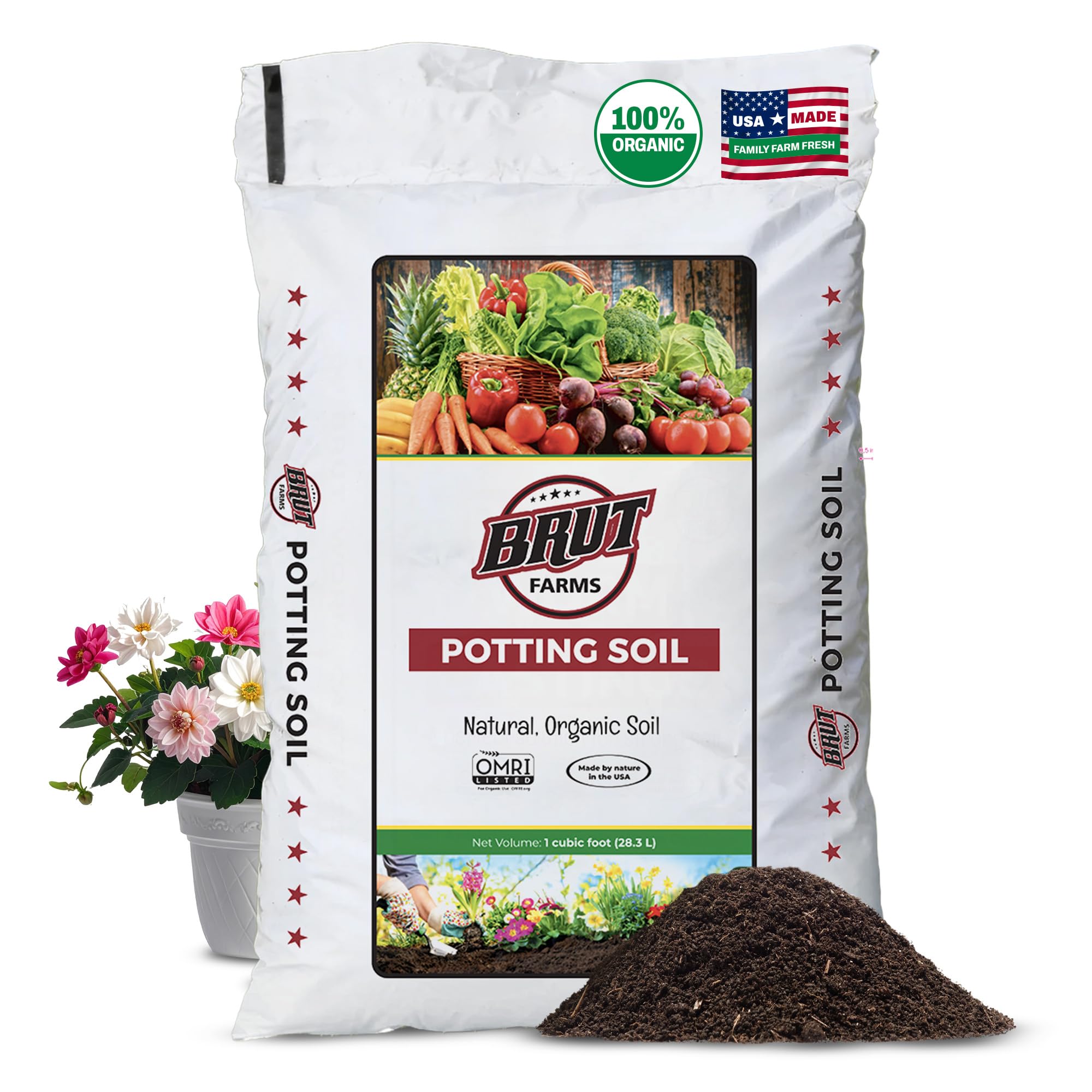
Brut delivers a complete, ready-to-use mix that works straight out of the bag — no additional blending required for most raised beds. The formula integrates worm castings, azomite trace minerals, and kelp for a microbe-rich foundation that feeds roots from day one. At a pH of 6.3 to 6.5, it lands squarely in the sweet spot for vegetables, herbs, and annual flowers.
What sets Brut apart is its texture. Owners consistently report a fine, even particulate with no large wood chips, sticks, or bark chunks. That matters because coarse fillers create dry pockets and rob nitrogen. The 1-cubic-foot bag gives you enough volume for a standard 4×4 bed at around 6 inches deep, making it a practical choice for a mid-season refresh or a full fill.
The primary drawback is cost per cubic foot. When used as a complete fill for multiple large beds, the expense adds up quickly — owners often recommend blending it with cheaper aeration components like perlite or coir to stretch the bag further without sacrificing quality.
What works
- Fine, uniform texture with zero wood filler
- Certified organic with beneficial microbes and trace minerals
- pH falls perfectly in the 6.3–6.5 range for most edibles
What doesn’t
- Premium pricing relative to bag volume
- Attracts flies if left exposed due to fish/bone meal content
2. Coast of Maine Quoddy Blend Lobster Compost
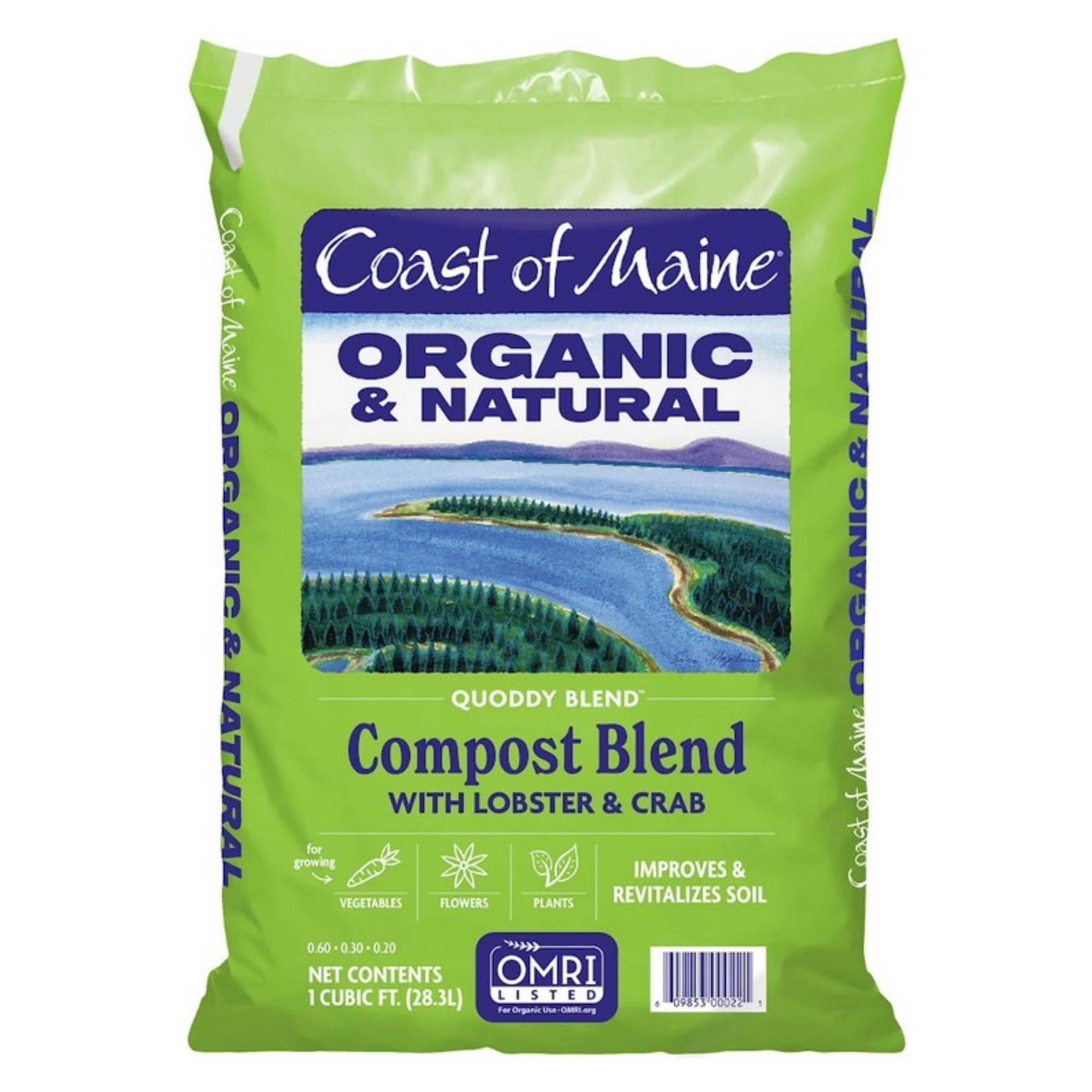
This is not a stand-alone potting mix. Coast of Maine’s Quoddy Blend is a soil amendment — a powerhouse additive meant to be mixed into existing bed soil or blended with a base like coir or peat. The chitin derived from lobster and crab shells feeds beneficial soil bacteria that naturally suppress fungal pathogens, a unique benefit you will not find in manure-only composts.
The texture is light and fluffy, almost fluffy enough to feel dry, but the material holds moisture well once incorporated. Owners describe it as nearly odorless with no manure smell and a dark, crumbly consistency that integrates easily. It excels at improving both water retention and drainage simultaneously — a rare combination in a single bag. The 1-cubic-foot size is compact enough to carry easily yet yields a substantial volume when fluffed.
Because it is a concentrated amendment, you cannot use it as a straight fill. You need a base soil to blend it into, which adds to the total project cost. Additionally, some users find the bag slightly under-filled compared to expectations, though the quality of the material usually outweighs the volume complaints.
What works
- Unique chitin content supports disease-suppressive soil biology
- Light texture improves aeration without adding weight
- No manure odor — clean, earthy scent
What doesn’t
- Cannot be used as a standalone potting mix
- Some bags appear slightly less full than advertised volume
3. PlantBest Compressed Coconut Coir Block
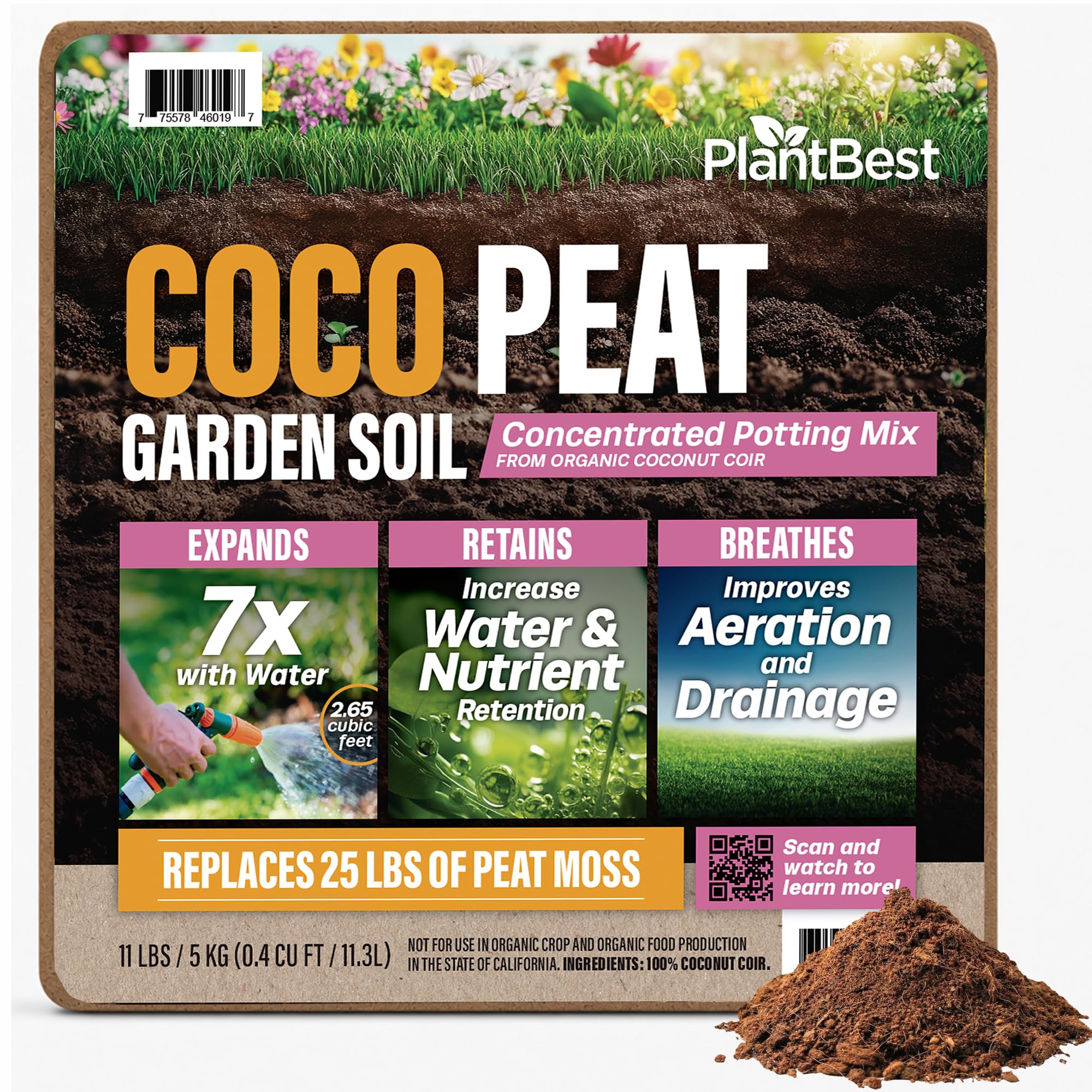
The PlantBest coir block is the most economical way to add organic matter and aeration to raised beds. A single 11-pound brick expands to about 2.65 cubic feet of growing medium — roughly the same volume as three standard 8-quart bags of potting mix. The compressed format saves significant storage space and shipping weight compared to pre-moistened bagged soil.
The coir is triple-washed to reduce salt content, a critical detail for sensitive seedlings and hydroponic applications. It absorbs up to ten times its dry weight in water, creating a reservoir effect that buffers against drying out between waterings. The texture is loose and airy, making it an excellent counterbalance for dense clay or heavy topsoil blends. Owners report it expands fully within 30 to 60 minutes when warm water is used, though cooler water can slow the process considerably.
The nutrient profile is essentially zero — coir is an inert medium. If you use it as a primary raised bed component, you must add compost, worm castings, or a balanced organic fertilizer. It also retains moisture so well that overwaterers may need to adjust their schedule to avoid soggy conditions in the bottom layer of deep beds.
What works
- Outstanding value per cubic foot after expansion
- Triple-washed, low-EC, low-salt formula
- Renewable peat moss alternative with neutral pH
What doesn’t
- Completely inert — must add nutrients and compost
- Expansion can be slow and uneven with cold water
4. Coast of Maine Acid-Loving Planting Soil

This is the go-to choice if your raised bed is dedicated to blueberries, rhododendrons, azaleas, or strawberries. Coast of Maine formulates this mix with a lowered pH using sphagnum peat moss and composted manure, creating an environment where acid-loving species can absorb iron and other micronutrients that would be locked up at neutral pH levels.
The texture is lightweight and easy to work — owners praise its consistency for both in-ground planting and container use. The moisture retention is strong without becoming waterlogged, a balancing act that many low-pH mixes fail to achieve. The bag volume (20 quarts) is generous enough to fill several large containers or a single deep raised bed segment. Horticulture fans note that plants show visible improvement in leaf color and new growth within two weeks of transplanting into this medium.
The downside is specificity. If your garden contains a mix of acid-lovers and neutral-pH vegetables, using this soil everywhere will stunt crops like tomatoes, peppers, and beans. You cannot substitute this for an all-purpose raised bed soil without adjusting pH upward for the non-acid plants. Also, the 20-quart bag size means you need several bags for a large bed, driving up the upfront expense.
What works
- Delivers reliably low pH for acid-loving crops
- Light, fluffy texture with excellent moisture drainage
- Fast visible results — improved growth and flower production
What doesn’t
- Not suitable for neutral-pH vegetables without amending
- Multiple bags required for large beds; per-bag cost adds up
5. R&M Organics Premium Organic Compost
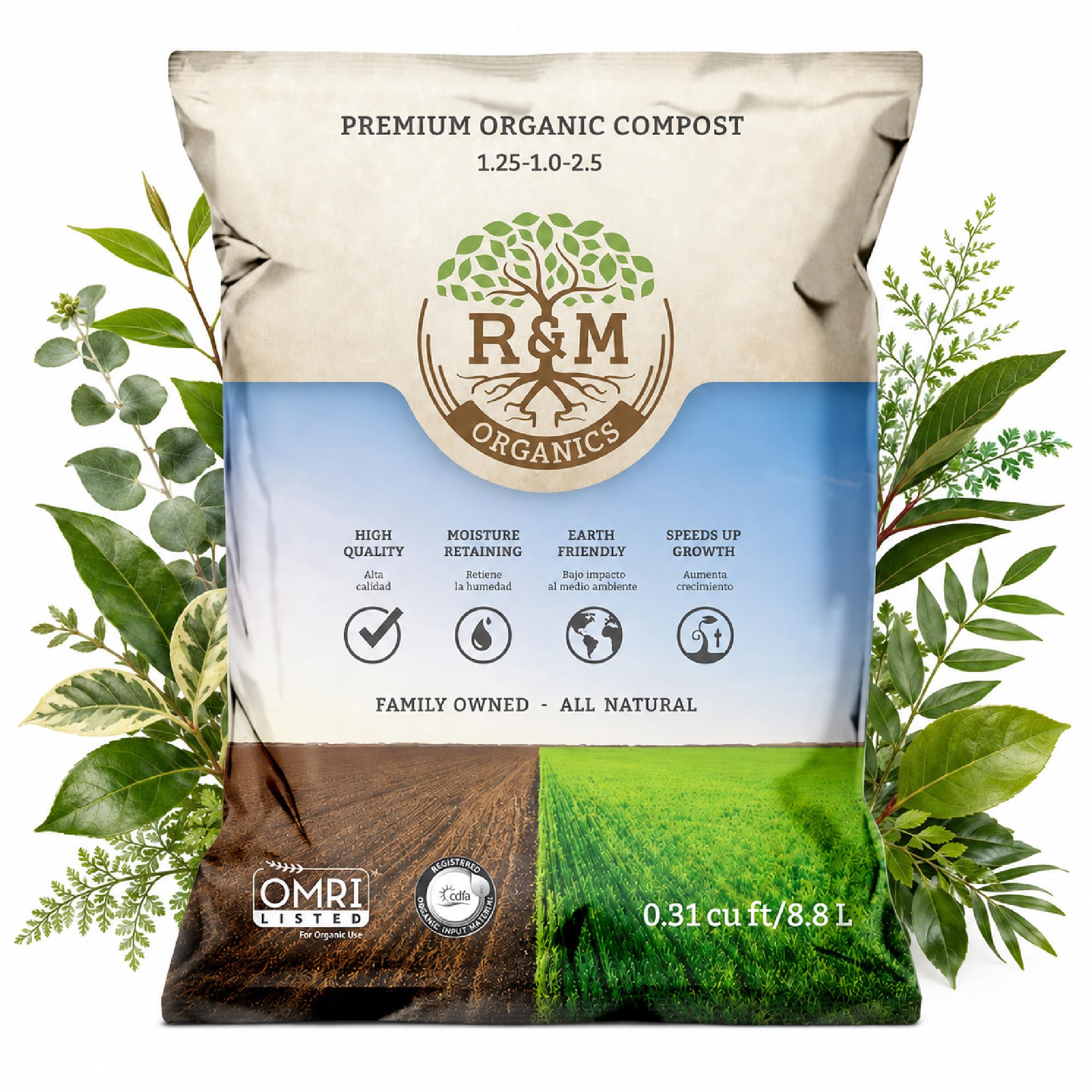
R&M Organics offers a concentrated dairy manure compost in a compact 10-pound bag that punches above its weight as a rescue amendment. Owners have documented cases of ailing azaleas, yellowing tomato plants, and stressed honeysuckles bouncing back within a week of top-dressing with this compost. The material is fully composted and aerated, which keeps the odor low — more like damp earth than raw manure.
Its strength is versatility. You can use it as a thin quarter-inch top-dress around existing plants, work it into new bed soil before planting, or brew it into compost tea. The moisture retention improvement is noticeable: soil treated with this compost stays damp longer between waterings. The fine texture integrates without leaving visible clumps or chunks.
The 10-pound bag covers only a small area — roughly 2 to 3 square feet at the recommended application rate. For filling a full raised bed, you need many bags, which makes this option impractical as a primary soil source. It works best as a targeted amendment for specific plants that need a nutrient boost, not as a bulk fill solution.
What works
- Revives struggling plants noticeably within a week
- Low odor, fine texture, easy to apply as top-dress
- Improves moisture retention in sandy or depleted soil
What doesn’t
- Very small bag volume — not economical for large beds
- Price per pound is high for bulk applications
6. Riare Coco Chips Substrate

Riare’s coco chips are a coarse, chunky alternative to the fine coir dust found in most compressed bricks. The chips are large enough to create substantial air pockets in heavy soil, making this an excellent choice for gardeners fighting compaction or root rot in raised beds. The pieces break down slowly — owners report they last significantly longer as a mulch than pine straw or fine bark.
The 10-pound compressed brick expands to about 72 quarts when hydrated, a generous volume for the price point. The material is low EC and pH-balanced, so it will not swing your soil chemistry unexpectedly. Owners praise the texture for DIY chunky potting mixes, especially for orchids, aroids, and other plants that demand high aeration. When used as a top-dressing mulch, it suppresses weeds effectively while letting water penetrate quickly.
The chip size is too large for seed starting or fine-rooted seedlings. You need to screen or sift if you want a finer medium for germination. Some owners also feel the quantity should be higher for the cost, especially when compared to cheaper coco coir dust bricks that expand to a larger volume of finer particles.
What works
- Coarse chips create superior aeration and drainage
- Breaks down slowly — lasts longer than bark or pine straw mulch
- Low EC and balanced pH; safe for sensitive plants
What doesn’t
- Too coarse for seed starting without screening
- Value perception is mixed — some want more volume per dollar
Hardware & Specs Guide
pH Range
The pH of your raised bed soil determines nutrient availability. Most vegetables thrive between 6.0 and 7.0. Acid-loving plants like blueberries and azaleas require 4.5 to 5.5. Always check the bag labeling — a neutral-pH mix will stunt acid lovers, and a low-pH mix will lock out calcium and magnesium for standard crops. If your water is alkaline, factor that in too; it will gradually raise the pH of any organic soil over time.
Organic Matter Content
This is the percentage of decomposed plant and animal material in the mix. Higher organic matter improves water holding capacity and feeds soil microbes. Look for a blend that includes at least one major source — worm castings, composted manure, or lobster/crab meal. Avoid products where “forest products” or “aged bark” dominate the ingredient list, as these can tie up nitrogen during decomposition.
FAQ
Can I use pure coconut coir as raised bed soil?
How much soil do I need to fill a 4×4 raised bed?
What does OMRI listed mean for raised bed soil?
Final Thoughts: The Verdict
For most gardeners, the best raised bed soil winner is the Brut Organic Potting Soil because it delivers a complete, filler-free mix with worm castings and trace minerals right out of the bag. If you want a targeted nutrient boost, grab the Coast of Maine Quoddy Blend Lobster Compost. And for budget-friendly aeration and moisture control, nothing beats the PlantBest Coconut Coir Block.