
Green beans are the overachievers of the garden—quick to sprout, eager to climb, and generous with their harvest. But the moment you hit them with a heavy-handed nitrogen blast, you trigger a runaway train of leafy growth at the expense of the actual pods. The difference between a scraggly basket of leaves and a heavy bucket of tender beans often comes down to the NPK ratio you choose.
I’m Rikta — the co-founder and writer behind Lawn Gear Lab. I’ve spent hundreds of hours cross-referencing horticultural trial data, dissecting OMRI listings, reading through thousands of verified owner reports, and mapping NPK ratios to how snap beans, pole beans, and bush beans actually set fruit in real-world soil conditions.
Whether you prefer organic granules for a steady release or liquid fish emulsions for quick green-up, the right fertilizer for green beans balances phosphorus and potassium without pushing too much soft vegetative growth that invites disease.
How To Choose The Best Fertilizer For Green Beans
Green beans are leguminous, meaning they fix atmospheric nitrogen through a symbiotic relationship with Rhizobium bacteria in the soil. Over-fertilizing with nitrogen disrupts this natural process and pushes the plant into excessive foliage growth, delaying pod set and reducing yield. The ideal formula for green beans delivers moderate phosphorus and potassium to support flowering, pod fill, and root vigor.
NPK Ratio: The Middle Number Matters Most
For green beans, a balanced or slightly phosphorus-heavy ratio such as 5-7-3, 4-6-2, or 3-4-4 works best. The first number (N) should be kept modest—too much nitrogen forces the plant to produce leaves rather than flowers. The second number (P) drives root development and blossom formation. The third number (K) supports water regulation and overall plant stamina during the fruiting stage.
Organic vs. Synthetic Release Patterns
Organic granular fertilizers like worm castings and blended meals release nutrients slowly as soil microbes break them down, reducing the risk of root burn and providing a steady supply over several weeks. Liquid fish emulsions offer faster green-up but may require reapplication every three weeks during the growing season. For green beans, a slow-release organic approach generally produces more consistent pod set without a mid-season nutrient crash.
Calcium and Mycorrhizal Additives
Blossom end rot can affect green bean pods, especially in containers or unevenly watered beds. A fertilizer containing calcium helps prevent this disorder. Mycorrhizal fungi colonize the root zone, increasing the surface area for nutrient and water absorption—particularly useful if your soil is sandy or low in organic matter. Look for products that list these ingredients if you are dealing with heat stress or poor native soil.
Quick Comparison
On smaller screens, swipe sideways to see the full table.
| Model | Category | Best For | Key Spec | Amazon |
|---|---|---|---|---|
| FoxFarm Happy Frog Tomato & Vegetable | Granular Organic | Vigorous pod set | 5-7-3 NPK + Calcium | Amazon |
| Gaia Green Bundle (All Purpose + Power Bloom) | Granular Organic | Season-long flexibility | 4-4-4 & 2-8-4 Combo | Amazon |
| Espoma Garden-Tone 3-4-4 | Granular Organic | Cool/warm season beans | 3-4-4 + 5% Calcium | Amazon |
| FoxFarm Happy Frog All Purpose 6-4-5 | Granular Organic | Established garden beds | 6-4-5 + Soil Microbes | Amazon |
| Down To Earth All Purpose 4-6-2 | Granular Organic | Transplants & seedlings | 4-6-2 + Kelp Meal | Amazon |
| Alaska Fish Fertilizer 5-1-1 | Liquid Organic | Early vegetative green-up | 5-1-1 Liquid Concentrate | Amazon |
| Back to the Roots Worm Castings | Organic Amendment | Seedling-safe amendment | 0.5-0-0 Granular Castings | Amazon |
In‑Depth Reviews
1. FoxFarm Happy Frog Tomato & Vegetable 5-7-3

The 5-7-3 NPK profile hits the exact sweet spot for green bean growers who want robust flowering without excessive leaf growth. The moderate phosphorus level supports strong root establishment and consistent pod set, while the added calcium directly addresses blossom end rot—a common issue when beans are grown in containers or unevenly irrigated raised beds. The granular form integrates easily into the top few inches of soil around the drip line.
Owner reports consistently note that this formula works especially well for snap beans and pole beans when applied at planting time and again during early flowering. The mycorrhizal fungi component improves nutrient uptake in soils that are low in organic matter, which is a frequent scenario for gardeners rotating beans into a new bed. Multiple reviews mention that plants treated with this mix produced heavier clusters compared to previous seasons using generic vegetable food.
Some users find the cost higher than standard all-purpose blends, but the targeted ratio reduces the need for supplemental amendments during the fruiting phase. The smell is mild compared to fish-based products, making it suitable for gardeners who compost near their home or keep beds close to entertainment areas. For a dedicated bean patch, this remains the most reliable single-bag solution on the market.
What works
- Phosphorus-heavy ratio prevents nitrogen-driven leaf overload
- Calcium inclusion stops blossom end rot on container-grown beans
- Mycorrhizal fungi boost root efficiency in poor soil
What doesn’t
- Premium price point compared to general vegetable blends
- Requires two applications per season for best pod density
2. Gaia Green Bundle (4-4-4 All Purpose + 2-8-4 Power Bloom)
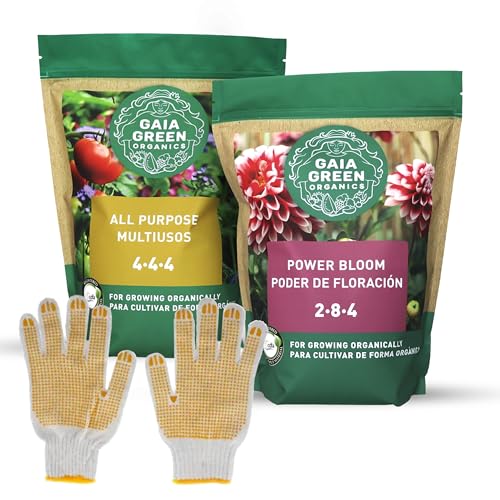
This bundle gives the green bean grower the rare ability to switch ratios mid-season without buying separate bags. The 4-4-4 All Purpose works perfectly as a pre-plant and early vegetative feed, delivering a balanced supply of macronutrients without overwhelming the bean’s natural nitrogen-fixing ability. Once flowering begins, the 2-8-4 Power Bloom pushes phosphorus and potassium to maximize pod fill and bean density.
Owner feedback highlights the slow-release granular format as a major advantage—the nutrients break down steadily, feeding the soil microbiome rather than causing a growth spike. Gardeners growing heavy-producing varieties like Blue Lake or Kentucky Wonder report that the two-stage approach extends the harvest window by several weeks because the plants remain in a reproductive growth phase rather than flushing new leaves. The resealable pouches also protect against moisture and pests during storage.
The bundle comes with a pair of garden gloves, which is a thoughtful addition for new growers, but the primary value is in the nutrient flexibility. You will need to plan your application timing carefully—apply the 4-4-4 at planting and top-dress with the 2-8-4 as the first flowers appear. For dedicated bean growers who want season-long precision, this is the most versatile option available.
What works
- Two separate ratios allow transition from veg to flowering phase
- Slow-release granules prevent nutrient burn and runoff
- Resealable pouches keep contents dry and fresh
What doesn’t
- Requires tracking two separate application schedules
- Higher upfront investment than a single-bag solution
3. Espoma Garden-Tone 3-4-4 (Pack of 2)

The 3-4-4 ratio is specifically engineered for edible crops that should not be pushed hard with nitrogen—green beans are the poster child for this approach. With a modest first number and a solid boost of phosphorus and potassium, Garden-Tone encourages strong root architecture and abundant pod development while keeping the foliage manageable. The 5% calcium content is a direct safeguard against blossom end rot in beans grown in containers or sandy soils.
This pack includes two 4-pound bags, which is enough to feed a 50-square-foot bean patch for an entire season when applied monthly. The Bio-tone formula includes beneficial microbes that stay dormant until soil temperatures rise, activating right as your bean seedlings establish. Reviews from growers in both cool coastal zones and hot inland regions confirm that Garden-Tone works reliably across a wide range of climates without burning tender roots.
The biggest reservation among users is the noticeable smell during application, which is typical for organic meals containing feather meal and bone meal. The odor dissipates within a day, but gardeners with sensitive noses may want to apply it a few hours before rain or a deep watering. For anyone who wants a set-and-forget granular feed that respects the bean’s natural nitrogen cycle, this two-pack delivers outstanding value per pound.
What works
- Low nitrogen content matches bean’s natural fixation capacity
- Calcium prevents pod tip rot in containers
- Two-bag pack covers full season for small to medium beds
What doesn’t
- Strong organic smell lingers for 24 hours after application
- Requires monthly reapplication for best results
4. FoxFarm Happy Frog All Purpose 6-4-5

The 6-4-5 ratio is slightly higher in nitrogen than the ideal bean formula, but the inclusion of active beneficial soil microbes changes how those nutrients are delivered. The microbes break down the granular feed gradually, which tempers the nitrogen release and prevents the explosive leafy growth that a straight 6-4-5 synthetic would cause. This makes it a strong option for established garden beds where the soil already has decent microbial activity.
Owner reports note that this formula works particularly well when mixed into the top layer of soil before planting and then watered in thoroughly. Several gardeners using it on bush beans mentioned that the plants stayed a rich, dark green without becoming overly tall or floppy, and pod production was consistent through the season. The OMRI listing adds confidence for growers who want to maintain organic certification or simply avoid synthetic additives.
The most common complaint is the strong manure-like odor during and immediately after application. Some users also caution against applying too thickly on the soil surface, as it can develop white mold if left dry for several days. For gardeners who already use Happy Frog potting soil and want a matching top-dress fertilizer, the compatibility is a real convenience, but growers in very wet climates should monitor moisture levels after application.
What works
- Microbes moderate nitrogen release to suit bean physiology
- OMRI listed for certified organic production
- Works seamlessly with FoxFarm potting soil blends
What doesn’t
- Strong smell requires outdoor or ventilated storage
- Risk of surface mold if granules are applied too thickly
5. Down To Earth All Purpose 4-6-2

The 4-6-2 ratio is one of the most balanced organic profiles available for green beans, providing just enough nitrogen for steady leaf growth while keeping phosphorus significantly higher to drive root and flower development. The inclusion of fish bone meal, rock phosphate, langbeinite, greensand, humates, and kelp meal creates a broad micronutrient base that supports bean plants through stress from heat or inconsistent watering.
Growers transitioning seedlings into the garden report that the gentle, non-burning formula is safe for young bean transplants, even when incorporated directly into the planting hole. The OMRI listing and whole-ingredient list give confidence to gardeners who want to avoid synthetic carriers or filler materials. Multiple owners note that the 5-pound box covers about 50 square feet of row crop area for the entire season when applied at the recommended rate.
The main drawback is the smell, which reviewers describe as noticeably pungent for the first few days after application—typical of feather and blood meal-based dry fertilizers. The granules also tend to clump slightly in humid conditions, so storing the box in a sealed container is advisable. For the price per pound, this is the most nutrient-dense organic option that stays within a bean-safe NPK window.
What works
- Phosphorus-heavy 4-6-2 ratio is ideal for pod formation
- Safe for direct root contact with seedlings and transplants
- Broad micronutrient blend from whole-food ingredients
What doesn’t
- Strong odor lasts several days in the garden
- Granules can clump in humid storage conditions
6. Alaska Fish Fertilizer 5-1-1
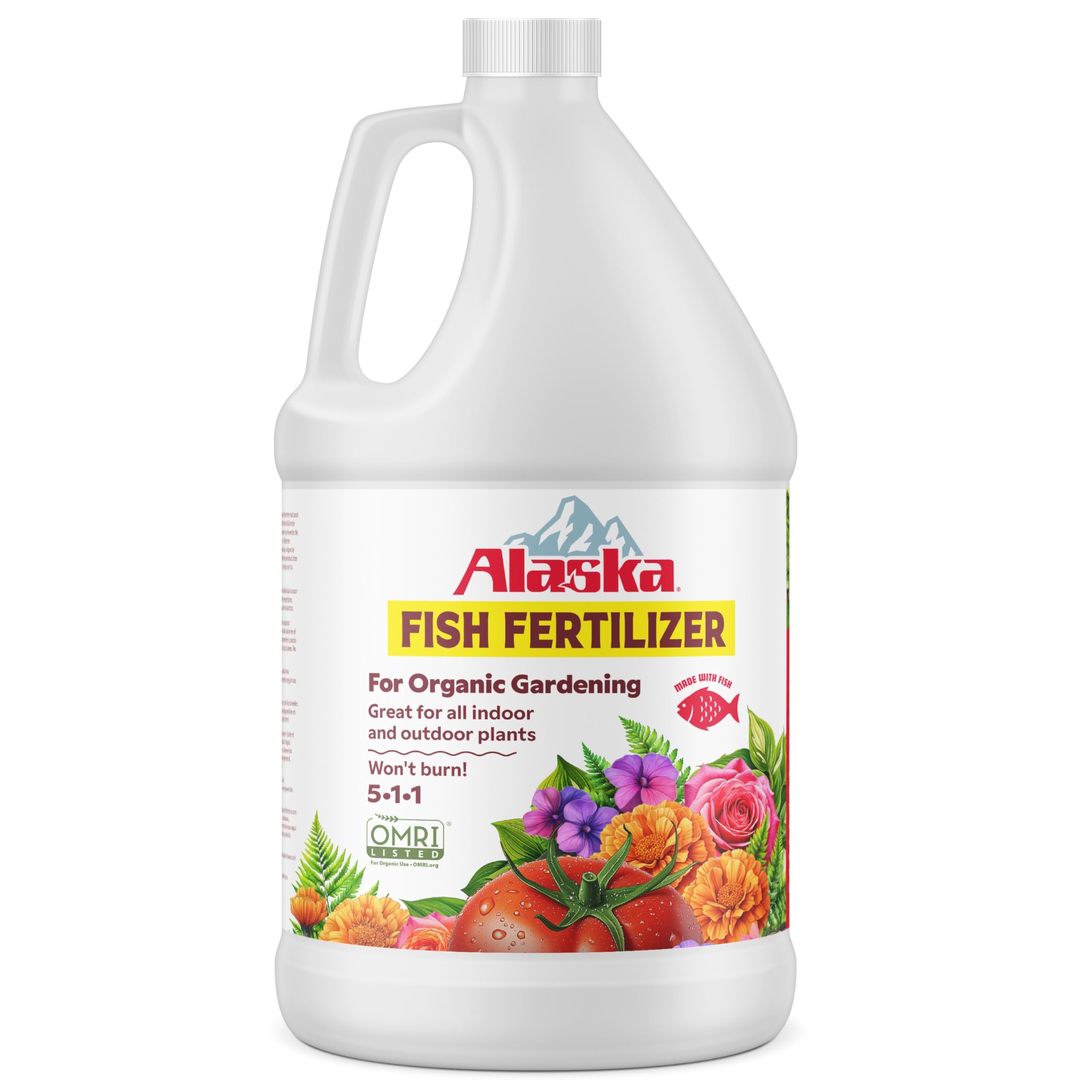
The 5-1-1 ratio is heavily weighted toward nitrogen, which means it is not suitable as the sole feed for green beans during the reproductive phase. However, it excels as a foliar or soil drench during the early vegetative stage to give seedlings a rapid green-up before they begin fixing their own nitrogen. The cold-processed fish emulsion preserves amino acids and micronutrients that support soil biology and leaf expansion.
Experienced bean growers often use this product exactly once—two weeks after germination—to push the plant past the seedling lag phase, then switch to a phosphorus-rich granular feed once the first true leaves appear. The OMRI listing and the fact that it is made from wild-caught fish appeal to organic and sustainable growers. The fishy smell, while strong during mixing, dissipates within 24 hours once watered into the soil.
The major limitation is that the low phosphorus and potassium levels will not support pod fill, so relying on this as a season-long feed will lead to tall, leafy plants with sparse bean clusters. Gardeners also caution against splashing the concentrated liquid directly onto bean leaves, as the oil content can cause leaf burn in direct sun. For a targeted early-season boost, it is a useful tool, but it must be paired with a proper fruiting-stage fertilizer.
What works
- Fast-acting liquid nitrogen corrects early seedling yellowing
- OMRI listed and sustainably sourced from wild fish
- Odor dissipates quickly after watering into soil
What doesn’t
- Low P and K cannot sustain bean pod production alone
- Can burn leaves if splashed and exposed to direct sun
7. Back to the Roots Organic Worm Castings

Worm castings are not a complete fertilizer in the traditional NPK sense, but they serve a distinct role for green bean growers who want a zero-risk soil amendment that will never burn roots. With a negligible NPK value, castings work by introducing beneficial microbes, humic acids, and trace minerals that improve soil structure and support the plant’s natural nitrogen-fixing partnership with Rhizobium bacteria. This makes them an ideal starter amendment for direct-sown bean seeds.
Growers who use castings as a top-dress around the base of bean plants report healthier root architecture and reduced transplant shock. The granular texture blends seamlessly into raised bed soil without compacting, and the moisture retention properties help keep the root zone consistently damp during germination. The resealable bag keeps the product fresh for months, and the Made in the USA sourcing appeals to gardeners who prioritize domestic supply chains.
The trade-off is that castings alone will not supply enough phosphorus or potassium to maximize pod yield, so they should be used as a base amendment alongside a targeted fruit-phase fertilizer. Some users also note that the castings hold moisture longer than expected, so growers in humid climates should adjust watering frequency to avoid oversaturation around the crown. For organic, low-risk soil building, these castings are the gentlest option for green beans.
What works
- Zero risk of root burn even at high application rates
- Introduces beneficial microbes that aid nitrogen fixation
- Resealable bag keeps product fresh during storage
What doesn’t
- Negligible NPK cannot support full pod development alone
- High moisture retention may require adjusted watering in humid zones
Hardware & Specs Guide
NPK Ratio Interpretation
The three-number sequence on every fertilizer bag represents the percentage by weight of nitrogen (N), phosphorus (P), and potassium (K). For green beans, the ideal profile keeps the first number at or below 5 and the second number equal to or higher than the first. A 5-7-3 or 4-6-2 ratio allows the plant to fix its own nitrogen while receiving extra support for flowering and root strength. Higher nitrogen numbers force the plant into vegetative mode and reduce pod count.
Organic Matter and Soil Microbes
Organic fertilizers feed the soil food web rather than directly feeding the plant. Microbial activity in the root zone breaks down granules over several weeks, providing a steady nutrient supply that matches the slower growth habit of beans. Products containing mycorrhizal fungi or humic acids improve water and nutrient absorption, particularly in sandy or compacted soils. Regular application of organic matter also builds soil structure for future rotations.
FAQ
Can I use a high-nitrogen lawn fertilizer on my green beans?
How often should I fertilize green beans during the growing season?
Final Thoughts: The Verdict
For most gardeners, the fertilizer for green beans winner is the FoxFarm Happy Frog Tomato & Vegetable 5-7-3 because it delivers a phosphorus-optimized ratio with calcium and mycorrhizal fungi that directly address the two biggest failure points—poor pod set and blossom end rot. If you want season-long nutrient flexibility, the Gaia Green Bundle lets you transition from vegetative to fruiting feeds with precision. And for the largest organic footprint per dollar, the Down To Earth All Purpose 4-6-2 offers a gentle, non-burning formula that keeps young bean plants safe and productive.