
Lotus plants are heavy feeders with thick, tuberous roots that demand a dense, nutrient-packed anchoring medium—standard potting soil, with its light peat and bark, simply floats away or rots within days of submersion. The right substrate must be clay-rich to weigh down the roots, hold essential nutrients without leaching into the water column, and resist breaking apart when fully saturated.
I’m Rikta — the co-founder and writer behind Lawn Gear Lab. I’ve spent hours cross-referencing aquatic soil compositions, analyzing NPK ratios designed for submerged root systems, and comparing owner-reported clarity and growth data across dozens of pond and aquatic plant media options.
After digging through the spec sheets and real-world feedback, the best approach to planting healthy, vibrant water flora comes down to one thing: finding the best soil for lotus plants that combines a heavy clay base with a balanced nutrient profile and a structure that won’t cloud your pond.
How To Choose The Best Soil For Lotus Plants
Selecting the right growing medium for lotus is different from any terrestrial gardening task. The medium must stay put underwater, feed the plant for months, and remain harmless to fish and pond wildlife. Here are the three most critical factors to lock in before you buy.
Texture and Weight: Clay Loam is King
Lotus roots spread aggressively and need a heavy, sticky substrate to anchor into. A high clay content gives the soil mass that resists floating and won’t wash away when you submerge the pot. Sandy loam or topsoil alone is too light—it clouds water and lets the tuber drift. Look for a mix described as clay-based or heavy loam that clumps when wet.
Nutrient Density Without Burn
Lotus are voracious feeders, but the nutrient load must be released slowly. Many aquatic soils come pre-charged with a balanced fertilizer (look for a ratio near 10-14-8 or similar aquatic blend). Avoid hot soils with high nitrogen levels that can burn tender lotus sprouts. The ideal medium provides a steady supply of macro and micronutrients without triggering algae blooms.
Water Clarity and pH Neutrality
A good lotus soil won’t turn your pond into a mud puddle. Peat-free and compost-free formulas are essential because organic debris floats and decays. The substrate should be pH-neutral (around 7.0) so it doesn’t swing your pond’s chemistry. Dense granules or clay pellets that settle quickly after planting are the hallmark of a premium aquatic medium.
Quick Comparison
On smaller screens, swipe sideways to see the full table.
| Model | Category | Best For | Key Spec | Amazon |
|---|---|---|---|---|
| Aquascape Pond Plant Potting Media | Clay-Based | Strong root establishment | 10 lbs, 215 cu in | Amazon |
| Chalily Aquatic Gold Soil | Clay Loam | Nutrient-dense planting | 4 quarts | Amazon |
| The Pond Guy Planting Media | Granular | pH-neutral stability | 4 qts, 5 lbs | Amazon |
| LANDEN Aqua Soil Substrate | Porous Clay | Bacteria colonization | 5L, 10 lbs | Amazon |
| WBHWW Aquatic Soil | Fine Grit | Budget-friendly start | 5.5 lbs, 4400 cc | Amazon |
In‑Depth Reviews
1. Aquascape Pond Plant Potting Media

This 10-pound bag of dense, peat-free, compost-free media delivers exactly what lotus tubers need: a heavy anchor that won’t float or cloud the water. The nutrient-rich formula supports rapid root growth without the risk of ammonia spikes or algae blooms, making it a go-to for water lilies and marginal pond plants.
Buyers consistently report clear water within hours of planting and excellent germination rates for lotus seeds. The clay-like texture holds together well under water, preventing the tuber from shifting as the plant develops. It’s also completely safe for koi and goldfish, so you don’t need to isolate your pond plants.
The biggest trade-off is the volume—215 cubic inches covers one medium-sized lotus pot, and larger plantings will need multiple bags. Some users found the price per bag a bit steep compared to generic topsoil, but the specialized formulation and water clarity results justify the cost for serious pond gardeners.
What works
- Nutrient-dense clay formula anchors lotus roots securely.
- Does not cloud water or feed algae blooms.
- Safe for all pond fish and aquatic life.
What doesn’t
- Bag size is relatively small for large lotus planters.
- Cost per bag is higher than general aquatic soil alternatives.
2. Chalily Aquatic Gold Soil

Chalily’s Aquatic Gold Soil is a clay-based loam that professional greenhouses and botanical gardens use to grow thousands of aquatic plants annually. Its dense, heavy texture outperforms standard topsoil by preventing dirt from escaping the pot when submerged—a critical factor for lotus with their spreading rhizomes.
Owners report that lotus planted in this medium produce vivid, almost surreal blooms and vigorous pad growth within weeks. The soil comes pre-charged with a proprietary blend of all-natural nutrients, so you won’t need to add fertilizer immediately. It also maintains crystal-clear water when properly capped with sand or gravel.
On the downside, a few users experienced temporary cloudiness after planting, especially when the soil wasn’t layered correctly. The 4-quart bag provides enough for about two standard lotus pots, and some hobbyists feel the per-bag value is a bit high for the volume delivered. Still, for guaranteed results, it’s a trusted professional-grade choice.
What works
- Heavy clay loam anchors lotus tubers without floating.
- Trusted by botanical gardens and professional greenhouses.
- Nutrient-rich formulation promotes fast, vivid blooms.
What doesn’t
- Requires careful capping to avoid initial cloudiness.
- Price per quart is higher than some competitors.
3. The Pond Guy Planting Media
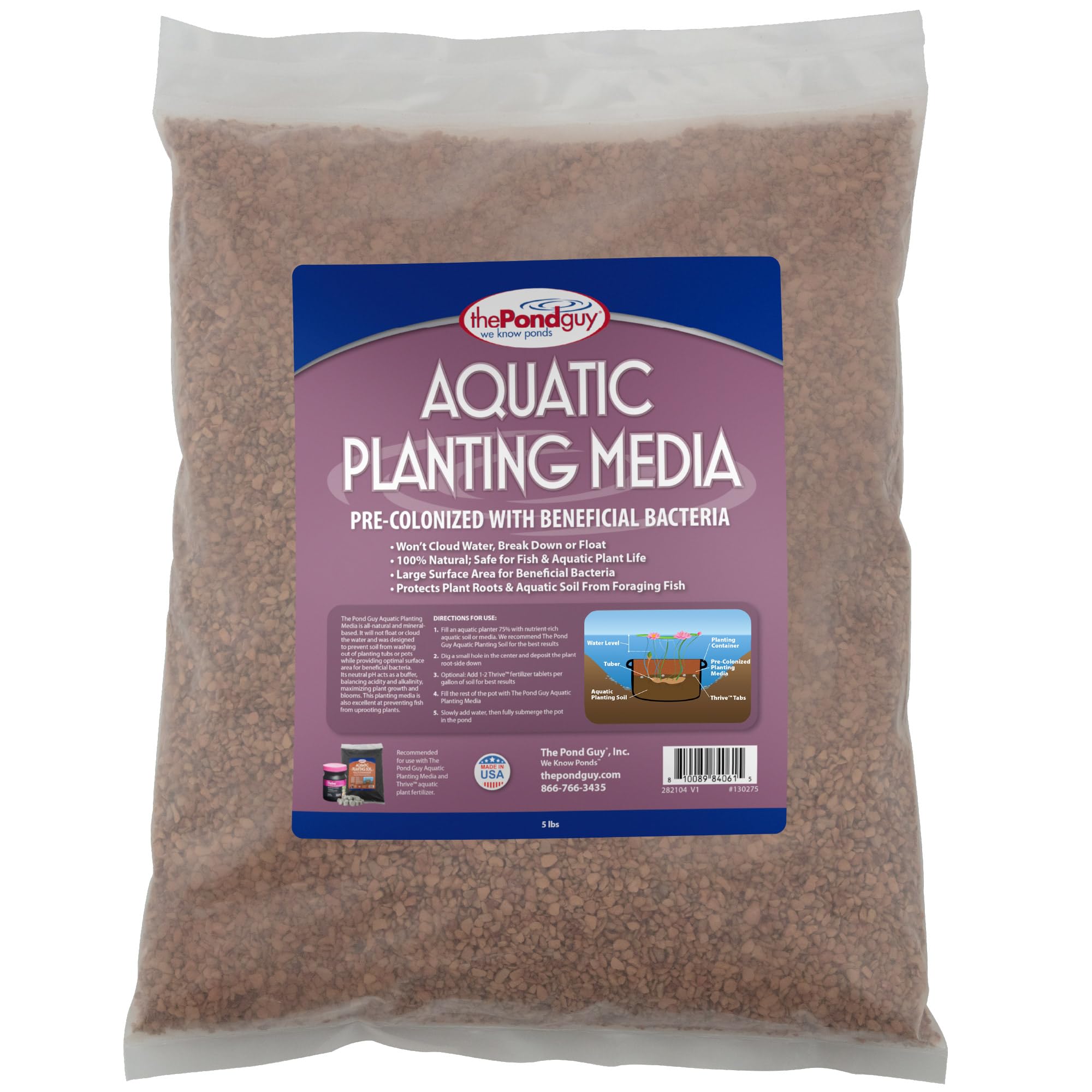
The Pond Guy’s media takes a different approach: instead of rich organic soil, it offers pH-neutral, dense pebbles that won’t break down or cloud water. Pre-colonized with beneficial microbes, this substrate actively consumes dead organic debris and helps balance pond alkalinity, creating a stable environment for lotus roots.
Gardeners using this media praise its ease of use—no mess, no floating particles, and no need to worry about compost or fertilizer runoff. The heavy granules provide excellent weight for holding lotus in place, and the large surface area supports beneficial bacteria colonization for long-term pond health. It works best when paired with a separate nutrient source or fertilizer tabs.
The main limitation is that it doesn’t supply built-in nutrients for heavy-feeding lotus. Some users found the granules escaped the planter and settled on the pond bottom, especially before the root system established. It’s a premium choice for pond stability but may require supplementary feeding for lotus to reach their full growth potential.
What works
- pH-neutral granules won’t alter pond water chemistry.
- Beneficial microbes help maintain clear, balanced water.
- Dense and heavy—does not float or decompose.
What doesn’t
- No inherent nutrients; requires separate fertilization for lotus.
- Granules can escape planter before roots anchor them.
4. LANDEN Aqua Soil Substrate

LANDEN’s Aqua Soil is a porous clay substrate designed primarily for planted aquariums, but its 3-5mm grain size and ability to lower pH to mildly acidic conditions make it an interesting option for lotus in controlled water features. The porous structure hosts beneficial bacteria, breaks down fish waste, and slowly releases nutrients over time.
Users report excellent plant growth and water clarity once the initial dust settles. The substrate provides a stable rooting environment, though some found the lightweight grains made it tricky to keep lotus tubers submerged without a heavy top dressing. It’s a clean, modern alternative to traditional mud-based soils for smaller ponds or tubs.
Be prepared for an initial cloudiness phase that requires frequent water changes during the first two weeks. The substrate also contains some organic debris (dried leaves, small stones) that need sifting. Despite these quirks, its long-term performance and minimal maintenance make it a strong contender for indoor or patio lotus setups.
What works
- Porous clay structure supports beneficial bacteria and nutrient cycling.
- Slow-release nutrients reduce need for frequent fertilization.
- Ideal grain size for root penetration and stability.
What doesn’t
- Initial cloudiness requires aggressive water changes.
- Lightweight grains may float without a cap layer.
- Contains some organic debris that needs manual removal.
5. WBHWW Aquatic Soil for Pond Plants
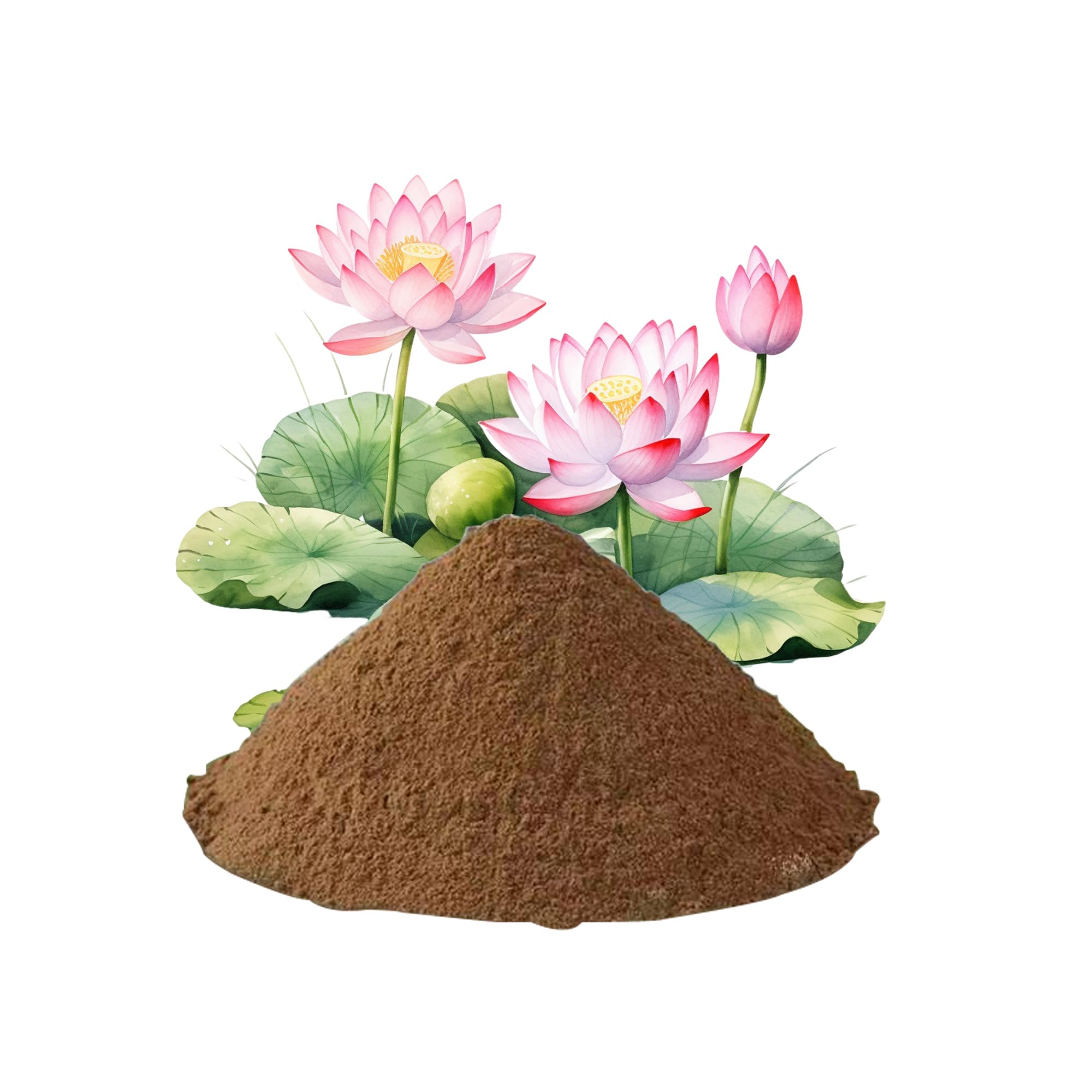
For budget-conscious growers, the WBHWW Aquatic Soil provides a 5.5-pound bag of fine, nutrient-fortified media that works for aquatic plants and even as a soil additive for dry garden pots. It’s enriched with a precise nutrient blend that supports early lotus growth and holds moisture well without compacting.
Buyers who used it for sprouted lotus seeds reported impressive overnight growth, especially when mixed with perlite and capped with sand and rocks. The fine texture allows roots to spread easily, and the volume (4400 cubic centimeters) is generous compared to many premium brands. The soil is also packaged with care to prevent damage during shipping.
The main drawback is its very fine consistency—several users noted it tends to escape from the planter and create a muddy mess in the pond if not properly contained. It requires careful handling and a thick cap layer to prevent turbidity. For experienced pond keepers who don’t mind extra prep, it offers solid performance at a lower cost.
What works
- Generous 5.5-pound bag at a competitive price point.
- Nutrient-enriched formula supports rapid lotus growth.
- Works well when mixed with cap layers like sand and gravel.
What doesn’t
- Very fine grit escapes planters and clouds water without capping.
- Inconsistent results reported for water clarity.
Hardware & Specs Guide
Clay Content & Texture
Lotus roots demand a substrate with at least 40-60% clay content to create a sticky, heavy matrix that won’t disintegrate under water. Pure loam or sandy topsoil lacks the cohesion needed to anchor thick tubers, while high-clay aquatic soils like the Aquascape Pond Plant Potting Media clump naturally and resist floatation. Test by squeezing a moist handful—it should hold its shape firmly without crumbling.
Nutrient Profile (NPK)
Most dedicated aquatic soils use a moderate NPK ratio around 10-14-8, prioritizing phosphorus for root and bloom development over nitrogen. Lotus are heavy feeders, so the soil should supply a slow-release nutrient source that lasts 4-6 weeks. Avoid high-nitrogen blends (above 15%) that can scorch tender sprouts and trigger unwanted algae growth in the water column.
FAQ
Can I use regular potting soil for lotus plants?
Do I need to add fertilizer to lotus soil?
How do I prevent the soil from clouding my pond water?
Final Thoughts: The Verdict
For most gardeners, the best soil for lotus plants winner is the Aquascape Pond Plant Potting Media because its dense clay base anchors tubers securely, won’t cloud water, and provides a complete nutrient package for vigorous growth. If you want a professional-grade medium with proven results from botanical gardens, grab the Chalily Aquatic Gold Soil. And for a pH-neutral solution that supports long-term pond health through beneficial microbes, nothing beats the The Pond Guy Planting Media.