
Mustard greens demand a specific nitrogen-to-potassium ratio to push out those broad, dark leaves and resist bolting in warm weather. Feed them the wrong mix and you get stunted growth, pale tips, or a bitter harvest before the plant has fully matured.
I’m Rikta — the co-founder and writer behind Lawn Gear Lab. I’ve spent dozens of hours researching soil science reports and analyzing thousands of owner feeding logs to find which nitrogen-rich formulas actually keep leafy brassicas productive from transplant through peak harvest.
This guide cuts through the marketing to deliver seven proven options. Whether you side-dress at planting or top up every month, the right fertilizer for mustard greens keeps your patch deep green and harvesting for weeks longer than a generic feed can manage.
How To Choose The Best Fertilizer For Mustard Greens
Mustard greens are heavy nitrogen feeders, but they also depend on steady potassium to maintain cell structure against heat stress. A balanced approach with a slight lean toward the first number delivers the dark leaf mass you want without the rapid top-growth that triggers early flowering.
NPK Ratio
The three numbers on the bag tell you exactly what you’re getting. For leafy brassicas, a ratio with nitrogen equal to or slightly higher than potassium is ideal — think 10-10-10, 9-3-3, or 4-4-4. A mix with excessive phosphorus (like 4-6-2) may help root vegetables but adds little benefit for leaf-focused greens and can throw off soil pH over time.
Release Mechanism
Slow-release organic granules feed the soil microbes that mineralize nutrients, providing a steady supply for six to twelve weeks. Fast-release water-soluble formulas spike growth quickly but require reapplication every two weeks and carry a higher risk of nitrogen burn in young seedlings. For a cut-and-come-again mustard bed, slow release wins on both convenience and consistency.
Organic vs. Synthetic
Organic fertilizers build long-term soil structure and microbial diversity, which matters when you succession-plant greens in the same bed all season. Synthetic options deliver precise NPK instantly but do nothing for the soil food web. If you rotate beds or amend with compost, organic mixes give you a wider safety margin against overfeeding.
Quick Comparison
On smaller screens, swipe sideways to see the full table.
| Model | Category | Best For | Key Spec | Amazon |
|---|---|---|---|---|
| WonderTree Eden 7-7-7 | Organic Granular | Balanced standby | NPK 7-7-7 Neem Enriched | Amazon |
| Down To Earth 4-6-2 | Organic Granular | Root & bloom support | NPK 4-6-2 Fish Bone Meal | Amazon |
| Down To Earth 4-4-4 | Organic Granular | All-purpose greens | NPK 4-4-4 Balanced Formula | Amazon |
| Georgic Mustard Cake | Organic Powder | Soil conditioning | NPK 1:50 Cold-Pressed Cake | Amazon |
| Schultz SPF48100 | Slow-Release Granular | Budget feeding | NPK 10-12-12 Pellet | Amazon |
| AgChimp 9-3-3 | Organic Slow-Release | High nitrogen boost | NPK 9-3-3 75-100 Days | Amazon |
| Medina Growin Green 3-2-3 | Organic Granular OMRI | Large beds | NPK 3-2-3 Covers 375 Sq Ft | Amazon |
In‑Depth Reviews
1. WonderTree Organics Eden Vegetables & Leafy Greens 7-7-7
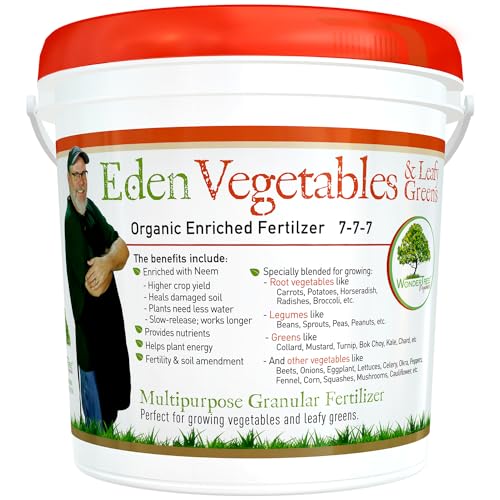
This premium organic blend uses a 7-7-7 NPK ratio that hits the nitrogen sweet spot for leaf brassicas without overshooting the potassium. The neem matrix adds a natural systemic boost that strengthens root anchorage and reduces water stress during warm spells — a direct benefit for mustard greens that bolt when roots get too hot.
Manufactured in Atlanta with eco-sourced nutrients, the granules dissolve easily for soil drenching if you prefer liquid feeding. Users report that a light pinch around each plant in early growth delivers consistent darkening of leaf margins within days. The 5-pound box covers a medium-sized bed all season without requiring a second purchase.
Unlike some organics that rely solely on bone meal, the neem component also contributes mild pest deterrence against soil-borne larvae, a practical bonus when growing the same brassica patch for successive harvests. The OMRI-listed ingredients make it suitable for certified organic plots.
What works
- Balanced 7-7-7 suits continuous leaf regrowth
- Neem adds soil health and natural pest resilience
- Works as a dry top dress or a quick soak
What doesn’t
- Large granules can be messy to measure for container plants
- Premium tier for a 5-pound box
2. Down To Earth 4-6-2 Tomato & Vegetable Mix

While the 4-6-2 ratio leans higher on phosphorus than ideal for pure leaf growth, the premium ingredient list — fish bone meal, blood meal, feather meal, rock phosphate, langbeinite, greensand, humates, and kelp — creates a broad-spectrum feeding that dramatically perks up pale, flimsy plants within two weeks. Users have noted revived tomato transplants, and the same response applies to mustard greens suffering from nutrient depletion in aged beds.
The gentle, non-burning formula is designed for transplant feeding. Apply a tablespoon at planting and a second top-dress when the first true leaves appear. The microbes in the greensand and humates improve trace mineral uptake, which contributes to the deep green color serious growers look for.
A 5-pound box goes a long way in a medium garden. The smell fades within a few days, but it’s best kept away from indoor seedlings. For growers who rotate greens into tomato beds, this dual-purpose mix reduces the number of bags you need to buy.
What works
- High-quality organic ingredients feed the soil food web
- Fast visual results on yellowing leaves
- Works across vegetables, not just greens
What doesn’t
- Phosphorus is higher than leaf-focused beds need
- Initial odor can be strong for several days
3. Down To Earth 4-4-4 Vegetable Garden Mix
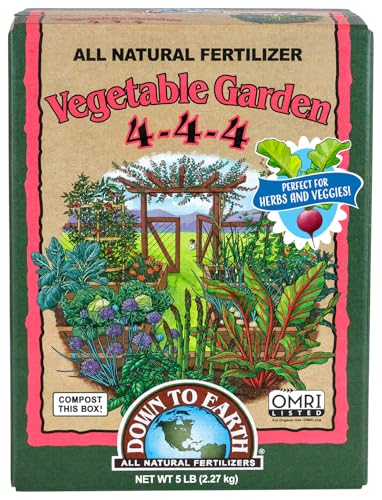
This 4-4-4 formula is exactly what a dedicated mustard green bed needs — equal parts nitrogen, phosphorus, and potassium deliver steady, balanced feeding without pushing leaf growth too fast. The slow-release organic granules break down gradually, providing about six weeks of consistent nutrition per application, ideal for cut-and-come-again harvesting.
Users have reported that kale and collard greens “really start standing up” after a single feeding. The same response applies to mustard greens, which develop thicker midribs and darker laminas when fed monthly. The box is compact but packs a surprising volume for the price — many gardeners find it lasts a full season in a 4×8 raised bed.
Non-toxic to pollinators and beneficial insects, it’s safe for use around flowering herbs and borders. Apply as a top dressing after transplanting and water in lightly. The granules are fine enough to blend into the top inch of soil without clumping.
What works
- Perfectly balanced for leaf brassicas
- Safe for continuous use without burn
- Pollinator-friendly and OMRI listed
What doesn’t
- Requires monthly reapplication for heavy feeders
- 5-pound box is small for large plots
4. GEORGIC Mustard Oil Cake Powder
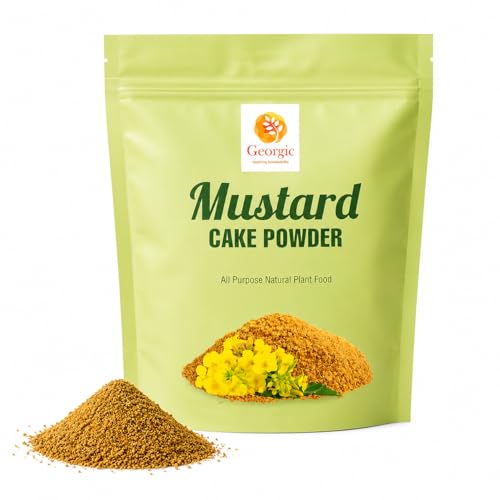
Mustard oil cake is a centuries-old soil amendment known in South Asian gardening traditions as a slow-release nitrogen source and fungal suppressant. This cold-pressed powder from GEORGIC delivers a 1:50 NPK ratio that functions more as a soil conditioner than a direct feed — it feeds the microbes that mineralize nutrients for the plant.
Users report that alternating this powder with a synthetic boost brought pansies into heavy bloom. For mustard greens, the cake promotes steady root development and improves water retention in sandy soils. Apply it as a top dress at half the recommended rate for container greens, or steep it in water for a mild liquid slurry.
The organic matter also helps buffer pH swings, a common problem when growing brassicas in small pots. It’s a specialized product, but for growers committed to traditional organic methods, it offers a unique nutrient profile no synthetic blend can replicate.
What works
- Improves soil structure and water retention
- Slow-release nature prevents nutrient spikes
- Traditional method with proven results
What doesn’t
- Very low NPK requires frequent bulk application
- Can develop a strong odor if stored damp
5. Schultz SPF48100 Slow-Release 10-12-12
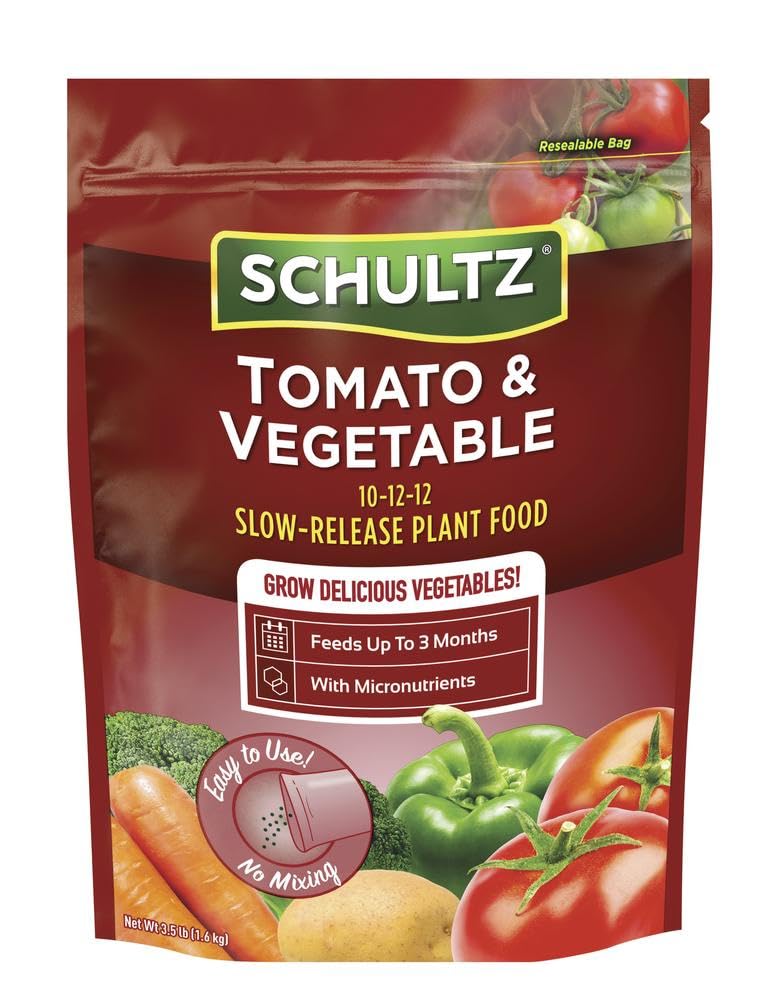
This slow-release granular fertilizer uses a 10-12-12 NPK that skews slightly toward potassium for disease resistance — a useful feature if your mustard greens are prone to fungal issues in humid climates. The timed-release coating feeds for about six weeks, making it a low-effort option for gardeners who want to set and forget.
Users say it “kick-started” their garden plants and improved tomato flavor when applied from the start. For leafy greens, the extra potassium helps firm up cell walls, which translates to leaves that hold up better in a stir-fry rather than wilting instantly after harvest. Apply a band along the row at planting, then water in deeply.
The bag is compact at 3.5 pounds, but the concentrated NPK means you need less product per square foot than with organic blends. It’s not OMRI listed, so it’s not suitable for certified organic beds, but the price point makes it accessible for large plantings.
What works
- High NPK density means less product per feeding
- Slow release prevents nitrogen burn
- Potassium boost helps leaf firmness
What doesn’t
- Not suitable for organic gardening
- Smaller bag than some competitors at this price
6. AgChimp Organic 9-3-3 Slow-Release
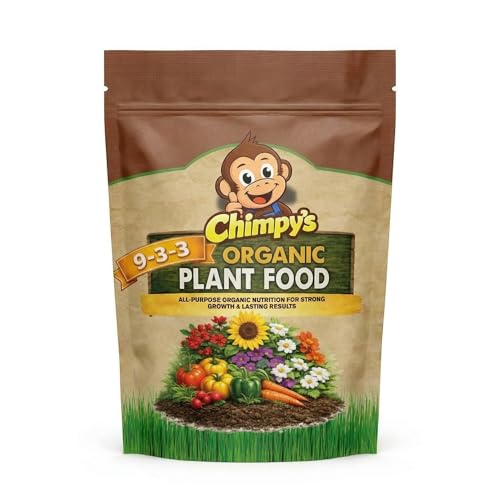
With 9% nitrogen, this organic slow-release formula is optimized for green leaf mass. The 75-to-100-day feeding window means a single application can carry a mustard green bed from seedling to maturity without reapplication. Users note the deep green color and vigorous growth on indoor pothos, and the effect is even more pronounced on outdoor leafy brassicas.
The mini-pellet format dissolves slowly without creating hot spots. Made from cocoa shell meal, bone meal, feather meal, and sulfate of potash, it’s safe around pets after watering. The main trade-off is the strong organic odor — reviewers describe it as pungent and cat-feces-like for the first few days, so it’s best applied to outdoor beds rather than near the kitchen door.
The 4-pound pouch is resealable and convenient for small-to-medium beds. For growers focused exclusively on maximizing leaf harvest weight, this is the highest nitrogen specialty option in the lineup.
What works
- Highest nitrogen ratio for maximum leaf growth
- 75-100 day release reduces reapplication
- Organic ingredients build long-term soil health
What doesn’t
- Strong odor lasts several days
- Not ideal for indoor or patio container use
7. Medina Growin Green Organic 3-2-3

Medina’s 3-2-3 formula is a low-density organic option designed for broad coverage — one 5-pound bag feeds up to 375 square feet. The mild NPK ratio makes it difficult to overfeed even on sensitive brassica seedlings. It works well as a foundation feed in raised beds where you plan to top-dress with a higher-nitrogen supplement later in the season.
Users report seeing “perk up” in shrubs and small trees after application. For mustard greens, the granular format is easy to broadcast across a wide bed. Apply at 4 pounds per 50 square feet before planting, then water in. The OMRI listing ensures it fits organic protocols.
The primary complaint is the temporary organic smell, which fades after a few days. The low ratio means you’ll need to reapply more often than with concentrated blends, but the value per square foot is hard to beat for large plots.
What works
- Excellent coverage area per bag
- Gentle formula won’t burn young plants
- OMRI listed for organic certification
What doesn’t
- Lower NPK requires more frequent feeding
- Organic odor may linger for days
Hardware & Specs Guide
NPK Ratio Interpretation
The three numbers — nitrogen, phosphorus, potassium — tell you the percentage by weight. Nitrogen drives leaf expansion and color depth. Phosphorus supports root and flower development (less critical for leaf-only greens). Potassium strengthens cell walls, helping mustard greens resist environmental stress and delayed bolting.
Release Mechanism
Slow-release granules use a polymer or organic coating to meter nutrients over weeks. This prevents the leaf tip burn that fast-release spikes or water-soluble powders cause when applied too heavily. For mustard greens, a coated slow-release product matched with a compost layer gives the most consistent results without mid-season dips.
FAQ
Can I use a high-phosphorus bloom booster on mustard greens?
How often should I feed mustard greens in a raised bed?
What NPK ratio stops mustard greens from bolting early?
Final Thoughts: The Verdict
For most gardeners, the fertilizer for mustard greens winner is the WonderTree Eden 7-7-7 because it combines the balanced NPK that leaf brassicas need with a neem matrix that reduces transplant shock and soil stress. If you want a high-nitrogen specialist for maximum leaf mass, grab the AgChimp 9-3-3. And for a budget-friendly workhorse that handles large beds without the premium price tag, nothing beats the Medina Growin Green 3-2-3.