
Fig trees are heavy feeders with a specific palate—they demand rich, well-aerated soil that drains fast yet holds onto moisture and micronutrients. Pile on the wrong bagged compost or a generic potting mix and you risk root rot, stunted growth, or a fruitless season. Getting the biology and texture right is the difference between a scraggly twig and a branch-bending harvest.
I’m Rikta — the co-founder and writer behind Lawn Gear Lab. Over many hours spent cross-referencing soil analyses, ingredient lists, NPK ratios, pH ranges, and verified owner photographs, I’ve filtered this category down to the formulas that actually deliver the drainage, organic matter, and microbial life fig roots need to thrive.
Whether you’re potting a Chicago Hardy or planting a Brown Turkey in the ground, this guide lays out the top-rated options to match your tree’s growth stage and your own growing style. We’ve sorted through dozens of SKUs to build this definitive breakdown of the best compost for fig tree performance across every budget.
How To Choose The Best Compost For Fig Tree
Fig trees are not as fussy as blueberries or as forgiving as tomatoes. Their root system is shallow and spreading, which means the top few inches of your soil or container mix must be a living, breathing reservoir of nutrients. Here are three specs that separate a great fig compost from a mediocre one.
Texture & Drainage Are Non-Negotiable
Fig roots despise standing water but crave consistent moisture. The ideal compost is crumbly and loamy—not dense, not sandy. Look for mixes with perlite, pumice, or coarse sand that create air pockets. A clumpy or clay-heavy bag will suffocate roots in a container or create a hardpan layer in-ground.
Organic Matter & Microbial Activity
Compost with high microbial content (worm castings, mycorrhizal fungi, humic acid) unlocks nutrients already in the soil and helps the fig tree access phosphorus and potassium critical for fruit development. A dead or sterilized bag of dirt won’t sustain a fig through a long growing season. Prioritize products labeled OMRI or with visible composted bark and fungal filaments.
pH & Salt Levels
Figs prefer a slightly acidic to neutral pH between 6.0 and 6.5. Many generic composts are either too alkaline (higher than 7.5) or packed with soluble salts from synthetic amendments that will burn tender fig roots. A premium fig compost will list its pH range or at least feel rich without a chemical aftertaste when you open the bag. Always avoid anything that smells of ammonia.
Quick Comparison
On smaller screens, swipe sideways to see the full table.
| Model | Category | Best For | Key Spec | Amazon |
|---|---|---|---|---|
| rePotme Fig & Ficus Imperial Mix | Specialty Mix | Potted & container figs | 8 Quarts, high-drainage bark | Amazon |
| Blue Ribbon Organics Compost | Premium Compost | Soil amendment & top-dressing | 7.9 Gal, OMRI Certified | Amazon |
| Brut Organic Potting Soil | Potting Mix | In-ground & raised bed figs | pH 6.3–6.5, worm castings | Amazon |
| Great Big Plants Rose Booster | Liquid Booster | Fruit-set & bloom phase | 70 trace minerals + humic acid | Amazon |
| GS Plant Foods Root Ruckus | Liquid Concentrate | Root establishment & shock recovery | 32 oz, humic + kelp + mycorrhizae | Amazon |
| FoxFarm Happy Frog Citrus & Avocado | Granular Fertilizer | Established fig trees needing a mid-season boost | 4 lb, 7:3:3 NPK, slow-release | Amazon |
In‑Depth Reviews
1. rePotme Fig & Ficus Imperial Houseplant Mix
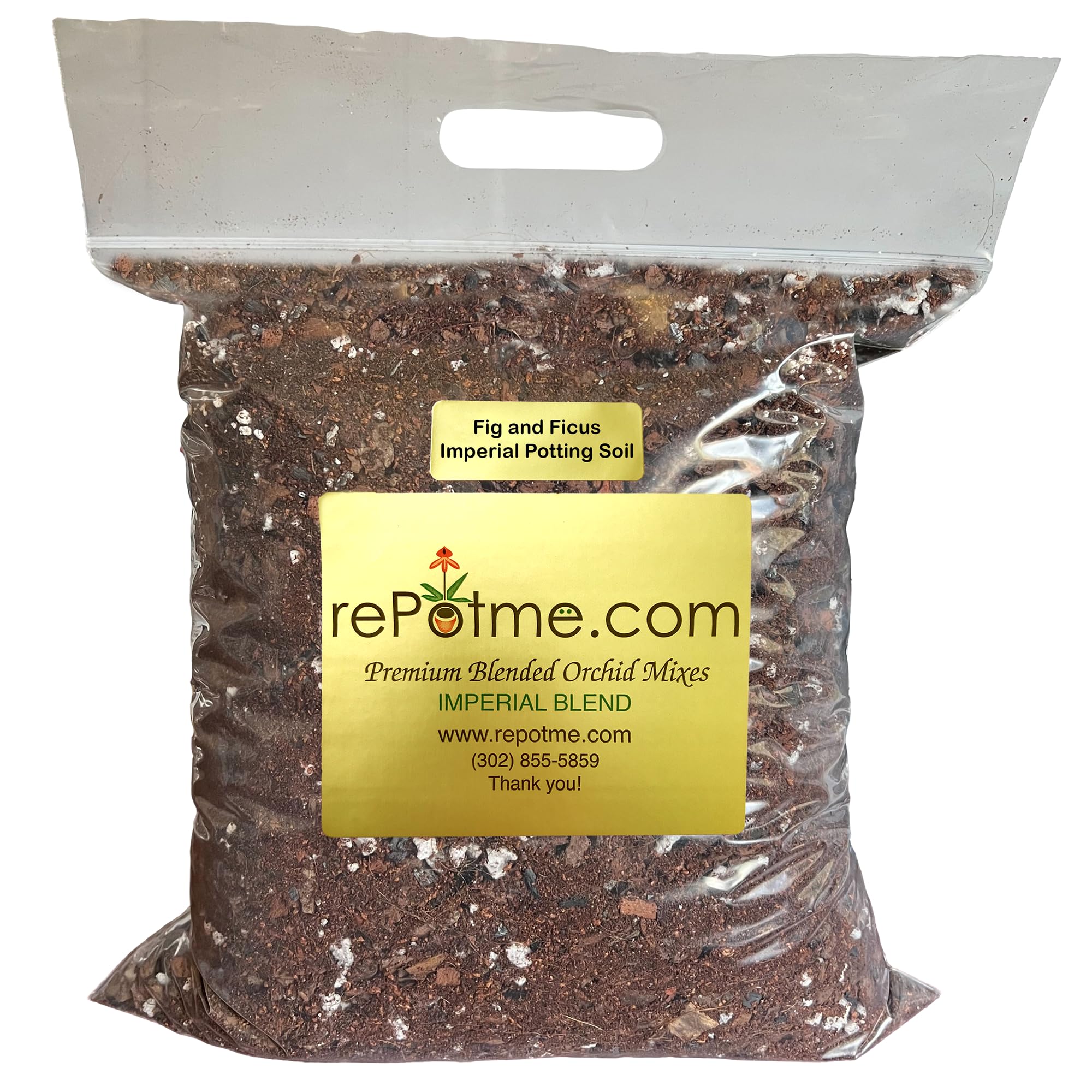
This is the only mix in the roundup formulated specifically for fig and ficus species, and the difference shows. The base is a coarse blend of bark chips, peat, and perlite that creates the airy, fast-draining structure container figs demand. A standard potting soil would compact around the roots after a few waterings; this Imperial mix maintains its texture for months, preventing the anaerobic conditions that cause yellowing leaves and leaf drop.
rePotme makes every batch fresh in small runs, sourcing ingredients from specialty suppliers rather than commodity soil yards. The bag includes a resealable pouch, which matters more than you think—once opened, most composts dry out or attract fungus gnats. This one stays fresh between uses. It arrives noticeably dry to the touch, so hydrate it fully the day before repotting to let the bark reabsorb moisture evenly.
Customer reports note that a single 8-quart bag handles a 12-inch pot with roughly 20% leftover, making it a precise fit for a single mature fig in a container. The price point is high per quart, but there are no fillers—no wood chips, no rocks, no synthetic wetting agents. For a grower who values root health over bag volume, this is the clear standard.
What works
- Recipe purpose-built for fig/ficus root physiology
- Resealable pouch prevents moisture loss and pest entry
- Handcrafted in small batches for consistency
What doesn’t
- High per-quart cost compared to generic bagged soil
- Requires pre-hydration before potting
2. Blue Ribbon Organics OMRI Certified Compost

This compost is the closest thing to a professionally turned windrow you can buy in a bag. It’s dark, crumbly, and smells like forest floor—not ammonia, not musty barn. The OMRI certification means it passes strict organic input standards, so you can use it as a top-dressing or work it into the soil around figs without worrying about pesticide residues or synthetic sludge contaminants. The particle size is uniformly small, which helps it integrate into denser native soil without creating a layered effect.
Moisture retention is where this product shines. Figs in sandy or rocky soil dry out too fast between waterings, and this compost holds water like a sponge without becoming waterlogged. Mix it 50:50 with your native soil or use it as a 2-inch mulch layer around the drip line. One reviewer noted it rehydrates instantly even after the bag has sat in storage, unlike some bark-heavy composts that turn hydrophobic.
The biggest drawback is the bag weight—32–35 pounds for a 7.9-gallon bag makes shipping expensive, and the price per cubic foot is higher than local landscape-supply compost. But for container growers or those without access to quality bulk compost, this bag delivers lab-tested biology and zero contaminants. It pairs perfectly with worm castings for fig trees entering their second season.
What works
- Rich, earthy smell with no ammonia or chemical odor
- Rehydrates readily—no hydrophobic clumps
- OMRI certified for organic fig production
What doesn’t
- Heavy bag leads to higher shipping cost
- Not economical for filling large raised beds
3. Brut Organic Potting Soil
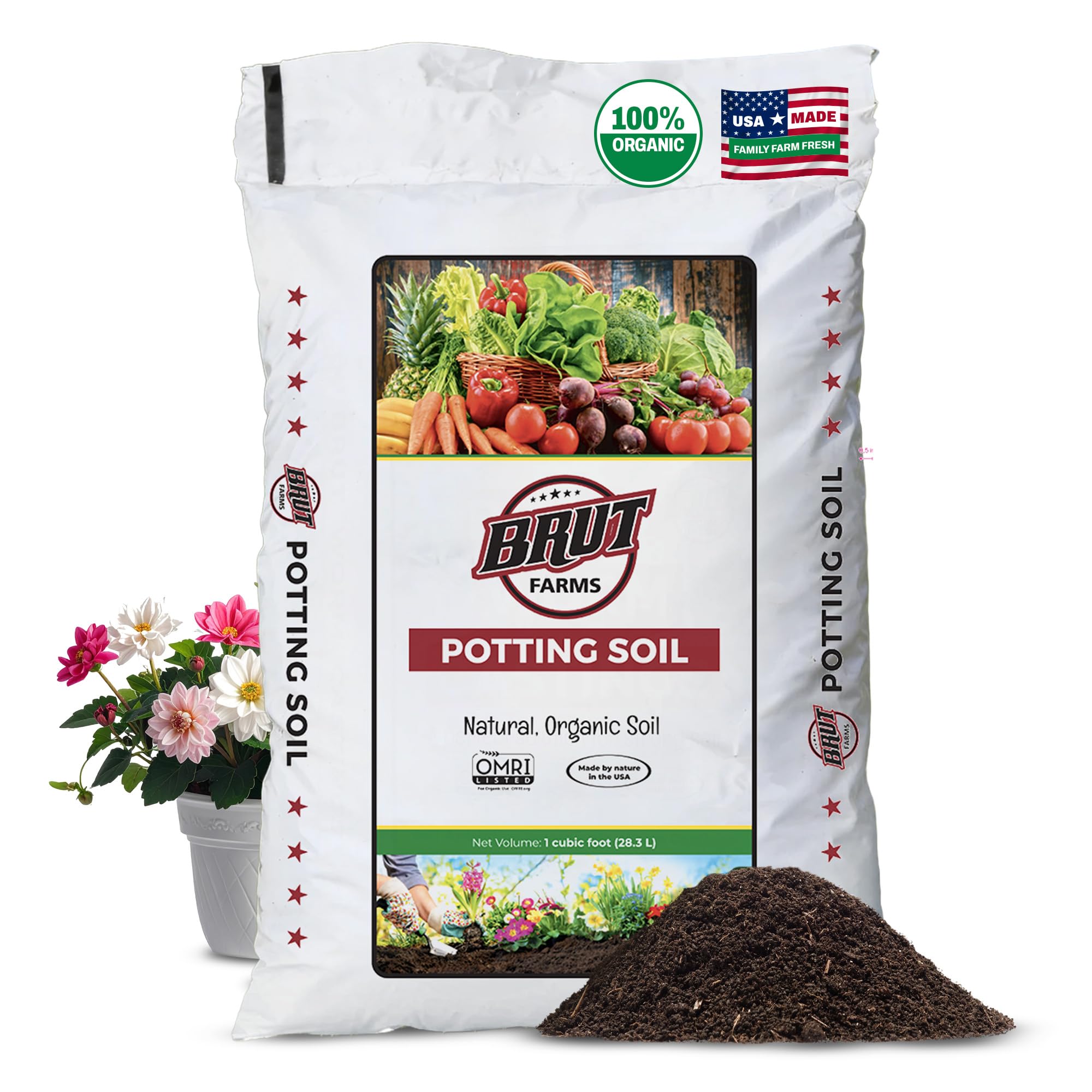
Brut walks the line between a potting mix and a true compost. It’s packed with microbe-rich worm castings and trace minerals from Azomite and kelp, giving fig roots immediate access to micronutrients that promote sturdy branch growth and deeper greening. The pH is locked in at 6.3–6.5, which is the sweet spot for figs to absorb iron and manganese without supplementation. You won’t find any synthetic wetting agents or chemical fertilizers in the ingredient deck—just peat, perlite, worm castings, and mineral fines.
The texture is fine and uniform, almost like a coarse powder, which makes it easy to work into existing soil or use straight in containers. One grower reported that a Cara Cara orange and a Lapins cherry showed deep green leaves and new growth within 48 hours of transplanting into Brut, suggesting the microbial load is highly active. The filler-free promise holds up—no sticks, no bark chunks, no synthetic fibers.
The one drawback is that the fine texture can compact slightly if overwatered, especially in pots without adequate drainage holes. Mixing it with 20% perlite or pumice solves this. The price lands in the mid-range, making it a strong value for growers who want a true organic soil without paying premium specialty pricing.
What works
- Perfect pH range for fig nutrient uptake
- High worm casting content for root zone biology
- No wood chips, synthetic fillers, or chemical fertilizers
What doesn’t
- Fine texture compacts if drainage isn’t managed
- Attracted fungus gnats when used without a top layer of sand
4. Great Big Plants Liquid Fertilizer Booster
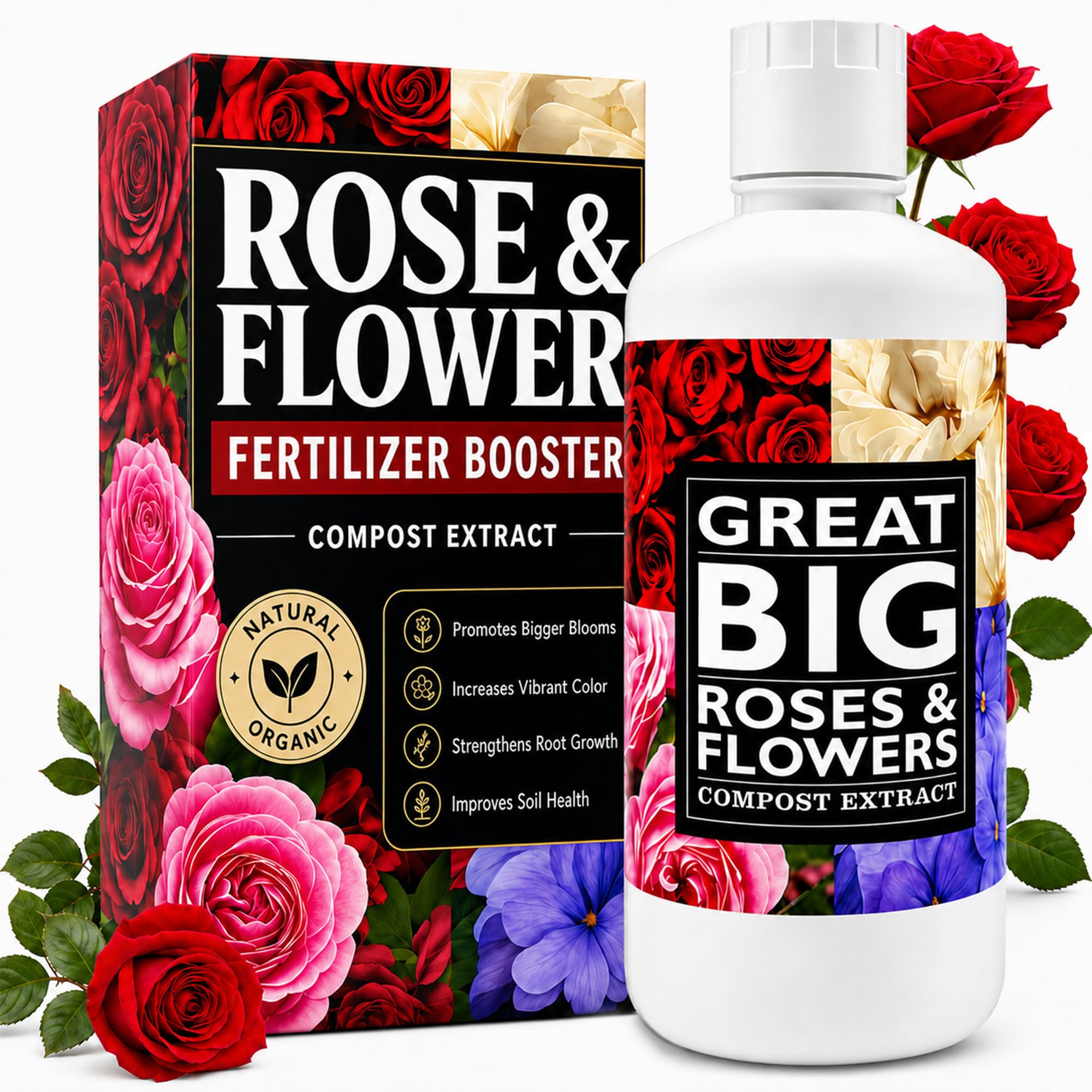
This liquid concentrate is a compost extract, not a synthetic fertilizer. It delivers humic acids, seaweed, and over 70 chelated trace minerals directly to the root zone, which helps fig trees unlock phosphorus and potassium that are already in the soil but bound up in unavailable forms. Think of it as a catalyst for your existing soil or a side-dressing of worm castings. It works alongside any organic fertilizer program—fish emulsion, blood meal, bone meal—without causing salt buildup.
One reviewer noted that rose bushes that hadn’t bloomed in years produced flowers within weeks, and fig growers report similar results with breba crop size. The 32-ounce bottle makes about 8 gallons of solution, which covers a mature in-ground fig for a full season when applied every 2-3 weeks during active growth. The liquid form is a huge advantage during dry spells when granular fertilizers sit undissolved on the soil surface.
The jug design is the weak point—the wide mouth makes measuring into a watering can messy, and the liquid is thick enough to cling to the bottle walls. Transfer it to a measuring cup with a pour spout. For growers who already have good soil structure but want to push fruit quality and sugar content, this is a smarter buy than a bag of dry granulars.
What works
- Immediate root-level availability of 70 trace minerals
- Works synergistically with other organic fertilizers
- One bottle covers an entire season for a mature fig tree
What doesn’t
- Wide-mouth jug design makes spill-free measuring difficult
- No standalone NPK; works best as a supplement
5. GS Plant Foods Root Ruckus Compost Fertilizer
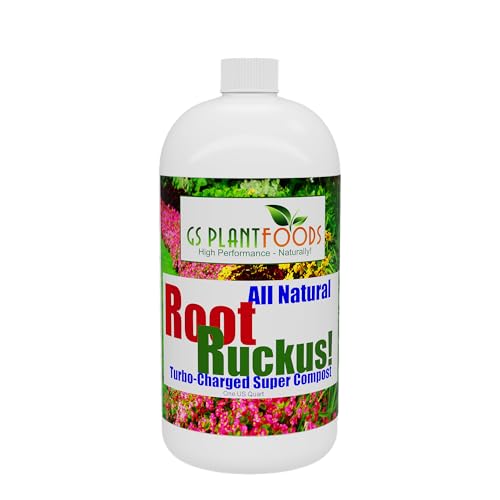
Root Ruckus markets itself as a turbo-charged liquid compost, and the ingredient list backs it up: humic acid for nutrient chelation, liquid kelp for growth regulators, and mycorrhizal spores for fungal root colonization. For a newly planted fig cutting or a tree recovering from transplant shock, this combination provides the building blocks for rapid root mass expansion. The humic acid also improves water retention in sandy soils, which is a common problem for fig growers in coastal or arid regions.
The concentration ratio is flexible—1 ounce per gallon for hydroponic applications, 3 ounces per gallon for a soil drench, and 4 ounces per gallon for direct soil injection. The 32-ounce bottle goes a long way; using the standard drench ratio, it makes over 10 gallons of solution. Several reviewers noted that cold-shocked plants bounced back overnight after one application, which speaks to the compatibility of the biostimulants with stressed root systems.
The product doesn’t supply NPK in meaningful amounts, so you still need a balanced feed during the fruiting stage. Also, the liquid can develop a strong odor if stored in a warm garage—keep it in a cool, dark spot. For fig growers focused on root establishment and soil biology rather than immediate fruit production, this is a precise tool.
What works
- Triple-action biology: humic, kelp, mycorrhizae in one bottle
- Proven recovery aid for transplant-shocked figs
- High dilution ratio means a single bottle lasts multiple seasons
What doesn’t
- No significant NPK content for fruit-set feeding
- Can develop an unpleasant odor in warm storage
6. FoxFarm Happy Frog Citrus & Avocado Fertilizer

FoxFarm’s Happy Frog formula is a granular slow-release fertilizer designed for citrus and avocado, but the nutrient profile—7% nitrogen, 3% phosphorus, 3% potassium with added calcium and sulfur—maps well onto fig trees during their vegetative growth phase. The mycorrhizal fungi included in the granules help the fig roots mine for phosphorus, which is critical for root development and flower set. It’s an excellent mid-season top-dress for an established fig that has exhausted the nutrients in its planting hole.
One reviewer reported that leaf yellowing in their lime tree vanished within days, and a fig grower in the product’s Q&A section confirmed the same for a Brown Turkey that had been struggling after a wet spring. The 4-pound bag covers roughly 40 square feet, making it a targeted supplement rather than a soil-builder. Apply it in early spring when the first leaves emerge and again in early summer for the main crop.
The main complaint is that the pellets attract dogs due to a mild alfalfa-meal smell, and watering the granules in immediately is essential to prevent the odor and to dissolve the coating. Some users felt the price was high for what amounts to alfalfa meal and mycorrhizae, but the consistency of results from FoxFarm’s production line justifies the cost for growers who need reliability over bag volume.
What works
- Slow-release nitrogen prevents leaf burn
- Calcium and sulfur support fruit firmness and disease resistance
- Proven effectiveness on fig leaf yellowing and yield
What doesn’t
- Alfalfa smell attracts dogs; must be watered in immediately
- Small bag size makes it expensive per application for large in-ground trees
Hardware & Specs Guide
pH Range
Fig trees perform best in a soil pH of 6.0 to 6.5. Composts that land above 7.0 will lock out iron and manganese, causing interveinal chlorosis. Products like Brut Organic Potting Soil (pH 6.3–6.5) or Blue Ribbon Organics (pH neutral with buffering capacity) are safer bets than generic composts that can run alkaline. Always test your tap water pH before blending—hard water can push the root zone up by a full point.
Biological Content
Look for three specific biological markers: mycorrhizal fungi (glomalin production that improves soil structure), humic acid (chelating agent that makes micronutrients available), and worm castings (slow-release plant hormones and beneficial bacteria). Liquid products like Root Ruckus and Great Big Plants deliver these in concentrated form, while bagged soils like Brut and rePotme provide them as a living substrate. Dead or heat-sterilized composts lack this biological engine and require much more frequent synthetic feeding.
FAQ
Can I use mushroom compost for a fig tree in a container?
How often should I apply liquid compost booster to my fig tree during the growing season?
Final Thoughts: The Verdict
For most gardeners, the best compost for fig tree winner is the rePotme Fig & Ficus Imperial Houseplant Mix because it provides the exact drainage and bark structure container-grown figs need while avoiding the compaction and moisture retention issues of standard potting soils. If you want a rich soil amendment to boost your in-ground fig’s microbiology, grab the Blue Ribbon Organics OMRI Certified Compost. And for a fast-acting liquid root drench that supports transplant establishment and shock recovery, nothing beats the GS Plant Foods Root Ruckus.