
A tulip bulb stores everything it needs for its first spring, but the compost you plant it in determines whether you get a single spindly stem or a thick, saturated, postcard-perfect bloom. The difference between a row of disappointing leaves and a garden that stops neighbors mid-stride comes down to one decision: the nitrogen-phosphorus-potassium ratio and the organic matter load hitting the root zone at precisely the right moment.
I’m Rikta — the co-founder and writer behind Lawn Gear Lab. I’ve spent hundreds of hours cross-referencing horticultural data, dissecting NPK analyses, and stacking verified owner experiences to isolate exactly which compost formulations produce the thickest petals and strongest stems for tulips.
Whether you’re planting fresh bulbs in autumn or feeding established clumps for next year’s show, the right mix of slow-release nutrients and biological activity makes every season better. This guide cuts through the shelf clutter to find the best compost for tulips based on real formulation chemistry and proven garden results.
How To Choose The Best Compost For Tulips
Tulips are heavy phosphorus feeders but sensitive to excess nitrogen, which pushes leafy growth at the expense of flower formation. The ideal compost balances slow-release nutrients, microbial life, and a pH around 6.0 to 7.0. Here are the key specs to evaluate before buying.
NPK Ratio: The Single Most Important Number
Tulips need a fertilizer where the middle number (phosphorus) is higher than the first (nitrogen). A ratio like 3-5-3 or 4-10-10 supports root establishment, stem strength, and bloom size. Avoid high-nitrogen blends designed for lawns — they produce tall, weak tulip foliage with few flowers.
Organic vs. Synthetic: Slow Release Wins for Bulbs
Organic composts and natural fertilizers release nutrients as soil microbes break them down, matching the tulip’s slow autumn root growth and early spring surge. Synthetic fast-release fertilizers can burn tender bulb roots and wash away before the plant can use them.
Mycorrhizae and Compost Biology
Endo and ecto mycorrhizal fungi form symbiotic relationships with tulip roots, dramatically increasing phosphorus and water absorption. Premium composts that list mycorrhizae, lobster meal, or crab shell meal provide both direct nutrition and biological soil conditioning.
Form Factor: Granules vs. Liquid vs. Potting Mix
Granular formulas (Bulb-tone, Lilly Miller) are ideal for mixing into the planting hole or top-dressing established beds. Liquid fertilizers like fish emulsion work best as a spring boost when the shoots emerge. Pre-mixed potting soils with compost are best for container tulips where drainage and nutrient density matter equally.
Quick Comparison
On smaller screens, swipe sideways to see the full table.
| Model | Category | Best For | Key Spec | Amazon |
|---|---|---|---|---|
| Espoma Bulb-Tone 3-5-3 | Granular Fertilizer | Planting & post-bloom feeding | 3-5-3 NPK with Bio-tone | Amazon |
| Lilly Miller Bulb & Bloom 4-10-10 | Granular Fertilizer | Maximizing bloom size | 4-10-10 NPK slow release | Amazon |
| Miracle-Gro Performance Organics Blooms | Granular Plant Food | Flowering plants in containers | 5-7-10 NPK, OMRI listed | Amazon |
| Sustane All Natural 5-Pound | Granular Fertilizer | Soil building for beds | Organic pelleted chicken manure | Amazon |
| Espoma Land & Sea Gourmet Compost | Organic Compost Mix | Soil amendment & transplanting | Lobster & crab meal + Myco-tone | Amazon |
| Alaska Fish Fertilizer 5-1-1 | Liquid Concentrate | Spring green-up & foliage growth | 115 oz, OMRI listed liquid | Amazon |
| Coast of Maine Bar Harbor Blend | Potting Soil Mix | Container tulips & raised beds | 16 QT with lobster shell & kelp | Amazon |
In‑Depth Reviews
1. Espoma Organic Bulb-Tone 3-5-3

The Espoma Bulb-Tone hits the exact 3-5-3 NPK ratio that tulips crave — low in nitrogen to prevent leafy overgrowth and rich in phosphorus for fat, deeply colored blooms. The Bio-tone microbes in this granular formula create a biological bridge between the soil and the bulb, improving phosphorus uptake precisely when autumn roots are forming. Owner feedback consistently reports stronger stems and more flowers per bulb after switching from general-purpose fertilizers.
This is a true organic input that works for spring bulbs (tulips, daffodils, hyacinths) and fall-planted lilies alike. The 4-pound bag covers a substantial bed, and the ready-to-use granules require no mixing — just sprinkle into the planting hole or top-dress established clumps in early spring as shoots emerge. Multiple five-star reviews highlight how the product “revived” tired tulip patches in a single season.
For the gardener who wants a proven, species-specific formulation that respects the unique nutritional demands of tulip bulbs, Bulb-Tone is the closest thing to a guarantee in a bag. It pairs a smart NPK ratio with decades of company history in organic growing — Espoma has been doing this since 1929 — and the owner satisfaction data backs every claim.
What works
- Precise 3-5-3 NPK formulated specifically for bulbs
- Bio-tone microbes boost phosphorus availability
- OMRI listed and safe for organic gardening
What doesn’t
- 4-pound bag may be small for large beds or mass plantings
- Granules need thorough watering to activate in dry soil
2. Lilly Miller Bulb & Bloom Food 4-10-10

Lilly Miller pushes the phosphorus and potassium numbers higher than any other entry on this list — a 4-10-10 ratio that specifically targets the energy-intensive process of flower formation. For tulip growers who want dinner-plate-sized blooms from varieties like Darwin Hybrids or Triumph tulips, this slow-release granular feed delivers the nutrition spike precisely when the bulb shifts from root growth to bud development.
Experienced bulb growers note that the 4-10-10 formula works especially well for amaryllis and other large-flowering bulbs where stem strength and petal substance matter. The 4-pound bag is enough for several autumn planting sessions, and the slow-release coating prevents the nutrient flush that can burn tender bulb roots in heavy clay soils. Multiple owners report “very good results” when switching from a generic 10-10-10 to this targeted blend.
If your tulip bed has been producing foliage-only displays for a couple of years, the phosphorus jolt in Lilly Miller is exactly what’s missing. It’s harder to find in brick-and-mortar garden centers, so the online availability is a real advantage for repeat buyers who know the formula works.
What works
- High 4-10-10 phosphorus/potassium ratio for intense blooms
- Slow-release formula prevents root burn
- Excellent for amaryllis and iris as well as tulips
What doesn’t
- Powder form can be dusty during application
- Not OMRI listed for certified organic gardens
3. Miracle-Gro Performance Organics Blooms 5-7-10

Miracle-Gro’s Performance Organics line brings the brand’s reliable nutrient delivery system into the organic space with a 5-7-10 ratio that skews heavily toward bloom support. The 2.5-pound bag covers up to 165 square feet, making it one of the most cost-effective options for large tulip beds. The granules are easy to scatter, and the OMRI listing means you can use it confidently in an organic garden without synthetic compromises.
This formulation is designed for all flowering plants, but the elevated potassium number (10) makes it especially effective for tulips, where potassium strengthens cell walls and improves the tulip’s ability to move water into the petals for that inflated, waxy look. Reviews mention dramatic results on plants that “refused to bloom” before application, including butterfly bush and mandevilla — the same principles apply directly to tulips.
For gardeners managing a mixed flower border that includes tulips, this all-in-one organic bloom food simplifies feeding across multiple species. The reapply-every-4-to-6-weeks schedule works perfectly for a spring feeding at shoot emergence and a follow-up after bloom to rebuild the bulb for next year.
What works
- High potassium (10) improves petal substance and water retention
- 165 sq. ft. coverage makes it very economical per feeding
- OMRI listed organic ingredients
What doesn’t
- 5-7-10 ratio is slightly nitrogen-heavy for a pure tulip feed
- 2.5-pound bag is small for multiple seasonal applications
4. Sustane All Natural Flower and Vegetable Plant Food

Sustane takes a broader approach to soil health — it’s an all-natural pelleted chicken manure fertilizer that feeds the soil biology as much as it feeds the plant. The 5-pound bag contains a complete spectrum of macro and micronutrients that improve soil structure and promote microbial biodiversity, which in turn helps tulip roots access nutrients more efficiently over the entire growing season.
Independent research cited in the product documentation claims Sustane produces more blooms than other organic and synthetic fertilizers, and the owner feedback backs this up — reports of “phenomenal response” from raised beds and container gardens are common. For tulip growers preparing a new bed, working Sustane into the top 6 inches of soil creates a nutrient reservoir that supports both the autumn root flush and the spring bloom surge without additional feeding.
The pelleted form is much cleaner to apply than raw manure, and there’s no offensive odor. This is best used as a soil-building foundation in the weeks before planting bulbs, rather than as a targeted bloom booster, but the results for overall plant vigor are undeniable.
What works
- Complete nutrient profile improves overall soil health
- 5-pound bag offers great value for soil preparation
- Promotes microbial activity for long-term fertility
What doesn’t
- Not a targeted bloom formula — NPK is general-purpose
- Pellet breakdown requires soil moisture and takes longer to activate
5. Espoma Organic Land and Sea Gourmet Compost

The Espoma Land and Sea Gourmet Compost is a true organic soil amendment that combines lobster and crab meal with a proprietary Myco-tone mycorrhizal blend. For tulips, this means two things: a slow-release supply of phosphorus and calcium from the shell meals, and a fungal network that expands the effective root zone of each bulb. The 1-cubic-foot bag is heavy (24 pounds) but incredibly dense with biological value.
This isn’t a fertilizer you sprinkle on the surface — it’s designed to be mixed into the native soil at planting time or used as a top-dress for established beds. The mycorrhizal fungi form symbiotic relationships with tulip roots, pulling phosphorus from soil particles that would otherwise remain inaccessible. Long-term users report using this compost for three consecutive years with hostas, vegetables, and flowering bulbs, praising the consistent improvement in plant health.
For the tulip enthusiast who treats soil as a living system rather than a chemical medium, this is the single best product on the market for improving both the nutrient profile and the biological activity of the planting bed. The results compound year over year as the fungal networks establish and expand.
What works
- Lobster and crab meal provide slow-release phosphorus and calcium
- Myco-tone fungi dramatically improve nutrient uptake
- Improves soil structure for multiple growing seasons
What doesn’t
- Heavy bag (24 pounds) can be difficult to carry and mix
- More expensive per cubic foot than standard compost blends
6. Alaska Fish Fertilizer 5-1-1
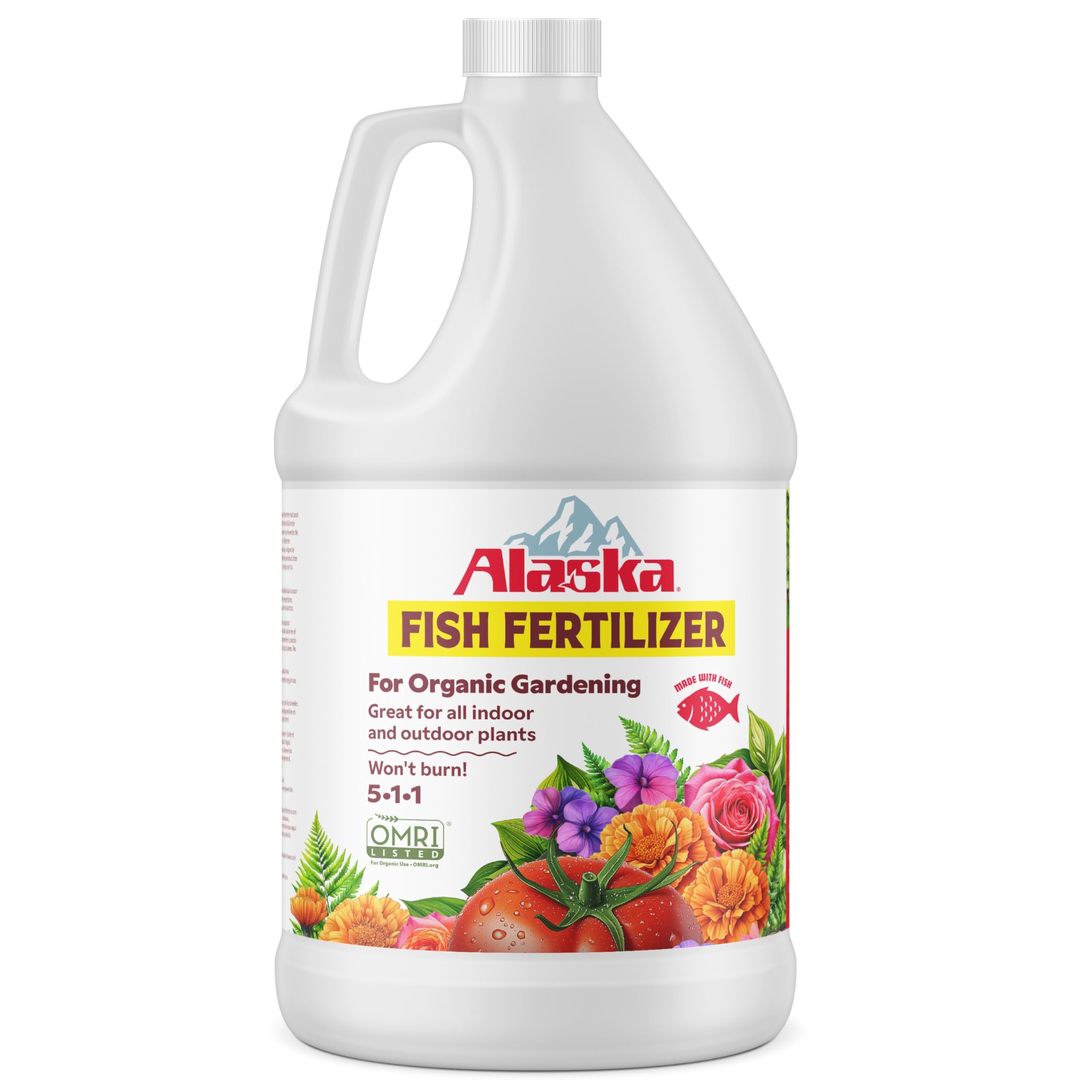
Alaska Fish Fertilizer is the liquid nitrogen workhorse of organic gardening — a 115-ounce jug of cold-processed fish emulsion that supplies gentle, readily available nitrogen for early spring growth. When tulip shoots first break the soil surface, a diluted drench of 5-1-1 provides the nitrogen they need to push up through cold ground without the burn risk of synthetic fast-release feeds. The OMRI listing confirms it’s certified for organic use.
The 5-1-1 ratio is naturally low in phosphorus, so this isn’t a standalone bloom fertilizer, but it excels as a complementary feed during the vegetative phase. Experienced growers use it every 3 weeks from shoot emergence until the color shows in the buds, then switch to a phosphorus-heavy feed. The fish-derived micronutrients and amino acids also support soil microbes, which in turn helps tulips access stored soil phosphorus more effectively.
The main drawback is the smell — multiple reviewers call it “extremely pungent” and note the odor can linger indoors for a day. In outdoor tulip beds the smell dissipates within hours, but it’s worth considering if you’re mixing the concentrate in a garage or near open windows.
What works
- Gentle organic nitrogen for strong early spring growth
- Cold-processed formula preserves beneficial micronutrients
- OMRI listed and safe for organic gardens
What doesn’t
- Very fishy smell during mixing and application
- Low phosphorus means you still need a bloom booster for flowers
7. Coast of Maine Bar Harbor Blend Potting Soil
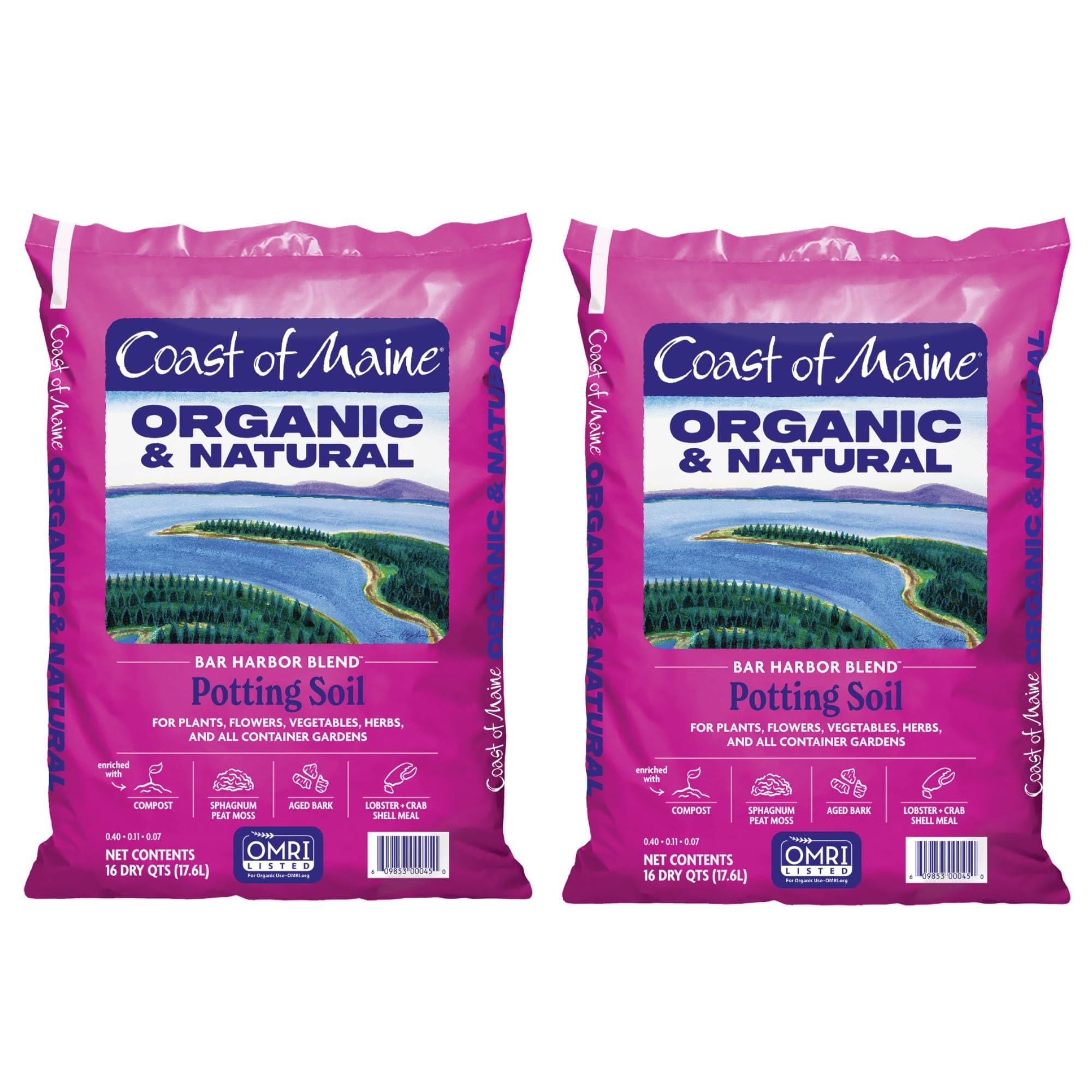
Coast of Maine’s Bar Harbor Blend is a complete potting soil that combines sphagnum peat moss, compost, perlite, lobster and crab shell meal, and kelp meal into a ready-to-use mix for container gardening. For tulips grown in pots, window boxes, or raised beds, this blend provides both the drainage structure and the nutrient density that container bulbs need to avoid waterlogged rot and nutrient starvation in the limited soil volume.
The perlite content ensures that excess water drains quickly — critical for tulip bulbs that rot in soggy soil during winter dormancy — while the lobster shell meal contributes a slow-release calcium and phosphorus source. Kelp meal adds trace minerals and natural growth hormones that support root development. Reviews consistently describe this as “some of the best soil” for container growing, with gardeners reporting exceptional results on tomatoes, potatoes, and flowering plants.
For dedicated container tulip growers, this eliminates the guesswork of blending your own potting mix. It’s organic, sustainably sourced, and produces the kind of robust root systems that translate directly to thicker stems and larger blooms in the spring pot display.
What works
- Lobster shell and kelp provide slow-release nutrition and trace minerals
- Perlite ensures excellent drainage for sensitive tulip bulbs
- OMRI compliant and contains no synthetic chemicals
What doesn’t
- 16-quart bag is relatively small for large raised beds
- Can be too rich for bulbs if used without mixing with garden soil
Hardware & Specs Guide
Understanding NPK for Tulips
The three numbers on a fertilizer bag represent nitrogen (N), phosphorus (P), and potassium (K) in that order. Tulips need higher P for root development and bloom formation, and moderate K for stem strength and water regulation. Nitrogen should be the lowest number — excess N forces leafy growth that crowds out flower buds and leaves tulip stems weak and floppy. A 3-5-3 or 4-10-10 ratio is ideal; a 5-1-1 is useful only for the first few weeks of spring emergence before buds form.
Organic Matter and Soil Biology
Composts that contain lobster meal, crab shell, fish emulsion, or mycorrhizal fungi provide more than just NPK numbers — they feed the soil food web that tulips depend on. Mycorrhizal fungi extend the reach of tulip roots by up to 100 times, pulling water and phosphorus from soil that would otherwise be inaccessible. Chitin from crustacean shells also suppresses certain soil-borne nematodes and fungi that can damage tulip bulbs over multiple seasons.
FAQ
Should I use compost or fertilizer for tulips?
Can I use a general-purpose 10-10-10 fertilizer on tulips?
Final Thoughts: The Verdict
For most gardeners, the best compost for tulips winner is the Espoma Organic Bulb-Tone 3-5-3 because its targeted NPK ratio and Bio-tone microbes match the exact nutritional physiology of tulip bulbs during both fall root growth and spring blooming. If you want a soil-building amendment that improves your beds year after year, grab the Espoma Land and Sea Gourmet Compost. And for container tulip growers who need perfect drainage and built-in nutrition, nothing beats the Coast of Maine Bar Harbor Blend Potting Soil.