
Digging is the most labor-intensive task in any landscape. A shovel that dulls after three holes, snaps at the handle under heavy clay, or forces you to hunch over is a tool that fights you, not the dirt. Finding a steel blade with a proper edge and a handle that matches your height separates a smart purchase from a sore back.
I’m Rikta — the co-founder and writer behind Lawn Gear Lab. I’ve spent hundreds of hours comparing blade gauges, handle materials, and pivot strengths, cross-referencing real owner reports to sift out which digging shovels actually survive rocky soil and root-heavy ground.
This guide breaks down the seven strongest contenders by their defining specs. Whether you dig for landscaping, gardening, or construction, my goal is to hand you a clear, spec-backed reason to choose your next digging shovel.
How To Choose The Best Digging Shovel
Buying a digging shovel means looking past the handle color and reading the blade material, shaft construction, and overall length. The wrong choice in any of these areas makes every hole harder than it needs to be.
Blade Material and Gauge
The blade is the working end. Alloy steel is the standard for home use, but the gauge (thickness) determines how long it resists bending. A heavy-gauge blade from a reputable brand like Fiskars or Root Slayer holds up to prying and rock contact better than thinner stamped steel. A sharpened edge cuts into turf and compacted earth on the first push, so look for brands that mention a ground or sharpened tip rather than a rolled edge.
Handle Length and Ergonomics
Handle length dictates your posture. A 41-inch shovel suits users around 5’4″ to 5’10”, reducing the need to bend deeply. Taller gardeners (6′ and above) should consider 44-inch or 60-inch straight handles to keep the spine neutral during repetitive digging. D-handles offer two-handed control for leverage in tight spaces, while straight handles give more reach for trenching and turning soil.
Shaft Composition: Wood, Fiberglass, or Aluminum
Wood shafts (typically ash or hardwood) provide natural shock absorption but can crack over time if stored outdoors. Fiberglass shafts are heavier but resist moisture and splitting. Aluminum shafts found in premium models like the Fiskars Pro series are lightweight and extremely rigid, transferring more force from your arms directly into the blade without flex. Choose aluminum or reinforced fiberglass for the longest service life in wet or clay-heavy conditions.
Specialized Features
Serrated blades (like the Root Slayer) cut through roots without you having to reposition the shovel. Winged designs (like the One Shot) increase the scoop capacity and keep soil from spilling off the sides. A proper foot tread or extended step platform lets you drive the blade deep without sole slipping. Match these special features to your primary task: root cutting, moving loose material, or transplanting.
Quick Comparison
On smaller screens, swipe sideways to see the full table.
| Model | Category | Best For | Key Spec | Amazon |
|---|---|---|---|---|
| Fiskars 60″ Pro | Premium | Tall diggers, deep holes | 60 in straight aluminum handle | Amazon |
| Root Slayer | Premium | Root-heavy soil, transplanting | 13 in serrated carbon steel blade | Amazon |
| Fiskars 44″ Pro D-Handle | Premium | Stomping, prying, heavy clay | 44 in aluminum D-handle | Amazon |
| One Shot (Root Assassin) | Mid-Range | Large scooping, reducing spillage | 43 in fiberglass, winged blade | Amazon |
| VNIMTI Square Shovel | Mid-Range | Edging, transferring heavy material | Cold-rolled steel, square head | Amazon |
| Ashman Round Point | Budget | Light digging, truck/car use | 41 in fiberglass, 2.2 lb | Amazon |
| KOLEIYA Round Point | Budget | Entry-level, smaller users | 41 in wood handle, 3.3 lb | Amazon |
In‑Depth Reviews
1. Fiskars 60″ Pro Digging Shovel
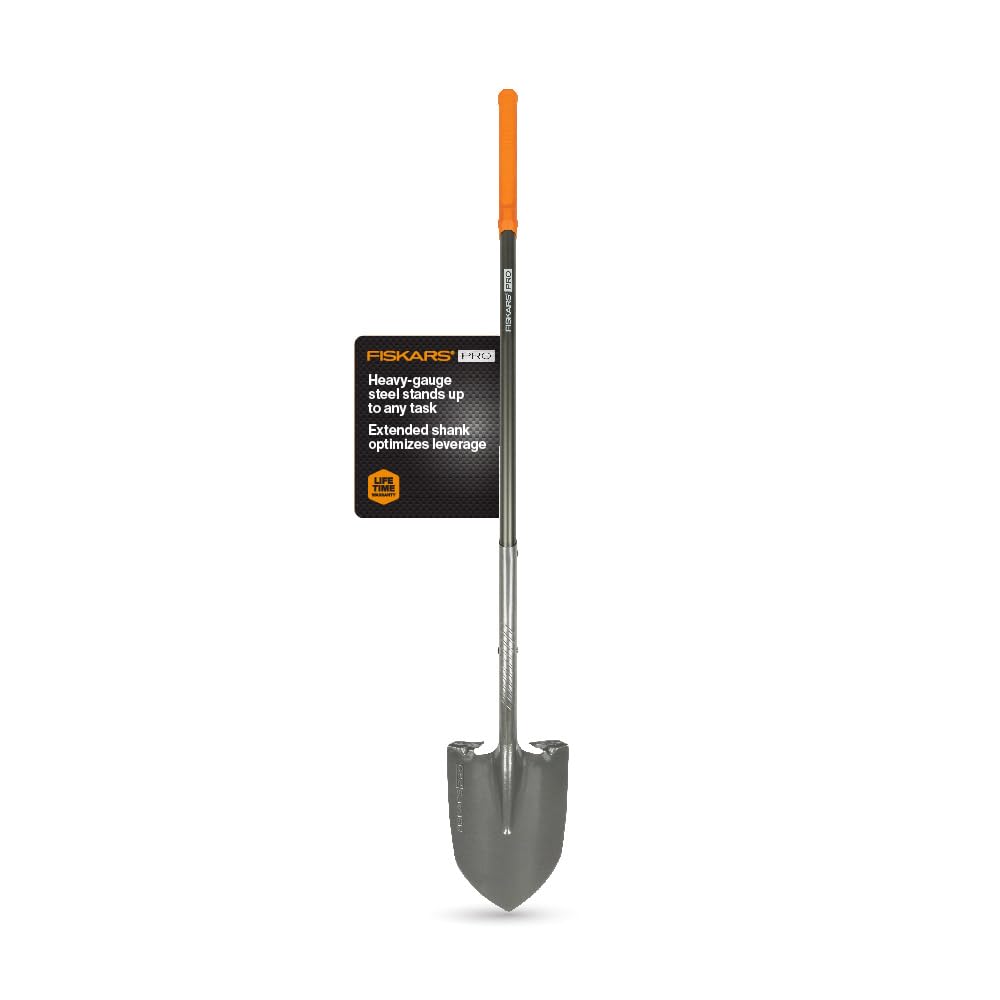
The Fiskars Pro 60-inch straight handle is the benchmark for tall gardeners and anyone who needs to drive deep into heavy soil without rounding their back. The heavy-gauge steel blade is sharpened right out of the box, so the first push penetrates turf and clay far easier than rolled-edge competition. The aluminum shaft is rigid, lightweight at just 2 pounds, and the teardrop shape improves hand grip during prying motions. Owners report prying out concrete fence posts and surviving field rock without any shaft flex or separation, which speaks to the weld quality and alloy steel selection.
At 60 inches, this shovel offers maximum reach for trenching and hole digging while keeping the spine straight. The rubberized mid-shaft grip adds control for two-handed digging without sliding. Multiple verified buyers note that the blade stays sharp through heavy use across seasons, and the full lifetime warranty provides long-term confidence. The straight handle lacks a D-grip, so users who prefer a hands-over-hand technique for tight transplanting may find it less intuitive than a D-handle model.
For the gardener who wants a single heavy-duty digging shovel that handles tough soil, roots, and even demolition-adjacent prying, the Fiskars 60-inch Pro is the most versatile premium option on this list. It competes directly with the Root Slayer and Fiskars 44-inch D-handle but wins on reach and overall weight savings.
What works
- Sharpened heavy-gauge blade cuts through clay and turf immediately.
- 60-inch aluminum shaft keeps the back straight during deep digging.
- Full lifetime warranty backs the build quality.
What doesn’t
- Straight handle lacks a D-grip option for close-quarter trenching.
- Aluminum shaft transfers vibration more than wood or fiberglass.
2. Root Slayer Garden Shovel

The Root Slayer is engineered specifically for cutting through roots without needing a secondary tool. Its inverted V-shaped serrated tip grabs and slices through woody roots as you push down, which owners confirm works dramatically faster than a standard round-point blade. The carbon steel blade is powder-coated to resist rust, and the resin-encased steel shaft provides exceptional torsional strength for twisting and levering. At 5 pounds, it is heavier than the Fiskars models, but that weight is concentrated in the blade for better downward momentum.
The D-handle feels ergonomic and the raised foot tread prevents slipping on wet clay or muddy soil. Users consistently report digging out massive ornamental grasses and dense rootballs in tight spaces where a long straight handle would be impractical. The narrower blade width (13 inches long by a bit over 6 inches wide) fits between established plants, making it ideal for transplanting and bed work. The manufacturer explicitly warns against using it for heavy prying or excessive leverage, which suggests the steel shaft has a yield limit under severe side loads.
For any gardener dealing with root-laden soil from tree lines or shrub beds, the Root Slayer earns its price premium. The serrated edge is not a gimmick — it measurably reduces the number of jabs and repositioning moves per hole. The trade-off is that the blade is narrower, so it holds less material per scoop compared to a traditional round-point shovel.
What works
- Serrated inverted V tip slices through thick roots effortlessly.
- Extended foot tread provides stable, non-slip stomping.
- Carbon steel blade with protective coating resists rust.
What doesn’t
- Heavier than comparable shovels at 5 pounds.
- Narrower blade limits scoop capacity for loose material.
3. Fiskars 44″ Pro D-Handle Digging Shovel

The Fiskars 44-inch Pro D-handle variant takes the same heavy-gauge steel blade and aluminum shaft as the 60-inch straight version and adapts it for two-handed control. The D-grip allows the user to pull upward while applying downward stomp force, making it excellent for prying out rocks or levering deep roots. The blade is sharpened identically to the straight-handle model, so it penetrates hard-packed soil on the first step. At 44 inches, it remains long enough for most users up to 6 feet to maintain a comfortable stance without excessive bending.
Verified owners consistently highlight its ability to survive digging through 8 tons of river rock without structural failure. The aluminum shaft does not corrode or rot like wood, and the D-handle is welded securely. Some users note that the non-stick coating on the blade chips away after heavy use in abrasive gravel, but the steel edge remains functional. The heavier weight (about 5.6 pounds) compared to the straight-handle version is due to the D-handle reinforcement and longer blade weld.
The Fiskars 44 D-handle is the best choice for the gardener who needs to stomp and pry repeatedly in rocky or clay-heavy ground. The D-grip gives superior leverage for lifting heavy loads out of a hole. If you primarily dig straight down rather than moving soil sideways, this is the Fiskars variant to buy over the straight-handle option.
What works
- D-handle provides excellent leverage for prying and lifting.
- Sharpened alloy steel blade cuts through tough soil immediately.
- Aluminum shaft is rigid and will not rot or split.
What doesn’t
- Heavier than the straight-handle version.
- Non-stick coating can chip under heavy abrasive use.
4. One Shot Garden Shovel (Root Assassin)

The One Shot shovel by Root Assassin uses a distinct wing design on the blade that increases the carrying capacity of each scoop and prevents material from spilling off the sides. The wings also create a larger foot step platform, which protects the sole of your boot and lets you apply full body weight without slipping. The blade is made of alloy steel, and the fiberglass handle is significantly more durable than wood in wet storage conditions. At 43 inches, it is mid-length and suits most users between 5’4″ and 6′. The blade has a sharpened edge that slices through turf and roots, with verified customers reporting that it handles 6-acre properties without bending.
Owners frequently mention that the extra 3 to 4 inches over a standard 40-inch shovel makes a meaningful difference to lower back comfort during extended digging sessions. The wing design is genuinely effective at holding more soil, compost, or gravel per scoop, reducing the total number of movements. Some users note that the wings can catch on the edges of a narrow trench or planting hole, so it is better suited for open-area digging and transferring rather than tight transplanting work.
If your primary task is moving soil, mulch, or gravel from a pile to a bed, the One Shot shovel improves efficiency by reducing trips. The fiberglass shaft adds durability without the weight penalty of wood. It is an excellent mid-range pick that fills the gap between pure digging tools and transfer scoops.
What works
- Winged blade design increases scoop capacity and prevents spillage.
- Fiberglass handle resists moisture and cracking.
- Larger foot platform protects boot sole during stomping.
What doesn’t
- Wings can snag on narrow trench or planter edges.
- Heavier than comparable round-point shovels.
5. VNIMTI Square Shovel

The VNIMTI Square Shovel is a mid-range option that brings a cold-rolled steel blade with a hardened edge suited for both digging and scraping. The square head provides a larger surface area than a round-point, making it effective for edging garden beds, scraping packed snow, and moving loose material like gravel or dirt. The D-handle is made of wood with a clear finish, and the shaft is pure hardwood with a strong grain. The 41-inch total length keeps it compact enough for car trunks and camping gear without excessive overhang.
Verified users appreciate that the high-temperature quenching process prevents the blade from bending when striking rocks or frozen ground. The wing pedals on the top of the blade provide a secure foot platform for driving the shovel into hard soil. Some owners note that the wood handle, while comfortable, can be vulnerable to splitting if the shovel is left outdoors in wet climates, so proper storage is required. The 3.3-pound weight is moderate and feels balanced in hand, neither too heavy for lifting nor too light for effective stomping.
The VNIMTI Square Shovel earns its place for the budget-conscious gardener who needs a single tool for both digging and scraping tasks. The square edge is genuinely useful for cutting straight trench lines and edging, while the cold-rolled steel holds up to rocky soil. If you only need one shovel for occasional garden maintenance and driveway scraping, this is a solid choice.
What works
- Cold-rolled steel blade resists bending on rock contact.
- Square head is ideal for edging and scraping snow.
- Lightweight at 3.3 pounds for easy transport.
What doesn’t
- Wood handle may split if left exposed to rain.
- Not ideal for digging deep, narrow transplant holes.
6. Ashman Heavy-Duty Digging Shovel

The Ashman round-point shovel is a budget-tier option that focuses on lightweight portability. At just 2.2 pounds and 41 inches long, it is easy to store in a truck cab or car trunk for emergency digging. The blade is made of alloy steel with a sharpened edge, and the D-handle grip is ergonomically shaped for a secure hold. The fiberglass handle is non-conductive and resistant to temperature transfer, which is a useful safety feature for anyone working near buried power lines or extreme weather. The round blade is designed for general digging, trenching, and transplanting.
Verified buyers confirm that the shovel is durable for occasional use, with one owner using it for 4×4 vehicle recovery. Multiple reviews note that the 41-inch length is on the shorter side for tall users (6 feet or taller), leading to noticeable bending during extended digging. The blade arrives sharp, and the fiberglass handle holds up well when stored dry. Some users report scratches on the blade from factory packaging, but these do not affect performance. The shovel lacks a reinforced foot tread, so heavy stomping may feel less secure than models with an integrated step platform.
The Ashman shovel works best for the lightweight user or small-car owner who needs a backup digging tool rather than a primary landscaping shovel. It is the lightest unit in this roundup, making it ideal for quick jobs that do not require sustained heavy prying. If you need a secondary shovel for the truck or a compact option for a petite gardener, this is a competent entry-level buy.
What works
- Very lightweight at 2.2 pounds for easy carry and storage.
- Non-conductive fiberglass handle adds safety around utilities.
- Sharp alloy steel blade penetrates soil well.
What doesn’t
- 41-inch length is short for taller users.
- Lacks an integrated foot tread for heavy stomping.
7. KOLEIYA 41 Inch Round Point Shovel
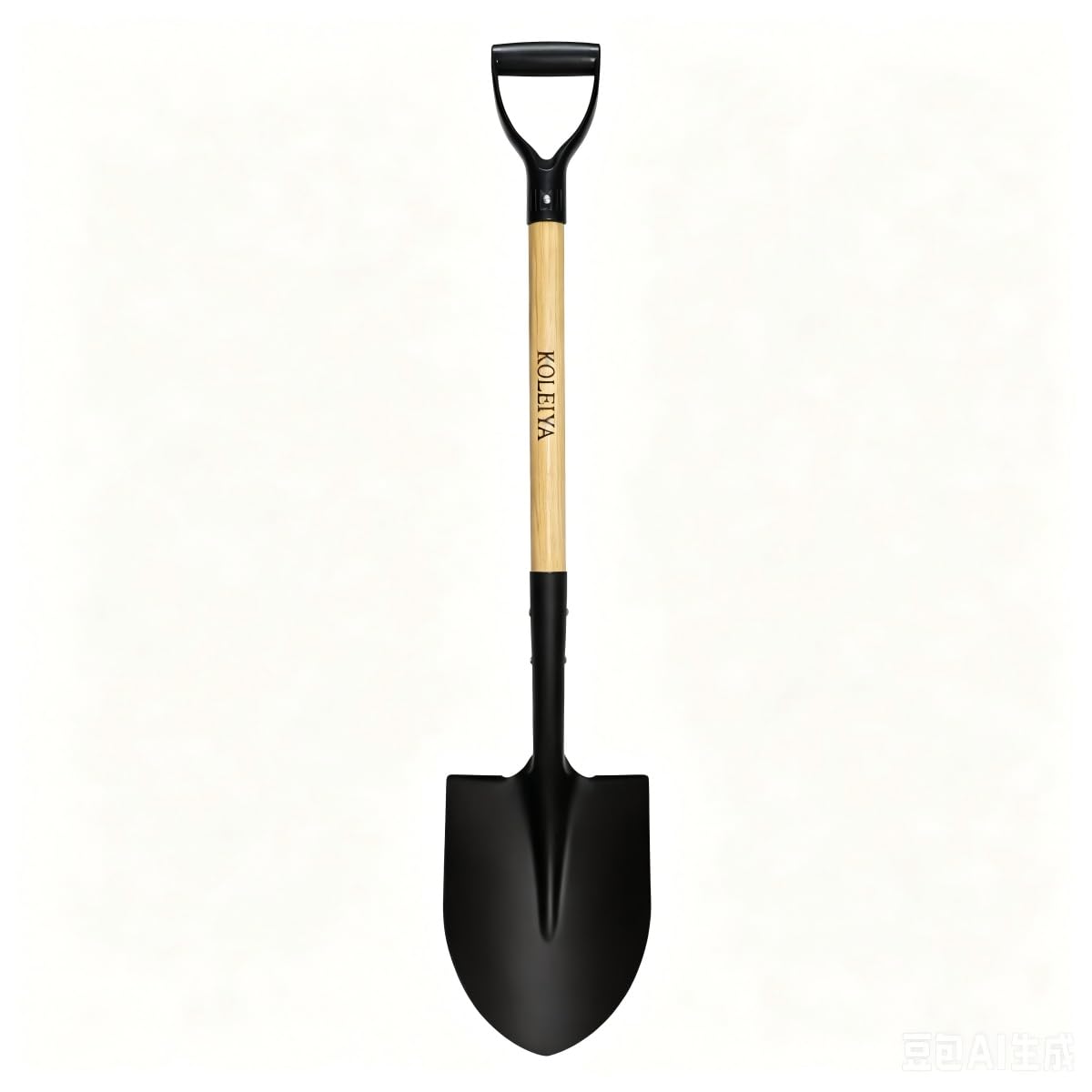
The KOLEIYA round-point shovel is the most budget-friendly option in the lineup, designed for the gardener who needs a functional digging tool without spending on premium materials. The steel blade is made of alloy steel with double rivet attachment to the wood handle, ensuring the head does not separate under normal digging loads. The 41-inch hardwood handle is sanded and clear-finished for a comfortable grip, and the D-handle provides two-handed leverage. The total weight of 3.3 pounds is moderate, feeling solid without being cumbersome. The compact length makes it a good fit for smaller users or tight storage spaces in a condo or apartment balcony.
Verified owners compliment the shovel’s sturdiness and lightweight feel, with one user in a wheelchair reporting that it works well for planting flowers from a seated position. The blade is sharp enough for cutting through snow drifts and light ice, and the included blade cover protects the edge and prevents rust during storage. The foldable design (the handle separates) is convenient for packing in a car trunk. Some reviewers note that the wood handle is not as durable as fiberglass or aluminum and may crack if the shovel is used for heavy prying or left in wet conditions. The blade gauge is not specified, so it may bend under prolonged rock contact.
The KOLEIYA shovel is a functional budget pick for light garden maintenance, snow scraping, and camping. It is not designed for heavy construction or root cutting. For the price, the double rivet construction and included blade cover add value beyond the bare minimum. Pair it with a premium model like the Fiskars for heavy digging, and keep this one for light tasks and trunk storage.
What works
- Double rivet blade attachment prevents head separation.
- Compact 41-inch length fits tight storage spaces.
- Included blade cover protects edge during storage.
What doesn’t
- Wood handle is vulnerable to cracking under heavy prying.
- Blade gauge may bend on rocks under heavy use.
Hardware & Specs Guide
Blade Material and Gauge
Alloy steel is the standard for all seven shovels reviewed, but the gauge (thickness) varies. Fiskars and Root Slayer use heavy-gauge blades that resist bending under extreme side loads. Budget options like KOLEIYA and Ashman use thinner stamped steel that works for light soil but may deform in rocky ground. Cold-rolled steel (as seen in VNIMTI) offers a harder edge than hot-rolled versions.
Handle Material and Length
Wood handles (KOLEIYA, VNIMTI) are traditional and provide natural shock absorption but require dry storage. Fiberglass (Ashman) adds non-conductive durability at a slight weight cost. Aluminum (Fiskars Pro series) is the lightest and most rigid but can be cold in winter. Handle length spans 41 to 60 inches — choose 41 for compact carry, 44 for average height, and 60 for tall diggers needing neutral spine posture.
FAQ
What blade length works best for digging in heavy clay?
How does a serrated blade help with root cutting?
Should I choose a D-handle or a straight handle for transplanting?
Why do some shovels weigh 5 pounds while others weigh 2.2 pounds?
Can I use a wood-handled shovel in wet conditions?
Final Thoughts: The Verdict
For most gardeners, the best digging shovel winner is the Fiskars 60″ Pro because it combines a sharp steel blade, a rigid lightweight aluminum shaft, and a 60-inch length that protects your back during deep digging. If you battle roots and tight spaces, grab the Root Slayer for its serrated edge and narrow profile. And for moving large amounts of soil or gravel quickly, nothing beats the One Shot (Root Assassin) with its winged scoop that holds more per push and prevents spillage.