
Specs are compiled from manufacturer listings and verified buyer reviews and can change over time — please confirm the key details on the product page before buying.
If your Rose of Sharon looks leafy but light on flowers, the fix is usually in the feeding schedule and the nutrient balance, not the plant itself. Rose of Sharon is a type of hibiscus, so it craves a formula that pushes bud formation without turning your shrub into a green giant. This guide breaks down the best liquid, granular, and capsule options so you can pick the one that matches how much time you actually want to spend watering.
I’m Rikta — the founder and writer behind Lawn Gear Lab. This guide is built by comparing the manufacturers’ published specifications and the patterns across verified customer reviews, so you get each pick’s real strengths and trade-offs instead of marketing spin.
We dig into seven proven plant foods and match each to a specific gardening habit, from once-a-week liquid feedings to set-and-forget spikes, to find the rose of sharon fertilizer that fits your routine.
Our Picks at a Glance
How To Choose The Best Rose Of Sharon Fertilizer
Rose of Sharon blooms on new wood, which means the more healthy new growth your plant pushes, the more flowers you get. A fertilizer that is heavy on nitrogen will give you tall, green growth at the expense of blooms, while one with a balanced or bloom-focused N-P-K will push out more buds.
Match the format to your routine
Liquids are fast-acting and ideal for a weekly ritual — you mix a small amount into your watering can and feed as you water. Granules and capsules sit in the soil and break down slowly, so they suit a “low-maintenance” gardener who feeds once a month. Think about how often you want to be out in the garden before you choose.
Quick Comparison
| Model | Best For | Form | Volume | Coverage | Amazon |
|---|---|---|---|---|---|
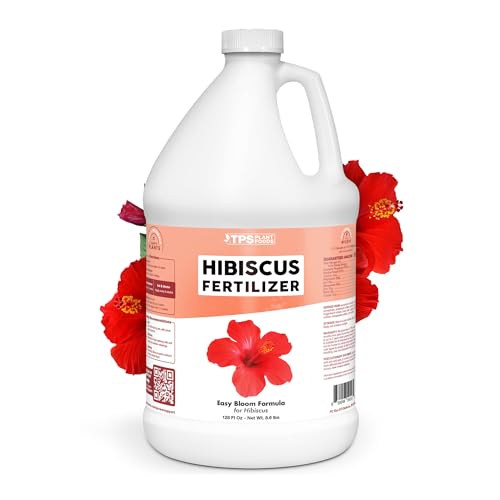
| TPS Nutrients Liquid Hibiscus (1 Gal)★ Best Overall | Serious bloom chasers | Liquid | 128 fl oz | Medium | Amazon |
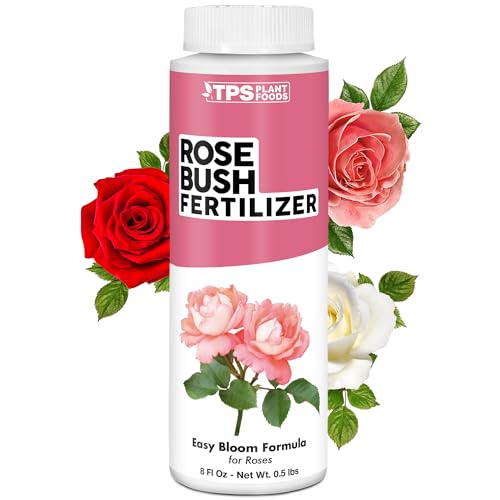
| TPS Nutrients Rose Bush Liquid (8 oz)Quick Rebloom | Quick rose rebloom | Liquid | 8 fl oz | Rose bushes | Amazon |
| Cz Garden BloomBiscus Granules (4 lb) | Versatile tropical feeding | Granules | 4 lb | Full | Amazon |
| EarthPods Tropical Capsules (100 ct) | No-mess slow release | Capsules | 100 count | Compact | Amazon |
| Bloom City Rose & Flower Food (32 oz) | Potted and patio plants | Liquid | 32 fl oz | Full | Amazon |
| Big Ass Fertilizers Perfect Rose (12 oz) | Kelp-enriched feeding | Powder | 12 oz | Medium | Amazon |
| HiThrive Liquid Hibiscus Food (16 oz) | Fixing yellow leaves | Liquid | 16 fl oz | Full | Amazon |
In‑Depth Reviews
1. TPS Nutrients Liquid Hibiscus Fertilizer (1 Gallon)
Our pick — over 4.5★ from 650+ verified ratings; the strongest balance of quality and price.
The gallon jug that turns a tired shrub into a non-stop bloom machine.
This is the heavy hitter for anyone with multiple hibiscus plants or a large Rose of Sharon hedge. At 128 fluid ounces, the liquid volume is the largest in this lineup, and the 8-pound jug means you are buying enough concentrate to feed a whole border all season. The mixing ratio of 1:64 — one part fertilizer to 64 parts water — stretches the bottle even further, so the higher upfront cost translates into serious per-feeding savings.
What wins people over is the bloom response. Owners consistently report their plants producing large, bright, continual flowers after switching to this, and one describes reviving a 6-year-old hibiscus after just 3 uses, with leaves enlarging and constant flowers and buds. Another gardener saved a bare, sickly hibiscus post-winter and saw buds within 3 weeks, with abundant growth and blooms by 4-5 weeks. It is also praised as easy to use — simply mix with water and drench the soil.
Unsurprisingly, Bloom is the most-discussed aspect by a wide margin, with 49 owners singling it out, and plant health following at 25 mentions. The honest trade-off is that value for money is mixed among buyers — some find it worthy of the cost, others consider it a waste, so it best suits someone who will actually use the full volume.
What the bloom lovers say
- 128 fl oz of concentrate; a single bottle covers many plants
- Fast-acting formula revives stressed plants in weeks
- Simple 1:64 mix ratio is easy to measure
Who should pass
- Overkill if you have just one small potted shrub
- Value debates: some owners want a lower per-bottle cost
The gallon jug for bloom chasers: best if you have multiple hibiscus or want a season-long supply in one buy.
Think twice if: you only have one small plant — you would struggle to use 128 fl oz before it goes stale.
2. TPS Nutrients Rose Bush Liquid Fertilizer (8 oz)
A small bottle that pushes out a big flush of reblooms in days.
This 8-fluid-ounce liquid is the compact sibling to the gallon jug above, and it is aimed squarely at rose bushes. Because Rose of Sharon responds to the same phosphorus-driven feeding as roses, this fast-absorbing drench works beautifully on your shrub too — just mix it with water and pour it into the soil. Buyers report their plants “blew up with extra roses in a matter of a few days” after application, and newly planted knock-out rose bushes that were growing slowly put on lots of new growth and blooms.
The formula is made for soil drench use, meaning no spraying or foliar application — you simply water it in. Owners mention it is easy to use and odorless, though one owner admits they are not a fan of the fertilizer smell. The strength here is the speed of response, which is why Effectiveness and Quality are the two most-cited aspects, with 12 mentions each, and Bloom following at 7.
The size difference between this and the 1-gallon TPS jug is significant — 8 fluid ounces compared to 128 — so this is the entry point for testing the brand. One honest gap: it may not help every bush equally, with one owner reporting only 1 of their 4 rose bushes responded dramatically, though that one became “absolutely beautiful.”
The fast drench: this is the speed pick — owners see new buds in days, not weeks, and it is simpler than mixing a granular feed.
One honest limit: results can vary from bush to bush, so treat it as a solid boost rather than a guarantee on every plant.
3. Cz Garden BloomBiscus Granules (4 lb)
One granular feed for the whole tropical corner of your garden.
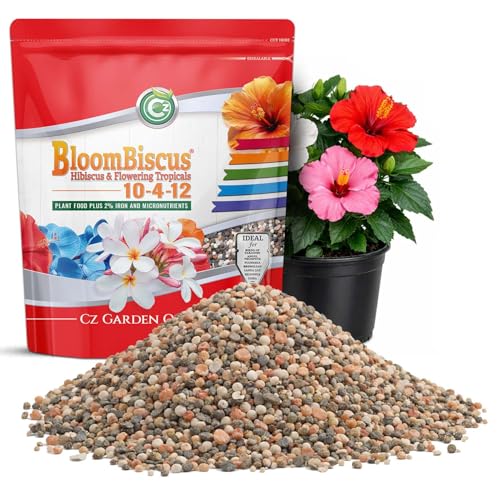
If your garden is not just Rose of Sharon but also Bird of Paradise, Angel Trumpets, Plumeria, or Canna Lily, this 4-pound granular pouch feeds them all. It uses an optimal 10-4-12 NPK formula — the middle number (phosphorus) keeps flower production high — and adds 2% iron plus micronutrients to green up foliage. Customers note their hibiscus are thriving after the switch, and one noted buds appearing literally the next day after feeding.
The resealable heavy-duty pouch means you can pour out what you need and store the rest without juggling a measuring cup. It is manufactured in the USA, and one owner who overwinters their plants in NW Ohio found the transition outside was easier this year with the plants looking great earlier than expected. Effectiveness is the top praise at 11 mentions, with bloom growth close behind at 7.
Granular feeding is slower than liquid, so this suits a gardener who wants to feed once and let the soil work. The one caveat from a Rose of Sharon grower: it delivered a good amount of flowers but not an excess of green growth, and they wished for an ingredient to deter Japanese beetles.
The whole-family feed: excellent if you grow multiple tropicals, since one pouch covers them all.
The patience test: granules take longer to show results than a liquid drench, so do not expect overnight change.
4. EarthPods Organic Tropical Fertilizer Capsules (100 ct)
Push a capsule into the soil and walk away — no mixing, no smell.
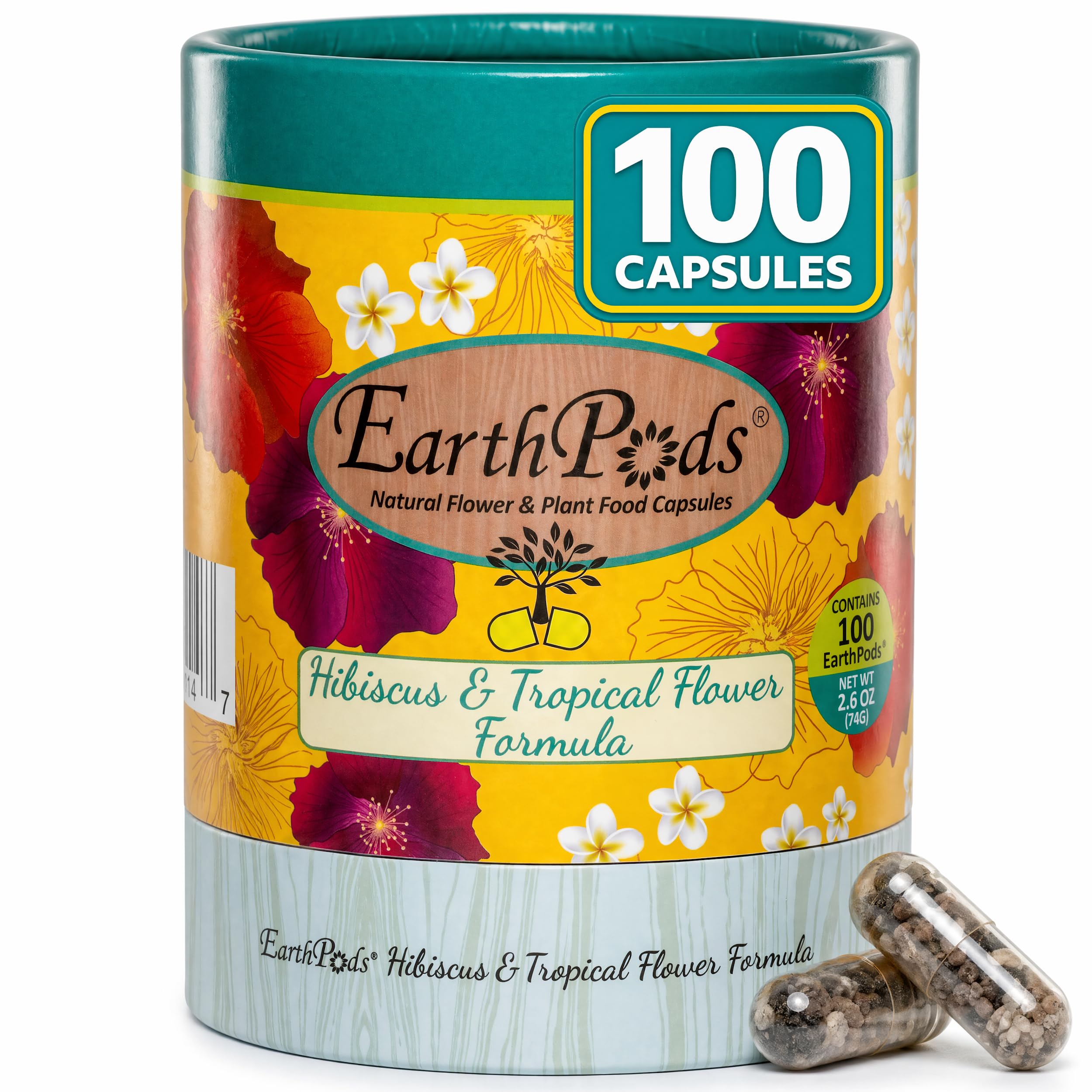
This is the set-and-forget option for anyone who hates measuring fertilizer. You get 100 concentrated organic capsules, and the instructions are simple: push them into the soil near the stem and water as usual. Use 1-2 capsules for small pots, 2-4 for medium, and 4-8 for large patio plants, every 2-3 weeks in the growing season. One owner with a 4-foot hibiscus found it needs about 3 pods per feeding.
The formula is built from premium worm castings, humic acids, kelp, rock minerals, and beneficial soil biology — all hand-made in small batches in the USA. Because it is slow-release, it feeds the root zone steadily rather than in one spike, and reviewers point out visible results in 2-4 days. One gardener saved a hibiscus with falling buds and yellow leaves in about 2 weeks, and another whose plant barely survived winter in Nebraska saw it budding again after using these.
The capsule format is the standout feature — it is odorless, mess-free, and each coated capsule dissolves slowly with watering. The trade-off is the cost per feeding, which some owners flag as pricey, and the tube is pitched as a 4-year supply for one flourishing hibiscus. Value for money earns mixed reviews at 8 mentions, while Effectiveness leads at 13.
Why the spike style wins
- Push in and water; no measuring cup required
- Slow-release feeds the roots steadily for weeks
- Organic, vegan, and friendly around kids and pets
The honest cost
- Per-feeding cost is higher than a liquid concentrate
- Large plants need several pods each feeding
For the hands-off gardener: this is the pick if you want to feed without touching a measuring spoon or breathing fertilizer mix.
Reach for liquid instead if: you are on a tight budget and have several large shrubs to feed regularly.
5. Bloom City Rose & Flower Plant Food (32 oz)

A liquid feed that also rescues plants stuck in sandy soil.
This 32-fluid-ounce liquid fertilizer is formulated for roses and ornamental flowers, which puts it right in Rose of Sharon territory. The mixing ratio is easy to remember — 1 ounce per gallon of water — and it works well for rose bushes, flower beds, containers, and decorative plantings. Shoppers say new leaves and buds within a week of feeding, with directions to water first, then feed, and repeat after 2 weeks.
What makes this stand out is how it performs in difficult soil. One gardener in a hot area with very sandy soil — which does not retain nutrients — found their roses were struggling until they started using this weekly, and the plants began showing new growth and looking much healthier. It is also convenient to use straight from a house applicator, which earns Ease of Use 6 mentions, though Effectiveness is the top praise at 14.
The 32-oz bottle is a middle-ground size — bigger than the 8-oz TPS rose bottle but smaller than the 128-oz gallon jug. Buyers describe the scent as mild, with one comparing it to coffee rather than a stinky fertilizer. One owner found it a little wasteful that the fishy smell dissipates, but overall the response is strong.
The all-rounder drench: a flexible liquid that handles pots, beds, and even sandy-soil rescue duty.
The repeat rhythm: it asks for weekly feeding to keep blooms coming, so it suits a regular watering habit.
6. Big Ass Fertilizers Perfect Rose (12 oz)
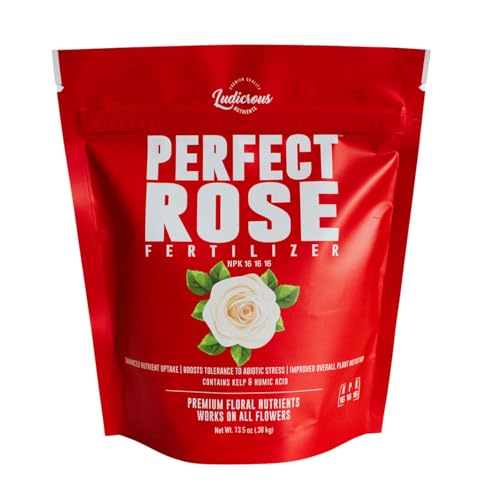
A soluble powder that wakes up color in stubborn roses.
This 12-ounce powder is different from the liquids above — it dissolves in water for a quick drench but packs a unique nutrient blend including nitrogen, magnesium, manganese, iron, and copper. It is also enriched with kelp and humic acid, which nourish the soil and improve nutrient and water retention for long-lasting vitality. The mixing ratio is 14.8 mL to 3.78 liters of water, so a little goes a long way.
Owners who thought their roses were past their best saw a change after a single use — one reports their roses “began to burst with color” after just one feeding, and another says the powder does a wonderful job of encouraging blooms. Buyers report the results are lovely and easy to apply. Effectiveness is the lead praise at 9 mentions, with Bloom close behind at 6.
The honest catch is the quantity. Several owners wish it came in a bigger size, and one was disappointed in the small amount of actual rose food in the 12 oz package, feeling it was rather expensive for the volume received. If you have a large Rose of Sharon hedge, you may burn through this quickly.
The soil conditioner: kelp and humic acid make this as much about soil health as about feeding the plant.
The quantity caveat: the 12 oz size runs out fast on big borders, so it suits a few specimen plants, not a whole hedge.
7. HiThrive Liquid Hibiscus Food (16 oz)
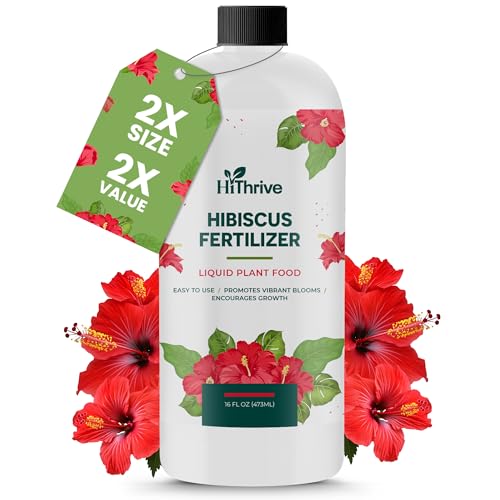
A small, concentrated bottle for the plant that sits around 3 pounds.
For a first-timer feeding a single potted Rose of Sharon, this 16-fluid-ounce bottle is the smart, budget-friendly starting point. The brand claims the 16 oz bottle makes 16 gallons of plant food when diluted, which is plenty for a small shrub, and the concentrated formula packs nitrogen for lush leaves, phosphorus for sturdy roots, and potassium for vibrant blooms. Owners mention yellowing hibiscus that refused to bloom shaping up within a week or so of feeding.
The feed schedule is simple: use every 1-2 weeks in spring and summer, then every 4 weeks in fall and winter. One gardener whose tropical hibiscus only had green leaves and never flowered started almost immediately seeing flower buds after applying. Effectiveness is the top praise at 10 mentions, with Blooming at 9 and Quality at 6 — all positive.
The bottle weighs just 1.3 pounds, which makes it easy to handle and store, though it is 6.2 times lighter than the 8-pound gallon jug from TPS — a trade-off between portability and total volume. It is also explicitly marketed “For Rose of Sharon” alongside Tropical Hibiscus and Confederate Rose, so it is a direct match for this article’s focus.
Why it fits a first-timer
- 16 fl oz bottle makes 16 gallons of mixed feed
- Explicitly labeled for Rose of Sharon varieties
- Corrects yellow leaves and stalled blooming
The volume limit
- Runs out quickly if you feed several large shrubs
- Concentrated means you must dilute carefully
Best first bottle: grab this if you are testing a fertilizer on one or two plants before committing to a bigger jug.
Move up a size if: you have a full hedge — the 16 oz bottle disappears fast on multiple shrubs.
Understanding the Specs
N-P-K Ratio
The three numbers on a fertilizer bag — nitrogen, phosphorus, potassium — tell you what the plant gets. Nitrogen grows leaves, phosphorus pushes flowers, and potassium strengthens roots. For Rose of Sharon, you want a formula where the middle number is not dwarfed by the first; the Cz Garden granules use 10-4-12, which keeps phosphorus high enough for blooms while iron keeps foliage green.
Liquid vs Granular vs Capsule
Liquids deliver nutrients fast because the plant absorbs them through the roots immediately, but they wash through the soil quickly. Granules and capsules break down slowly, feeding steadily for weeks, which fits a less frequent feeding habit. Choose a liquid if you water weekly and want fast results; choose capsules or granules if you want to feed once and forget about it.
FAQ
Is Rose of Sharon a hibiscus that needs special fertilizer?
How often should I feed my Rose of Sharon in a season?
Why are my Rose of Sharon leaves yellow but the plant never blooms?
Can I use a rose fertilizer on my Rose of Sharon?
What is the difference between liquid and granular fertilizer?
Will fertilizer burn my Rose of Sharon if I use too much?
How many EarthPods capsules does a large hibiscus need?
Can this fertilizer help a Rose of Sharon that survived winter indoors?
Do liquid fertilizers have a strong smell?
Final Thoughts: The Verdict
For the majority of shoppers, the rose of sharon fertilizer winner is the TPS Nutrients 1-Gallon Liquid because it delivers the most dramatic bloom response per feeding and the 128-fluid-ounce bottle covers an entire hedge all season. If you want the fastest rebloom for a single bush, grab the TPS 8 oz Rose Liquid. And for the no-mess gardener who hates measuring, the EarthPods capsules are the one to reach for.
How We Picked
We do not accept paid placement. Every pick is matched to a real buyer and a real use-case; we do not hands-on test units.
Sources & Methodology
Specifications: manufacturer listings and product documentation. Review insights: verified customer reviews, as of August 2026. Pricing: not shown on this page (it changes often); check the current price via the retailer link.
As an Amazon Associate, Lawn Gear Lab earns from qualifying purchases. This does not affect which products we feature.