
Specs are compiled from manufacturer listings and verified buyer reviews and can change over time — please confirm the key details on the product page before buying.
Garden beds fail for one common reason: the soil is tired, compacted, or just plain empty of nutrients. The right mix feeds roots, holds moisture, and drains well—so your tomatoes actually thrive.
I’m Rikta — the founder and writer behind Lawn Gear Lab. This guide is built by comparing the manufacturers’ published specifications and the patterns across verified customer reviews, so you get each pick’s real strengths and trade-offs instead of marketing spin.
We’re looking at manure-based compost, pre-blended raised bed mixes, and soilless formulas to find the best potting soil for garden beds that actually delivers measurable growth and healthy roots.
Our Picks at a Glance

How To Choose The Best Potting Soil For Garden Beds
Before you haul a bag into your cart, you need to know what job the soil is actually doing. Some mixes are designed to feed existing dirt, others are meant to replace it entirely. Match the product to your bed type—new raised bed, tired in-ground plot, or container garden—to save money and avoid frustration.
Match the Mix to the Bed
A new raised bed wants a complete, ready-to-use blend that holds moisture and structure on its own. An in-ground bed usually needs a soil amendment you mix into the native dirt to loosen it and add nutrition. Buy a pure compost for one job and a soil-less mix for the other, and you’ll be fighting the wrong battle all season.
Weight and Volume Are a Real Trade-off
A 40-pound bag of soil might be a bargain by weight, but it’s a back-breaking chore to move from the car to the garden. A lighter, soilless bag (full of peat and perlite) covers far more volume per pound but may need more frequent watering. Your physical limits and watering habits matter as much as the price tag.
Quick Comparison
| Model | Best For | Primary Ingredient | Weight | Volume | Amazon |
|---|---|---|---|---|---|
| R&M Organics Compost★ Best Overall | Reviving tired in-ground beds | Dairy Cow Manure | 10 lbs | 0.31 cu ft | Amazon |
| Espoma Vegetable & FlowerTop Performer | In-ground planting & transplanting | Earthworm Castings | — | 1 cu ft | Amazon |
| Michigan Peat Garden MagicBest Value | Budget-friendly large beds | Reed Sedge Peat | 40 lbs | — | Amazon |
| Espoma Raised Bed Mix | Filling new raised beds | Earthworm Castings | — | 1.5 cu ft | Amazon |
| Michigan Peat Premium w/ Perlite | Containers & transplanting | Reed Sedge Peat, Perlite | 50 lbs | — | Amazon |
| Esbenshade’s Professional Mix | Lightweight container gardening | Sphagnum Peat Moss | 22 lbs | 44 quarts | Amazon |
| Coast of Maine Castine Blend | Premium raised bed enrichment | Worm Castings & Biochar | 40.3 lbs | 2 cu ft | Amazon |
In‑Depth Reviews
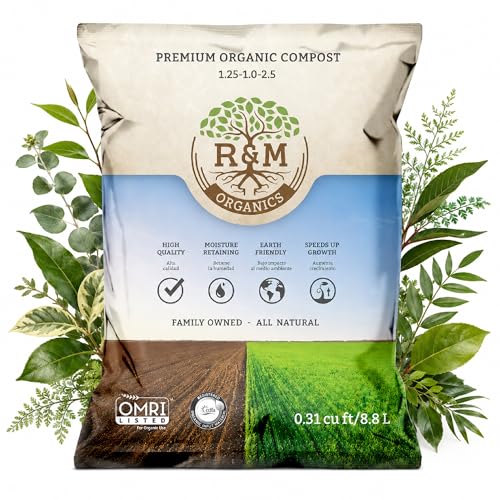
1. R&M Organics Compost Soil Amendment
Our pick — over 4.5★ from 500+ verified ratings; the strongest balance of quality and price.
The concentrated rescue remedy for soil that’s given up on life
This is not a filler. R&M Organics is a 10-pound bag of fully composted dairy cow manure designed to replenish nutrients that harvests strip away. The crowd favorite — 4.7 stars across 500+ owners — stands apart because it acts as a soil medicine, not just a base layer.
What wins people over is the consistent quality and the plant performance that follows. It’s a 5:1 mixing ratio, meaning a little goes a long way, and the 0.31 cubic feet of volume is easy to handle. The process of continuous aeration during composting kills the manure smell, leaving a clean, earthy scent suitable for indoor pots, not just the backyard.
The real proof is in the rescue stories. Azaleas damaged by a roof washing cleaner were brought back, and a suffering tomato plant with yellowing leaves and spindly stems bounced back a week after mixing most of the bag into a 27-gallon planter. Buyers report noticeable results fast.
Rescue power: A concentrated boost for tired soil; mix a quarter-inch layer in to revive struggling perennials.
Reach for this if: You’re nursing ailing plants, enriching a small bed, or prepping a container with serious nutrient density.
Look elsewhere if: You need to fill a large, empty raised bed from scratch—this is an amendment, not a bulk base.
2. Espoma Organic Vegetable & Flower Garden Soil
The transplanting specialist that outperforms generic store-bought organics
Designed for planting and transplanting directly into native soil, this 1 cubic foot bag is enriched with earthworm castings. The secret weapon is Myco-Tone, a proprietary blend of endo and ecto mycorrhizae (beneficial fungi that attach to roots to help them pull in more water and nutrients).
The edge here is visible. Plants grown in Espoma consistently outperform those in store-bought organic mix, with owners citing a noticeable quality difference in richness and effectiveness. Tomatoes and marigolds thrive, and the moisture retention is strong enough that gardeners report it stopped their gnat problems.
The catch is hygiene. A few owners found fungus gnats in the bag, though many suspected drainage issues in their own pots rather than the soil itself. For outdoor beds this is barely a concern; for indoor use, let the bag sit or air out first.
What it delivers
- Proprietary mycorrhizae for root health
- Enriched with earthworm castings
- No synthetic chemicals
What to watch
- Occasional fungus gnat reports
- Best for in-ground, not filling beds
The verdict: The smart choice for enriching existing garden soil at planting time.
A fair warning: If you’re highly sensitive to gnats indoors, use this one outside.
3. Michigan Peat Garden Magic General Purpose Mix
The 40-pound workhorse that makes fast germination look easy
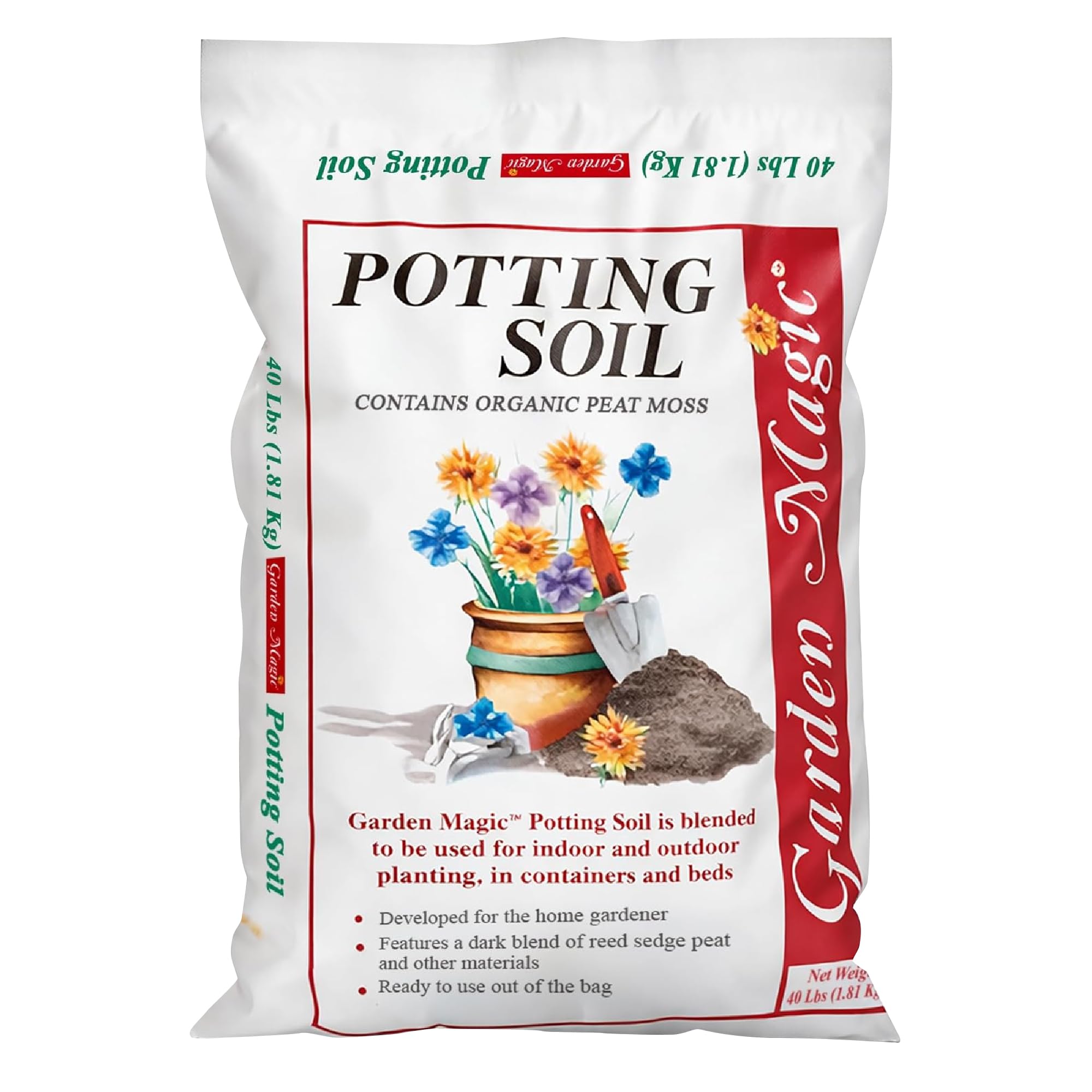
Garden Magic is a dark blend of reed sedge peat and organic peat moss that’s ready to use straight from the bag with zero mixing. For the budget-conscious gardener, this is the volume play: it’s 40 pounds of soil that retains moisture through moderate dry spells, sustaining active growth when other mixes dry out.
The germination results are the headline here. Seeds popped up in a couple of days, and repotted plants showed no transplant shock, staying healthy and vibrant. Owners love the clean texture—no strange smells and no bugs, just rich, dark soil that holds together well.
The trade-off? It’s heavy to move, and germination is notably mixed—while many see quick sprouts, some report nothing grows in it. That inconsistency is the risk you take at this price point. It works brilliantly for some, frustratingly for others.
Volume value: A 40 lb bag for the price of smaller premium bags makes this the economical pick for big projects.
Choose this for: Covering large surface areas or filling deep planters on a budget.
Think twice if: You’re starting expensive seeds and can’t afford a germination failure.
4. Espoma Organic Raised Bed Mix

The clean-smelling bed builder that holds moisture in subtropical heat
Built specifically for raised garden beds and outdoor containers, this 1.5 cubic foot mix combines earthworm castings, alfalfa meal, kelp meal, and feather meal for a slow-release nutrient profile. The texture is fresh and clean, with absolutely no manure or overpowering odors—a huge plus for gardeners working close to their plants.
In the subtropical climate of Southwest Florida, this mix retains moisture very well, keeping plants hydrated through intense heat. It blends well with existing soils, and gardeners report their beds grow “really well” after a single application. It’s ready to use immediately, whether you’re filling a new bed or boosting an old one.
The downside comes from a minority: some bags arrive looking like mostly wood, resembling mulch rather than rich soil. One unhappy owner watched seeds sprout then stall, turning yellow, in a bed filled with six bags. This is a risk with peat-based mixes that haven’t fully broken down.
Why it works
- Four organic meals for slow-release feeding
- No odor, easy to work with
- Goes further than smaller bags
Keep in mind
- Some batches are woodier than others
- Price per bag sits at the higher end
Pick this for: New raised beds where you want a complete, ready-to-plant mix with minimal smell.
Be aware: Inspect the bag texture before relying on it for seed-starting.
5. Michigan Peat Baccto Topsoil

The pre-fed, pre-mixed 50-pounder that takes transplant guesswork out
No mixing required. This 50-pound bag combines rich dark reed sedge peat, perlite, and sand, and it comes with starter and slow-release fertilizers already included. That built-in feeding is the differentiator—your plants get sustained nutrition from day one without you adding a thing.
Owners consistently describe “extra success” everywhere they use it, praising excellent water absorption and strong plant growth during repotting. The bag size is ideal for anyone with lots of plants to repot, and it arrives moist, which helps prevent the initial dry-outs that stress new transplants.
The constant complaint, however, is gnats. A notable number of bags produce fungus gnats as they sit. The soil itself is good, but if you’re bringing it indoors, expect to deal with flying pests for a few weeks. This is a use-outdoors-first product.
Built-in benefits
- Starter & slow-release fertilizer included
- Perlite ensures drainage & airflow
- Large 50 lb bag for heavy users
Watch out
- Frequent fungus gnat reports
- Heavy to move around the yard
Best suited to: Gardeners repotting many containers who want fertilizer convenience built in.
Not ideal for: Indoor houseplants, given the recurring gnat issue.
6. Esbenshade’s Professional Lightweight Potting Mix
The airy Canadian peat mix that beats box-store brands on wettability
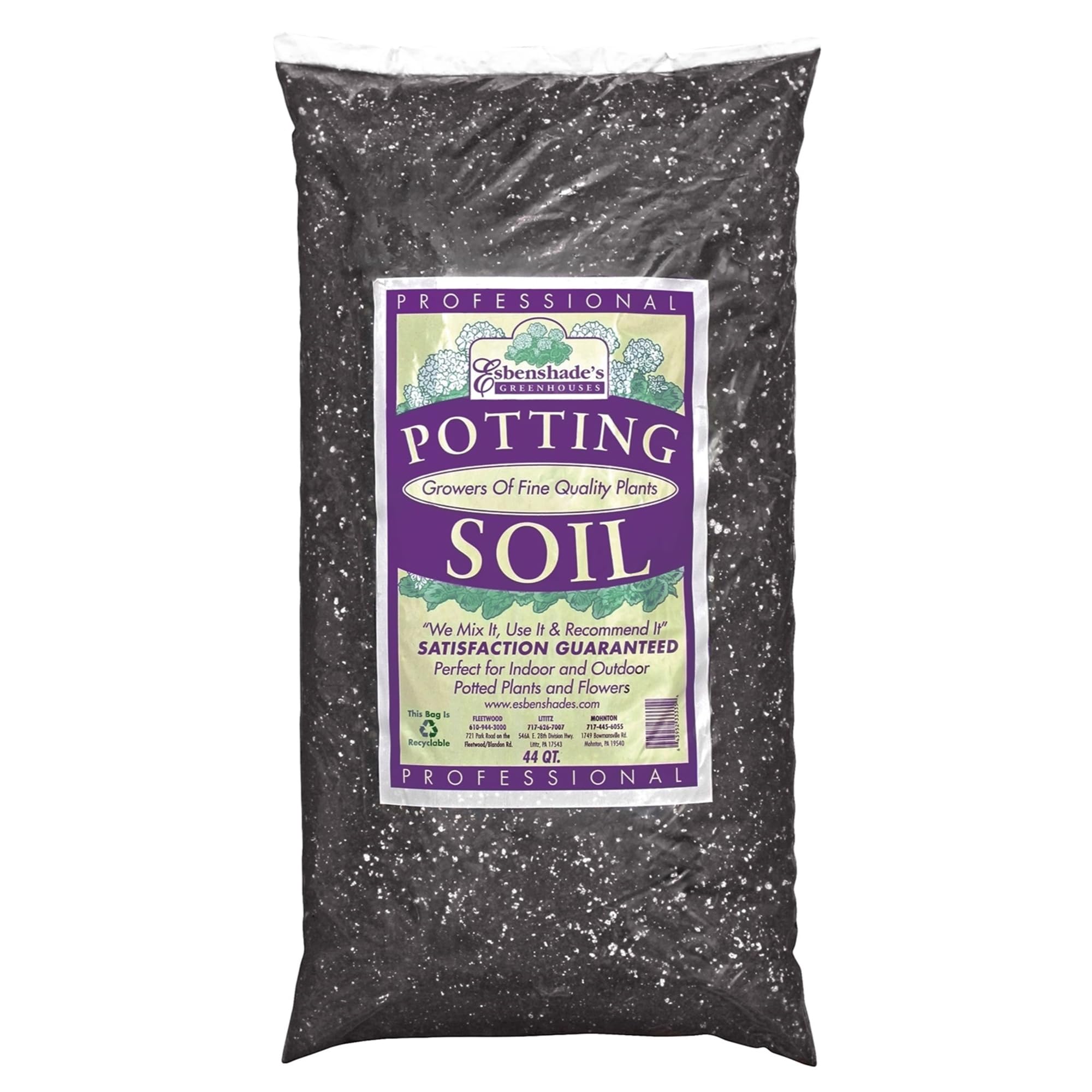
This is a soilless blend, which means it’s not dirt at all—it’s a scientific mix of Canadian sphagnum peat moss, perlite, pine bark, and lime. At 22 pounds for 44 quarts, it’s remarkably light for the volume, making it the easiest bag to haul and spread. The lime is there to balance the peat’s natural acidity, a detail many cheaper mixes skip.
The defining feature is how well the peat wets. Unlike box-store mixes that turn hydrophobic and shed water, this peat absorbs moisture readily, stays airy, and maintains its volume without shrinking away from the pot walls. Peppers, tomatoes, and eggplant thrived in it, even when just mixed with plain topsoil.
One owner called it “quality stuff” after an accidental experiment where it outperformed a leading commercial brand with identical care. The surface color even signals when to water, a handy visual cue. It’s a professional-grade mix at a hobbyist-friendly price.
Airflow advantage: The perlite and bark create air pockets that keep delicate roots breathing.
Best for: Hanging baskets, containers, and anyone tired of heavy, water-repelling soils.
Note: It’s light, so plan for more frequent watering in hot, dry weather.
7. Coast of Maine Castine Blend Soil
The 2-cubic-foot luxury blend that turns raised beds into tomato factories
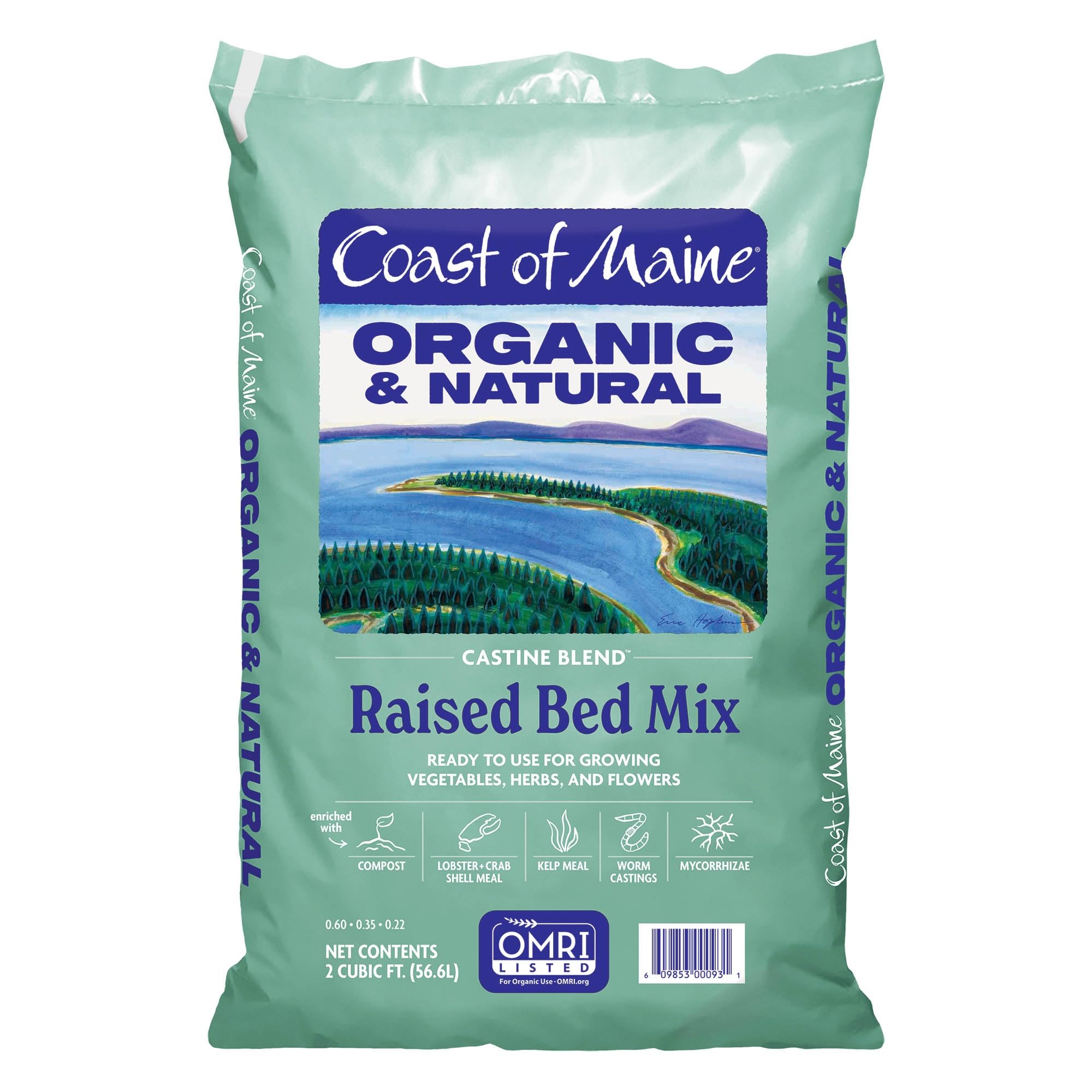
This is the premium end of the spectrum. The 2 cubic foot bag (weighing 40.3 pounds) is packed with worm castings, mycorrhizae, biochar, green sand, kelp meal, and lobster and crab shell meal. It’s a biodiverse, living soil recipe you can’t easily replicate by mixing cheaper bags yourself.
The results speak to a 4.7-star consensus. Gardeners growing “pretty awesome tomatoes and sunflowers” credit this mix, and the texture earns constant praise—soft, fluffy, and well-draining with no twigs or bugs. It loosens soil already in beds, making it perfect for enriching improve garden beds season after season, even three years running.
The honest trade-off is value. While some owners call the quality “a steal for the price,” others find it too expensive for what’s in the bag. The debris quantity is also mixed—some bags are pristine, others contain more sticks than expected. It’s a premium ingredient, not a bargain bulk filler.
The premium edge
- 8+ nutrient sources in one bag
- Excellent drainage & aeration
- Ready to use with no mixing
The cost caveat
- High price per bag
- Occasional woody debris
Invest in this if: You grow high-value crops like tomatoes and want maximum nutrition from one source.
Hesitate if: You’re filling a massive bed and need maximum square footage per dollar.
Understanding the Specs
Mixing Ratio & Composition
The mixing ratio (like 5:1) tells you how much soil to use versus how much native dirt to add. A manure-based compost is a concentrated amendment, while a soilless mix is a complete growing medium. Know which one your bed needs before you start shoveling.
Weight vs. Volume
A 40-pound bag of dense peat holds less volume than a 22-pound bag of fluffy soilless mix. Weight tells you about the physical effort of moving it; volume (cubic feet or quarts) tells you how much ground it will actually cover. Always compare volume when estimating coverage.
FAQ
Can I use potting soil directly in my in-ground garden bed?
What is the difference between potting soil and topsoil?
How much soil do I need to fill a 4×8 raised bed?
Why does my soil have fungus gnats?
Is a manure-based compost better than a peat-based mix for vegetables?
What does it mean if a soil is “ready to use” out of the bag?
Why is my seed starting soil not growing anything?
What is mycorrhizae and why should I care?
Can I use raised bed soil for my houseplants?
How do I improve drainage in a garden bed that stays too wet?
Final Thoughts: The Verdict
For most gardeners, the winner is the R&M Organics Compost because it’s the most reliable nutrient rescue for tired beds, backed by a 4.7-star crowd consensus. If you want the convenience of built-in fertilizer and perlite, the Michigan Peat Premium is a solid workhorse. And for those filling new raised beds with premium organic ingredients, the Coast of Maine Castine Blend is the one to reach for.
How We Picked
We do not accept paid placement. Every pick is matched to a real buyer and a real use-case; we do not hands-on test units.
Sources & Methodology
Specifications: manufacturer listings and product documentation. Review insights: verified customer reviews. Pricing: not shown on this page (it changes often); check the current price via the retailer link.
As an Amazon Associate, Lawn Gear Lab earns from qualifying purchases. This does not affect which products we feature.