
Specs are compiled from manufacturer listings and verified buyer reviews and can change over time — please confirm the key details on the product page before buying.
If your blueberries, azaleas, or gardenias look pale and sickly with yellowing leaves, the problem is almost always the soil’s pH. Alkaline or neutral soil locks up the nutrients these plants need, and no amount of fertilizer will fix it until you switch to an acidic mix. This guide breaks down the top-rated acidic potting soils that drop the pH to the 4.5-5.5 range these plants crave, so you can repot with confidence.
I’m Rikta — the founder and writer behind Lawn Gear Lab. This guide is built by comparing the manufacturers’ published specifications and the patterns across verified customer reviews, so you get each pick’s real strengths and trade-offs instead of marketing spin.
Whether you’re repotting a potted blueberry or refreshing a container garden, choosing the right acidic potting soil can mean the difference between a struggling plant and one that truly thrives in months to come.
Our Picks at a Glance

How To Choose The Best Acidic Potting Soil
Acid-loving plants like blueberries, azaleas, rhododendrons, and gardenias cannot absorb iron and other nutrients when the soil pH climbs too high. You’ll spot the distress as yellowing between the veins of new leaves, a condition called chlorosis. The fix starts in the container, with a mix that holds the pH low.
Look for the pH-lowering ingredients
Peat moss is the most common and natural way to acidify soil, and some blends add sulfur for an even stronger drop. Check the label for specific ingredients like sphagnum peat moss, pine bark, or composted pine needles. If you see “slightly acidic” or “for acid-loving plants,” the blend is already tuned for your blueberry or azalea.
Match the bag to your container count
Bag sizes vary wildly, from a 4-quart resealable pouch for a single houseplant to a 20-quart bag that can fill several outdoor pots. Think about how many plants you plan to repot at once. Buying a massive bag for one small pot leaves you storing open soil, while a tiny bag for a big garden bed means multiple trips back to the store.
Check for built-in feeding and drainage
Some acidic mixes come with slow-release fertilizer already added, saving you a step for months. Others pair peat with perlite or vermiculite to keep water flowing and roots aerated. A bag that drains well prevents root rot, while a blend with moisture retention cuts down on how often you need to water.
Quick Comparison
| Model | Best For | Volume | Key Ingredient | Feeding | Amazon |
|---|---|---|---|---|---|
| Coast of Maine Acid Loving Soil★ Best Overall | Large container gardens | 20 quarts | Sphagnum peat moss + composted manure | Organic compost | Amazon |
| Perfect Plants Blueberry Soil | Potted blueberries | 4 quarts | Peat moss + pine bark | 18-6-8 slow release | Amazon |
| Jessi Mae Slightly Acidic Potting Soil | Indoor houseplants | 4 quarts | Perlite + organic materials | All-natural | Amazon |
| Soil Sunrise Acid Loving Mix | Azaleas and gardenias | 12 quarts | Pine bark + sphagnum moss | All-natural | Amazon |
In-Depth Reviews
1. Coast of Maine Organic & Natural Planting Soil for Acid Loving Plants
Our pick — over 4.5★ from 300+ verified ratings; the strongest balance of quality and price.
The 20-quart heavyweight that fills a whole container bed in one trip.
With 20 quarts in the bag, this is the clear volume king of the group — it holds five times the soil of the Perfect Plants 4-quart bag, so you can pot several azaleas, blueberries, or ferns without a second purchase. The blend pairs sphagnum peat moss with composted manure, giving you both the low pH your acid-lovers need and organic feeding, and it comes in at 28 pounds for the two-pack. Buyers report potting two plants and not even using an entire bag yet, which tells you how far this volume stretches.
It’s OMRI listed for organic use, meaning the ingredients meet organic standards, and it’s crafted for rhododendrons, hollies, strawberries, camellias, and dogwoods alongside the usual blueberries. What wins people over is the quality — owners repeatedly call it dark, rich, moist, and odorless, and many note their plants look greener with stronger stems within weeks. The lighter, fluffier texture makes it easy to moisten, a real improvement over denser mixes that let water run right through.
It holds a 4.7-star rating across hundreds of reviews, though some owners advise testing the pH before use on sensitive plants. It’s a premium-priced bag, but the sheer volume and organic credentials make it the best value per quart here.
Why it leads the list
- 20-quart bag fills multiple pots at once
- OMRI listed for organic gardening
- Peat and manure blend feeds while lowering pH
- Plants often perk up within two weeks
What to weigh first
- Premium price tier for a garden soil
- pH can vary slightly, so testing is wise
- Heavy bag at 28 pounds to haul
Reach for this if: you’re repotting a whole container bed of acid-loving plants and want one bag to do it all.
Think twice if: you only need a tiny refill for one houseplant — this volume will sit open too long.
2. Perfect Plants Blueberry Soil
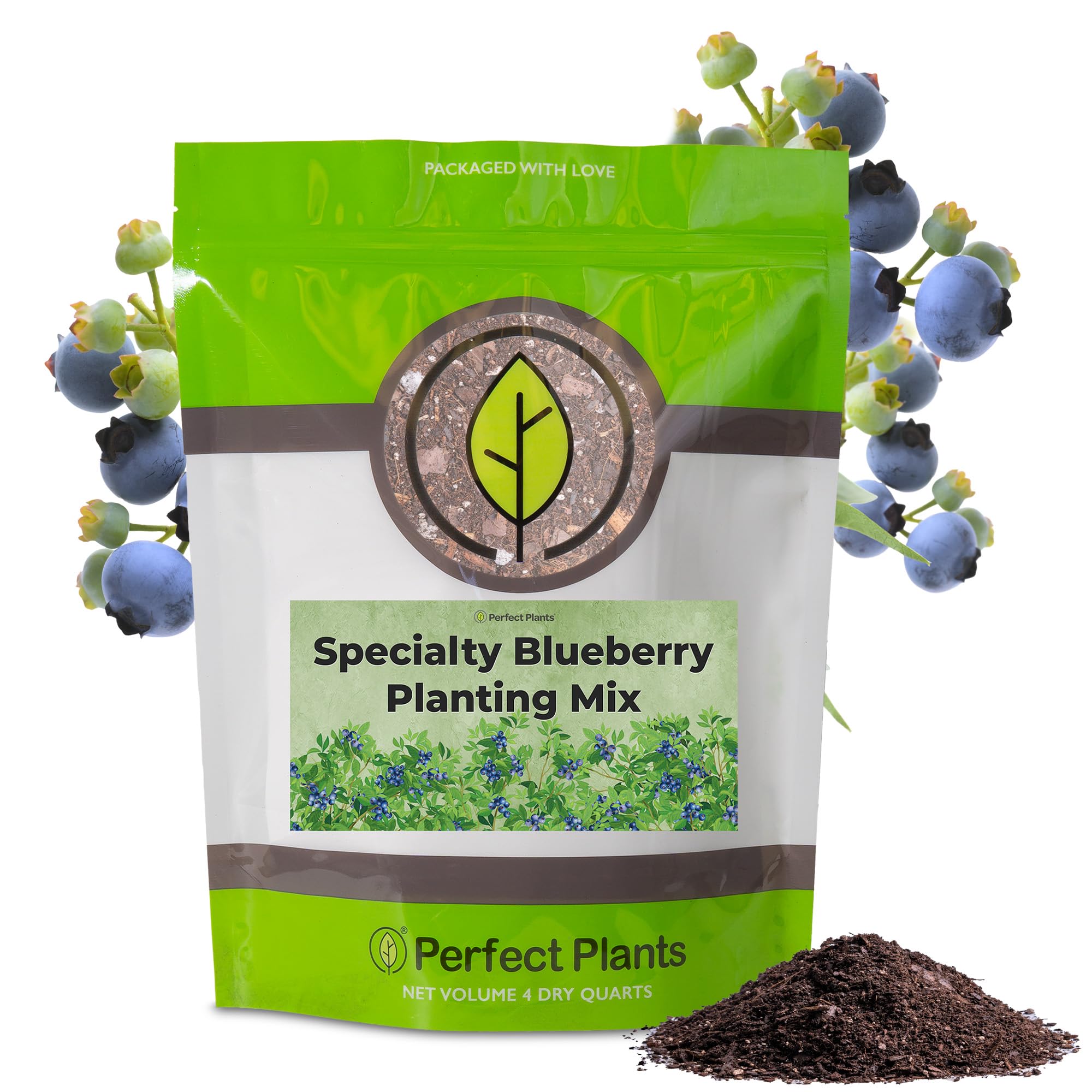
The 12-month feeding fix for potted blueberries turning yellow on you.
This is the niche specialist of the group, tuned specifically for rabbiteye and highbush blueberry varieties rather than a general acid-lover blend. Its party piece is the 18-6-8 slow-release fertilizer mixed right in, which nourishes your plants for up to 12 months — a notable contrast to the Coast of Maine’s plain organic compost that needs top-dressing later. The peat moss naturally lowers the pH without any added sulfur, so you skip the extra acidifier products.
The recurring success story is the yellow-leaf rescue: owners mention that blueberry plants turning yellow bounced back and looked amazing after repotting, with potted bushes perking up in just a few days. The blend combines composted pine bark, granite sand, and peat moss for a medium-drainage texture that holds moisture without drowning roots. It’s hand-mixed on a family-owned American farm with over 40 years of horticulture experience, and it comes in a heavy-duty resealable bag.
At 4 quarts, it holds a quarter of the Soil Sunrise’s 12-quart volume, so it’s aimed squarely at a single pot or two rather than a bed. Its soil quality is what people praise most, and the resealable bag keeps the rest fresh for your next repotting session. The modest 4-quart size is the honest trade-off — you’re buying precision, not bulk.
The sharp read: This is the only pick here that pairs pH correction with a full year of built-in feeding, making it the lowest-effort option for blueberries specifically.
Size reality: A 4-quart bag suits one pot; expect to buy multiple if you have a row of bushes.
Best for: first-time blueberry growers who want a ready-to-go, self-feeding mix in a resealable pouch.
Look elsewhere if: you need to fill large outdoor beds — the volume tops out fast.
3. Jessi Mae Slightly Acidic Potting Soil

The light, airy mix that peace lilies and snake plants visibly reward.
This blend is built for the houseplant crowd — peace lilies, snake plants, pothos, parlor palms, and ivy — with a slightly acidic pH and a heavy helping of perlite for drainage. The perlite (the little white volcanic bits that look like popcorn) keeps the soil loose so water moves through instead of pooling, which cuts the risk of root rot. It’s hand-mixed in small batches in the USA and packaged in food-grade materials, and it carries an organic, chemical-free label.
The defining owner experience is a quick visible win: one plant parent reported their peace lily pushing out a new bud just a few weeks after repotting, and snake plant owners echo that their plants seem to love the soil. New plant parents appreciate that they can grab the right soil without mixing it themselves or worrying about pests and chemicals. The one honest caveat is the smell — the organic ingredients give it an earthy odor that owners say lingers for a day or two before fading.
Where this pick splits opinions is bag size: the 4-quart volume draws the most commentary, with several noting it arrives smaller than expected for the price. For a single pot or two, it’s ideal; for a shelf of plants, you’ll need more than one bag. Owners praise the soil quality, and its mild acidity suits indoor plants better than a heavy blueberry mix.
The call: A top-tier indoor soil where drainage and a mild acidic pH beat raw volume — just size up your order for multiple plants.
The fit note: The organic smell fades fast, so it’s a minor issue rather than a real flaw.
Grab it for: houseplants that hate wet feet, where the perlite-heavy texture keeps roots dry and happy.
Pass if: you’re planting outdoor acid-lovers at scale — this bag is sized for indoor pots.
4. Soil Sunrise Acid Loving Plant Potting Soil Mix
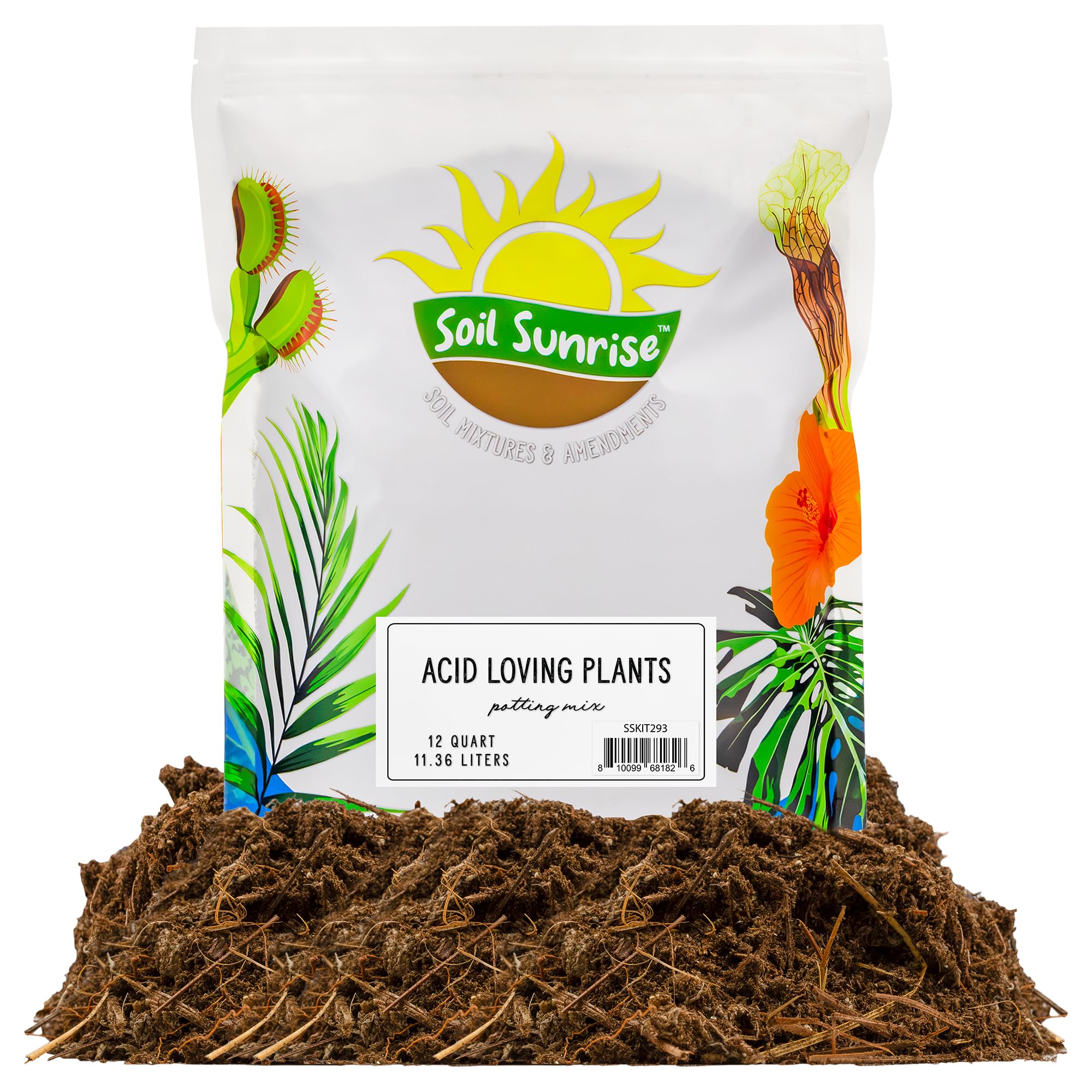
The artisan Kentucky blend that turned an olive cutting into a five-foot bush.
This mix leans on pine — pine needle mulch, pine bark mulch, and peat moss — to naturally push the pH down for azaleas, rhododendrons, and blueberries, alongside sphagnum moss and vermiculite for moisture balance and root aeration. It’s artisan-crafted in Kentucky, giving it a small-batch feel that the bigger brands don’t match. With 12 quarts, it sits neatly between the tiny 4-quart bags and the 20-quart Coast of Maine, making it a solid middle-ground for a few outdoor containers.
The growth stories here are the kind that make gardeners grin: one owner’s olive cutting went from 6 inches to a 5-foot bush in three years, and a coffee plant doubled in size after repotting. Fuchsias respond hard too, with owners noting lots of growth and flowers. The pH balance is the headline feature, and the enhanced drainage from the perlite and sphagnum moss keeps roots from sitting in soggy soil.
The practical catch is that this mix can be hydrophobic out of the bag — it repels water unless you pre-moisten it before potting, so plan to soak it in a bucket and drain it first. The thin Ziploc bag it ships in also draws some grumbling, and a few note the volume looks smaller in person than in the photos. Once watered properly, the gardenia and fuchsia results speak for themselves.
What stands out
- Pine-based recipe delivers a strong natural pH drop
- 12-quart size fits a few containers well
- Dramatic growth results reported
What to prep for
- Needs pre-moistening to absorb water well
- Thin shipping bag can rip
- Arrives smaller than the photos imply
The match: Gardeners who love a small-batch, pine-heavy recipe and don’t mind a little prep work for big growth payoffs.
The trade-off: Plan to wet it before potting, or you’ll watch water bead off the surface.
Understanding the Specs
Peat Moss and pH
Peat moss is the backbone of most acidic mixes because it naturally lowers soil pH as it breaks down. Blends that pair it with pine bark or pine needles, like the Soil Sunrise mix, get an even stronger acidifying effect. A slightly acidic pH in the 4.5-5.5 range is what open up iron and other nutrients for acid-loving plants, so the peat content is the single most important spec to check.
Perlite and Drainage
Perlite is the lightweight volcanic glass that keeps potting soil from compacting. In a blend like the Jessi Mae mix, it creates air pockets so water flows through instead of pooling, which protects roots from rot. For indoor houseplants that hate wet feet, a perlite-heavy blend beats a dense garden soil every time.
FAQ
How is acidic potting soil different from regular potting mix?
Will acidic potting soil work for blueberries planted in the ground?
How long does the acidic effect last in the soil?
How many quarts of acidic soil do I need for one blueberry plant?
Why does my new acidic soil repel water instead of absorbing it?
Is sulfur needed to lower pH in these mixes?
Can I use acidic potting soil for indoor houseplants?
What is the 18-6-8 fertilizer in blueberry soil?
Will these soil bags stay fresh if I don’t use them all at once?
How do I test if my soil is actually acidic enough?
Final Thoughts: The Verdict
For most buyers, the acidic potting soil winner is the Coast of Maine because it pairs the largest 20-quart volume with OMRI-listed organic ingredients at a fair per-quart value. If you’re specifically rescuing a yellowing potted blueberry, grab the Perfect Plants mix with its built-in 12-month feeding. And for indoor houseplants that need gentle acidity and sharp drainage, the Jessi Mae perlite blend is the one to reach for. The 4.7-star average across hundreds of reviews confirms it as a reliable choice.
How We Picked
We do not accept paid placement. Every pick is matched to a real buyer and a real use-case; we do not hands-on test units.
Sources & Methodology
Specifications: manufacturer listings and product documentation. Review insights: verified customer reviews, as of August 2026. Pricing: not shown on this page (it changes often); check the current price via the retailer link.
As an Amazon Associate, Lawn Gear Lab earns from qualifying purchases. This does not affect which products we feature.