
Specs are compiled from manufacturer listings and verified buyer reviews and can change over time — please confirm the key details on the product page before buying.
Pulling weeds is the most tedious chore in gardening, and the right ground cover is your best defense. The real question isn’t just “mulch vs. fabric” — it’s which material actually stops weeds in your specific beds without suffocating your plants or rotting after one season. This guide breaks down the top contenders so you can pick the barrier that ends the endless weeding cycle for good.
I’m Rikta — the founder and writer behind Lawn Gear Lab. This guide is built by comparing the manufacturers’ published specifications and the patterns across verified customer reviews, so you get each pick’s real strengths and trade-offs instead of marketing spin.
Weeds compete with your plants for water and nutrients, so the right mulch blocks them before they sprout. This guide covers organic options that feed your soil and heavyweight fabrics built for the long haul, so you can pick the best type of mulch for weed control for your garden.
Our Picks at a Glance

How To Choose The Best Type Of Mulch For Weed Control
Your first decision is simple: a physical barrier fabric that sits under rocks or bark, or an organic material that breaks down and feeds the soil. Fabric suits permanent beds, while organic mulch fits gardens where you’ll refresh it yearly.
Fabric Weight Is Your Durability Crystal Ball
The number printed on landscape fabric — like 3.2oz or 5oz — tells you how much polypropylene (a durable woven plastic) is packed into each square yard. Heavier fabric resists tearing under foot traffic, gravel, and repeated weeding pokes. A 5oz mat feels like a tarp, while a 3.2oz sheet is more flexible but frays more easily along cut edges.
Organic Mulch: The Soil-Feeding Trade-Off
Coconut husk chips and straw suppress weeds by smothering them in a thick layer, but they eventually decompose. Decomposition feeds the soil but means you’ll re-apply organic mulch each season. The key is depth — a skimpy 1-inch layer lets weeds laugh at your efforts, while a proper 2-3 inch blanket does the job.
Water and Airflow Matter More Than You Think
A barrier that blocks rain from roots defeats its purpose, so prioritize water-permeable options. Look for woven fabrics or organic chips that let water and air pass through freely. The best setups keep the surface dry for weeds while letting water reach plant roots.
Quick Comparison
| Model | Best For | Material | Weight | Coverage | Amazon |
|---|---|---|---|---|---|
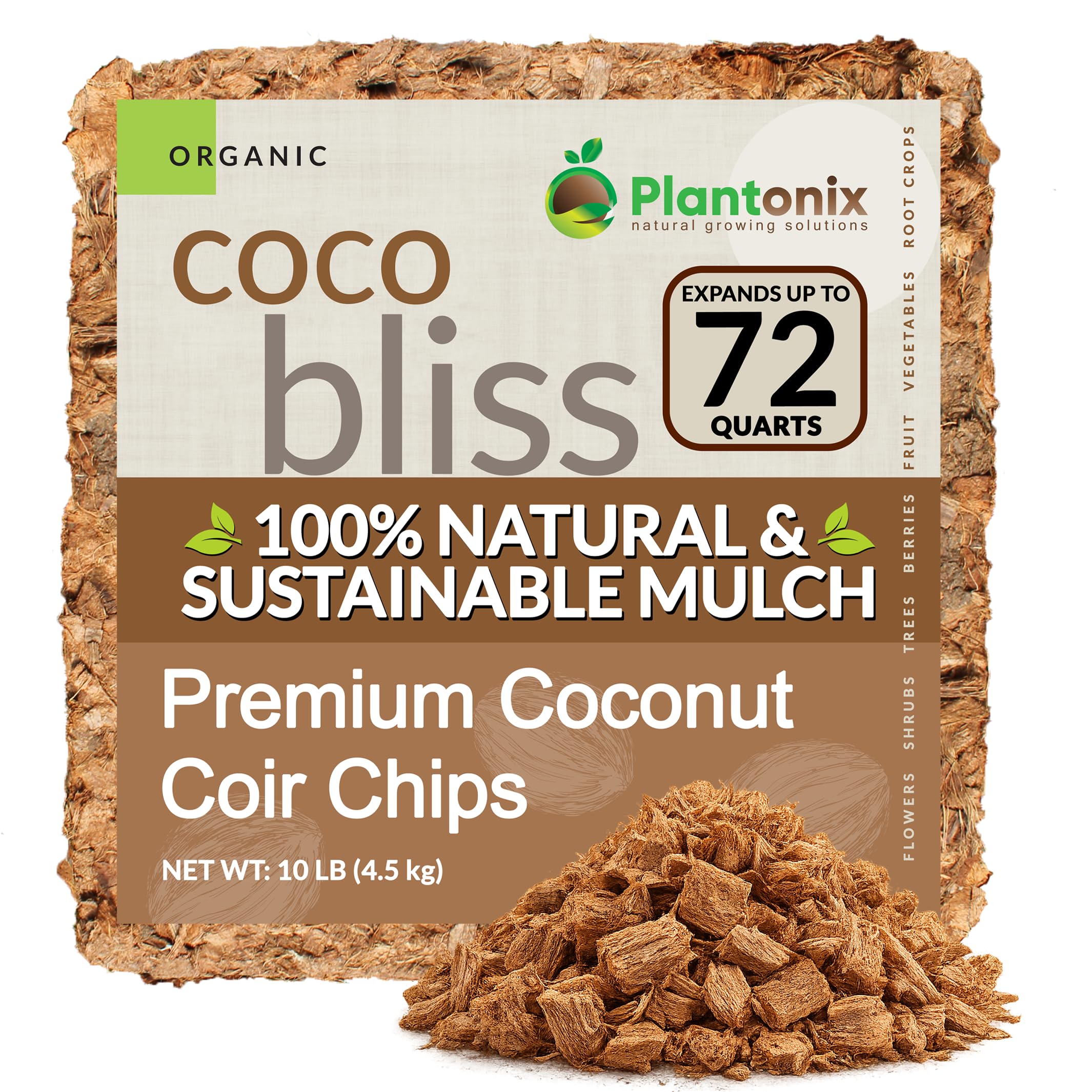
| Coco Chips Mulch Brick★ Best Overall | Raised beds & containers | Coconut husk | 10 lbs | 15 gallons | Amazon |
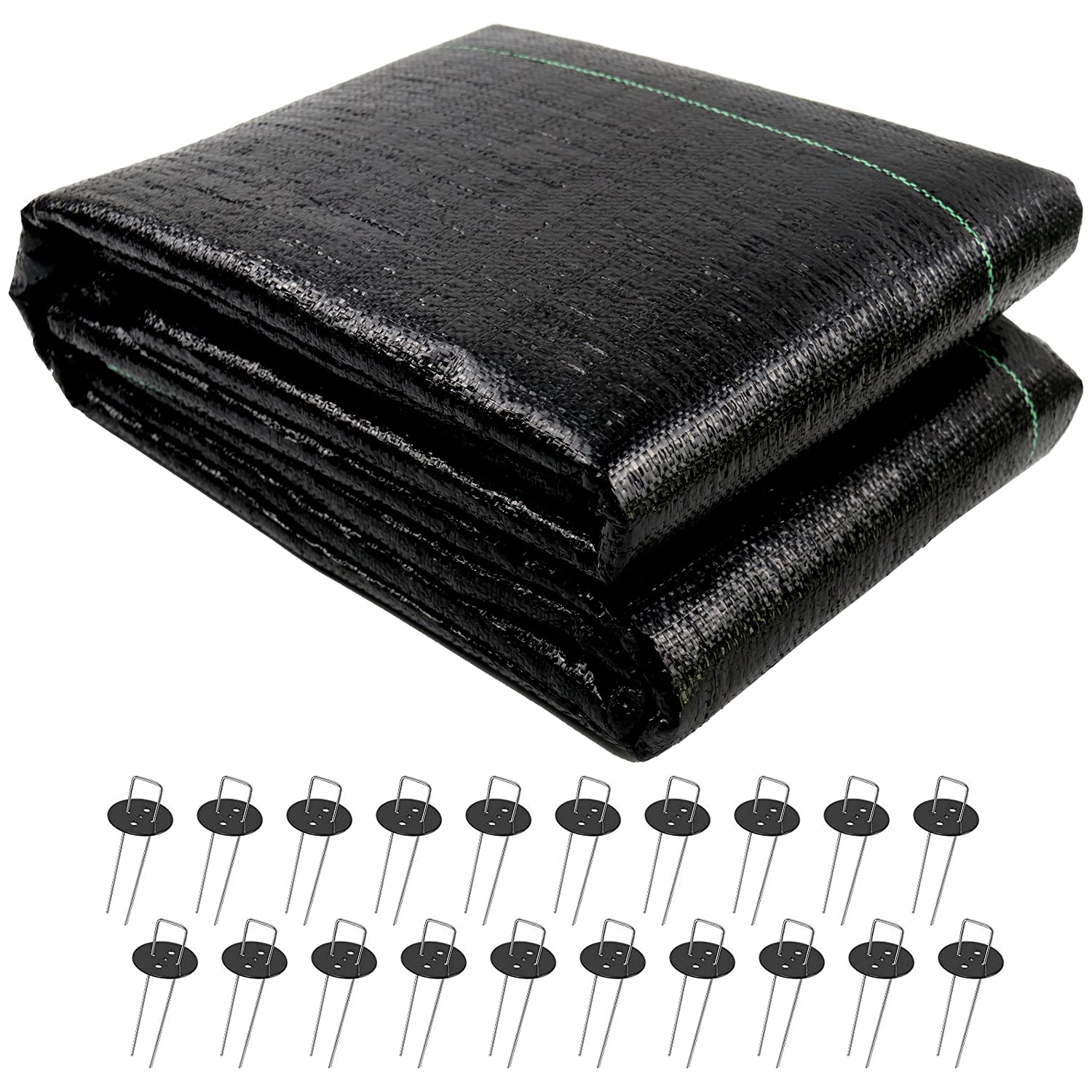
| UWIOFF 4ft x 100ftBest Value | Large flower beds | PE Fabric | 3.2oz | 400 sq ft | Amazon |
| Winisok 4FT x 100FTTop Performer | Backyard landscaping | Polypropylene | 3.2oz | 400 sq ft | Amazon |
| Vanver 3ft x 100ft | Driveways & paths | Polypropylene | 3.2oz | 300 sq ft | Amazon |
| Rubberific Shredded Rubber | Playgrounds & borders | Recycled rubber | 16 lbs | 0.8 cu ft | Amazon |
| Agfabric 5x100ft | Rows & erosion control | Polypropylene | 3.2oz | 500 sq ft | Amazon |
| SNAIL 5oz Pro | Heavy rock & high traffic | Polypropylene | 5oz | 300 sq ft | Amazon |
| HealthiStraw GardenStraw | Vegetable gardens | Wheat straw | 20 lbs | 3 cu ft | Amazon |
| HOOPLE 3 ft x 150 ft | Long rows & large beds | Polypropylene | — | 450 sq ft | Amazon |
In‑Depth Reviews
1. Coco Chips Mulch Brick (10lbs)
Our pick — over 4.5★ from 350+ verified ratings; the strongest balance of quality and price.
The compressed brick that expands into a weed-smothering, soil-feeding blanket
If you want the benefits of organic mulch without the mess of bags of wood, this 10lb brick of compressed coconut husk is a standout. Drop it in water and it expands into a long-lasting, airy layer of chips that covers soil while letting water and oxygen reach plant roots — a huge win for raised beds and containers.
What wins people over is the quality of the chips themselves, which is the most-praised aspect of this product. Unlike fine coir dust, these pieces are chunky, and reviewers love that “the brick expands nicely” into a consistent texture that’s a lot less dusty than traditional coco coir. It’s lighter than wet wood mulch, so it spreads easily across flower beds and around shrubs.
It’s a soil amendment first, so it needs a thick layer for serious weed suppression. A 2-3 inch layer smothers sprouts, but pair it with fabric underneath for bare-ground weed control. Also, one buyer notes that buffered coco coir is the safer choice, since unbuffered chips can absorb soil nutrients — so look for that on the label. The 10lb brick weighs the same as the Winisok fabric roll below, but it spreads into 15 gallons of material, so a little goes surprisingly far.
What Owners Rave About
- Exceptional quality chips that hold up season after season
- Retains moisture in potting soil without getting soggy
- Compact 10lb block is easy to store and transport
- Adds a tropical, natural look to garden beds
Know Before You Buy
- Must be hydrated and expanded before spreading
- Check that it’s buffered to avoid nutrient absorption
- Needs a thick layer for heavy weed suppression
Reach for it if: You garden in raised beds or containers and want organic mulch that feeds the soil while blocking weeds.
Look elsewhere if: You need a one-and-done permanent barrier for a large yard — fabric is the better fit there.
2. UWIOFF 4ft x 100ft Weed Barrier Fabric
A 400-square-foot roll of tough fabric that handles foot traffic without flinching
For sheer coverage per dollar, this UWIOFF roll is tough to beat. The 3.2oz PE fabric (a flexible, aging-resistant plastic) is designed to withstand sun and bad weather for more than 5 years, making it a solid foundation for flower beds, gravel pathways, and even under artificial grass. The green stripes make cutting and alignment easy for beginners.
The quality and weed resistance are the two things owners mention most, and it shows in the feedback — one gardener reported zero breakthrough in a vegetable garden all season, even with daily walking on top. It cuts cleanly and lays flat, thick enough to hold staples and handle foot traffic without tearing. Buyers also report water seeps through quickly with no puddling, so your plants stay hydrated.
The recurring gripe is the cut edges, which can unravel if you slice the roll. As owners put it: “The fabric was great and worked well but the measurements of what I got were a bit short.” That’s a fair note — some batches run a touch short, so measure twice. Using black duct tape on cut edges solves the unraveling before it starts.
Why It’s a Steal
- 400 sq ft of coverage from a single roll
- UV resistant for long outdoor life
- Lets air and water through to the soil
- Green stripes for simple alignment
Watch Out For
- Cut edges fray easily without tape
- Some rolls measure slightly short
- Not the thickest option for heavy rock
Grab this one for: Large flower beds and walkways where you want maximum coverage without a premium price tag.
Consider another if: You’re laying heavy river rock — the 3.2oz weave can’t match a 5oz mat under that weight.
3. Winisok 4FT x 100FT Weed Barrier
Extra-thick woven polypropylene that’s tough enough to make you wish you’d bought it years ago
This Winisok fabric comes as a 2-pack of 4FT x 50FT sheets, giving you 400 total square feet of tightly woven polypropylene that’s built for more than 5 years of weed control. Reviewers consistently call it “really tuff stuff” — it’s thick enough to require a sharp blade, and one gardener noted the blade dulled mid-project. That’s a sign of genuine density.
The standout feature here is the ease of use combined with raw strength. It comes as two long sheets rather than a roll, making it easy to pin and stretch flat. The green stripes guide your planting rows, and the fabric lets water pass through while blocking sunlight from reaching weed seeds. One reviewer noted covering three separate areas and still having nearly a full sheet left over.
Where this fabric splits opinion is on the edges — some owners say it frays and shreds when cut, releasing plastic strands into the soil. That makes it better suited for permanent installations than for seasonal gardens you dig up every year. At 7.67 pounds, it’s noticeably heavier than the 5.77-pound Vanver roll, which tracks with its denser feel.
Built Tough
- Very thick weave blocks weeds completely
- 2-pack format covers 400 sq ft total
- Water passes through with no puddling
- Easy to pin and stretch over soil
Keep In Mind
- Cut edges shed plastic strands
- Needs a sharp blade or razor to cut
- Not ideal for seasonal digging
Pick this if: You’re setting up permanent beds or pathways and want a fabric that laughs at foot traffic.
Think twice if: You rotate vegetable crops yearly — the shredding edges make removal messy.
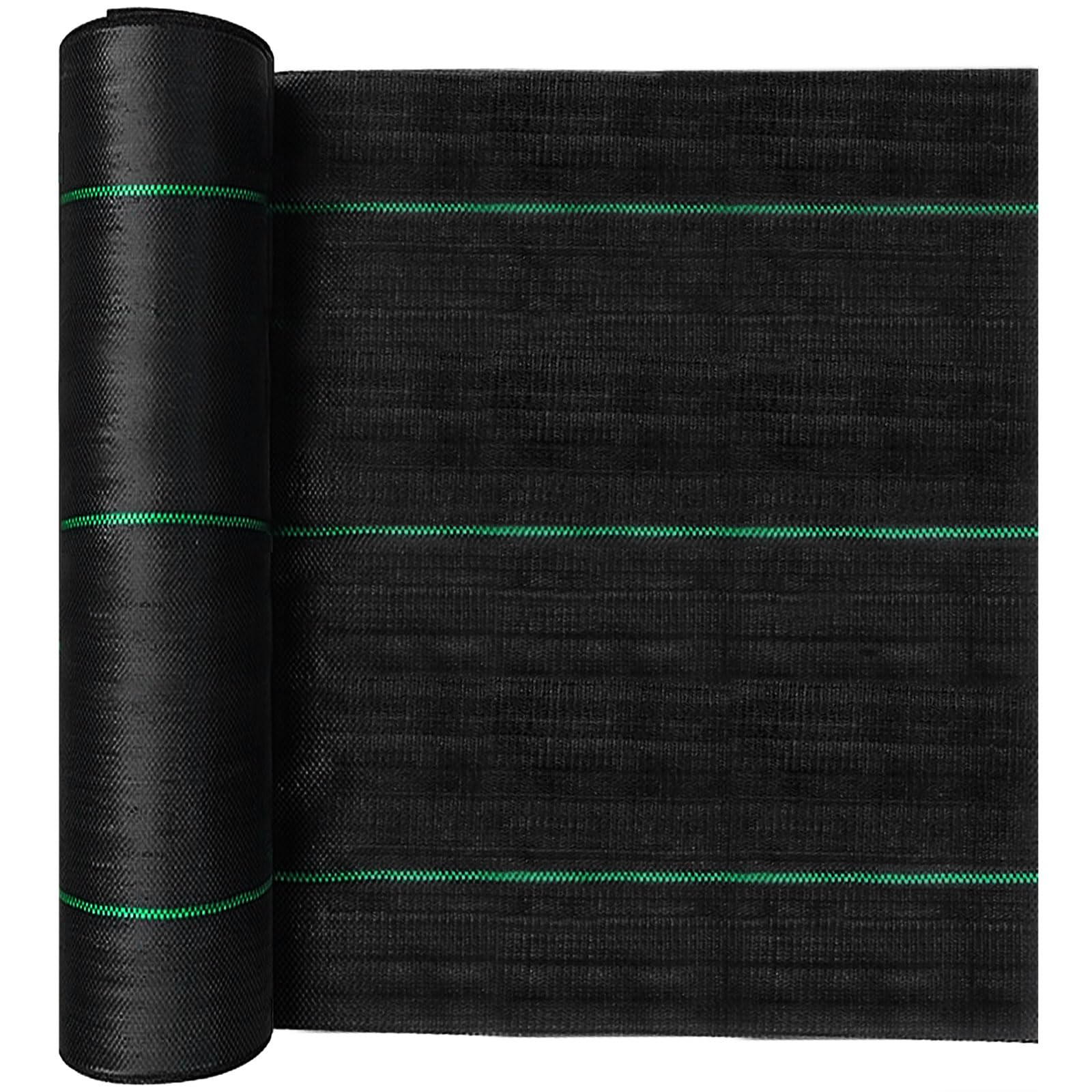
4. Vanver 3ft x 100ft Weed Barrier
A 3-foot-wide roll that’s the perfect size for narrow beds and decomposed granite paths
Not every garden needs a 4-foot-wide monster roll. This Vanver fabric comes in at 3ft x 100ft, a more manageable width for narrow flower beds, walkways, and especially for laying down before decomposed granite. One reviewer did exactly that and reported it worked great and stayed sturdy with just a few stakes, holding up well under the material.
Functionality is what this product is known for — it’s the most-praised aspect, followed closely by quality. The 3.2oz polypropylene weave blocks weeds while letting water and nutrients flow freely to the soil below. It cuts easily with scissors (better than a knife, per one owner), and drains well without pooling. For river rock beds, it’s a solid, budget-conscious foundation.
The honest caveat is that it’s woven plastic, not cloth — some buyers were surprised by the texture. And while it’s thick, a few owners note it doesn’t 100% prevent growth, with some sprouts appearing after a month. It’ll reduce your weeding dramatically, but you might still spot the occasional stubborn weed pushing through thinner spots.
What Works
- Narrow 3ft width fits tight spaces
- Drains very well for rock beds
- Easy to cut with scissors
- Sturdy under foot and vehicle traffic
What’s Middling
- Not 100% effective against all growth
- Plastic feel surprises some buyers
- Frays at cut edges
Ideal for: Narrow side yards, decomposed granite paths, and raised beds where a full-width roll is overkill.
skip it if: You need maximum weed-blocking power — a heavier 5oz fabric is more simple to use.
5. Rubberific Shredded Rubber Mulch

The no-maintenance ground cover that looks like wood but lasts for years
If you’re tired of re-spreading wood mulch every spring, this shredded rubber is the closest thing to a “low-maintenance” ground cover. It’s made to look like natural wood mulch but won’t fade, rot, compress, or lose its color, and it comes with a 12-year color warranty. The brown tone blends into landscape beds convincingly enough that most visitors won’t notice the difference.
Owners consistently praise the appearance, noting it looks just like bark mulch, and it holds up well in heat without breaking down. Beyond weed suppression, it’s a smart pick for playground areas since it provides a cushioned surface. The 16-pound bag covers 0.8 cubic feet, so it’s meant for smaller borders and accent beds rather than whole yards.
The clear downside is the cost — rubber mulch is pricey compared to organic options, and buyers report so openly. A few also note it has a strong rubber smell right out of the bag, though that fades. What you’re paying for is longevity: this won’t need replacing for many years, which balances the upfront cost for permanent beds.
The Big Wins
- Won’t fade or rot in the elements
- 12-year color warranty
- Looks convincingly like wood bark
- Cushioned surface for play areas
The Trade-Offs
- Considerably pricier than wood or straw
- Strong rubber smell initially
- Small 0.8 cu ft bag covers limited area
Choose this for: Permanent beds, borders, and play areas where you want color that never needs refreshing.
Avoid if: You’re on a budget or mulching a huge area — the cost adds up fast.
6. Agfabric 5x100ft Ground Cover

A 5-foot-wide sheet with printed row lines that makes planting straight rows easy
Serious vegetable growers will appreciate this Agfabric roll, which stands out for its printed row-line design. If you need to make planting holes in neat, straight rows, the visible lines guide your shovel perfectly — a small feature that saves real time during planting day. The 5-foot width also covers more ground per strip than the typical 3 or 4-foot rolls.
The heavy woven polypropylene controls weeds before they start, and it doubles as soil erosion control, protecting your beds from rain and overhead watering. It’s environmentally safe — no chemicals involved — and UV stabilized to resist sun damage through many seasons. One owner covered an entire front yard and then came back for more for the side yard, reporting very few weeds push through except at the overlaps.
The honest note is that this fabric frays a bit at cut edges, though a fresh razor knife minimizes the unraveling. It’s also not the thickest option out there, so some owners wonder about its long-term durability under heavy conditions. For standard garden beds and erosion-prone slopes, it’s a dependable workhorse.
Why Growers Like It
- Printed rows make planting alignment easy
- Controls soil erosion from rain
- Chemically safe for vegetable beds
- Water passes through to roots
Small Gripes
- Frays at cut edges
- Not the thickest fabric available
- Weeds can sneak in at overlaps
Great for: Vegetable plots and sloped beds where straight rows and erosion control matter most.
Pass on it if: You need the absolute thickest barrier for heavy rock — step up to a 5oz option.
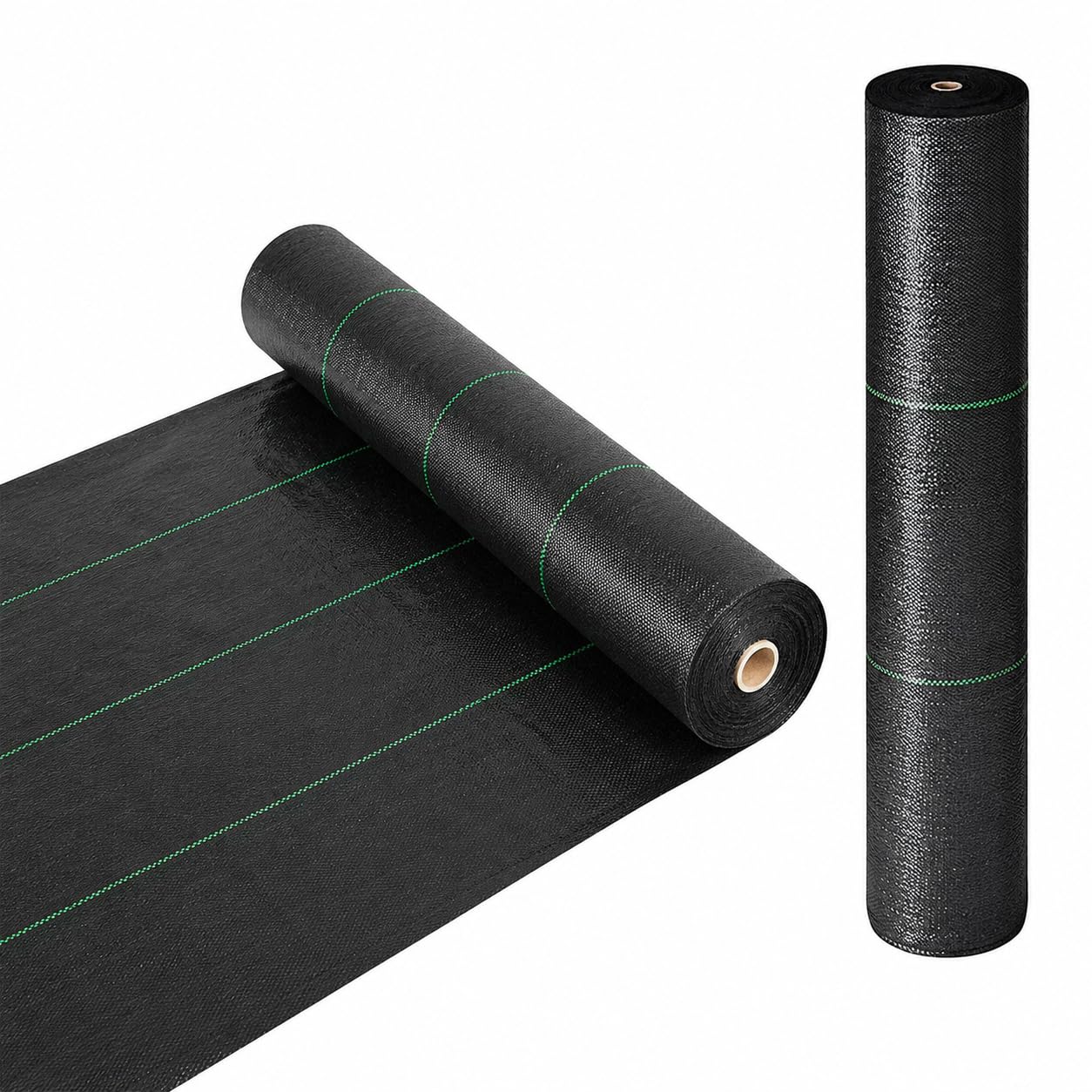
7. SNAIL 5oz Pro Weed Barrier
The tarp-like 5oz fabric that shrugs off heavy rock and shows no signs of decomposing
When the job demands the heaviest barrier money can buy, this SNAIL Pro fabric delivers. At 5oz per square yard (about 142gsm), this woven polypropylene is dramatically denser than the 3.2oz options on this list. Owners describe it as feeling like a tarp, and one gardener used it under an estimated 88,000 pounds of rock without issue. That’s the durability you pay for.
Durability is the single most-praised aspect here, followed closely by weed prevention. It’s thick enough to block essentially all growth, yet it still lets water seep through — a brief puddle that drains is the norm. It cuts cleanly with a sharp blade, and the green stripes make planting alignment straightforward. One owner burned holes in it for planting, which speaks to how sturdy it is.
The catch is that all that density makes it harder to cut — some owners note the effort required. And it’s priced higher than the 3.2oz rolls, so it’s best reserved for permanent installations where you won’t dig it up. It weighs 10.13 pounds, which is over 2 pounds heavier than the Winisok fabric, and that extra weight is exactly what gives it that heavy-duty feel. It also comes with a Limited One Year Warranty, a nice safety net.
The Heavyweight Champ
- 5oz density blocks all weed growth
- Shows no signs of decomposing
- Holds up under heavy rock and foot traffic
- Water and air pass through easily
The Price of Power
- Noticeably harder to cut
- Costs more than standard 3.2oz fabric
- Overkill for light, temporary beds
Invest in this if: You’re laying river rock, gravel driveways, or any permanent surface that demands a barrier you’ll never replace.
Save your money if: You just want seasonal weed suppression in a veggie patch — a lighter fabric does that fine.
8. HealthiStraw GardenStraw
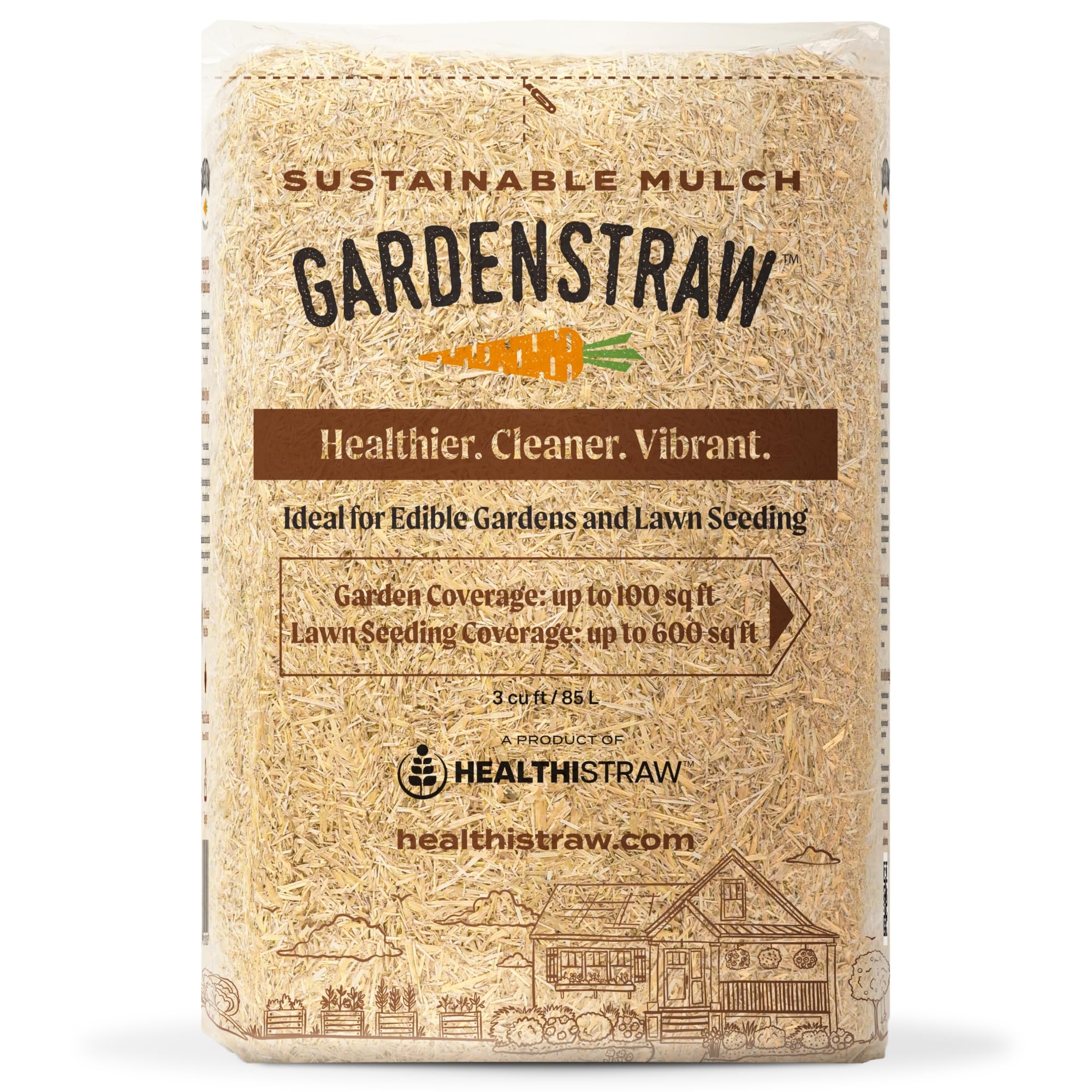
The sweet-smelling wheat straw that keeps tomatoes happy and soil cool
For vegetable gardeners, this all-natural wheat straw is a favorite for good reason. It’s specially cut so the fibers interlock when watered, staying in place and resisting wind and rain without any chemical binders. The 3 cu ft compressed bale covers up to 100 sq ft at a 2-3 inch layer, which is plenty for a serious tomato and pepper patch.
Quality is the most-praised aspect, and it shows — owners call it the best garden straw they’ve ever used. It retains moisture remarkably well, keeping plants from drying out in summer heat, and it’s easy to spread. The straw is thoroughly cleaned to remove dust and dirt, but the bigger question is seeds. Some buyers get bags that are beautifully seed-free, while others report a few wheat grass sprouts popping up. They’re easy to pull, but it’s a roll of the dice.
Where this straw shines is its end-of-season benefit: it breaks down and adds carbon to your compost, naturally enriching your soil. It’s sustainable, non-GMO, and compost-friendly, which makes it the most eco-conscious choice here. The trade-off is that, like all organics, it needs replenishing more often than rubber or fabric.
Garden Gold
- Interlocking fibers stay put in wind and rain
- Conserves water, reducing watering needs
- Breaks down to enrich compost and soil
- 100% non-GMO and chemical-free
The Catch
- Seed content varies from bag to bag
- Needs more frequent re-application than fabric
- Lighter color may clash with some landscapes
Best for: Vegetable beds and lawn seeding where soil health matters as much as weed control.
Not for: Permanent landscaping — the straw decomposes and needs yearly refresh.
9. HOOPLE 3 ft x 150 ft Weed Barrier
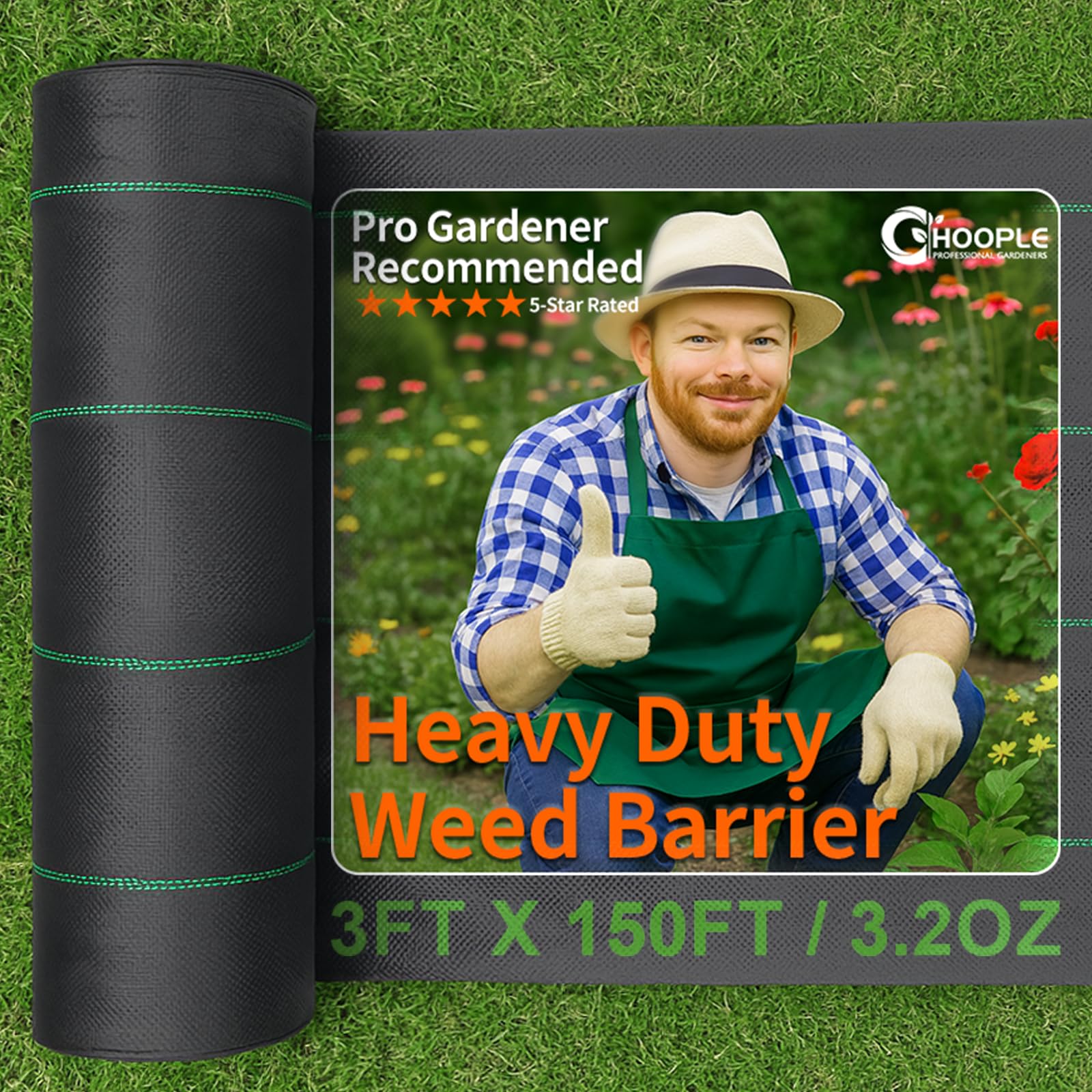
A 150-foot mega-roll for long driveways, greenhouse floors, and sprawling beds
When your project stretches further than the average yard, this HOOPLE roll delivers 150 feet of continuous coverage. At 3 feet wide, that’s 450 square feet of dense woven polypropylene — enough to line a long driveway base, a greenhouse floor, or multiple garden beds without piecing together shorter rolls.
Buyers are consistently surprised by how thick it is, with one repeat customer calling it a no-brainer purchase a second time. The fabric allows water and air to pass through, supporting soil moisture and root respiration while keeping the surface neat under mulch, rocks, or gravel. It’s easy to cut with scissors, and one clever gardener used a torch to open planting holes after installation.
The main frustration is the same one that follows most woven fabrics: the cut ends shred apart like a tarp. It’s not a dealbreaker — overlapping sections and securing edges with staples solves it — but it’s worth knowing before you start cutting. It weighs 9.73 pounds, making it one of the heavier rolls here, which reflects its substantial feel.
The Length Advantage
- 150-foot roll minimizes seams and overlaps
- Surprisingly thick for the price
- Water and air permeable for healthy roots
- Repeat purchase favorite among owners
Minor Annoyances
- Cut ends shred and need securing
- Large roll is heavy to maneuver solo
- No printed row lines for planting
Reach for this if: You have a long, linear project like a driveway base or greenhouse floor that needs one continuous strip.
Look past it if: You’re planting neat rows — the Agfabric’s printed lines serve that purpose better.
Understanding the Specs
Oz Per Square Yard
This is the weight of the fabric, and it’s your best predictor of durability. A 3.2oz fabric is flexible and easy to cut but frays more easily, while a 5oz fabric feels like a tarp and shrugs off heavy rock and foot traffic. Heavier always means stronger, but it also means harder to cut and more expensive.
Woven vs. Non-Woven
Woven polypropylene is the crisscross fabric you see on most rolls — it’s strong and lets water through the weave. Non-woven is more like felt, blocking water better but tearing more easily. For most gardens, woven is the right call because it balances weed control with soil hydration.
FAQ
Is landscape fabric or mulch better for weed control?
How thick should mulch be to stop weeds?
Will weeds grow through landscape fabric?
Does rubber mulch really last longer than wood?
Can I use straw mulch in a vegetable garden?
What does 3.2oz mean on landscape fabric?
Why does my landscape fabric fray when I cut it?
Is landscape fabric safe for vegetable gardens?
How do I stop weeds at the edges of my fabric?
Final Thoughts: The Verdict
For most gardeners, the type of mulch for weed control winner is the Coco Chips Mulch Brick because it suppresses weeds and feeds your soil, all from a compact 10lb brick that expands into 15 gallons of chips. If you want a permanent, set-and-forget barrier for rock beds, grab the SNAIL 5oz Pro — it’s the thickest, most durable fabric on this list. And for vegetable gardeners who want to enrich their soil while blocking weeds, the HealthiStraw is the one to reach for.
How We Picked
We do not accept paid placement. Every pick is matched to a real buyer and a real use-case; we do not hands-on test units.
Sources & Methodology
Specifications: manufacturer listings and product documentation. Review insights: verified customer reviews, as of August 2026. Pricing: not shown on this page (it changes often); check the current price via the retailer link.
As an Amazon Associate, Lawn Gear Lab earns from qualifying purchases. This does not affect which products we feature.