
Specs are compiled from manufacturer listings and verified buyer reviews and can change over time — please confirm the key details on the product page before buying.
Your new lawn’s success hinges on what you feed it right after sowing. A starter fertilizer gives young seedlings the nutrients they need to push roots down before the first blades appear. The three 18-24-12 blends below are the ones homeowners keep recommending for new seed, and this guide shows which one fits your yard.
I’m Rikta — the founder and writer behind Lawn Gear Lab. This guide is built by comparing the manufacturers’ published specifications and the patterns across verified customer reviews, so you get each pick’s real strengths and trade-offs instead of marketing spin.
When you’re ready to pick, the real question is how your lawn behaves after the first mow, and that’s where knowing the best 18-24-12 starter fertilizer keeps your new grass thriving instead of stalling out.
Our Picks at a Glance
How To Choose The Best 18-24-12 Starter Fertilizer
The three numbers on the bag are the N-P-K ratio, and for new seed, the middle one is your priority. Phosphorus (the 24) is what young seedlings pull from the soil to build strong roots, which is why starter formulas push it higher than regular lawn food.
Match the coverage to your lawn size
Each bag lists a square-foot coverage figure, and that number tells you how many bags to buy before you start. If your seeding project is 12,000 square feet, a bag rated for that exact coverage is a one-bag job. Something rated for 12,500 gives you a small buffer for overlap and edges.
Decide between quick-release and slow-release nitrogen
Nitrogen (the first number, 18) fuels the green top growth you see. The difference between blends is how fast that nitrogen becomes available. Quick-release feeds fast but washes away sooner; slow-release, like the coated urea on one of these picks, meters out feeding over weeks and cuts nutrient loss.
Check the brand’s turf background
Starter fertilizer is a professional-grade tool, and the companies that make it live in the turf industry. A brand with deep roots in professional lawn care tends to produce granules that spread evenly through a broadcast spreader without clumping, which saves you from the bald patches that uneven application causes.
Quick Comparison
| Model | Best For | Coverage | Nitrogen Type | Nutrient Ratio | Amazon |
|---|---|---|---|---|---|
| The Andersons★ Best Overall | New Seed & Greenup | 12,500 sq ft | Standard | 18-24-12 | Amazon |
| Lesco NOS | Stabilized Nitrogen | 12,000 sq ft | Stabilized (DCD) | 18-24-12 | Amazon |
| SITEONE Lesco Pro | Slow-Release Feeding | 12,000 sq ft | Coated Slow-Release | 18-24-12 | Amazon |
In‑Depth Reviews
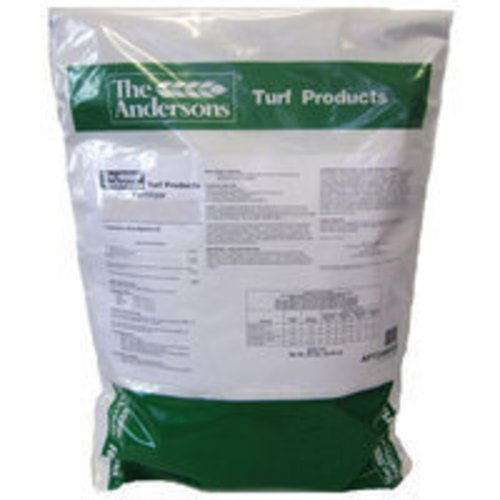
1. The Andersons 18-24-12 Starter Turf Fertilizer, 50lb Bag
Our pick — over 4.5★ from 100+ verified ratings; the strongest balance of quality and price.
The turf-industry heavyweight that turns new seed into a thick, deep-green stand.
The Andersons makes its name inside professional turf, and this 50-pound bag is built for newly seeded lawns with a 12,500 square foot coverage at a medium rate. That means it feeds vigorous seedling development and root establishment right when your new grass is most fragile. It also pulls double duty for established turf, kicking in a spring greenup and correcting phosphorus shortages in soil that has gone dull.
You spread it with a broadcast spreader, water it in, and buyers report the grass “liven up quick.” The feedback is emphatic — one reviewer calls the results “Incredible results!!!!!” — and the deep green color comes up again and again. Bermuda grass owners specifically recommend this one, with one noting it outperforms what their lawn service used.
Versatility is the quiet advantage here. While it is primarily a seed starter, one buyer used the 18-24-12 ratio on dwarf fruit trees and already noticed a difference, so this bag earns its place in a shed that serves more than just the lawn. The trade-off is that this is a lot of fertilizer for a small yard, so it suits a project that fills a meaningful chunk of a typical suburban lot.
What wins people over
- 12,500 sq ft coverage per 50 lb bag
- Boosts both new seed and established turf
- Spreads evenly through a broadcast spreader
Before you buy
- Designed for larger seeding projects
- Standard nitrogen needs timely watering
The lawn builder: reach for this one if you’re seeding a big section of yard and want a brand rooted in professional turf.
Think twice: a small patch of new grass will be better served by a bag you can actually finish.
2. Lesco 18-24-12 Starter Fertilizer NOS – 50 lb

The stabilized-nitrogen specialist that stretches every ounce of feeding power.
This Lawn Synergy bag carries a Nitrogen Optimizing System, and the technology is the whole story. The DCD-infused stabilized nitrogen reduces leaching and denitrification, which is a plain way of saying less of your fertilizer washes away before the grass can use it. What you get is increased nutrient uptake and efficiency, plus a longer green period from the same amount of product.
For new seedlings, the payoff shows up twice. Faster seed germination gets your lawn out of the ground sooner, and the continued growth keeps it moving after that first break through the soil. Buyers who reseeded after summer drought damage say it “worked great,” and the green color draws compliments from the neighbors. The 50-pound bag covers 12,000 square feet, so it is a direct match for a standard quarter-acre lot.
The catch is in the listing fine print: this bag is non-returnable and non-refundable, so you want to be confident in your seeding plan before you order. Buyers also note the granules arrive mostly clump-free, and the delivery saves you the hassle of hauling a heavy bag out of a store trunk.
Efficiency first: the stabilized nitrogen is the reason to pick this bag over a plain quick-release blend, especially if you water less often than you should.
The fine print: it’s a final sale, so double-check your coverage math of 12,000 sq ft before checkout.
3. SITEONE Landscape Supply LLC 50LB Starter Fertilizer 052405

The set-and-forget option that keeps feeding new seed for up to eight weeks.
This Lesco Professional bag solves the biggest problem with new lawns: keeping the feed going after you walk away. The 30% poly-coated sulfur-coated urea is a slow-release nitrogen that provides up to 8 weeks of feeding, which means you are not racing to reapply right when the seedlings are hitting their growth spurt. It covers 12,000 square feet in a single 50-pound load.
The high phosphorus lives up to its billing here, targeting better root establishment for the new seedlings. Potash rounds out the formula to improve hardiness and disease tolerance, which matters most in the first few weeks when young grass is vulnerable. Buyers describe it plainly as “commercial grade” and say it works very well for the job.
The honest knock comes from the packaging, not the product. The bag arrived without application instructions, and one buyer found it less effective than a previous batch — still recommending the product, just with the note that directions would help. If you already know your spreader settings from past starter applications, this is a strong choice; if you are brand new to this, knowing your rates ahead of time matters.
Where it shines
- Up to 8 weeks of slow-release feeding
- Potash boosts hardiness in young seedlings
- Commercial-grade formula for heavy jobs
Keep in mind
- No instructions printed on the bag
- Requires knowledge of your own spreader rates
Choose this for: a longer window of feeding with less reapplying, ideal for the busy lawn owner.
Look elsewhere if: you need guidance on the bag itself — this one assumes you already know the drill.
Understanding the Specs
N-P-K Ratio (18-24-12)
The three numbers tell you the percentage of nitrogen, phosphorus, and potassium by weight. Starter formulas push phosphorus (the middle 24) higher because it drives the root development new seedlings depend on. Nitrogen (the 18) powers the green leaf growth, while potash (the 12) builds hardiness against stress and disease.
Coverage Rate (sq ft per bag)
Every bag states how many square feet it will feed at a standard rate. A 12,000 sq ft rating matches the typical quarter-acre lot, while a 12,500 sq ft bag gives you a slight buffer for overlap and edges. Always measure your seeding area before you buy so you get the right number of bags in one order.
Stabilized vs Slow-Release Nitrogen
Both terms describe nitrogen that stays in the soil longer. Stabilized nitrogen, like the DCD technology, slows the natural breakdown process so less washes away. Slow-release uses a physical coating, like sulfur-coated urea, that dissolves gradually. Both cut nutrient loss and extend the green period compared to plain quick-release nitrogen.
Granule Form
All three picks come as dry granules, which spread evenly through a broadcast or drop spreader. Even spreading matters because it prevents the patchy, striped look you get when fertilizer lands unevenly. Watering after application helps the granules break down and reach the root zone where the seedlings can actually use them.
FAQ
Can I use 18-24-12 starter fertilizer on an established lawn?
How much area does a 50 lb bag of 18-24-12 cover?
What is the difference between stabilized nitrogen and slow-release nitrogen?
How long does slow-release starter fertilizer keep feeding my new grass?
Is 18-24-12 good for Bermuda grass?
Can I use a starter fertilizer on fruit trees or gardens?
Why is the middle number so high in starter fertilizer?
Should I water after applying 18-24-12 starter fertilizer?
Are starter fertilizer bags returnable if I change my mind?
How do I apply starter fertilizer evenly?
Final Thoughts: The Verdict
If you want one dependable pick, the 18-24-12 starter fertilizer winner is the The Andersons because it blends the widest 12,500 sq ft coverage with a trusted turf-industry name and the versatility to green up established lawns too. If you want the technology advantage that holds nitrogen in the soil longer, grab the Lesco NOS. And for a hands-off schedule with up to 8 weeks of feeding, the SITEONE Lesco Professional is the one to reach for.
How We Picked
We do not accept paid placement. Every pick is matched to a real buyer and a real use-case; we do not hands-on test units.
Sources & Methodology
Specifications: manufacturer listings and product documentation. Review insights: verified customer reviews, as of August 2026. Pricing: not shown on this page (it changes often); check the current price via the retailer link.
As an Amazon Associate, Lawn Gear Lab earns from qualifying purchases. This does not affect which products we feature.