
Specs are compiled from manufacturer listings and verified buyer reviews and can change over time — please confirm the key details on the product page before buying.
A vegetable garden is only as good as the soil it grows in. The right compost feeds your plants, holds moisture, and builds a living soil full of microbes — no synthetic chemicals needed. But the bag labels can be confusing, and not every “organic” bag delivers the same punch for your tomatoes, peppers, and squash. This guide cuts through the noise, walking you through nine proven options so you pick the one that matches your garden size, your plants, and your patience level.
I’m Rikta — the founder and writer behind Lawn Gear Lab. This guide is built by comparing the manufacturers’ published specifications and the patterns across verified customer reviews, so you get each pick’s real strengths and trade-offs instead of marketing spin.
You want a good compost for vegetable garden that feeds your specific crop without guesswork. That means matching the source material — worm castings (worm poop, rich in microbes), aged manure (broken-down animal waste), or a blended mix — to what your tomatoes, peppers, or leafy greens actually need.
Our Picks at a Glance


How To Choose The Best Good Compost For Vegetable Garden
Before you grab a bag, think about three things: what your plants need, how much soil you are amending, and if you want a long-term soil builder or a quick nutrient boost.
Worm Castings vs. Manure Compost
Worm castings are the gentle powerhouse. They are odorless, fine-textured, and impossible to over-apply because they release nutrients slowly without burning roots. Manure-based composts (cow manure is the most common) add more organic matter per pound, which improves drainage in clay soil and water retention in sandy soil. Pick castings for container gardens and direct feeding; pick manure to overhaul poor soil structure.
Nutrient Density and Microbial Life
Good compost is alive. Look for products that mention beneficial bacteria or mycorrhizae (a fungus that helps roots absorb water and nutrients). A rich compost should also list trace minerals like calcium, magnesium, and phosphorus. These feed the soil web that, in turn, feeds your vegetables. A bag that feels dry and dusty has likely lost its microbial value.
Bag Size and Coverage
Compost is heavy, and a 5-pound bag goes a surprisingly short way. For a single raised bed or a few large containers, a 10- to 20-quart bag works well. If you are amending an entire in-ground plot, consider buying multiple bags or a larger bulk option. A 40-pound bag makes sense for serious gardeners — it covers more ground and costs less per ounce.
Quick Comparison
| Model | Best For | Type | Weight | Volume | Amazon |
|---|---|---|---|---|---|
| Harris Worm Castings★ Best Overall | All-around soil superfood | Worm Castings | 5 lb | 4 qt | Amazon |
| Back to the RootsBest Value | Gentle, no-burn feeding | Worm Castings | 5 lb | 80 oz | Amazon |
| Black Kow Cow ManureSoil Builder | Soil structure fixer | Composted Manure | 6 lb | 8 qt | Amazon |
| Coast of Maine Tomato Blend | Ready-to-use veggie potting | Compost Blend | 21 lb | 20 qt | Amazon |
| R&M Organics Compost | Rejuvenating struggling plants | Manure Compost | 10 lb | 0.31 cu ft | Amazon |
| Brut Cow Compost | Odorless indoor/outdoor mixing | Composted Manure | 10 lb | 10 qt | Amazon |
| Espoma Land & Sea | Premium nutrient cocktail | Compost plus Lobster Meal | 24 lb | 1 cf | Amazon |
| Wiggle Worm Castings Plus | Living soil enthusiasts | Worm Castings with Eggs | 40 lb | 640 oz | Amazon |
| Fort Vee Potting Mix | Seed starting perfection | Compost-Based Potting Mix | — | 20 qt | Amazon |
In‑Depth Reviews
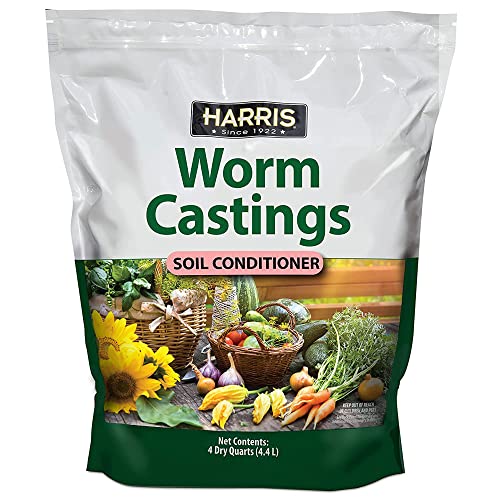
1. Harris Worm Castings Organic Fertilizer – 5lb
Our pick — over 4.5★ from 550+ verified ratings; the strongest balance of quality and price.
Dark, nutrient-rich worm castings that boost growth in tower gardens.
This is the bag that gets the highest praise from its owners — and the numbers back it up with a near-perfect consensus. It is pure worm castings in a powder form, which means you get concentrated nutrition without any fillers. The 5-pound bag holds a massive 148.92 ounces of material, giving you a whopping 86% more volume than the Back to the Roots alternative for a comparable price. Buyers report that a single application in a herb tower turned lettuce, kale, and spinach into “everything grew big.”
The texture is fine and dark, and it has no smell whatsoever. You can mix it into potting soil at a 1:7 ratio or brew it into liquid fertilizer by combining 3/4 cup with one gallon of water. It feeds a wide range of plants — houseplants, flowers, vegetables, and trees — while retaining water in the soil and improving drainage at the same time. The crowd favorite among nearly 600 owners, this earns a 4.8-star average and the top spot because it does exactly what compost should do: feed the soil without the guesswork.
What wins people over
- Odorless and fine-textured, easy to sprinkle or brew
- A little goes a long way — one owner called it “cheaper than replacing all the dirt”
- Doubles as a water-retention aid without soggy soil
The honest trade-off
- Powder form can be dusty when pouring; best applied with a scoop
- Limited to 5 lb per bag — large-scale gardeners may need multiple bags
The ideal match: Vegetable gardeners who want a concentrated, odorless feeding for pots, raised beds, and vertical towers.
Think twice if: You need to overhaul heavy clay soil over a large area — a manure-based amendment would deliver more bulk organic matter per bag.
2. Back to the Roots Organic Worm Castings – 5lb
Budget-friendly worm castings trusted by over 900 gardeners.
If you are planting milkweed for monarchs or top-dressing an entire vegetable patch, this is the castings bag that owners say is “good for everything.” At 80 ounces (5 pounds) per bag, it is lighter than the Harris Worm Castings bag, but the quality is consistently clean and rich. Buyers call it “better than what I usually get at Costco” because it stays moist and blends easily into chunky soil mixes with coco chips or perlite (volcanic glass that improves drainage).
The granules release nutrients slowly, so there is no risk of burning tender roots. The resealable bag makes storage simple, and the brand runs a charitable program to donate gardening kits to schools. Multiple owners praise the plant health results, with one noting that their citrus trees “came back to life.” The only real surprise some find is a mixed reaction to the natural earthy smell — it is not foul, but it is definitely soil-strong.
Straightforward feeding: A no-brainer for gardeners who want a safe, slow-release worm casting that works on everything from seedlings to mature shrubs.
Grab this if: You want a proven worm casting at a friendly price point, backed by an army of happy owners.
Look elsewhere if: You need the absolute most material per dollar — the Harris bag delivers 86% more ounces for a similar price.
3. Black Kow Composted Cow Manure – 8 qt
Classic composted cow manure that visibly improves vegetable growth.
Black Kow is a staple for a reason. This 8-quart bag of composted cow manure weighs in at 6 pounds and is designed to be mixed at a 1:1 ratio with your existing soil. It is the go-to option for fixing sandy soil that drains too fast or clay soil that stays too wet. Owners mention that “it really helped my garden veggies” and that their flowers are noticeably prettier after planting with it.
The manure contains millions of beneficial bacteria that convert nitrogen and other nutrients into a form plants can use immediately. It releases slowly, so tender roots do not burn. The honest downside? The smell. One owner admits “it smell terrible but for the value she can get over it.” This is the trade-off for raw organic power. The size also gets mixed reactions, with several finding it smaller than expected — good for a few pots or a small bed, but you will need multiple bags for a full garden plot.
What it does best
- Millions of beneficial bacteria convert nutrients fast
- 1:1 mixing ratio makes application straightforward
- Excellent for breaking up clay and giving sand some staying power
What to know
- The manure smell is real — best used outdoors, not in a closed greenhouse
- 8 qt bag is modest; larger gardens need several units
Best for: Gardeners with poor native soil who need a heavy dose of organic matter to improve texture and water retention.
Skip if: You are working in a small indoor space or want an odorless option — worm castings would suit you better.
4. Coast of Maine Organic Tomato & Vegetable Soil – 20 Qt

A lightweight, OMRI-listed mix that one wife called “the best soil she’s tried.”
This is not a straight compost — it is a ready-to-use growing mix blended with composted manure and sphagnum peat moss. The 20-quart bag weighs 21 pounds and works for seeding, transplanting, or topping off containers. The Coast of Maine formula balances moisture retention with drainage so your tomatoes and peppers do not sit in wet soil, and the OMRI listing means it is certified for organic use.
Customers note fast growth with fruit appearing within a month, even in short northern growing seasons. One buyer found no gnats or critters when opening the bag outside. The honest limitation is cost: “if you have one or two tomatoes this is worth it but for anything more steer clear,” one owner noted. This is a premium convenience product for small-scale planting, not a budget bulk amendment.
No-mix convenience: Open the bag and plant directly — ideal for container gardeners who want organic performance without blending their own soil.
Reach for this if: You are planting a few containers or a small raised bed and want a premium, ready-to-use organic mix.
Look elsewhere if: You need to amend a large in-ground plot — the cost per quart adds up fast.
5. R&M Organics Compost Soil Amendment – 10 lb
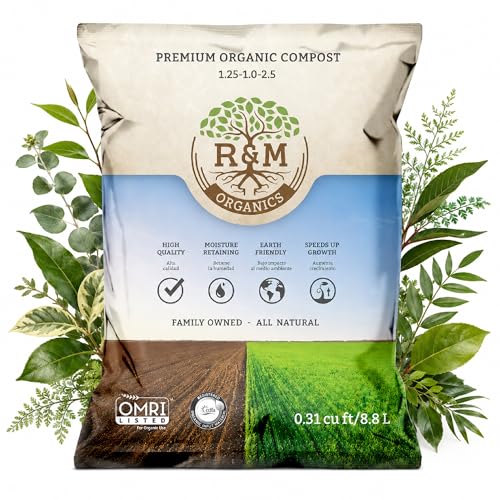
Dairy cow manure compost that revived struggling plants, to a gardener’s delight.
This is the bag you grab when your azaleas are dying after a harsh chemical wash or your tomato plant is yellowing. The 10-pound bag holds 160 ounces of fully composted dairy cow manure that has been aerated to reduce smell. A Master Gardener recommended it to one owner for rescuing azaleas, and it worked. Another owner said their “suffering plant has now flourished” after just one application.
The texture is fine and topsoil-like, with no clumps, making it easy to spread or mix into beds. It retains moisture longer, meaning you water less often. A few owners note that the product can stain carpets and patios if spilled, so handle the bag over soil. The 10-pound size is practical for medium gardens, and the mixing ratio of 5:1 (soil to compost) means each bag covers a decent area.
What owners love
- Revived ailing plants quickly — yellow leaves turned green within a week
- Fine, clump-free texture spreads easily over beds
- Low odor compared to raw manure
A fair warning
- Can stain patios and carpets if spilled — open over soil
- Frequent buyers find it pricey for large-scale use
Ideal for: Gardeners with struggling plants who need a reliable, low-odor manure compost that delivers visible results fast.
Not for: Budget-focused projects needing many bags — the cost per pound is premium.
6. Brut Cow Compost – 10 Quart

Odorless cow manure that works for both indoor and outdoor gardens.
Brut is the rare manure compost that earns the “odorless” badge from nearly every owner who mentions it. The 10-quart bag holds 192 ounces and is packed with nitrogen, calcium, and iron. It is sifted finely, making it ideal for mixing into potting soil for indoor plants or top-dressing flower beds without the earthy funk that usually comes with cow products.
Owners say it “really does help plants grow strong” and works excellently for roses. The OMRI listing confirms it is organic certified. While the bag is compact, the quality is consistently high, and the gentle formula means no risk of burning even delicate seedlings. The only real knock is capacity — 10 quarts goes fast if you are filling large raised beds.
Houseplant-friendly compost: If you want the benefits of cow manure without chasing your family out of the room, this is the odorless answer you have been looking for.
Grab this if: You garden indoors or on a patio and want manure nutrition without the smell.
Skip if: You need bulk material for a large in-ground plot — the 10-quart size is better for containers and modest beds.
7. Espoma Organic Land and Sea Compost – 1 Cubic Foot

24-pound compost blend with lobster and crab meal for standout hostas.
Espoma blends the best of land and sea — composted organic matter enriched with lobster and crab meal plus a proprietary mycorrhizae blend called Myco-Tone. The 1 cubic foot bag weighs 24 pounds and packs enough nutrients to noticeably increase tomato and zucchini fruit size. One owner who has used it for three years simply says “I love this stuff.”
This is a dry, lightweight compost that adds both fertilizer quality and soil structure. It works for indoor and outdoor planting, and reviewers point out healthier plants across the board — from hostas to tomatoes. The value for money gets a mixed reaction, with some finding it pricey for the volume. But for gardeners who want that extra marine-nutrient edge, the premium cost delivers visible results.
what separates it
- Lobster and crab meal provide unique marine-derived nutrients
- Myco-Tone mycorrhizae boost root development
- Noticeably increased fruit size and yield in vegetables
Honest consideration
- Premium price point — best for targeted feeding rather than bulk amendment
- Dry texture may need thorough mixing to incorporate evenly
Perfect for: Dedicated gardeners who want to push their tomatoes and flowers to the next level with marine-based nutrition.
Think twice if: You are on a strict budget or need to cover a large area cheaply — bulk worm castings or manure would stretch further.
8. Wiggle Worm 100% Pure Worm Castings Plus – 40 lb
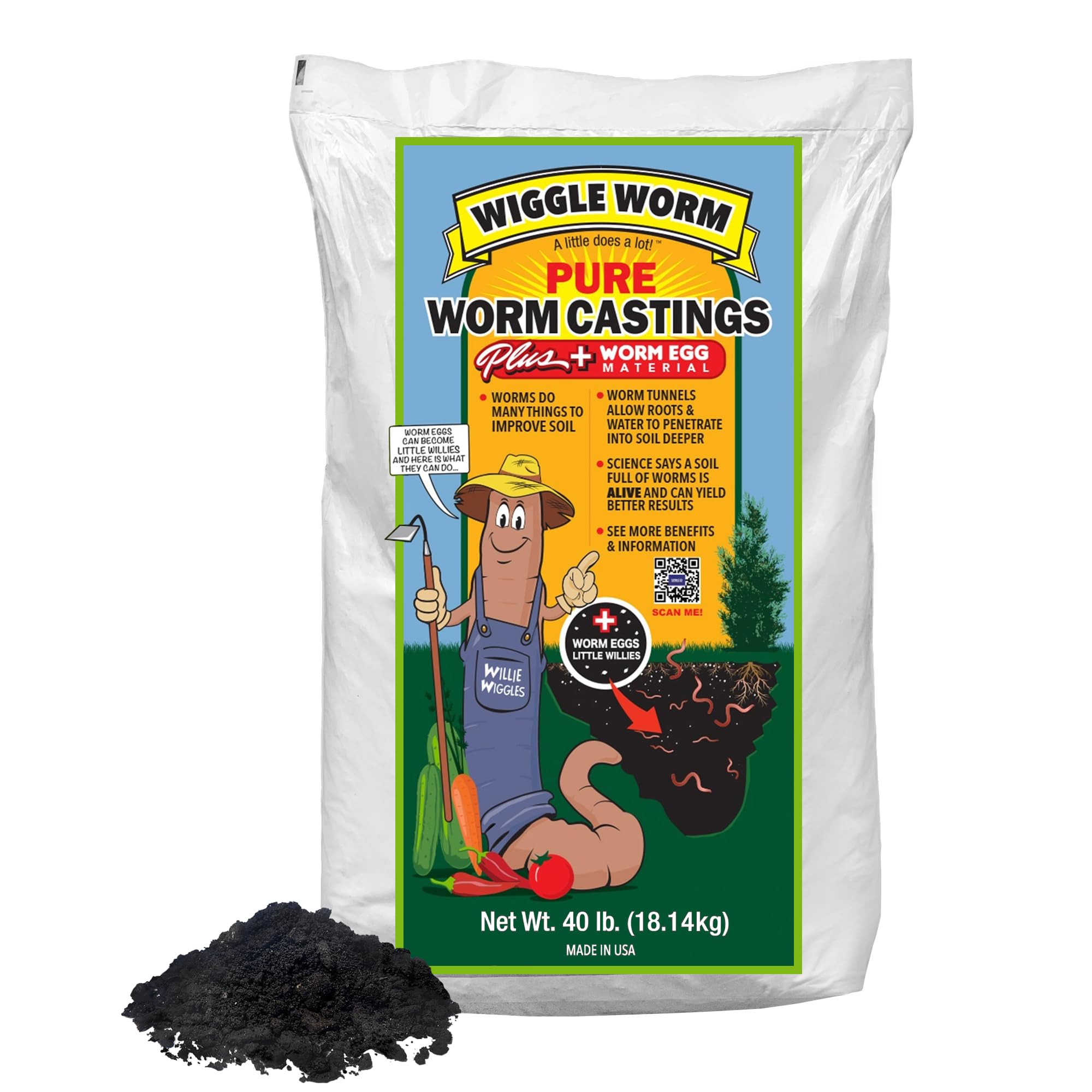
40-pound bag of pure worm castings with potential live worms for living soil.
This is the bulk buy for serious gardeners who want to kickstart a living soil ecosystem. The 40-pound bag is nearly three times heavier than any other product on this list, giving you massive value per ounce. It contains pure worm castings mixed with additional worm egg material — cocoons that may hatch in your soil and continue improving aeration and drainage as the worms tunnel.
Owners in harsh desert climates call it their “most important garden staple,” reporting that it helps non-native plants like gardenias and strawberries withstand extreme heat and cold. The castings are clean, finely textured, and odor-free, mixing easily without burning. The honest trade-off is debris content: the product naturally includes small rocks and wood chips that survive the sifting process. Some bags also arrive with a fair number of live worms already active, which is a feature for some and a surprise for others.
The big wins
- 40 pounds of material — the best value per ounce for heavy users
- Worm egg material can hatch and build a self-sustaining soil ecosystem
- Proven to help plants survive extreme temperature swings
What to expect
- Contains small rocks and wood debris from natural processing
- May include live worms that continue breeding in your soil
Best for: Large-scale organic gardeners who want to build living soil over time and need bulk material at a strong price.
Not ideal for: Anyone squeamish about worms or who needs perfectly sifted, debris-free castings for fine seed-starting mixes.
9. Fort Vee Organic Potting Mix – 20 Quarts

Compost-based potting mix that achieved 100% seed germination for one grower.
This is a ready-to-use potting mix built on a foundation of composted manure and plant materials. The 20-quart bag includes sphagnum peat moss, crushed granite and basalt for slow-release minerals, blood meal, kelp meal, and vermiculite. It is designed specifically for seed starting and transplanting, and shoppers say that it holds water well even in 90°F Florida heat, reducing how often you need to water.
The texture is fluffy and light, with visible gold flakes of vermiculite that improve aeration. One owner reported 100% germination with geraniums and petunias. This mix is ideal for “heavy feeders” — crops like peppers, tomatoes, broccoli, and squash that demand more nutrients. The honest downside is the woody texture: some owners find too many large bark pieces and twigs mixed in, which can interfere with fine seed starting if not sifted. The cost is also premium for a potting mix.
What makes it special
- Packed with slow-release minerals from granite and basalt
- Excellent water retention — reduces watering frequency in heat
- Designed for heavy feeders like tomatoes, peppers, and squash
What to watch for
- Contains large bark pieces and twigs that may need sifting for fine seeds
- Premium price point compared to basic potting soils
Ideal for: Seed starters and container gardeners who want a nutrient-dense, compost-rich mix that supports heavy-feeding vegetables from day one.
Look elsewhere if: You want a fine, uniform seed-starting medium — consider sifting this mix or choosing a finer-textured alternative.
Understanding the Specs
Organic Matter Content
The percentage of compost that is actual organic material — not filler like sand or perlite. Higher organic matter means more food for soil microbes and better water retention. Worm castings are nearly 100% organic matter, while blended potting mixes may have less. This number is not always on the bag, but the texture and color (dark, crumbly, moist) tell the story.
Mixing Ratio
Some composts, like Black Kow, recommend a specific ratio for blending with existing soil (for example 1:1). Others, like the Harris worm castings, suggest a 1:7 mix. Always follow the ratio — too much compost can make soil too rich and trap moisture around roots. If no ratio is given, a quarter-inch top dressing or a handful per planting hole is a safe starting point.
Source Material
Worm castings, cow manure, or a marine blend — each source delivers different nutrients. Worm castings are gentle and packed with diverse trace minerals. Cow manure adds bulk organic matter that physically improves soil structure. Marine-based composts add calcium and micronutrients from shells. Match the source to your garden’s biggest need: structure, nutrition, or both.
OMRI Listing
The OMRI seal (Organic Materials Review Institute) means the product is allowed for use in certified organic farming. It confirms no synthetic chemicals, GMOs (genetically modified organisms), or prohibited ingredients. Not every great compost carries this seal (some small producers skip the cost), but for strict organic growers, OMRI-listed products like Coast of Maine and Brut provide confidence.
FAQ
Can I use these composts directly in my vegetable garden without mixing?
Which compost is best for heavy feeders like tomatoes and peppers?
Will worm castings burn my plants if I use too much?
How much compost do I need for a standard 4×8 raised bed?
Is composted cow manure safe for organic vegetable gardens?
What is the difference between potting mix and compost?
How long does a bag of worm castings last once opened?
Can I mix these composts together for a super blend?
Final Thoughts: The Verdict
For most gardeners, the good compost for vegetable garden winner is the Harris Worm Castings because it delivers concentrated, odorless nutrition in a form that works for every stage of growth — from seed starting in a tower to top-dressing raised beds. If you need bulk material to build living soil at scale, grab the Wiggle Worm 40lb bag. And for heavy feeders like tomatoes and squash that demand a rich, mineral-packed start, the Fort Vee Potting Mix is the one to reach for.
How We Picked
We do not accept paid placement. Every pick is matched to a real buyer and a real use-case; we do not hands-on test units.
Sources & Methodology
Specifications: manufacturer listings and product documentation. Review insights: verified customer reviews, as of July 2026. Pricing: not shown on this page (it changes often); check the current price via the retailer link.
As an Amazon Associate, Lawn Gear Lab earns from qualifying purchases. This does not affect which products we feature.