
Specs are compiled from manufacturer listings and verified buyer reviews and can change over time — please confirm the key details on the product page before buying.
The single biggest mistake in-ground gardeners make is feeding the plant instead of feeding the soil. A compost that builds microbial life, improves texture, and holds moisture is worth far more than any synthetic fertilizer. The right bag turns tired dirt into a living sponge that supports roots, drains better, and keeps nutrients cycling all season long.
I’m Rikta — the founder and writer behind Lawn Gear Lab. This guide is built by comparing the manufacturers’ published specifications and the patterns across verified customer reviews, so you get each pick’s real strengths and trade-offs instead of marketing spin.
Whether you are amending a new bed, revitalizing old soil, or giving heavy feeders a boost, the compost for in-ground gardens you choose determines how much life your dirt holds — and how strong your plants grow in return.
Our Picks at a Glance


How To Choose The Best Compost For In-Ground Gardens
Not every bag of compost does the same thing in the ground. Some are designed to feed microbes, others to add bulk organic matter, and a few deliver targeted nutrients like lobster meal or worm castings. The right choice depends on what your soil is missing.
Organic Certification and Ingredient Source
OMRI listing (Organic Materials Review Institute) means the compost meets strict organic standards for gardens. That matters if you grow vegetables or plan to eat what you plant. The source — lobster and crab meal, cow manure, or earthworm castings — changes what your soil gets. Animal-based composts tend to be richer in microbes, while marine-based materials add trace minerals and chitin that can naturally suppress certain soil pests.
Mycorrhizae and Biological Additives
Some premium composts include a proprietary blend of endo and ecto mycorrhizae — beneficial fungi that attach to roots and help plants draw more water and nutrients from the soil. These additives are a real advantage for in-ground gardens because native soil already has some biology, and mycorrhizae help new transplants establish faster. If your soil is compacted or has been treated with chemicals, these fungi can be the fastest road to recovery.
Texture and Moisture Retention
In-ground soil needs compost that improves drainage in clay and water retention in sand. A screened, granular compost with a uniform consistency is easier to mix thoroughly into existing soil. Compost that is too coarse or full of woody bits sits on top rather than integrating. Look for descriptions that mention fine texture, black earthy composition, and minimal settling after rain — all signs the compost will blend with your dirt rather than just sit on it.
Quick Comparison
| Model | Best For | Weight | Key Ingredient | Volume | Amazon |
|---|---|---|---|---|---|
| Espoma Land & Sea★ Best Overall | Heavy feeders & soil revival | 24 lb | Lobster & Crab Meal | 1 cu ft | Amazon |
| Coast of MaineBest for Tomatoes | Tomatoes & vegetables | — | Composted Manure & Peat | 20 qt | Amazon |
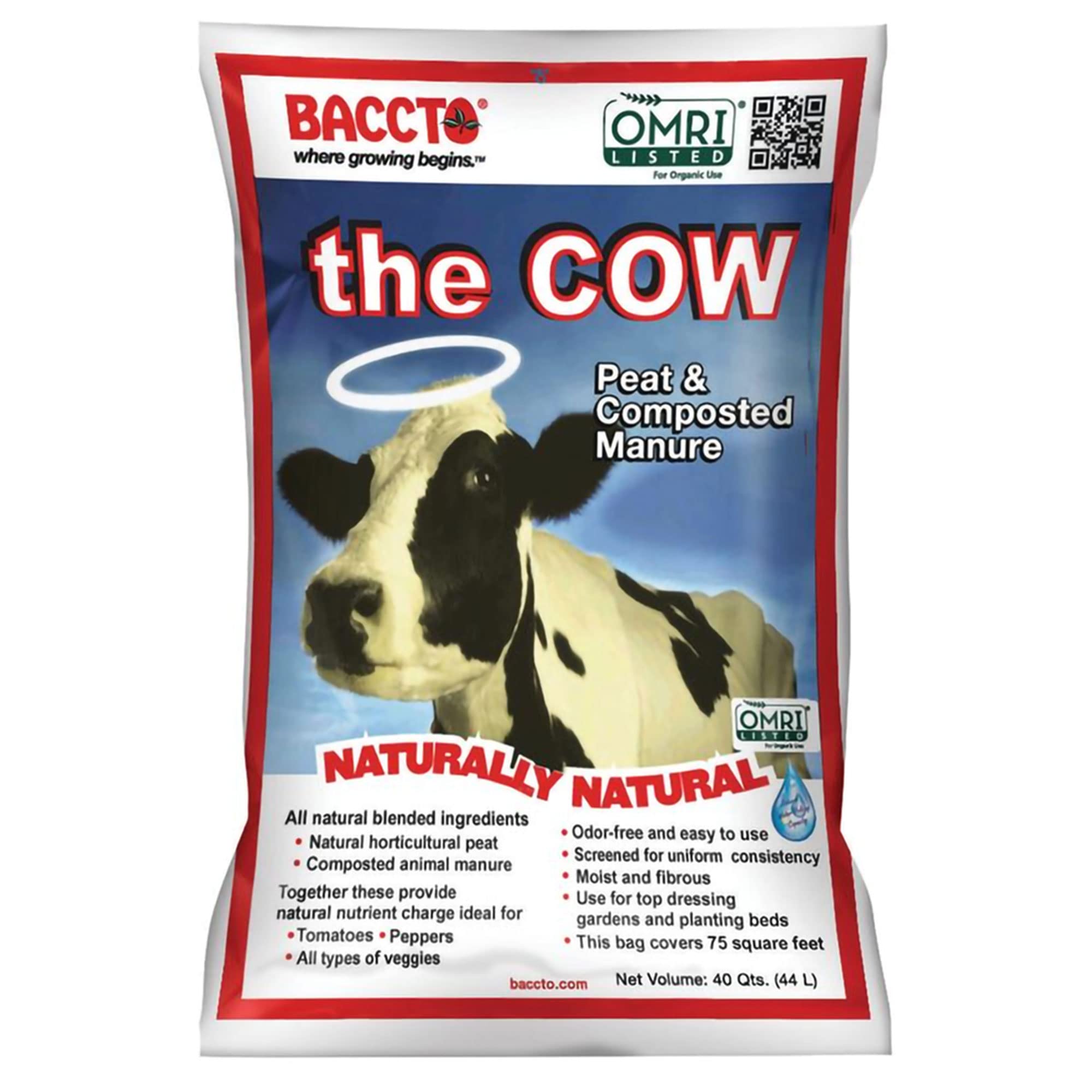
| Michigan Peat Wholly CowBest Value | Large beds & lawn top-dressing | 34 lb | Peat & Composted Manure | 40 qt | Amazon |
| Uncle Jim’s Worm Castings | Seedlings & delicate roots | 4 lb | Red Wriggler Castings | — | Amazon |
| Espoma Vegetable & Flower | Mixed flower & veg beds | — | Earthworm Castings | 1 cu ft | Amazon |
| Mountain Valley Worm Castings | Indoor & outdoor organic feeding | 6 lb | Organic Worm Castings | 1 gal | Amazon |
| R&M Organics | Reviving struggling plants | 10 lb | Dairy Cow Manure | 0.31 cu ft | Amazon |
| Brut Cow Compost | Safe all-around amendment | 10 lb | Composted Cow Manure | 10 qt | Amazon |
In‑Depth Reviews
1. Espoma Organic Land and Sea Gourmet Compost with Lobster & Crab Meal
Our pick — over 4.5★ from 950+ verified ratings; the strongest balance of quality and price.
Lobster and crab meal make this the heavyweight champion of soil revival for hostas and heavy feeders
This bag tips the scales at 24 pounds — six times heavier than typical worm-casting bags — because it is packed with marine-sourced organic matter. The blend combines lobster and crab meal with a proprietary mix of endo and ecto mycorrhizae, which are beneficial fungi that attach to roots and help plants pull more nutrients from the surrounding soil. Buyers report that using this makes plants grow extremely well especially their Hostas, and that one bag improves the soil with real fertilizer qualities.
The granular texture mixes easily into existing garden soil, clay-heavy beds, or container mixes when you are transplanting. It is designed for flowers, vegetables, trees, and shrubs, and it contains no synthetic plant foods or chemicals. Owners who have used it for three years still come back to it. At a cubic foot per bag, a single application covers a solid in-ground bed, and the mycorrhizae give transplanted roots a head start that plain compost cannot match.
Value for money draws mixed reactions — some find it pricey while others say it is well worth the cost. The consistent verdict, though, is that your plants will show you the difference within a couple of weeks. If you want one bag that covers vegetables, flowers, shrubs, and trees alike, this is the pick that does it all.
What wins people over
- Marine-based lobster and crab meal adds trace minerals you won’t find in manure composts
- Mycorrhizae blend helps transplants establish faster and access more soil nutrients
- Works for flowers, vegetables, trees, and shrubs from one bag
The honest trade-off
- A minority of owners consider it expensive for the bag size
- Granular form is dry and lightweight despite the 24 lb weight — you are paying for concentrated organic matter, not bulk filler
Reach for this if: you want a single, biologically active compost that feeds plants and builds soil life at the same time — especially for hostas, tomatoes, and flowering shrubs that respond to the marine minerals.
Think twice if: you only need a huge volume of top-dressing for a very large lawn or bed; the premium ingredients shine most when used as a planting amendment, not a blanket spread.
2. Coast of Maine Organic & Natural Planting Soil for Vegetables & Tomatoes
Dark, earthy, and purpose-built for your tomato bed, this one fills a planter perfectly with minimal settling
Formulated specifically for tomatoes and vegetables, this OMRI-listed organic blend uses composted manure and sphagnum peat moss to balance moisture retention and drainage. It works for in-ground beds, raised beds, or outdoor containers. One buyer filled a planter perfectly and noted that after rain it settled very little — a sign of consistent, well-composted texture with minimal woody debris.
What you get is a lightweight, black, earthy soil that does not compact into a hard layer. The blend is designed to support abundant growth when you are seeding, transplanting, or topping off an in-ground vegetable garden. One owner used it for indoor heirloom tomatoes and had success, though a few bags contained gnats that were controlled with neem oil spray — a known occasional risk with organic potting media that holds moisture.
The heavier bag weight gets mentioned as a practical consideration, though the plants like it and grow well. Some buyers prefer to pre-treat or air out the bag before indoor use. For direct in-ground use, the worm castings and manure base give roots a steady supply of nitrogen without burning. If your garden is mostly tomatoes and you want a soil that one household described as the best they have tried, this blend earns its reputation.
The standout strengths
- Specifically crafted for tomatoes and vegetables with balanced moisture and drainage
- OMRI listed for organic use, so it’s certified for edible gardens
- Minimal settling after rain — uniform texture that stays in place
What to watch for
- Occasional bags can harbor gnats; airing out or disinfecting before indoor use is wise
- Heavy bag at delivery — plan for how you will move it from the delivery spot to the garden
Perfect for: veggie gardeners growing tomatoes, peppers, and other heavy feeders who want a dependable organic blend that you can use straight from the bag into in-ground beds without mixing.
Skip it for: purely indoor container plants where you cannot risk any gnat exposure without pretreatment.
3. Michigan Peat Baccto Wholly Cow Horticultural Compost and Manure
A 34-pound bag that covers serious ground with almost no smell and a rich, uniform texture
By volume, this is the biggest bag on the list at 40 quarts, and it combines natural peat with composted animal manure for a high-nutrient boost. The standout feature from owners is the lack of odor — little to no smell, which makes it pleasant to work with whether you are top-dressing a lawn, mixing into planting holes, or amending large in-ground beds. The compost is screened for a uniform consistency, so you get few sticks or rough bits, and it holds moisture well thanks to the natural water-holding capacity of the peat.
Gardeners use it in raised beds and planting holes, often mixed with coir and perlite for better aeration. One longtime gardener noted that his roses did visibly better after application, and another found the high manure concentration excellent as a substrate for mushroom cultivation. The bag produces minimal waste and no mold contamination. At 34 pounds, it is heavy, but the coverage per dollar is among the best you will find for in-ground use.
A few buyers noted that the bag contains a small number of sticks, but the consensus is that the compost is rich, dark, and effective — a clean option that is available year-round when local bulk compost is not. If you are amending a large vegetable bed or need to cover the whole lawn with a thin organic layer, this bag delivers the most square footage per purchase.
Why it stands out
- Large 40-quart bag offers the most volume for in-ground coverage
- Nearly odorless — pleasant to handle even for top-dressing lawns
- Screened, uniform texture with minimal woody debris
The catch
- 34 pounds is a heavy lift; make sure you can move it from the delivery point
- Contains some sticks despite screening — not as fine as premium castings-only composts
Ideal for: large in-ground beds and lawn top-dressing where you need volume and odor-free handling, but not the specialized biology of marine-based or worm-casting products.
Not the best if: you need a precision amendment for delicate seedlings or container plants where you want the finest, most uniform texture.
4. Espoma Organic Vegetable & Flower Garden Soil

Rich, nutrient-dense organic soil that made tomatoes and marigolds thrive in side-by-side garden trials
This is Espoma’s dedicated in-ground mix for vegetables and flowers, enriched with earthworm castings and the same proprietary endo and ecto mycorrhizae found in the Land and Sea blend. Unlike the marine-focused sibling, this bag uses worm castings as its primary biological ingredient, making it a lower-cost option that still delivers serious soil-building power. One gardener reported that plants grown with this soil outperformed those in a store-bought organic mix by a noticeable margin, noting the difference in leaf size and stem strength.
The texture is rich, well-structured, and nutrient-dense, and it improves moisture retention in native soil. Buyers use it when planting seeds or new plants directly into the ground — simply mix it thoroughly with your garden’s native soil. A few owners noted it can attract fungus gnats in indoor applications, so it is best reserved for outdoor in-ground use or allowed to air out before indoor planting. One household was amazed that two bags shipped in one box, which cuts down on handling time.
At a cubic foot bag, this is slightly smaller than the Coast of Maine option but comes packed with the same mycorrhizae technology as the top pick. If you do not need the marine minerals of the Land and Sea blend but still want the biological advantage of mycorrhizae for your vegetable and flower beds, this is the natural step down that gives you nearly the same root benefits.
Its real advantages
- Earthworm castings plus mycorrhizae in one bag — double biological benefit
- Plants consistently outperform those grown in generic organic mixes
- No synthetic chemicals; safe for edible gardens
Be aware
- Some bags from certain lots have been reported with fungus gnats; best for outdoor use
- Volume is smaller than bulk manure composts, so you need more bags for large beds
Choose this when: you are planting a mixed vegetable and flower bed and want the root-boosting mycorrhizae without paying for the marine ingredients in the Land and Sea blend.
Pass on it if: you need to cover a very large in-ground area quickly — you will get more square footage per dollar from a bulk manure compost like the Wholly Cow bag.
5. Uncle Jim’s Worm Farm Black Gold Worm Castings Compost Fertilizer

Concentrated and powerful — seeds sprouted in 2 days with this worm casting top-dressing
At just 4 pounds, this bag of pure worm castings is the lightest entry here, but it is also the most concentrated. Worm castings are rich in nutrients: the company states that the castings produced by their worms are 7 times richer in phosphates, 5 times richer in nitrogen, and 11 times richer in potash than average lawn soil. That potency means a little goes a long way — buyers top-dress around established plants or mix a handful into seedling soil and see rapid results, with some reporting seeds sprouted in just 2 days.
The castings come from worms raised in beds that are decades old, working all layers of the compost to produce a wholly better blend. Customers use it for seedlings, established plants, and even sunflowers — with no leaf yellowing reported. The odor is natural and earthy, as you would expect from real worm castings, and some bags contain beneficial tiny white bugs that control pests and balance soil bacteria without harming plants. A minority of buyers have experienced infestation issues, so inspect the bag before bringing it indoors.
Shipping can take longer than some sellers, and the 4-pound bag covers less ground than bulk options. But for gardeners who want a powerful, organic booster for specific plants or small in-ground beds, this worm casting is a potent tool. One owner summed it up plainly: the best out there — makes a world of difference.
What makes it special
- Extremely concentrated — a little goes much further than bagged compost
- Seeds sprouted in 2 days according to buyers, showing immediate root benefit
- Decades-old worm beds produce richer castings than younger farm operations
The limitations
- Some deliveries arrive underweight or with an opened bag
- Can contain live bugs that are harmless to plants but alarming indoors
Best for: targeted feeding of specific plants, seed starting, or creating compost tea — the concentrated castings give you maximum biological power per ounce.
Not great for: large-scale in-ground bed amendment where you need cubic feet of material to improve overall soil texture; use a bulk compost for volume and castings as a booster.
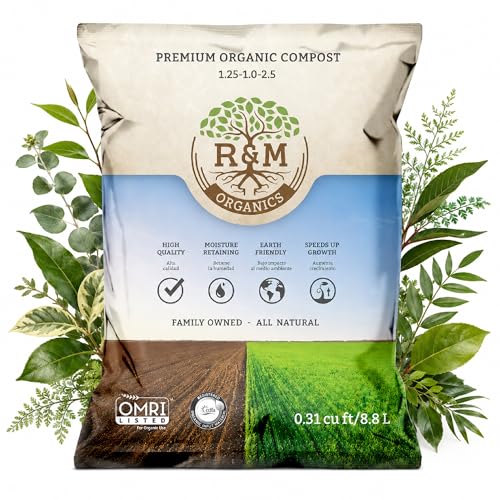
6. R&M Organics Compost Soil Amendment Fertilizer
The compost that pulled struggling azaleas and tomato plants back from the edge of die-off
This dairy-cow-manure-based compost is fully composted with continuous aeration to reduce odors and impurities. Owners mention remarkable results: one rescued azaleas after a roof washing cleaner caused heavy die-off, and a tomato plant in a 27-gallon planter went from yellow leaves to green growth and flower buds within a week of mixing this into the soil. It is designed for a wide range of plants including vegetables, fruit trees, flowers, lawns, and herbs — truly all-purpose.
The texture is fine and topsoil-like, making it easy to spread and work into existing soil. It is odorless with no clumps, and the compact 10-pound bag is convenient to carry and store for small to medium garden projects. The maker recommends applying a thin layer of about a quarter inch around plants or mixing it into soil for new beds. Owners describe it as worth every dime even though it is more expensive per pound than bulk options — the quality of the compost shows in how plants respond.
Note that this compost can stain carpets and patios, so keep it off porous outdoor surfaces and bring a drop cloth indoors. It ships in a compact bag that goes a long way — a little does cover ground. If you have a specific plant that is struggling, this is the bag to grab for a quick, targeted fix.
Why gardeners love it
- Fine, topsoil-like texture with no clumps — easy to apply as a thin top-dressing
- Customers note plant recovery within a week on stressed tomatoes and azaleas
- Low odor, suitable for indoor and outdoor use
The honest downsides
- Expensive per pound compared to bulk compost — best for small repair jobs
- Can stain carpets and patios if spilled
Ideal for: reviving struggling plants, small garden beds, or container gardens where you want a premium, fully composted manure with no odor and a fine texture.
Pass over if: you are amending an entire large in-ground vegetable plot — you will need multiple bags and end up paying a premium for the fine texture.
7. Brut Cow Compost – Nutrient-Rich Composted Cow Manure

Pure, sifted cow manure that is odorless and gentle on roots — no burns, no smells, just results
This OMRI-listed cow compost is made from thoroughly composted manure that has been carefully aerated and tested for safety. It contains no additives whatsoever — just pure, sifted organic material. The maker claims it is packed with nitrogen, calcium, and iron, and the product is designed to enrich soil, boost microbial life, and support bigger vegetables, greener lawns, and thriving flowers. Buyers confirm that it works great for any garden or flower bed, that it helps plants grow strong, and that the quality is excellent.
The compost is odor-free and safe for all plants — gentle on roots, eliminating the risk of plant burn. This makes it a trusted choice for seedlings, houseplants, and delicate blooms both indoors and out. The texture is finely sifted, which makes it ideal as a top dressing or mixed into in-ground soil for garden beds. One owner noted that it really does help plants grow strong, and multiple owners confirm the no-smell claim.
At 10 quarts, this is a medium-sized bag that suits small to medium in-ground gardens. If you want a no-fuss, additive-free cow compost that will not overwhelm your plants with odor or burn risk while still giving them a steady organic feed, this is a straightforward, reliable choice that buyers consistently rate as high quality.
Its core strengths
- 100% pure composted cow manure — no fillers, no additives, no synthetic chemicals
- Odorless and gentle on roots, safe for seedlings and delicate plants
- OMRI listed for organic gardening; fine texture works as top dressing or mix-in
The limitations
- Smaller volume than bulk alternatives at 10 quarts — not ideal for large beds
- Lacks the targeted boost of marine-based or worm-casting formulas for specific deficiencies
Reach for it when: you need a pure, safe, and odorless cow manure compost for a small to medium in-ground bed, especially if you are growing seedlings or delicate flowers that could burn on harsher formulas.
Look elsewhere if: you need to amend several large beds in one go — you will get more volume per dollar from the Michigan Peat Wholly Cow bag.
8. Mountain Valley Seed Company Earth Worm Castings Organic Red Worm Compost

OMRI-certified worm castings that are nearly odorless, easy to use, and packed with slow-release nutrients
This bag from Mountain Valley Seed Company offers OMRI-certified organic worm castings — the microbial-rich waste product of red earthworms. The castings are digested from certified organic cow manure, which means the worms have already processed the material into a stable, neutral-7.0-pH soil amendment that is clean and safe. It works as a substitute for messier cow manure compost, and the maker notes it includes a recipe for creating liquid worm tea for day-to-day feeding.
At 6 pounds and roughly a gallon in volume, it sits between the concentrated Uncle Jim’s bag and the larger manure composts. Owners use it to enrich in-ground soil, and one reported using it to combat fungus gnats by repotting plants with a mix of coco peat, perlite, sphagnum moss, and this worm castings. The product is described as a clean, nearly odorless gardening manure compost that is more convenient than keeping your own earthworms. The castings are fortified with essential microbes, bacteria, and slow-release NPK while maintaining that safe neutral pH.
A few buyers find it overpriced compared to unbranded worm castings, and one noted that the price increased as the product gained popularity. But the quality is consistently praised — it enriches soil, makes plants grow, and avoids the smell that puts some gardeners off raw manure. If you want OMRI-certified castings for a clean, indoor-safe amendment that comes with instructions for making your own liquid feed, this bag delivers on all fronts.
What stands out
- OMRI certified for organic gardening — verified purity from a trusted seed company
- Neutral 7.0 pH means it will not acidify or alkalize your native soil unexpectedly
- Nearly odorless and clean — suitable for indoor use near living spaces
The downsides
- Some owners consider it overpriced relative to the volume per bag
- Price seems to have risen with demand, making it less of a budget value
Perfect for: indoor and outdoor organic gardeners who want certified worm castings with a neutral pH and a clean, odorless profile for in-ground beds or container plants.
skip it if: you need bulk volume at the lowest cost per pound — bulk manure or unlabeled castings will stretch further.
Understanding the Specs
Mycorrhizae
These are beneficial fungi that form a symbiotic relationship with plant roots. Endo mycorrhizae penetrate root cells, while ecto mycorrhizae wrap around root surfaces — both help roots access more water and nutrients from the surrounding soil. Compost that includes a proprietary blend of both gives transplanted vegetables and flowers a measurable head start. It is especially valuable in in-ground gardens where native soil may be compacted or depleted.
Worm Castings vs Manure Compost
Worm castings are the digested output of earthworms fed on organic matter. They are more concentrated than manure compost, with a fine, soil-like texture and a neutral pH. Manure compost (from cows or other animals) is bulkier, contains more organic fiber, and improves soil structure over a larger volume. Castings are best as a precision booster; manure compost is best for large-area soil amendment. Neither will burn plants if fully composted.
FAQ
Can I use bagged compost directly in an in-ground garden without mixing?
How much compost do I need for a typical in-ground bed?
Is worm castings compost better than cow manure compost for vegetables?
Will lobster and crab meal compost attract pests to my garden?
Can I use these composts in containers or raised beds as well as in-ground gardens?
What does OMRI listed mean and does it matter?
How long does bagged compost stay fresh once opened?
Will these composts burn my plants like fresh manure?
Can I mix different composts together for better results?
What is the difference between compost and fertilizer for in-ground gardens?
Final Thoughts: The Verdict
For most gardeners, the compost for in-ground gardens winner is the Espoma Organic Land and Sea Gourmet Compost because its marine-based ingredients, mycorrhizae blend, and proven results across flowers and vegetables make it the single most versatile bag on the list. If you want a dedicated vegetable and tomato blend, the Coast of Maine Organic Planting Soil has the finest texture and the best organic certification. And for pure, cost-effective bulk volume for large in-ground beds, the Michigan Peat Baccto Wholly Cow gives you more organic matter per dollar than any other option here.
How We Picked
We do not accept paid placement. Every pick is matched to a real buyer and a real use-case; we do not hands-on test units.
Sources & Methodology
Specifications: manufacturer listings and product documentation. Review insights: verified customer reviews, as of July 2026. Pricing: not shown on this page (it changes often); check the current price via the retailer link.
As an Amazon Associate, Lawn Gear Lab earns from qualifying purchases. This does not affect which products we feature.