
Specs are compiled from manufacturer listings and verified buyer reviews and can change over time — please confirm the key details on the product page before buying.
If your garden is stubborn — pale leaves, stunted growth, or tomatoes with black mushy bottoms — the problem is often hiding right under the surface. Acidic soil locks up the nutrients your plants need, no matter how much fertilizer you add. Ground limestone is the simple, natural fix: it raises the pH, “sweetens” the dirt, and open up the food your garden is starving for. The key is matching the lime form and mineral balance to your soil’s specific needs.
I’m Rikta — the founder and writer behind Lawn Gear Lab. This guide is built by comparing the manufacturers’ published specifications and the patterns across verified customer reviews, so you get each pick’s real strengths and trade-offs instead of marketing spin.
Whether you are nursing a single raised bed of tomatoes, turning your hydrangeas pink, or reclaiming a full lawn from moss, the right ground limestone for gardens makes all the difference between struggle and abundance.
Our Picks at a Glance

How To Choose The Best Ground Limestone For Gardens
Match the lime form and mineral content to your soil test results and garden type. Here are the three factors that matter most.
Calculated Lime vs. Dolomitic Lime: The Calcium-Magnesium Question
Pure calcitic lime (calcium carbonate) adds only calcium to raise pH. Dolomitic lime adds both calcium and magnesium — essential if your soil test shows a magnesium deficiency. For most vegetable gardens and lawns, dolomitic lime is the safer bet because it delivers both major nutrients. Apply calcitic lime only if your magnesium levels are already high.
Pelletized vs. Powdered: Speed Versus Convenience
Pelletized lime is dust-free, flows through a rotary spreader easily, and is far less messy to handle. The trade-off is speed: the pellets must dissolve with rain or irrigation before they start working, which can take weeks. Fine powder reacts much faster — often showing results within a couple of weeks — but it creates dust and is harder to apply evenly without a drop spreader.
Application Rate and Coverage
Application rates vary; always follow a soil test for precise amounts. A standard recommendation is 5 to 10 pounds per 100 square feet for a moderate pH adjustment, but always follow a soil test. Start low and wait a month before adding more — over-liming can lock out other nutrients and push the pH too high.
Quick Comparison
| Model | Best For | Item Form | Weight | Calcium & Magnesium | Amazon |
|---|---|---|---|---|---|
| Espoma Organic Garden Lime (2 Pack)★ Best Overall | Overall Best for Flowers & Veggies | Pellets | 5 lb (each) | Dolomitic | Amazon |
| Cz Garden Dolomite LimeBest Value | Quick-Acting pH Fix | Powder | 5 lb | Dolomitic | Amazon |
| Espoma Organic Garden Lime (6.75 lb)Best for Hydrangeas | Largest 1-Bag Value | Pellets | 6.8 lb | Dolomitic | Amazon |
| Down To Earth Prilled Garden Lime | Fast Incorporation for Small Gardens | Granules | 5 lb | Calcitic | Amazon |
| Bonide Hydrated Lime | Multi-Use (Gardens & Preservation) | Granules | 5 lb | Calcitic | Amazon |
| The Andersons NutraLime DG | Large Lawns & Moss Control | Pellets | 40 lb | Dolomitic | Amazon |
| Earth Science Fast Acting Lime | Budget-Friendly Lawn Fix | Granular | 25 lb | — | Amazon |
| CountryMax Fine Ground Limestone Powder | Coop Odor Control & Soil pH | Powder | 50 lb | Calcitic | Amazon |
| Greenway Biotech Dolomite Lime Plus | Worm Bins & Precise pH Adjustments | Powder | 20 lb | Dolomitic | Amazon |
In‑Depth Reviews
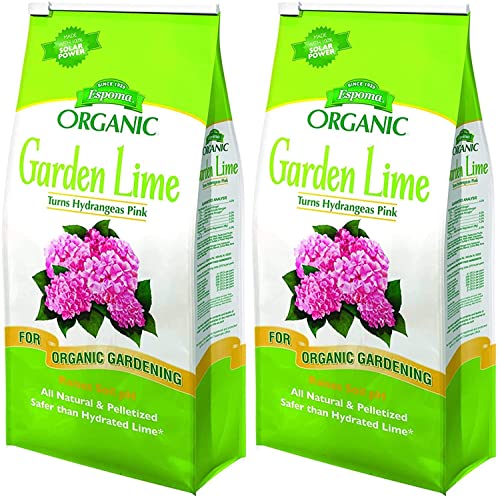
1. Espoma Organic Garden Lime (5 lb – 2 Pack)
Our pick — over 4.5★ from 250+ verified ratings; the strongest balance of quality and price.
The crowd-favorite two-pack that earns top marks for turning struggling gardens around.
This is the most trusted name in the category, and the numbers back it up. Buyers report that adding it to flowers and vegetables “perked them up and caused them to grow amazingly fast.” Each 5-pound bag covers 100 square feet, making the two-pack a practical choice for a medium-sized flower bed or a small vegetable patch. The pellets are dolomitic, so you get both calcium and magnesium in a single application.
What wins people over is the consistency. Across nearly 300 ratings, owners praise the effectiveness and the value for money. The pellet form means almost no dust during application, and it is approved for organic gardening. The same bag also turns mophead and lacecap hydrangeas pink by raising the soil pH around them — a bonus if you want a color show without buying a separate product.
The only real trade-off is that pellets take longer to dissolve than powder. If your soil needs an immediate pH emergency fix, a finer grind will react faster. But for dependable season-long results, this is the package that satisfies the most gardeners.
Double bag convenience: The 2-pack gives you 10 total pounds of dolomitic pellets in two resealable bags — enough for 200 square feet of gardens, lawns, or shrubs — all for a price that undercuts buying single bags individually.
Reach for this if: You want a mess-free, OMRI-listed lime that delivers proven results across flowers, vegetables, and hydrangeas — and you appreciate having a second bag ready to go.
Look elsewhere if: Your soil test shows a need for fast-acting fine powder, or if you are treating a very large lawn (a larger bag will be more economical).
2. Cz Garden Supply Organic Dolomite Lime (5 lb)
An ultra-fine powder that stops blossom end rot fast — and costs less than a pizza.
This is the go-to choice if your tomatoes and peppers are showing the tell-tale black, leathery spots of blossom end rot. The natural limestone is ground into an ultra-fine powder for fast reaction time, and buyers confirm it “cleared up the blossom end rot on my tomatoes quickly.” It also supplies essential calcium and magnesium, and raises and stabilizes soil pH for earthboxes and container gardens.
The resealable heavy-duty pouch is a practical touch for long-term storage. Owners note that a little goes a long way — “only use a LITTLE bit and wait a day or two to see how the pH stabilized,” as one buyer advised. The powder form means it works faster than pellets, but it also creates more dust; wear a mask when applying on a windy day.
While some buyers find the 5-pound pouch overpriced for the volume, the raw effectiveness for pH correction and blossom end rot prevention is near-universally praised. It is OMRI listed for organic production and made in the USA.
Your best bet for: A cheap, rapid pH fix — especially if you are dealing with blossom end rot in containers or raised beds.
Consider another pick if: You are treating a large lawn (you will need multiple bags) or you dislike the dust from fine powders.
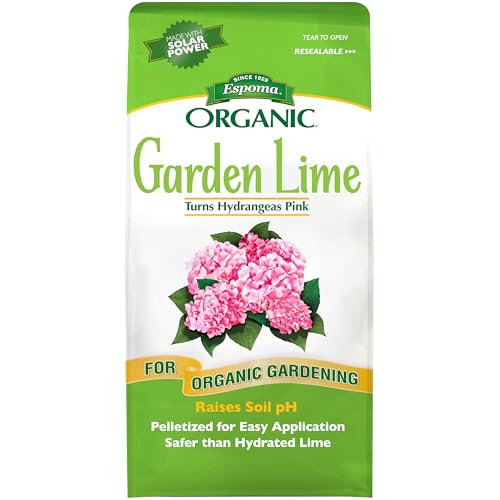
3. Espoma Organic Garden Lime (6.75 lb)
The biggest single bag from the top brand — at 6.8 pounds, it holds 36% more weight than the 5-pound packs.
This is the same trusted Espoma formula as the 2-pack above, but in a larger single bag for those who need more volume for a single application. The 6.75-pound bag provides 108 total ounces, a noticeable jump from the 80-ounce bags offered by competitors. It is designed for use on flowers, vegetables, lawns, trees, or shrubs, and is marketed specifically for turning mophead and lacecap hydrangeas pink.
One buyer shared a clever technique: “I put about 1/2 cup over fish parts when I transplant tomatoes or peppers.” The dolomitic lime sweetens acidic soil and adds calcium to help prevent blossom end rot. As with all Espoma Garden Lime, it is a registered Organic Input Material for organic production.
The recurring complaint is packaging. Several buyers noted the bag arrived damaged, losing some product during shipping. If you order, inspect the bag on arrival. The pellets themselves are the same high quality, but the single-bag packaging is less forgiving than sturdier pouches.
Largest single bag: At 6.8 pounds, this is the largest single Espoma bag available — more economical per ounce than the 5-pound version if you need bulk for a big bed or multiple hydrangeas.
Pick this if: You want the maximum amount of Espoma’s proven dolomitic pellets in one bag for a medium-to-large garden or lawn patch.
skip it if: You dislike the risk of bag damage during shipping, or if you prefer the security of a resealable pouch.
4. Down To Earth Organic Prilled Garden Lime (5 lb)
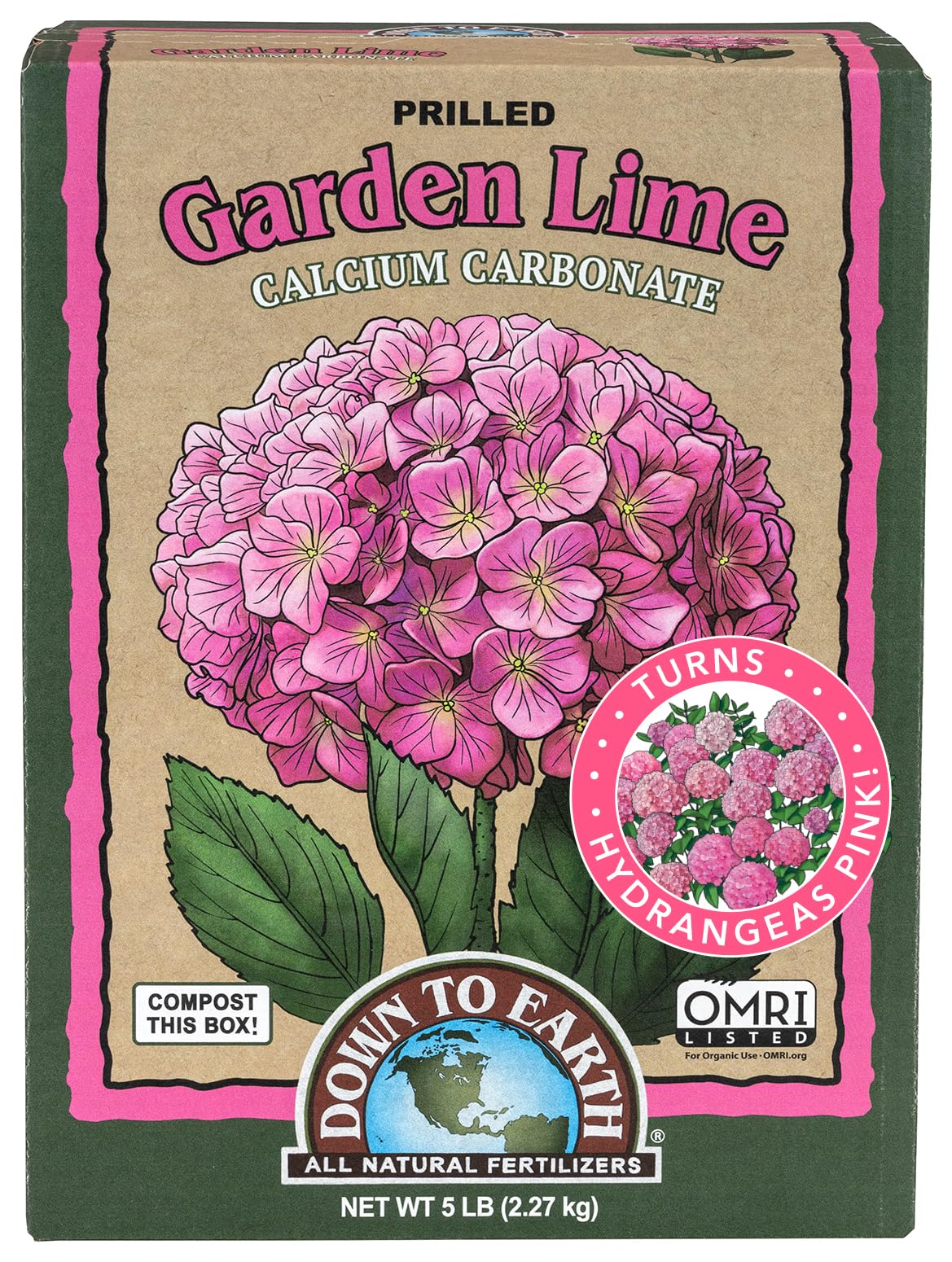
Finely ground granules that incorporate into soil quickly — but deliver pure calcium only.
Down To Earth built a loyal following among serious organic gardeners. The 5-pound box of prilled (finely ground) granules raises soil pH naturally and supplies a rich source of calcium for cell wall strength and root development. Customers call it “great for PH trouble on your grows” and note the particles are “super clean and consistent.” It is OMRI listed for certified organic use, and it also improves soil structure by supporting beneficial microbial activity.
This is a calcitic lime, meaning it provides calcium but not magnesium. If your soil test shows adequate magnesium levels, this is ideal. If you need both calcium and magnesium, reach for a dolomitic product instead. The fine grind gives it faster soil reaction than standard pellets, which owners appreciate for small garden spaces.
A handful of buyers mention the price per pound is higher than bulk bags, but the “perfect size and packaging for small garden needs” makes it worth it for those who do not have space for a 50-pound bag. Just note that this product should not be used on acid-loving plants like blueberries, azaleas, or rhododendrons.
Choose this for: A fast-acting, OMRI-listed calcitic lime that works perfectly in small gardens, raised beds, and containers where you want precise calcium supplementation.
Pass on it if: Your soil needs magnesium alongside calcium, or you are treating a very large lawn (look for a bulk bag instead).
5. Bonide Hydrated Lime Granules (5 lb)

A hydrated lime that does double duty — sweetening soil and preserving eggs.
Bonide Hydrated Lime is a calcium-based formula designed to quickly raise soil pH and improve soil structure for lawns, gardens, and potted plants. It works fast because hydrated lime is more soluble than regular limestone. Owners mention using it for everything from garden lime to painting fruit tree trunks to keep ants and bugs away. One owner even used it to “water glass” eggs: “preserved fresh chicken eggs in lime/water mixture for 6 months; eggs tasted great.”
For garden use, the instructions are simple: work it around each plant and water normally, or mix one tablespoon per gallon of water for pots. It is a versatile product that earns high marks for both effectiveness and quality. The granules are easy to handle and store in the 5-pound bag.
However, hydrated lime is more caustic than calcitic or dolomitic lime. Do not mix it with fertilizer before use, and avoid inhaling the dust. Some buyers found the bag size too large for their space, but for most garden and household uses, the 5-pound quantity is manageable.
Best for: Gardeners who want one product that can sweeten soil, prevent blossom rot, and even preserve eggs — a true multi-tasker.
Think twice if: You dislike handling a more reactive material, or you want strict OMRI organic certification (this product is not listed).
6. The Andersons NutraLime DG Pelletized Limestone (40 lb)

The 40-pound bulk bag that eliminates moss and transforms patchy lawns — without burning.
The Andersons NutraLime DG uses patented DG (Dispersing Granule) Technology: the pellets break down and dissolve quickly into the soil after watering. This makes it faster than traditional pelletized lime while still being dust-free and easy to spread with a rotary spreader. The 40-pound bag covers up to 5,000 square feet, making it the obvious choice for anyone treating a standard suburban lawn. It is OMRI listed and organic.
Customers note visible improvements quickly, with one owner noting “new grass growth, no burn, eliminates moss” and another calling it the solution for “dead spots to lush lawn.” The non-burning formula means you can apply it any time during the growing season, alongside any fertilizer program. It supplies both calcium and magnesium for overall plant health.
The catch is logistics. At 40 pounds, this bag is heavy and large — you need a spreader and storage space. Some owners also found that it took a couple of weeks to see results compared to faster-acting powders. But for large-scale lawn correction, the coverage and value per square foot are class-leading.
Reach for this if: You have a medium-to-large lawn (up to 5,000 sq ft) with low pH, moss issues, or uneven growth — and you own a spreader.
Look elsewhere if: You need a small bag for a container garden or raised bed (this is overkill for tiny spaces).
7. Earth Science Fast Acting Lime (25 lb)

A massive 25-pound bag that fits a standard rotary spreader and gets results in weeks.
Earth Science Fast Acting Lime wins on sheer value: you get 25 pounds for a price that competes with many 5-pound specialty bags. The granular form scatters well and is easy to apply with a rotary spreader. Reviewers point out “it starts showing results within a couple of weeks” and that “grass looks good and doesn’t complain.” It is also effective for use in chicken coops to minimize odor and encourage breakdown of materials.
Opinions on value are mixed — some buyers consider it solid value, while others find it overpriced compared to raw lime from a farm supply store. The pellet size is also inconsistent according to some owners, and a few noted they expected a fine dust but got crumbles instead. For most home lawn applications, the granular texture is fine; just calibrate your spreader accordingly.
At 25 pounds, this is a balance between the small bags and the 40-pound behemoths. It gives you enough material for a substantial lawn correction without requiring a dedicated storage corner.
Pick this if: You need a mid-size bag for a lawn (~2,000-3,000 sq ft) at a low per-pound cost, and you value ease of spreading.
pass on it if: You want a known OMRI organic certification (this one is not listed) or you absolutely need a fine powder for fast incorporation.
8. CountryMax Fine Ground Limestone Powder (50 lb)
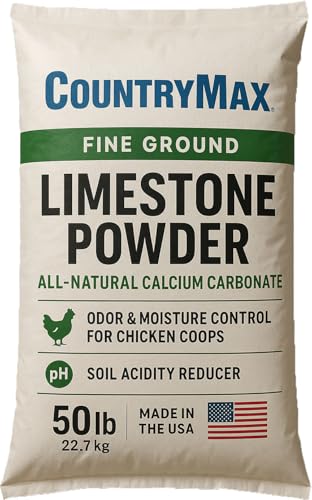
A 50-pound bucket of ultra-fine calcium carbonate that tackles odors, moisture, and soil pH.
CountryMax Fine Ground Limestone Powder is a calcitic (calcium carbonate) lime ground into an ultra-fine white powder. It is designed for multiple uses: neutralizing acidic soils for lawns and gardens, and controlling odors and moisture in chicken coops, barns, and animal bedding. Buyers confirm it provides “instant overnight pest/mite control in chicken coops via pH.” Another owner used it in a dog rescue at a vet’s recommendation.
The powder is all-natural and chemical-free, making it safe for daily use around animals and plants. It also works as a soil amendment for lush lawns, vibrant flowers, and increased crop yields. One creative buyer transformed sandy Florida soil into a “looser, airier mix” that improved nutrient cycling. The 50-pound bulk bag is heavy-duty and convenient for homesteads or farms.
The main downside is the very fine dust: you must wear a mask when applying, especially in enclosed spaces like a coop. It also takes more effort to spread evenly across a lawn than pellets. And at 50 pounds, it is not a casual purchase if you only need a light soil amendment.
Ideal for: Chicken owners who want to control coop odors and moisture, combined with gardeners who need bulk powder for large soil pH corrections.
Not for: Anyone who dislikes dust, or who needs a precise, small-scale application for a single raised bed.
9. Greenway Biotech Dolomite Lime Plus (20 lb)
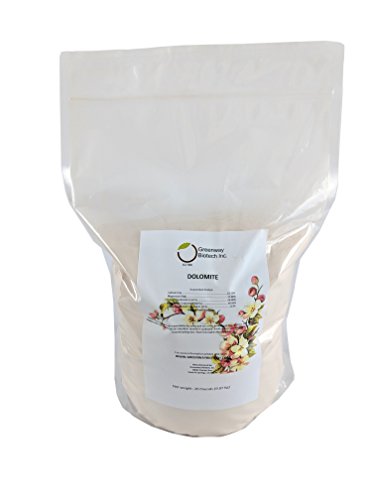
The power-user’s choice for precise pH buffering in soil, compost, and worm bins.
Greenway Biotech Dolomite Lime Plus is a professional-grade, ultra-fine powder that delivers 11.8% magnesium and 22.7% calcium. It is designed to adjust pH levels precisely, and owners confirm it is an excellent pH buffer for vermiculture bins and compost teas. One reviewer noted it raised their runoff pH from 6.2 to 6.7, and another praised it for neutralizing dog urine odors on hard ground. It is also an economical way to refill garden boxes.
The powder is so fine that it does not cake — a common complaint with coarser limes. The strong zipper bag keeps it dry and easy to store. Owners appreciate the value: 20 pounds goes a long way for a typical home garden. The plant health aspect is the most praised feature, with over 36 mentions from buyers, followed closely by its effectiveness for soil pH adjustment and blossom end rot prevention.
The powder form means you need to wear a dust mask during application. It also has low water solubility, so a digital pH meter is recommended for precise application with nutrients. At this price tier, it is an investment, but for serious gardeners and worm farmers, the quality and versatility justify the cost.
Buy this if: You are serious about soil chemistry — whether for a precise pH buffer in hydroponics, a worm bin additive, or a bulk soil amendment for a large vegetable garden.
Consider another option if: You are a casual gardener who needs a small, inexpensive bag for a single application.
Understanding the Specs
Dolomitic vs. Calcitic Lime
Choosing between dolomitic and calcitic lime is the most critical choice. Dolomitic lime contains both calcium carbonate and magnesium carbonate — it raises pH and supplies magnesium, which is often deficient in sandy or acidic soils. Calcitic lime (calcium carbonate only) is best when your soil already has plenty of magnesium. A soil test tells you which one you need.
Pelletized vs. Powdered Lime
Pelletized lime is ground limestone pressed into small pellets with a binding agent. It is virtually dust-free and spreads evenly with a rotary spreader, but it needs moisture to break down. Powdered lime reacts much faster because of its huge surface area, but it is dusty and harder to apply without a drop spreader. Pick pelletized lime for convenience or powdered lime for speed.
FAQ
How long does ground limestone take to work in my garden?
Can I apply ground limestone and fertilizer at the same time?
Will ground limestone change the color of my hydrangeas?
How much lime do I need for my garden?
Is ground limestone safe for organic gardening?
Will lime help with blossom end rot on my tomatoes?
Can I use ground limestone in my chicken coop?
What is the difference between pelletized lime and prilled lime?
Can I use too much lime?
Should I apply lime in spring or fall?
Final Thoughts: The Verdict
For most gardeners, the ground limestone for gardens winner is the Espoma Organic Garden Lime 2-Pack because it combines trusted organic pellets, a convenient double-bag format, and proven results across flowers, vegetables, and lawns — all backed by the highest owner satisfaction in the category. If you need fast pH correction for blossom end rot, grab the Cz Garden Dolomite Lime. And for large lawns up to 5,000 square feet, the The Andersons NutraLime DG offers the best coverage and value per square foot.
How We Picked
We do not accept paid placement. Every pick is matched to a real buyer and a real use-case; we do not hands-on test units.
Sources & Methodology
Specifications: manufacturer listings and product documentation. Review insights: verified customer reviews, as of July 2026. Pricing: not shown on this page (it changes often); check the current price via the retailer link.
As an Amazon Associate, Lawn Gear Lab earns from qualifying purchases. This does not affect which products we feature.