
Specs are compiled from manufacturer listings and verified buyer reviews and can change over time — please confirm the key details on the product page before buying.
Rosemary is a hardy Mediterranean herb that thrives on neglect, but even a tough plant needs the right nutrition to produce those aromatic, flavorful sprigs you actually want to cook with. Picking the wrong fertilizer can push your rosemary into a rush of leafy growth that tastes flat — or worse, cause root burn in a pot that’s just trying to survive the winter inside.
I’m Rikta — the founder and writer behind Lawn Gear Lab. This guide is built by comparing the manufacturers’ published specifications and the patterns across verified customer reviews, so you get each pick’s real strengths and trade-offs instead of marketing spin.
If you want strong, flavorful growth without the guesswork, here is the honest breakdown of the best fertilizer for rosemary plant choices — from slow-release pods that take seconds to a vegan powder that won’t burn a single root.
Our Picks at a Glance


How To Choose The Best Fertilizer For Rosemary Plant
Rosemary doesn’t need a heavy meal. It prefers a gentle, balanced organic food that mimics the lean soils of the Mediterranean. The wrong fertilizer — especially one high in nitrogen — creates soft, leggy growth that smells more like grass than pine.
Look for Slow-Release Organic Sources
Rosemary does best with nutrients that break down gradually. Organic powders, granules, and capsules release food over weeks, so the roots get a steady, low dose. Liquids can work, but you need to dilute them more than the bottle says — the plant responds better to subtle feeding than a feast.
Check for Key Minerals
Beyond the basic NPK (nitrogen, phosphorus, potassium), rosemary benefits from calcium and a touch of phosphorus for root and stem strength. Rock phosphate and kelp meal are common organic sources that appear in many of the top picks. These minerals also support the oil production that gives rosemary its strong scent.
Consider Your Pot vs. Ground
Rosemary in a container dries out faster and can’t spread its roots to find food. A granular or capsule fertilizer that you push into the soil works well here. For an in-ground plant, a larger bag of granules sprinkled around the drip line is the most practical option.
Quick Comparison
| Model | Best For | Form | Weight / Volume | NPK Ratio | Amazon |
|---|---|---|---|---|---|
| Back to The Roots★ Best Overall | Overall Winner | Powder | 5 lb | Balanced (Not stated) | Amazon |
| True OrganicBest Soil Builder | Soil Enrichment | Granules | 4 lb | 5-4-5 | Amazon |
| EarthPodsNo-Mess Winner | No-Mess Feeding | Capsules | 100 caps | Balanced (Not stated) | Amazon |
| VermisTerra | Transplant Recovery | Liquid | 8 oz | Balanced (Not stated) | Amazon |
| Jobe’s Organics | Herb-Specific Granules | Granules | 4 lb | 4-3-3 | Amazon |
| FOOP Organic | Liquid Quick Boost | Liquid | 32 oz | Balanced (Not stated) | Amazon |
| TPS Nutrients Herb | Large Batch Value | Liquid | 128 oz | 10-10-10 | Amazon |
| HiThrive Liquid | Budget-Friendly Liquid | Liquid | 16 oz | 2-2-2 | Amazon |
In‑Depth Reviews
1. Back to The Roots Organic All-Purpose Plant Food (5 lb)
Our pick — over 4.5★ from 250+ verified ratings; the strongest balance of quality and price.
A 5-pound bag of vegan-friendly powder that feeds rosemary without burning a single root.
This is the pick that gets rosemary right — a 100 percent plant- and mineral-based formula built from kelp, alfalfa meal, and rock phosphate. Mix just 1 tablespoon per gallon of water for a gentle soak, or follow the package’s sprinkle-on-the-surface method for a slow-release that feeds over weeks.
What wins owners over is the safety. Buyers report that it “never burned crops,” even on sensitive seedlings, and it “works well” for all herbs, veggies, and flowers. The vegan composition avoids the animal-waste smell that turns some gardeners off, and the organic ingredients support the kind of steady, moderate growth that rosemary needs to build its woody stems and concentrated oils.
The crowd favorite runs at 270 ratings with a strong 4.7-star score. “I am seeing great improvement on my plants in their appearance, size and health growth” is the kind of feedback you see again and again. The one mild confusion: the listing says to mix with water, but the bag itself often tells you to sprinkle dry — either method works, so do what fits your routine.
What Owners Love
- Vegan and sustainable — no animal waste or synthetic chemicals
- Mycorrhizae and rock phosphate support strong root systems
- Doesn’t burn plants even when used dry on the surface
The Honest Trade-Off
- Some alfalfa and soybean ingredients may not be certified organic or non-GMO
- Non-recyclable packaging is a minor sustainability gap
For the rosemary keeper: This is the most balanced, easiest-to-use organic feed on the list — buy the 5-pound bag and you are set for a full season.
Mind the source: If you are strict about every ingredient being certified organic, the soybean and alfalfa meals may fall short; for everyone else, the plant results speak for themselves.
2. True Organic All Purpose Plant Food (4lb)
A granular powerhouse loaded with seabird guano and crab shell meal that turns thin soil into fertile ground.
True Organic takes a different route — it feeds the soil as much as the plant. The 5-4-5 NPK delivers 5% nitrogen (with 3.75% in slow-release form), 4% phosphate, 5% potash, plus 4% calcium and 1% sulfur. That calcium is especially good for rosemary’s woody stems. The ingredients list reads like a natural soil lab: seabird guano, shrimp and crab shell meal, soybean meal, and fish bone meal.
Buyers consistently report plants going “HUGE, beautiful, bountiful” within weeks. The 4-pound bag covers 87 square feet, so a single bag handles several in-ground rosemary bushes or a large container collection. Apply it monthly during the growing season for best results. The split on smell is real — it has a strong odor when dry that dissipates after watering, but some owners find it unpleasant.
The honest trade-off is the smell. The overall 4.4-star score across hundreds of reviews confirms the effectiveness, but if you are feeding rosemary on a kitchen windowsill, a lighter liquid might be kinder to your indoor air.
The growth reward: “The plants are HUGE, beautiful, bountiful” — that buyer verdict on the effectiveness is hard to argue with.
The honest caveat: Several owners describe the odor as “horrible” while it sits in the bag; the smell fades after watering into the soil.
Pick this for outdoor gardens: If your rosemary is in a raised bed or in-ground, this rich organic blend builds soil structure and feeds roots for months.
Skip it for indoor pots: The strong smell makes it a poor fit for a windowsill or small apartment herb garden.
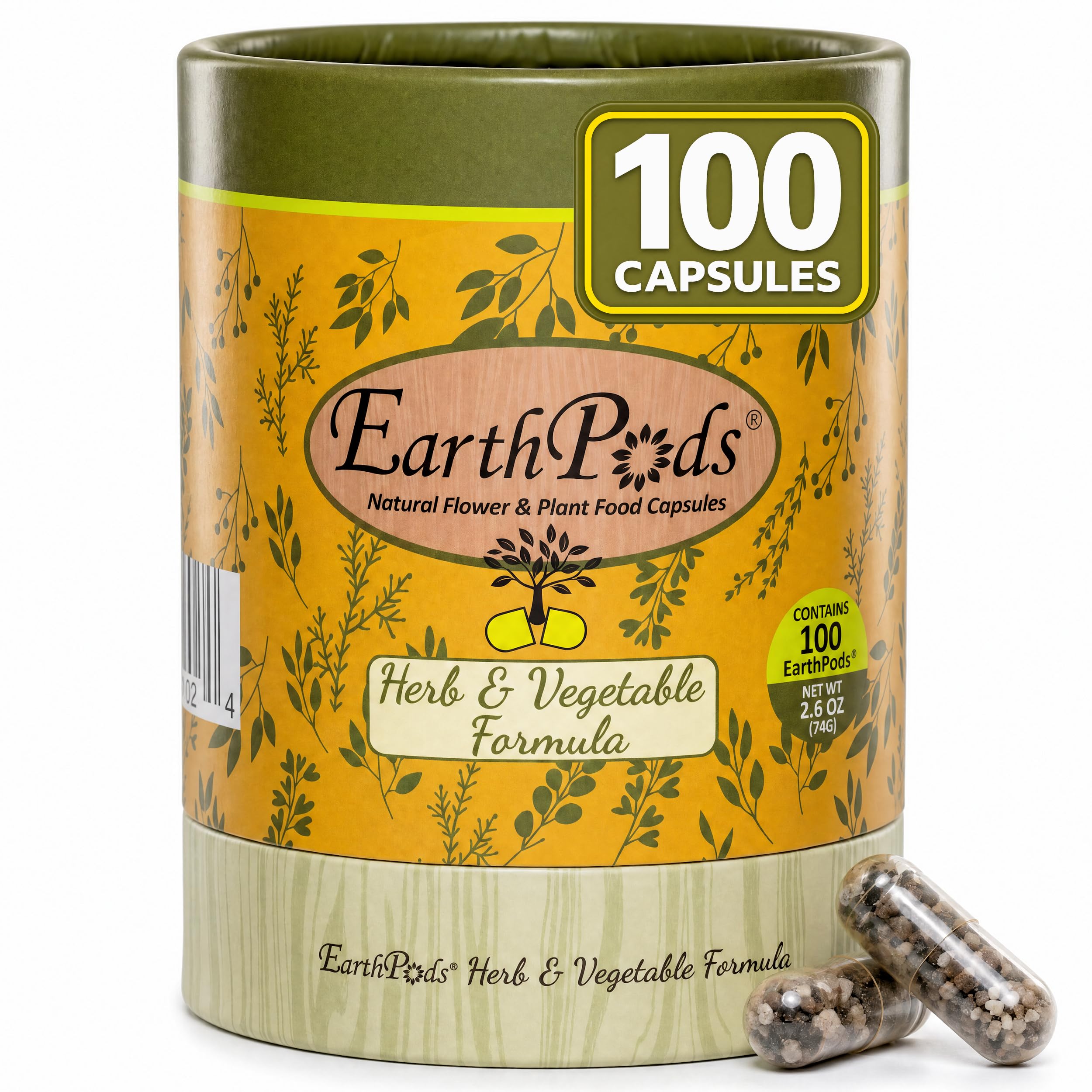
3. EarthPods Organic Herb & Vegetable Fertilizer Spikes
Push one capsule into the soil and water — no measuring, no mixing, and zero smell.
EarthPods solve the biggest friction point for feeding rosemary in pots: the mess. Each capsule is a concentrated dose of worm castings, humic acids, kelp, rock minerals, and beneficial biology. You push one capsule into a small herb pot, two to four for a medium container, and water as usual. Refill every two to three weeks during the growing season. The capsules dissolve gradually right at the root zone, so the nutrients arrive exactly where rosemary needs them.
The formula is vegan and friendly around kids and pets when used as directed. The whole tube uses zero single-use plastic, and each batch is hand-made in small runs at a U.S. facility. Owners mention that indoor basil and mint “grow like weeds” with these, and the same steady growth pattern works perfectly for rosemary’s moderate feeding needs.
The main complaint is the per-dose cost — these are “much pricier than getting powdered vegan fertilizer,” as some owners note. But for anyone keeping a single rosemary plant on a kitchen counter, the convenience of a 5-second feed with no bottle, no spoon, and no smell justifies the premium.
The convenience edge: With a 4.6-star average across dozens of reviews, the ease of use and effectiveness are the most-praised aspects.
The cost consideration: For a large garden with many pots, the per-plant expense adds up; better suited to a small herb collection.
Ideal for kitchen herb keepers: If you grow one or two rosemary pots on the windowsill and hate dealing with spoons and bottles, this is the easiest option.
Not the budget choice: For a dozen rosemary plants or a full vegetable patch, a bag of powder or granules will stretch further.
4. VermisTerra Vitality 8 oz
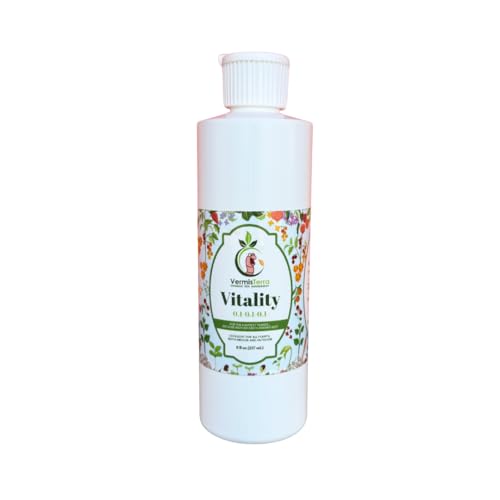
A few drops per quart — this super-concentrated liquid is for reviving a struggling rosemary, not feeding a healthy one daily.
VermisTerra’s Vitality is a different tool in the shed. It is not a general-purpose feed you use every watering. With bioavailable vitamins, minerals, and natural hormones from worm castings, it helps cuttings root faster, reduces transplant shock, and can even bring a dying plant back. A few drops per quart of water is all it takes — the 8-ounce bottle lasts a long time if you use it sparingly.
The most dramatic owner story involves a dead artichoke plant that produced its best crop ever after treatment. For rosemary, this is best used when you bring a nursery plant home, after repotting, or if the leaves start looking pale despite your normal feed routine. Overuse can cause droopy leaves, as some owners discovered — the guidance is to use it only once or twice a year for maintenance, not weekly.
The 4.6-star score across hundreds of ratings backs up the claims. One owner who repurchased four times says it produces “an explosion of growth” on established plants. Just remember to shake the bottle hard before each use because the solids settle at the bottom naturally.
The saving grace: This is the pick for a rosemary plant that is struggling — the concentrated natural hormones and minerals give it a targeted boost.
The restraint needed: Use it sparingly. Over-application can harm the plant, so stick to the once- or twice-a-year schedule for healthy plants.
Reach for it when: Your rosemary looks sad, you just repotted, or you are trying to root a cutting — the super-concentrate is a lifeline, not a routine feed.
Not an everyday fertilizer: For regular weekly feeding, choose a balanced granular or capsule option instead.
5. Jobe’s Organics Granular Garden Fertilizer (4 lbs)
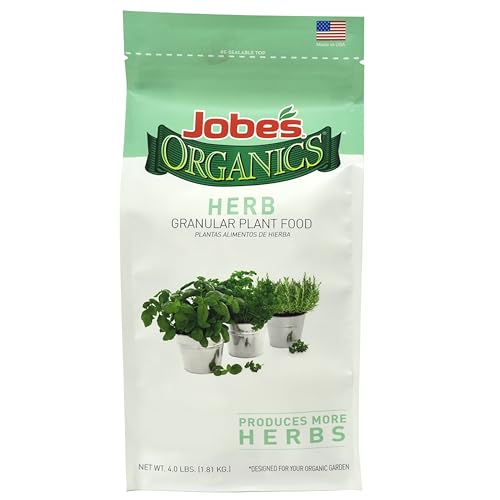
A herb-specific 4-3-3 formula that made one owner’s basil grow over three feet tall — but the smell is fierce.
Jobe’s Organics tailors the NPK specifically for herbs, which is a rare move in a market full of all-purpose blends. The 4-3-3 ratio provides enough nitrogen for leaf growth while keeping phosphorus slightly lower — a smart match for rosemary, which doesn’t need heavy fruiting or flowering support. The granules are OMRI listed for organic gardening by the USDA, meaning no synthetic chemicals touch your soil.
The results are undeniable. One first-time gardener used a quarter cup twice a week on struggling container herbs and saw basil hit three feet while mint became “invasive.” For rosemary, the slow granular release built into every 4-6 week schedule supports the steady, woody growth the plant is naturally inclined toward. The 4-pound bag is easy to measure and won’t cause runoff or mess.
The catch is the odor. It is the most-discussed aspect — the dry granules smell strongly, and several owners describe it as “stinkyyyy” or “horrid.” The smell fades a couple of days after watering in, but the bag’s scent can attract flies if left open. If you are feeding outdoor rosemary beds, this is a minor nuisance for powerful results. For an indoor countertop plant, the smell is harder to ignore.
The growth power: “This stuff is like crack for my herbs” — that energy from buyers sums up why this 4.5-star pick produces visible results fast.
The smell reality: The odor is the most-mentioned aspect and it is mixed — the smell is strong enough to notice through the packaging, so outdoor use is better.
For outdoor herb beds: If your rosemary is in the ground or a big raised bed, the 4-3-3 ratio and OMRI certification make this a top granule choice.
Avoid for the kitchen sill: The strong smell makes it tough to use indoors unless you can tolerate the odor for a few days after feeding.
6. FOOP Organic All-Purpose Liquid Plant Food (32 oz)

A fish-and-kelp liquid that delivers a broad spectrum of nutrients for a quick mid-season green-up.
FOOP’s formula covers the full organic nutrient map: fish emulsion, kelp, mycorrhizae, and fish manure deliver nitrogen, phosphorus, potassium, calcium, magnesium, and silica. The 32-ounce bottle makes 32 gallons of diluted feed when mixed at the 1:32 ratio. This is a liquid you use when your rosemary needs a visible lift — pale leaves, slowed growth, or after a rough transplant.
Customers note that cucumbers and squash bloom immediately after use, and struggling plants revive during hot summer replanting. For rosemary, the broad mineral profile — especially the calcium and magnesium — supports the kind of structure a woody perennial needs. The liquid form soaks in fast, so you see changes within a week rather than waiting for granules to break down.
The smell is a split point. Some find it “tolerable,” while others call it “dead fish” level strong. For outdoor rosemary, the odor disperses quickly after watering. For indoor use, it lingers. The cost per bottle can feel steep compared to the price of a big granular bag, but owners who need a fast-acting, broad-spectrum liquid value the results enough to recommend it.
The revival reputation: “It really stinks like dead fish but it is effective” — that honest trade-off is the buyer consensus in a nutshell.
The speed advantage: Liquid feeds are absorbed immediately, making this ideal for fixing a nutrient deficiency in a week rather than a month.
Use it for a rescue feed: When your rosemary looks sluggish despite proper watering, a dose of FOOP’s broad mineral profile can turn it around fast.
Not for a regular schedule: The fishy smell and per-bottle cost make it a better occasional tool than a weekly staple.
7. TPS Nutrients Herb Plant Food (1 Gallon)
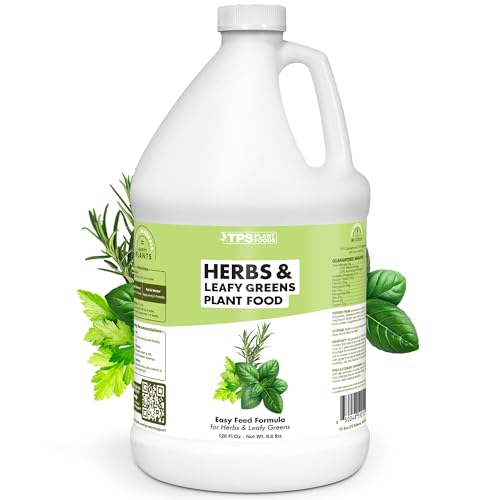
A full gallon of herb-formulated liquid designed for the gardener with a whole collection of pots and beds.
TPS Nutrients went straight for size. This is a 128-fluid-ounce jug — the biggest single container of liquid herb fertilizer in the list — with a 10-10-10 NPK that is still gentle enough for potted plants. It is made in the USA and designed specifically for edible herbs including rosemary, basil, mint, and parsley. The balanced ratio supports both leafy growth and the root system that helps rosemary survive winter.
The buyer feedback centers on effectiveness and fast results. One owner reports a basil plant “came to life in just 3 days.” Another noticed a “huge improvement in green leaves and fast growth.” The formula is organic and gives potted rosemary the gentle nutrition it needs without salt buildup — a common problem with synthetic liquid feeds in containers.
The sheer volume means you are committing to this one product for a while. The fragrance is not mentioned as a problem, which is a bonus for indoor use.
The volume advantage: Four times the size of a standard 32-ounce bottle, this jug can feed a whole container garden for several months.
The ratio note: With a 10-10-10 profile, rosemary may need a slightly weaker dilution than other herbs to maintain its preferred lean-growth habit.
Best for the serious gardener: If you grow multiple herbs in pots and want one liquid jug that covers everything from rosemary to basil, this is the most economical option.
Dilute for rosemary: Half-strength feeding works better for this Mediterranean herb — the 10-10-10 is richer than what the plant naturally craves.
8. HiThrive 16oz Liquid Fertilizer for Vegetable Garden
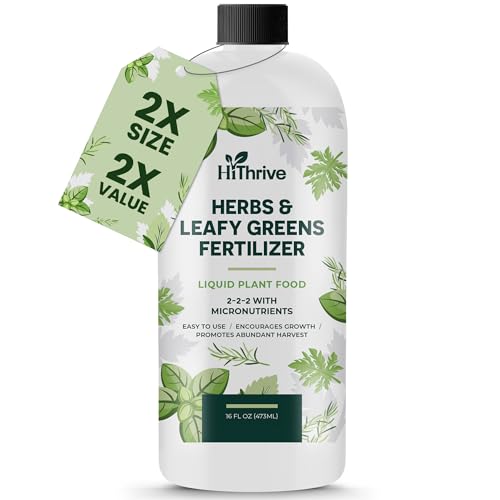
A 2-2-2 liquid so gentle you can use it on indoor pots every week without worry — and it costs less than a lunch.
HiThrive takes the lowest NPK approach on this list. With a 2-2-2 formulation, it is essentially one-tenth the concentration of a standard 20-20-20 synthetic feed. That makes it ideal for rosemary, a plant that thrives on light, consistent nutrition rather than heavy meals. The 16-ounce bottle dilutes to make 24 gallons of feed when mixed at 1 teaspoon per quart of water.
The formula includes nitrate-based nitrogen (0.28% ammoniacal), making it suitable for both soil and soilless substrates like coco coir or perlite, which some indoor herb growers use. Reviewers point out that it revived a “dead refrigerated plant” to full health, and watercress growers note it mixes colorlessly with no weird smell. For rosemary, the gentle 2-2-2 balance reduces the risk of over-fertilizing — the most common mistake new rosemary owners make.
The main limitation is value at scale. While the entry price is the lowest on the list, the 16-ounce bottle is less efficient for a large garden than the TPS gallon or the 5-pound Back to the Roots powder. But for a single rosemary plant on a windowsill, or someone who wants to try liquid feeding without a big investment, it is a risk-free starting point.
The gentleness factor: At a 2-2-2 NPK, this formula is safe for weekly use on the most sensitive rosemary plants without any risk of root burn.
The size limit: The 16-ounce bottle covers a small container collection well, but frequent use will run you out faster than a bag of granules.
Start here if you are new: The low entry cost and forgiving 2-2-2 concentration make this the safest choice for a first-time rosemary grower trying liquid feed.
Grow beyond it: Once you have a few rosemary plants and want more convenience, a granules bag or capsule option saves you time and measuring.
Understanding the Specs
NPK Ratio
This three-number code stands for nitrogen-phosphorus-potassium. For rosemary, you want a balanced or slightly lower nitrogen number — something like a 2-2-2, 4-3-3, or 5-4-5. High nitrogen (anything over 10 on the first number) pushes lots of soft, green leaves that look nice but lack that concentrated rosemary scent and can make the plant lanky.
Organic vs. Synthetic
Organic fertilizers use natural ingredients like kelp, alfalfa meal, worm castings, or seabird guano. These break down slowly and feed the soil microbes that rosemary’s roots partner with. Synthetic fertilizers work faster but can build up salts in containers, which rosemary hates. For a potted rosemary, organic is almost always the better fit.
FAQ
How often should I fertilize my rosemary plant?
Can I use a general all-purpose fertilizer on rosemary?
Is liquid or granular fertilizer better for rosemary?
What NPK ratio is best for rosemary?
Will EarthPods work for my potted rosemary?
Does rosemary need a different fertilizer when grown indoors vs outdoors?
Can I use coffee grounds or eggshells as fertilizer for rosemary?
How do I know if I am over-fertilizing my rosemary?
What is the difference between EarthPods and Jobe’s Organics for herbs?
Can I use liquid fertilizer on rosemary every time I water?
Final Thoughts: The Verdict
Across the board, the best fertilizer for rosemary plant overall is the Back to the Roots Organic All-Purpose Plant Food because its 5-pound supply of vegan-safe powder is easy to use, impossible to overfeed with, and supports the healthy, moderate growth that keeps rosemary aromatic. If you want the convenience of a no-mess, no-odor capsule that takes five seconds to use, grab the EarthPods. And for a large outdoor garden where you want to enrich the soil itself over time, the True Organic granular blend with its seabird guano and crab shell meal is the one to reach for.
How We Picked
We do not accept paid placement. Every pick is matched to a real buyer and a real use-case; we do not hands-on test units.
Sources & Methodology
Specifications: manufacturer listings and product documentation. Review insights: verified customer reviews, as of July 2026. Pricing: not shown on this page (it changes often); check the current price via the retailer link.
As an Amazon Associate, Lawn Gear Lab earns from qualifying purchases. This does not affect which products we feature.