
Specs are compiled from manufacturer listings and verified buyer reviews and can change over time — please confirm the key details on the product page before buying.
If your tomatoes taste bland or your lawn looks thin, the problem often starts in the soil — specifically, what you are feeding it. Picking a fertilizer that actually works without burning your plants or smelling up the whole yard is the real trick. The best option combines a steady, slow-release nutrient supply with ingredients you can feel good about putting on your vegetable patch.
I’m Rikta — the founder and writer behind Lawn Gear Lab. This guide is built by comparing the manufacturers’ published specifications and the patterns across verified customer reviews, so you get each pick’s real strengths and trade-offs instead of marketing spin.
Every product you will see here lists chicken manure as a core ingredient, chosen for its balanced nutrition and gentle feeding action. This is your clear path to finding the right fertilizer with chicken manure for your specific garden reality.
Our Picks at a Glance

How To Choose The Best Fertilizer With Chicken Manure
Not all chicken manure fertilizers are the same — some are designed for a quick foliar boost while others rebuild your entire soil structure over a season. The label tells you everything.
Read the NPK Ratio First
This is the three-number code on every bag (such as 3-3-4 or 7-1-1). It tells you the percentage of nitrogen (for leaves), phosphorus (for roots and flowers), and potassium (for overall health). A balanced ratio like 3-3-4 works for most vegetables, while a high-first number (7-1-1) targets leafy growth early in the season.
Consider the Form: Pellets vs Powder vs Compost
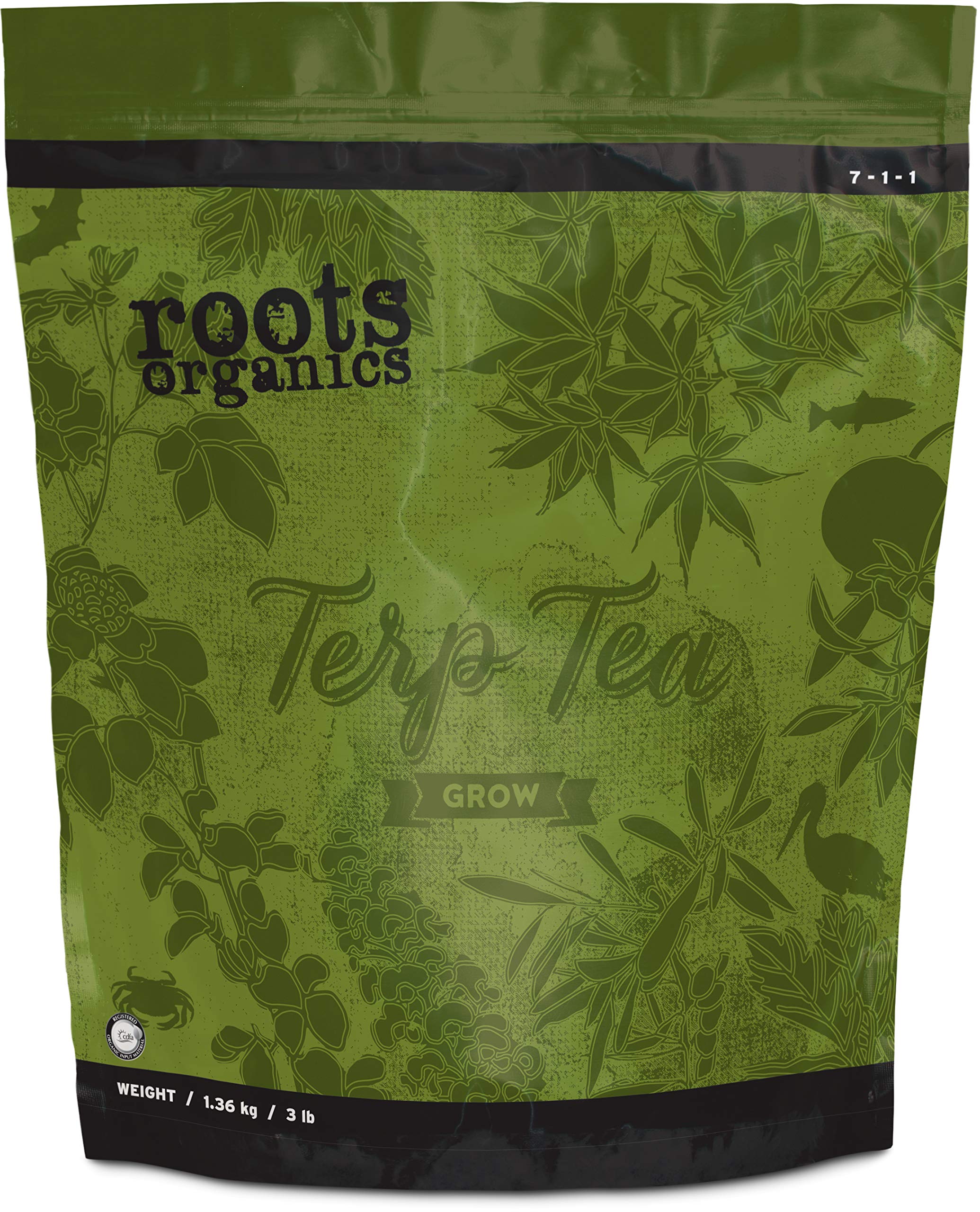
Pelleted fertilizers like the Coop Gro and Fancy Chicken options are the easiest to spread by hand or with a spreader, and they break down slowly. Powdered or micronized options, such as Roots Organics Terp Tea, dissolve in water for a quick tea that feeds roots immediately. Compost or paste forms (like Brut Organic) work as a soil amendment you mix in before planting.
Look for Added Biology
Some manufacturers include beneficial bacteria and mycorrhizal fungi in the bag. These microorganisms help roots absorb nutrients more efficiently, meaning you get more growth from less fertilizer. If you garden in poor or compacted soil, a product with these additions gives you a serious head start.
Quick Comparison
| Model | Best For | NPK Ratio | Item Weight | Form | Amazon |
|---|---|---|---|---|---|
| Roots Organics Terp Tea Grow★ Best Overall | High-yield gardens needing biology | 7-1-1 | 3.1 lb | Micronized Dry | Amazon |
| Coop Gro Organic Chicken ManureTop Performer | Balanced, easy pellet application | 3-3-4 | 6 lb | Pellets | Amazon |
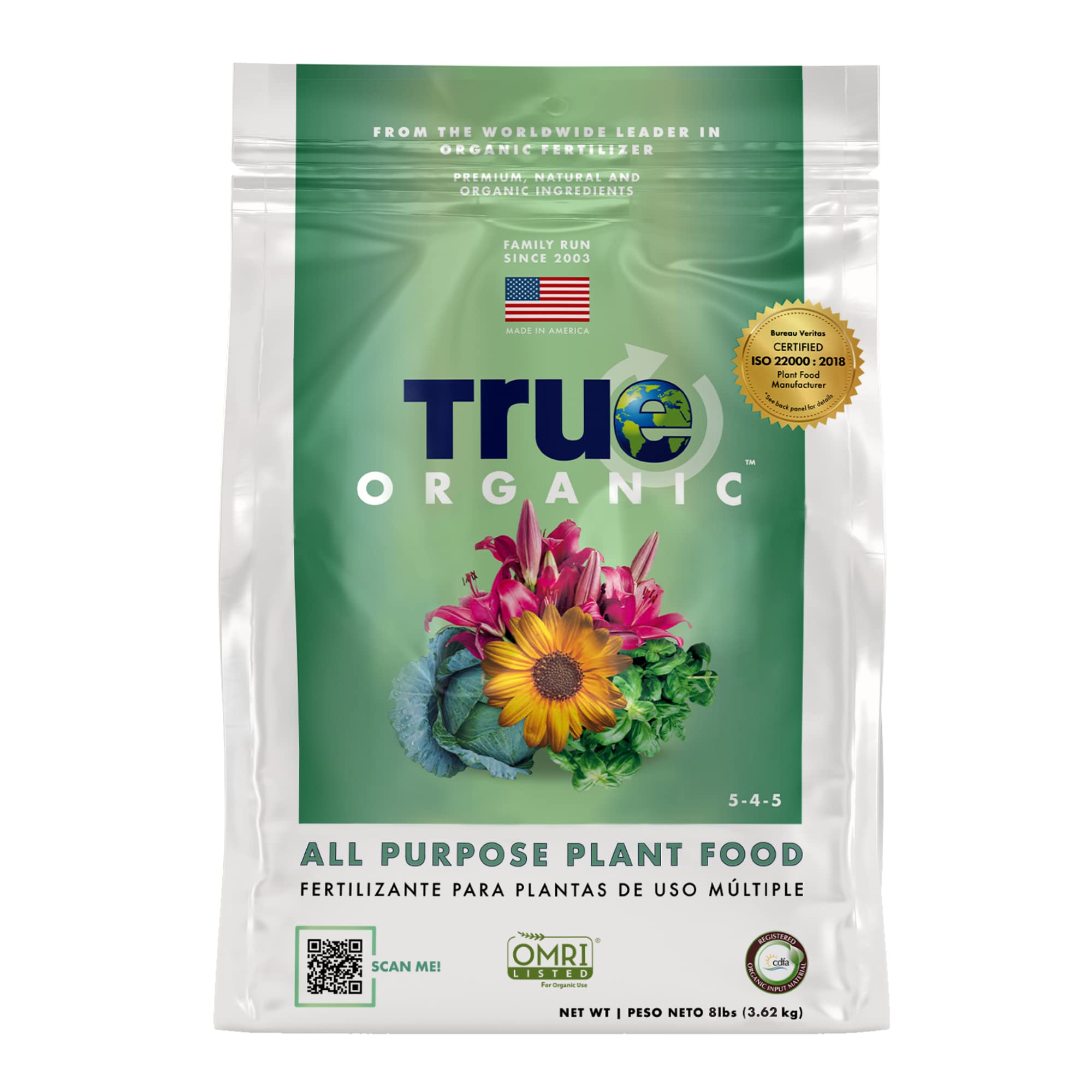
| True Organic All Purpose Plant Food | Versatile all-around garden health | 5-4-5 | 8 lb | Granules | Amazon |
| Fancy Chicken All Purpose Pelleted | Lawn and large-area feeding | 4-2.5-2 | 5 lb | Granules | Amazon |
| Brut Organic Chicken Compost | Mixing into raised beds | — | 2 kg per bag | Paste / Compost | Amazon |
In‑Depth Reviews
1. Roots Organics Terp Tea Grow
Our pick — over 4.5★ from 450+ verified ratings; the strongest balance of quality and price.
The tea that wakes up your soil biology without a whiff of manure smell.
This is the crowd favorite for a reason — it delivers a hefty 7-1-1 NPK push for leafy growth while packing in four strains of beneficial bacteria and four species of mycorrhizal fungi. That biology is what separates it from a simple manure bag; it actively helps roots open up nutrients already in the soil. Weighing just 3.1 pounds, it is also the lightest bag here (versus the 8-pound True Organic), which matters if you mix tea in a watering can rather than hauling buckets to a spreader.
Buyers report it works equally well as a top dressing, a soil amendment, or brewed into a tea. The biggest praise centres on quality — over a dozen reviews single out its consistency and results. As buyers put it, this is a “good natural boost for your garden and potted plants” with no smell during or after application. It also comes with the longest track record on this list, backed by the highest rating and over 450 owners weighing in.
The 48-ounce bag is 48 ounces versus the Coop Gro’s 96 ounces, so serious gardeners with larger plots may get through it faster. For container gardening, small raised beds, or anyone who wants to wake up their soil biology first, this is the clear winner.
What Wins People Over
- Rich microbial package — four bacteria + four fungi strains per scoop
- Odorless application, even when brewed as a tea
- Versatile use as top dressing, tea, or soil amendment
The Honest Trade-Off
- Smaller bag size (48 oz) limits coverage on large lawns
- Requires pH balancing if used as a base in a brew system
Reach for it if: you want the most biologically active fertilizer for pots, raised beds, and any garden where soil health matters more than sheer volume.
Look elsewhere if: you need to cover 200-plus square feet in a single application without remixing.
2. Coop Gro Organic Chicken Manure Fertilizer
A family-farm pellet that feeds for weeks without a single burn spot.
This is the pick if you want a low-maintenance slow-release routine. The 3-3-4 NPK is perfectly balanced for vegetables, flower beds, and shrubs, and the pellet form means you do not need to measure precisely. A single 6-pound bag covers up to 200 square feet — roughly a medium-sized raised bed or a modest flower garden. The fermentation process the makers use creates a gentle release, so the nitrogen does not hit roots all at once.
Every owner comment points to the same result: plants perk up quickly without chemical shock. One gardener who used it in a raised bed said it “has worked great” and plans to repurchase. The resealable, water-resistant bag is a thoughtful touch for storing leftover pellets between seasons. It is also OMRI certified for organic production and comes from a Georgia farm that raises the chickens itself.
The biggest compliment buyers give is that it feels natural and effective — no synthetic shortcuts, just consistent feeding. It is also safe around pets and children once watered in, and the odor is low enough to use without gloves.
Family-Run Reliability: This is the only fertilizer here where the farm-to-bag chain is vertically integrated — the same family that raises the birds processes the litter. That traceability is a rare find at this tier.
Best for: gardeners who want a true pellet slow-release that you can broadcast by hand and trust not to burn, especially for vegetables and raised beds.
The catch: the 86 reviews are a smaller sample than the top pick, and while the feedback is uniformly positive, the long-term track record is shorter.
3. True Organic All Purpose Plant Food
The biggest bag with the most flexible NPK for every plant type you own.
At 8 pounds, this is the heaviest bag on the list and covers 174 square feet per application. The 5-4-5 NPK sits right in the middle — lower nitrogen than the Terp Tea but more balanced for flowering and fruiting. It includes seabird guano, shrimp and crab shell meal, soybean meal, and fish bone meal alongside the chicken manure, which gives it a broader nutrient profile than single-source products.
The feedback is striking: 44 owners call out its effectiveness, and 24 specifically mention improved plant growth. One long-time gardener switched from cow manure and called this “the best organic fertilizer I have used, the best any fertilizer I’ve used.” Plants reportedly grow “HUGE” with a monthly application. It works well for both indoor and outdoor plants, and the granular form is simple to sprinkle around stems or mix into container soil.
The honest downside is the smell — the odor is the most-mentioned mixed aspect by a wide margin (40 mentions). It is a strong fish-and-manure scent during application that fades after watering, but if you are sensitive to smells, you want to mix this outside. For the price per pound and the proven results, this remains a top contender for general garden feeding.
Why Buyers Stick With It
- Largest volume at 8 lb — covers 174 sq ft per bag
- Broad organic blend from five different natural sources
- Works for hydroponic, container, and in-ground gardens
The Thing to Know
- Strong smell during application (fades after watering)
- Monthly application schedule needed through growing season
Grab this if: you have a mix of vegetables, flowers, herbs, and houseplants and want one bag that handles all of them.
Pass if: you are extremely smell-sensitive or need a zero-odor product for indoor potting.
4. Fancy Chicken All Purpose Pelleted Organic

The dehydrated pellet that covers a lawn patch without the chemical aftertaste.
This 4-2.5-2 NPK skews slightly lean on phosphorus and potassium compared to the Coop Gro, which makes it a better fit for leafy greens, lawns, and crops where you want to avoid excessive flowering weight. The 5-pound bag covers an eye-catching 300 to 500 square feet — nearly double the coverage of the Coop Gro per pound — because the formula is concentrated enough to go further.
First-time chicken manure users are often pleasantly surprised. One first-season gardener tried it on a recommendation and reported it “is not too stinky, it spreads easily, and my plants flourished.” The dehydrated pellet form is designed to be spread by hand, hand spreader, or push spreader, and it will not burn leaves or roots even in direct contact. The manufacturer also says it is safe around children, pets, and wildlife once watered in.
An honesty note: reviewers mention the granules can be dusty when dry, so open the bag outdoors and wear a mask if you are sensitive to particles. A few owners wish the bag were larger, but for covering a lawn strip or a big vegetable patch without spending a fortune, this delivers solid results.
The Verdict in a Line: The most square-footage per bag and the lowest odor complaints make this the pick for lawn feeding and large garden beds where spreading speed matters.
Reach for it if: you need to cover a large lawn area or big garden patch and want a no-burn pellet you can toss with a spreader.
Skip if: you need a super-fine powder for tea brewing or a high-phosphorus formula for heavy blooming.
5. Brut Organic Chicken Compost

A paste-style compost that mixes into beds with zero manure odor.
This is a different beast from the others — it comes as a paste (1 cubic foot per bag, 2 kg each) rather than dry pellets or powder. You work it into the soil as a compost amendment, not a surface fertilizer. The texture is clumpy and not fine, which some owners mix with worm castings for a richer blend. It is also completely odorless according to the most common feedback, which is a huge plus if you garden near a patio or kitchen door.
Buyers consistently praise how it improves soil absorption and helps plants grow strong. One owner put it around corn stalks and “watched them flourish,” even noting the stalks survived a wind and rain storm thanks to the root strength. The fact that it is ready to use right away with no curing or composting wait is a time-saver for spring planting.
The recurring note is about consistency — some reviewers found too much mulch or small rocks mixed in, and a few felt the actual product did not match the picture. It is also the priciest option per bag given the paste form. For gardeners who want a true soil builder, not just a surface feed, and who prioritize odorless application above all, this fills a specific niche well.
What Makes It Unique
- Zero odor — the most smell-sensitive gardeners will appreciate this
- Ready-to-use compost texture, no waiting or pre-mixing needed
- Builds long-term soil structure and water retention
The Reality Check
- Clumpy paste form is harder to spread evenly on lawns
- Some bags contain mulch and rocks, requiring sifting
Best for: raised beds and garden patches where you are mixing into the soil before planting and you refuse to deal with manure smell.
Not for: quick top-dressing or lawn broadcasting — the paste form is too heavy for a spreader.
Understanding the Specs
NPK Ratio (Nitrogen-Phosphorus-Potassium)
This is the three-number code on every bag. The first number (nitrogen) drives leaf and stem growth — a high number like 7 is good for leafy greens and early-season growth. The second (phosphorus) supports root development and flowers, and the third (potassium) helps overall plant health and disease resistance. A balanced ratio like 3-3-4 or 5-4-5 works for general vegetable gardens and flowers. The right number depends on what you are growing and the season.
Form: Pellets vs Granules vs Compost
Pellets and granules (dry, hard bits) are the easiest to spread and break down slowly over weeks. Micronized powders dissolve in water for a fast-acting tea you pour at the roots. Compost or paste forms are meant to be mixed into the soil before planting — they improve the soil structure and water retention rather than feeding the plant immediately. Your choice depends on if you want a quick boost (tea), steady feeding (pellets), or long-term soil building (compost).
Slow-Release Nitrogen
Raw manure can burn plant roots if applied fresh because the nitrogen is immediately available. A slow-release process (fermentation, pelleting, or composting) converts that nitrogen into a form that releases gradually over several weeks. This prevents leaf burn and gives you a steady supply of nutrients rather than a shock-and-recover cycle. Every product on this list uses some form of processing to achieve safe, gentle feeding.
Beneficial Bacteria and Mycorrhizae
Some fertilizers add live microorganisms to the bag. Bacteria (like Bacillus subtilis) help break down organic matter in the soil so roots can access it. Mycorrhizal fungi attach to roots and extend their reach, pulling water and minerals from a larger area. If your soil is compacted or low in organic matter, a product with these added microbes can make a noticeable difference in plant growth without you having to change anything else.
FAQ
Is chicken manure fertilizer safe for vegetable gardens?
How long does it take for chicken manure pellets to break down in soil?
Does chicken manure fertilizer smell bad?
What is the difference between 3-3-4 and 7-1-1 NPK ratios?
Can I use chicken manure fertilizer on my lawn?
How often should I apply chicken manure fertilizer?
Is it safe around pets and children?
Can I mix chicken manure fertilizer with water to make tea?
Will chicken manure fertilizer burn my plants?
How much area does a 5-pound bag cover?
Final Thoughts: The Verdict
Across the board, the best fertilizer with chicken manure is the Roots Organics Terp Tea Grow because it packs the most biological activity per pound with a 7-1-1 NPK (nitrogen-phosphorus-potassium ratio) that fuels serious leafy growth — and it does it all without any manure smell. If you prefer an easy slow-release pellet you can broadcast over a 200-square-foot bed, grab the Coop Gro Organic Chicken Manure Fertilizer. And if you need the most coverage for the money with a balanced 5-4-5 formula, the True Organic All Purpose Plant Food is the one to reach for.
How We Picked
We do not accept paid placement. Every pick is matched to a real buyer and a real use-case; we do not hands-on test units.
Sources & Methodology
Specifications: manufacturer listings and product documentation. Review insights: verified customer reviews, as of July 2026. Pricing: not shown on this page (it changes often); check the current price via the retailer link.
As an Amazon Associate, Lawn Gear Lab earns from qualifying purchases. This does not affect which products we feature.