
Specs are compiled from manufacturer listings and verified buyer reviews and can change over time — please confirm the key details on the product page before buying.
The promise of a single giant bag of garden soil is simple: one trip, one fill, and suddenly your raised beds are deep enough for tomatoes and your containers have the weight to anchor a sunflower. But the reality often involves hidden wood chips, soggy roots, or soil that dries into concrete by July. This guide cuts through the marketing to find the bags that actually grow things.
I’m Rikta — the founder and writer behind Lawn Gear Lab. This guide is built by comparing the manufacturers’ published specifications and the patterns across verified customer reviews, so you get each pick’s real strengths and trade-offs instead of marketing spin.
You need soil that holds moisture without turning into a swamp, feeds your plants without burning them, and comes in a size that actually fills your garden beds. Here is exactly how to find the best large bags of garden soil for your next planting project.
Our Picks at a Glance

How To Choose The Best Large Bags Of Garden Soil
The biggest mistake is grabbing the cheapest bag without checking what is inside. The material — whether it is peat moss, composted bark, worm castings, or coconut coir — determines how often you water, how much fertilizer you need, and whether your plants thrive or just survive.
Weight vs. Volume: The First Reality Check
A bag labeled 2 cubic feet might weigh 40 pounds or 20 pounds, depending on whether it is packed with wet peat or dry perlite. Heavier bags generally mean more mineral content and denser soil, which is great for raised beds that need mass. Lighter bags are easier to carry but may need more frequent watering in hot weather.
Organic Certification and Ingredients
An OMRI-listed bag means the ingredients have been checked against organic standards. But look deeper: worm castings, mycorrhizae, kelp meal, and biochar are signs of a living soil that feeds itself. A bag that lists only “forest products” or “composted materials” is usually just shredded bark with little nutritional value.
Drainage and Aeration for Different Gardens
Raised beds need a different texture than containers. Soil that holds water like a sponge suffocates the roots of tomatoes and peppers, while soil that drains too fast forces you to water daily. Perlite, pumice, and coarse sand are the ingredients that keep the air flowing around roots.
Quick Comparison
| Model | Best For | Volume | Weight | Key Ingredient | Amazon |
|---|---|---|---|---|---|
| Coast of Maine Castine Blend★ Best Overall | Nutrient-rich raised beds | 2 cu ft | 40.3 lb | Worm castings, biochar | Amazon |
| Michigan Peat BACCTOBest Value | General all-purpose potting | — | 50 lb | Reed sedge peat, perlite | Amazon |
| Brut Organic Potting SoilTop Performer | Indoor and outdoor containers | 1 cu ft (21 qt) | — | Worm castings, trace minerals | Amazon |
| Espoma Organic Potting Mix | Versatile organic containers | 2 cu ft | — | Peat moss, humus, perlite | Amazon |
| Espoma Organic Garden Soil | In-ground vegetable gardens | 1 cu ft (2-pack) | — | Earthworm castings | Amazon |
| Sun Gro Black Gold | All-purpose organic gardening | 2 cu ft | — | Earthworm castings, peat moss | Amazon |
| Wiggle Worm Castings | Soil amendment and fertilizer | — | 40 lb | Pure worm castings + eggs | Amazon |
| Miracle-Gro Moisture Control | Container plants, moisture regulation | 2 cu ft | 40.5 lb | AquaCoir formula | Amazon |
| Roots Organics Coco Fiber | Hydroponic and high-yield containers | 1.5 cu ft (2-pack) | — | Coco fiber, bat guano | Amazon |
In‑Depth Reviews
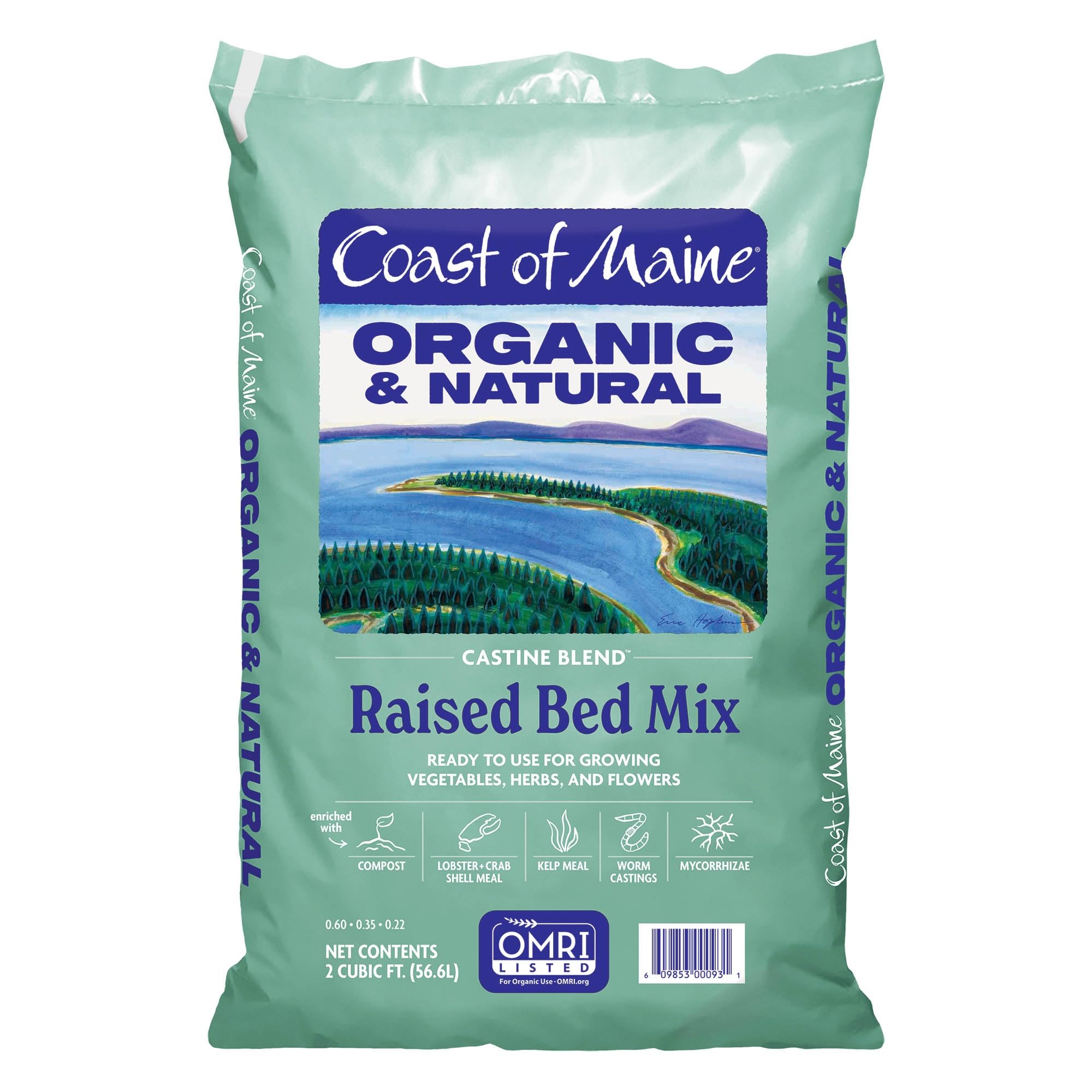
1. Coast of Maine Organic & Natural Castine Blend Soil
Our pick — over 4.5★ from 400+ verified ratings; the strongest balance of quality and price.
The dark, rich blend that raised beds dream about.
This is the bag you open and immediately understand why it costs more. The Castine Blend is built around worm castings, mycorrhizae, biochar, green sand, kelp meal, and lobster and crab shell meal — a lineup that reads like a soil nutritionist’s grocery list. It is ready to use straight from the bag, and buyers report it loosens existing soil in raised beds while feeding plants for an entire season. Owners mention “I did grow some pretty awesome tomatoes and sunflowers!” with this stuff, and the texture is consistently described as soft, fluffy, and well-draining. At 40.3 pounds for 2 cubic feet, it is noticeably lighter than the general-purpose Michigan Peat bag at 50 pounds for a comparable volume, meaning less mineral density and more air.
The crowd favorite here is the soil quality — that is the most-praised aspect, and the feedback on plant growth is right behind it. A long-time user says it is the only soil they have used for three years in improve beds. The few complaints are about value — it is not cheap — and occasional debris, though most bags arrive as “dark, rich, soft dirt” with no twigs or bugs.
What Wins People Over
- Loaded with organic nutrients: worm castings, kelp, lobster shell, mycorrhizae
- Soft, fluffy texture that aerates compacted beds
- Ready to use with no mixing required
The Honest Trade-Off
- Premium price — some owners feel it is expensive for the volume
- Occasional bags contain small debris or wood bits
Reach for this if: you want a truly living, nutrient-dense soil for raised beds or containers and are willing to pay for ingredients that feed plants without synthetic fertilizers.
Think twice if: your budget is tight or you need to fill a very large area — the price per cubic foot is higher than generic mixes.
2. Michigan Peat General All Purpose Premium Potting Soil (BACCTO)
The old-school heavyweight that keeps gardeners coming back for decades.
This is the bag your grandfather probably used. Michigan Peat’s BACCTO formula is a straightforward blend of reed sedge peat, perlite, and sand with starter and slow-release fertilizers mixed in. It is ready to go straight from the bag and works for pots, planters, raised beds, and containers. The weight is the story here — at 50 pounds you feel every pound, but that mass translates into a dense, moisture-retentive soil that holds plants steady. Gardeners with 50+ years of experience call it “the best potting soil we have found,” and the most-praised aspect is quality, with value for money running a close second.
The main caveat is moisture retention — some owners find it holds too much water, and the consistency can be dense and compact. It arrives moist, which is fine for planting but means the bag is heavy to move. If you are filling a few large containers or a small raised bed, this is the most economical way to get a proven mix. Just be ready to add extra perlite if your plants like sharper drainage.
Why It’s a Bargain
- 50 pounds of soil for a very low cost per pound
- Includes starter and slow-release fertilizers
- Proven formula — gardeners have used it for decades
The Catch
- Can hold too much moisture for some plants
- Heavy and dense — not ideal for seedlings without amendments
Grab this for: filling large raised beds or potting up established plants on a budget where proven reliability matters more than exotic ingredients.
Look elsewhere if: you need a light, fluffy mix for seedlings or you struggle with overwatering in containers.
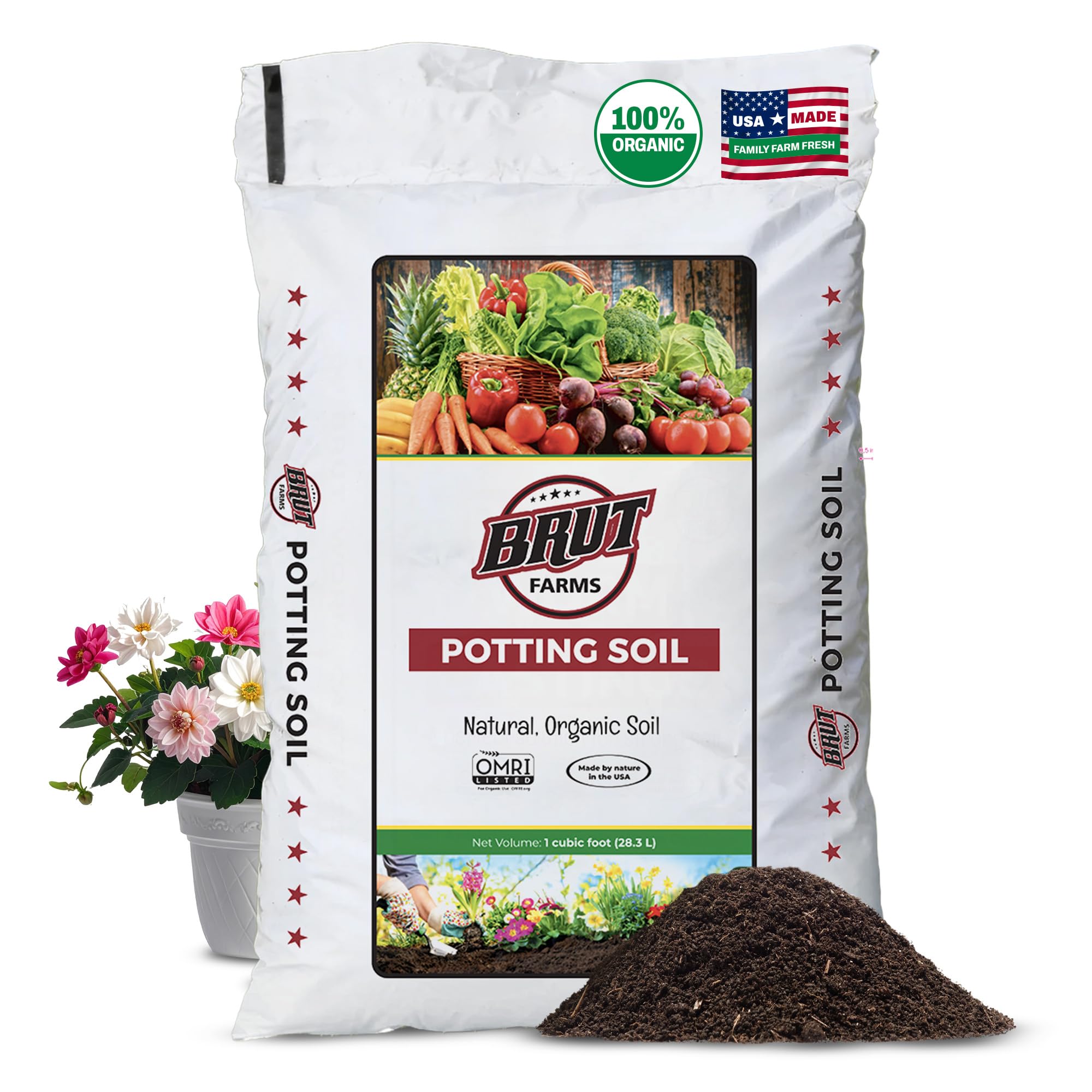
3. Brut Organic Potting Soil
An organic powerhouse that turns plants dark green in days.
Brut is a smaller bag — 1 cubic foot — but it is packed with microbe-rich worm castings, Azomite, and kelp. The OMRI listing means it is certified for organic gardening, and the pH is naturally balanced between 6.3 and 6.5, which covers most vegetables and flowers. The most-praised aspect is soil quality, with owners describing the color as “black gold” and reporting rapid deep greening after application. One buyer’s citrus and cherry trees showed new growth in just two days.
The honest trade-off is the price — it is expensive for the volume, and the organic ingredients can attract flies if left open outdoors. A few owners also reported minor bug issues, though others had none. This is a precision soil for container gardening where you want maximum nutrition in a small space.
Best for containers: the nutrient density is perfect for pots where you cannot rely on in-ground soil — use it for your prize tomatoes, herbs, and houseplants.
Not for large beds: the bag is small and the price adds up fast if you are filling a 4×8 raised bed.
Choose this if: you want organic-certified, filler-free soil with a proven track record for indoor plants, seedlings, and container vegetables.
skip it if: you need to fill a large garden bed — the cost per cubic foot is too high for bulk work.
4. Espoma Organic Potting Soil Mix

The organic workhorse that handles everything from herbs to houseplants.
Espoma is a name gardeners trust, and this 2-cubic-foot bag is their all-purpose organic mix. It combines sphagnum peat moss, humus, and perlite with earthworm castings, alfalfa meal, kelp meal, and feather meal. The added Myco-Tone — a proprietary blend of endo and ecto mycorrhizae — helps roots absorb nutrients more efficiently. The most-praised aspect is quality, with versatility trailing close behind. Owners say it works for vegetables, herbs, flowers, and houseplants without getting dense or crusty.
The mixed feedback centers on ingredients — some bags have very little perlite, and a few owners reported bug issues. The price also gets mixed reviews: some find it expensive, while others say it is worth it for the results. If you want one bag that does everything reasonably well, this is it.
Use for: transplanting sentimental houseplants, starting vegetable containers, or mixing with your native soil for a nutrient boost.
Watch for: inconsistent perlite content — you might want to add extra for plants that demand sharp drainage.
Reach for this if: you want a single organic mix for your entire collection of containers and in-ground plantings.
Think twice if: you have had problems with fungus gnats in bagged soil — a small number of owners reported infestations.
5. Espoma Organic Vegetable & Flower Garden Soil

Designed for mixing with your native dirt, not replacing it.
This is a different tool than the other bags here. Espoma’s Vegetable & Flower Garden Soil is meant to be mixed with your existing native soil when planting or transplanting, not used as a standalone potting mix. It comes enriched with earthworm castings and natural ingredients, and the 2-pack gives you two 1-cubic-foot bags. The most-praised aspects are soil quality and plant health, with owners reporting excellent results for tomatoes, beans, corn, garlic, and flowers since 2022. One buyer says “Mushrooms indicate healthy soil” after using it.
The downsides are a matter of expectation: it contains noticeable wood pieces (more than some like), and a few owners reported gnats. This is not a precision mix — it is a soil amendment for making your garden dirt better.
Best for: mixing into your native garden soil to improve texture and add organic nutrients for vegetables and flowers.
Not a potting mix: do not use it straight in containers without adding perlite or bark for drainage.
Choose this if: you have decent native soil that just needs a boost of organic matter for your vegetable patch or flower beds.
pass on it if: you are filling containers or raised beds from scratch — you want a complete potting mix, not an amendment.
6. Sun Gro Black Gold Natural and Organic Soil

The living soil that smells as good as it grows.
Sun Gro’s Black Gold is a 100% organic potting mix built from screened earthworm castings, Canadian sphagnum peat moss, and a blend of perlite and pumice for aeration. Owners describe it as “nice and fluffy” with a rich, earthy smell. The quality is the most-praised aspect, and buyers consistently report that their plants — basil, lettuce, tomatoes — thrive in urban container gardens. One long-time user says it stays light and fluffy for years, and the beneficial bacteria mean you are getting a living product, not dead dirt.
The catch is a known issue with fungus gnats — several owners note they appear in the bag. The fix is straightforward: treat with mosquito bits (BT bacteria) before planting. A few also find it pricey at full retail, but worth it when on sale.
Best for: container gardens where you want a living, organic soil that stays aerated for multiple seasons.
Plan for gnats: pre-treat the bag with mosquito bits before use to avoid a common issue with high-organic soils.
Reach for this if: you are setting up urban container gardens and want a premium organic mix that smells and feels like healthy earth.
Think twice if: you have no tolerance for any bug activity — the organic ingredients can attract fungus gnats in humid conditions.
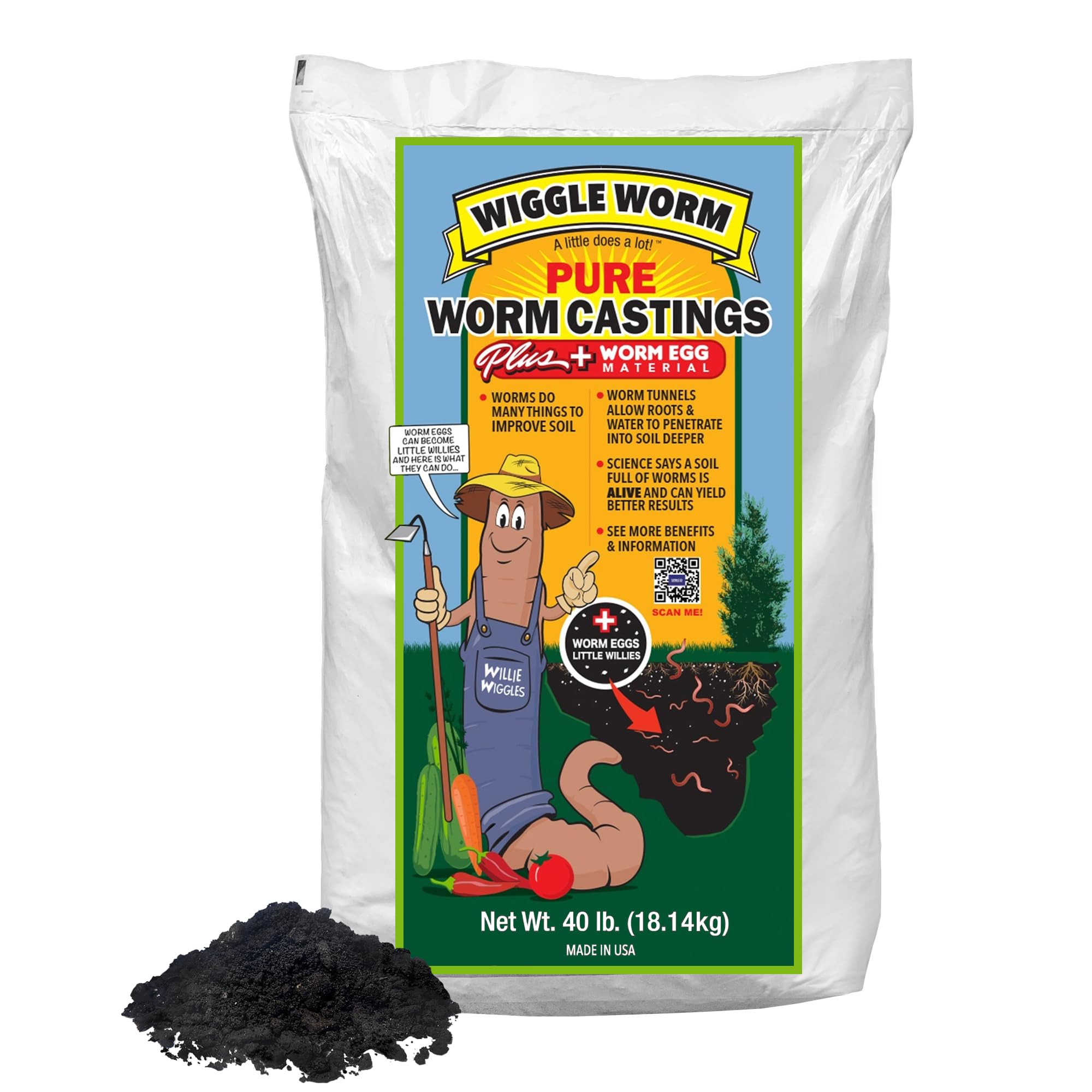
7. Wiggle Worm 100% Pure Worm Castings
Not a soil by itself — but the single best thing you can add to your soil.
Wiggle Worm is different from every other product here. It is a 40-pound bag of 100% pure worm castings mixed with worm egg material — think of it as a concentrated soil amendment, not a standalone potting mix. You mix it into your existing soil by the handful, and the microbial activity takes over. The quality is the most-praised aspect by a wide margin, with owners calling it “my most important garden staple.” The worm eggs are a bonus — they may hatch in your garden, and live worms will continue to aerate the soil and produce more castings.
The mixed feedback is about the contents: while many bags arrive clean and finely textured, others contain small rocks, wood chips, and debris. The product specifically warns about this. And it is not a replacement for potting soil — you need a base mix to add it to.
What Makes It Special
- Concentrated organic amendment — a little goes a long way
- Worm eggs can hatch and create a self-sustaining soil system
- Odorless, clean, and easy to mix into any soil
The Reality
- Not a standalone potting mix — you still need a base soil
- Some bags contain debris (rocks, wood chips) from the sifting process
Use this with: any existing potting mix or garden soil to boost microbial life, improve drainage, and feed plants without risk of burning roots.
Do not use alone: castings are a supplement, not a growing medium — mix at a ratio of about 1 part castings to 3-4 parts base soil.
8. Miracle-Gro Moisture Control Potting Mix

The forgiving mix that catches every watering mistake.
This is the bag for people who sometimes forget to water — or who water too much. Miracle-Gro’s Moisture Control formula uses an exclusive AquaCoir blend that absorbs up to 33% more water than basic potting soil and protects against both over- and under-watering. It feeds plants for up to 6 months and claims to grow plants twice as big as unfed plants. The 2-cubic-foot bag weighs 40.5 pounds and is designed for all container plants, including flowers, vegetables, annuals, perennials, and shrubs. The quality is the most-praised aspect, with owners reporting near-100% germination rates for seeds started in this mix.
The moisture retention is actually the dividing line — some owners say the soil stays soaked for up to 8 days, which is great for drought-prone gardeners but too wet for plants that need sharp drainage. A few bags also arrive dry, and pest resistance gets mixed reviews.
Perfect for: container plants where you want a safety net against underwatering, or for starting seeds in a short growing season.
Not for succulents: anything that needs fast-draining, dry soil will struggle in this moisture-retentive mix.
Choose this if: you are a container gardener who wants consistent moisture and built-in feeding for up to 6 months.
it’s not for you if: you grow cacti, succulents, or any plant that demands the soil dry out completely between waterings.
9. Roots Organics Coco Fiber-Based Potting Soil

The coco-based mix that drains fast and grows strong.
Roots Organics is built on coco fiber, not peat, which means it drains water quickly while still holding moisture for days. The ingredient list is aggressive: bat guano, earthworm castings, fishbone meal, feather meal, Green Sand, mycorrhizae, Glacial Rock Dust, soybeans, and humic acid. The 2-pack gives you two 1.5-cubic-foot bags (10 gallons each) ready to grow — just poke holes in the bottom, cut off the top, and plant. The quality is the most-praised aspect, and consistency is second — owners note it is more reliable than Fox Farm Ocean Forest, with no gnat problems. The coco fibers are repeatedly washed for an incredibly low EC (electrical conductivity), meaning no salt buildup to harm young plants.
The trade-off is the price — it is the most expensive option here, and a few recent bags have contained more rocks than usual. The value for money gets mixed reviews, but long-time users say it is worth it for the results.
Best for: serious container growers who want a fast-draining, nutrient-rich soil that can carry plants for 5+ weeks without additional fertilizer.
Not for casual use: the price and specialized formula make it overkill for a few flower pots on the balcony.
Reach for this if: you are growing high-yield vegetables, herbs, or flowers in containers and want a soil that drains fast and feeds hard.
Think twice if: you are on a tight budget or only need a small amount of soil for a single plant.
Understanding the Specs
Volume vs. Weight
A bag that says 2 cubic feet is a standard size for large garden soil bags, but the actual weight varies a lot based on moisture content and ingredients. A 40-pound bag of dense peat-based soil will feel very different from a 20-pound bag of fluffy coco coir. For raised beds, heavier is often better because it holds structure. For container gardening, lighter is easier to move and mix.
Organic Ingredients
Look for specific names like “earthworm castings,” “mycorrhizae,” “kelp meal,” “bat guano,” or “biochar.” These are active ingredients that feed the soil food web. Vague terms like “composted forest products” usually mean shredded bark with little nutritional value — the plants will need regular fertilizer.
FAQ
How many cubic feet do I need for a 4×8 raised bed?
Can I use potting mix in an in-ground garden?
What is the difference between potting soil and garden soil?
How do I store an opened bag of garden soil?
Why does my bag of soil have fungus gnats?
Should I add fertilizer to these large bags of soil?
Can I reuse bagged garden soil from last year?
What does OMRI-listed mean?
How do I prevent soil from compacting in raised beds?
Final Thoughts: The Verdict
For most gardeners, the clear winner among large bags of garden soil is the Coast of Maine Castine Blend because it delivers a truly nutrient-dense, living soil that owners praise for its quality and plant growth results. If you want the most soil for your dollar, the Michigan Peat BACCTO at 50 pounds is a proven workhorse that gardeners have trusted for decades. And for container growers who need fast drainage and rich organic ingredients, the Roots Organics Coco Fiber mix is the one to reach for — it drains like a dream and feeds plants for weeks without additional fertilizer.
How We Picked
We do not accept paid placement. Every pick is matched to a real buyer and a real use-case; we do not hands-on test units.
Sources & Methodology
Specifications: manufacturer listings and product documentation. Review insights: verified customer reviews, as of July 2026. Pricing: not shown on this page (it changes often); check the current price via the retailer link.
As an Amazon Associate, Lawn Gear Lab earns from qualifying purchases. This does not affect which products we feature.