
Specs are compiled from manufacturer listings and verified buyer reviews and can change over time — please confirm the key details on the product page before buying.
Picking the right plant food feels like a chemistry exam nobody warned you about. The two big letters on the bag — phosphorus and nitrogen — are what drive leaves, roots, and flowers, but getting the balance wrong can scorch your tomatoes or starve your lawn. This guide walks through nine top-rated options that actually deliver on those front-of-bag promises, so your garden gets what it needs without guesswork.
I’m Rikta — the founder and writer behind Lawn Gear Lab. This guide is built by comparing the manufacturers’ published specifications and the patterns across verified customer reviews, so you get each pick’s real strengths and trade-offs instead of marketing spin.
From all-purpose water-soluble blends to organic bone meals and fish emulsions, here is your clear path to the best fertilizer with phosphorus and nitrogen for whatever you are growing.
Our Picks at a Glance

How To Choose The Best Fertilizer With Phosphorus And Nitrogen
You will see three bold numbers on every bag or bottle — that is the NPK value: Nitrogen (N) feeds leafy green growth, Phosphorus (P) builds roots and blooms, and Potassium (K) supports overall plant health. Your choice depends on what you are growing and how fast you want results.
Match the NPK to the job
A lawn starter pushes a high middle number, like 20-27-5, to get roots established fast. A balanced all-purpose feed such as 24-8-16 works for everything from houseplants to vegetable beds. An organic bloom booster with a 4-12-0 or 6-14-0 formula provides lots of phosphorus for flowers without overwhelming the plant with nitrogen.
Fast liquid or slow granules
Water-soluble powders and liquid emulsions get into the soil immediately — great for a quick green-up on a struggling plant. Granular organics such as bone meal or 4-4-4 blends break down over weeks, feeding steadily. If you tend to forget your schedule, slow-release is safer; if you like to see results in days, pick a soluble mix.
Organic vs synthetic
Synthetic formulas like 20-20-20 or 24-8-16 deliver nutrients in a precise, instantly available salt form. Organics from fish, bone, or compost feed the soil microbes that then feed the plant. Both work; the organic route is gentler on soil biology and less likely to burn, while synthetics give you rapid, measurable control.
Quick Comparison
| Model | Best For | NPK Ratio | Form | Weight | Amazon |
|---|---|---|---|---|---|
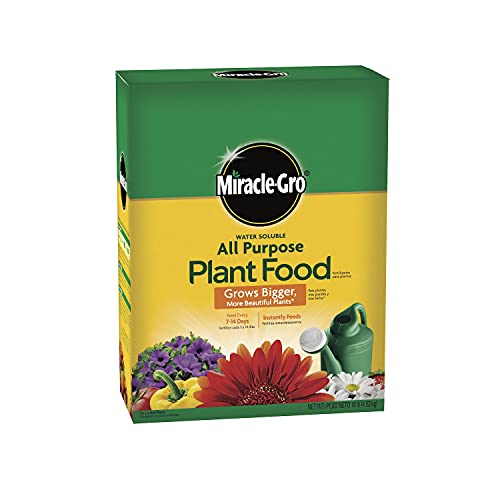
| Miracle-Gro All Purpose★ Best Overall | All-around feeding speed | 24-8-16 | Water-soluble powder | 10 lb | Amazon |
| FoxFarm Happy FrogTop Performer | Tomato and vegetable health | 5-7-3 | Granules | 4 lb | Amazon |
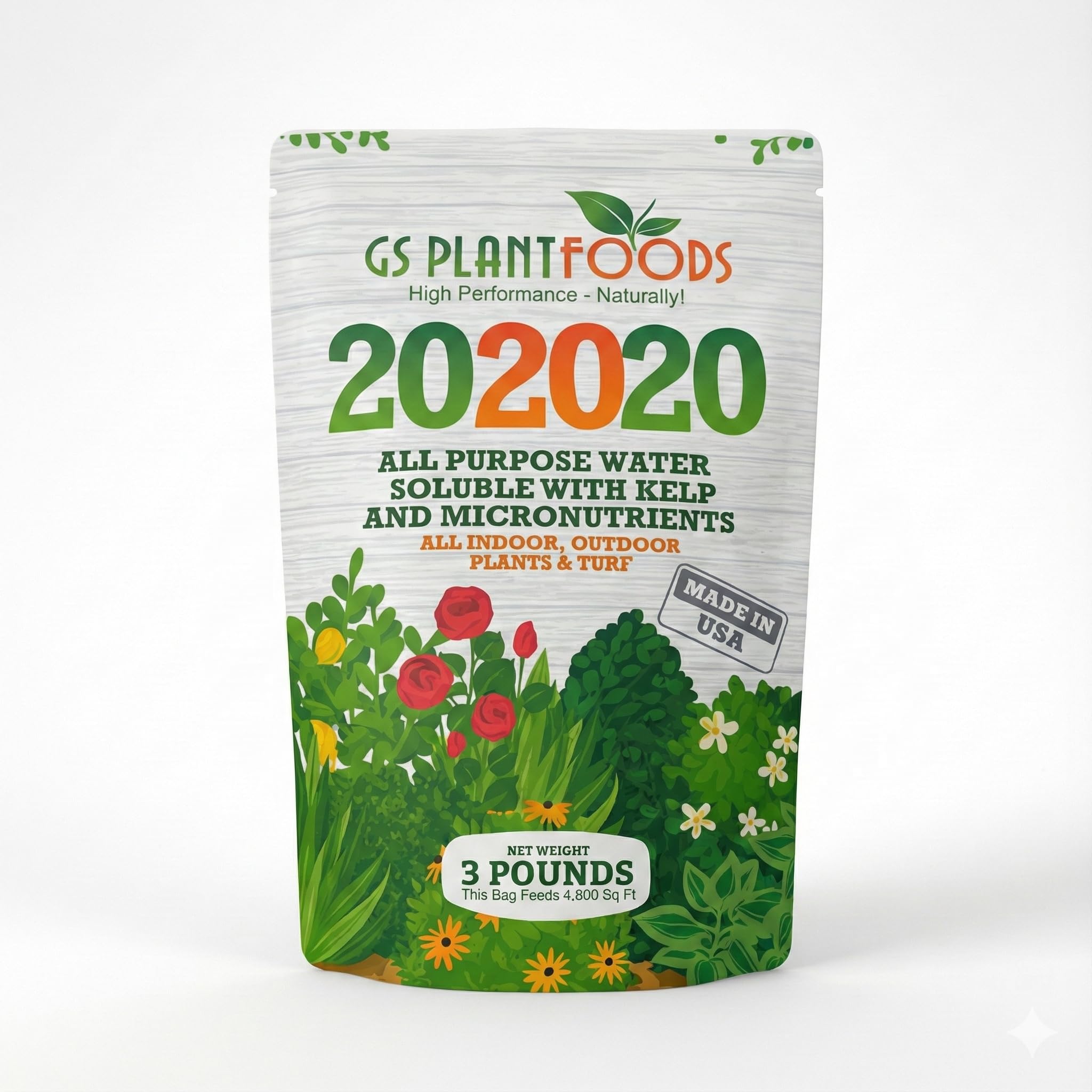
| GS Plant Foods 20-20-20Most Versatile | Balanced quick hydration | 20-20-20 | Water-soluble powder | 3 lb | Amazon |
| The Grow Co Fish Fertilizer | Organic bloom and growth | 2-3-1 | Liquid concentrate | 128 fl oz | Amazon |
| Espoma Organic Bone Meal | Bulb and root development | 4-12-0 | Powder | 10 lb | Amazon |
| Jobe’s Organics 4-4-4 | Organic all-purpose feeding | 4-4-4 | Granules | 16 lb | Amazon |
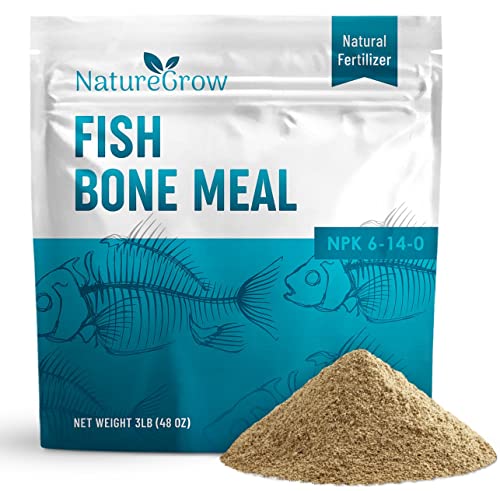
| NatureGrow Fish Bone Meal | Marine-based bloom boost | 6-14-0 | Powder | 3 lb | Amazon |
| VIVOSUN Base A & B | Hydroponic and soil feeding | Two-part concentrate | Liquid | 64 fl oz | Amazon |
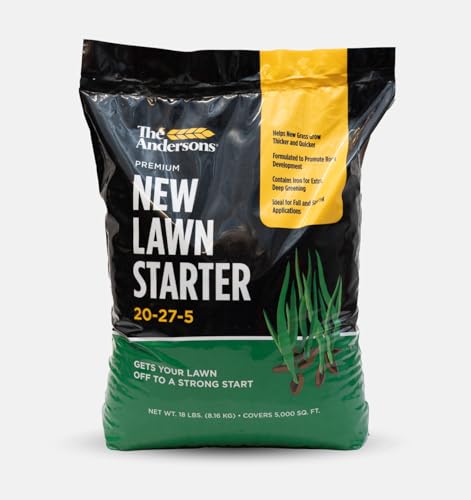
| The Andersons Lawn Starter | New lawn establishment | 20-27-5 | Granules | 18 lb | Amazon |
In‑Depth Reviews
1. Miracle-Gro Water Soluble All Purpose Plant Food, 10 lb
Our pick — over 4.5★ from 30,500+ verified ratings; the strongest balance of quality and price.
The blue granules that turned a generation of gardeners into believers — fast, measurable, and proven.
This is the benchmark for water-soluble feeding: a 24-8-16 NPK ratio that delivers nitrogen, phosphorus, and potassium to every type of plant — roses, vegetables, houseplants, trees, and shrubs. You mix half a teaspoon per gallon for indoor plants or one-and-a-half tablespoons per gallon-and-a-half for outdoor beds, and the granules dissolve instantly with no smell. The 10-pound bag covers roughly 4,000 square feet of garden area, so a single purchase lasts most of a season.
Buyers report that plants “doubled in size” with greener leaves inside a week, and the crowd-backed rating is sky-high from tens of thousands of owners. It works on everything except a few acid-loving specialists like orchids and Venus flytraps. The only real caution is the bright blue powder: it stains hands and clothing, and a breeze can blow it around while you scoop.
Why it runs the table
- Fast feeding visible within days
- Extremely high 24-8-16 NPK for quick green-up
- Economical coverage per square foot
What to watch for
- Blue powder stains hands and clothes
- Not suitable for orchids or carnivorous plants
Best for: The gardener who wants one proven product for everything — indoors and out, from tomatoes to roses.
Consider another if: You strictly garden organically and want to avoid synthetic salts.
2. FoxFarm Happy Frog Tomato & Vegetable Fertilizer, 4 lb
A 5-7-3 granular blend that puts its energy into fruit, not just foliage.
This organic formula is built for heavy feeders like tomatoes, peppers, and berries. The NPK of 5-7-3 delivers more phosphorus than nitrogen, which directly supports blossoms and fruit sets. Calcium is also included to prevent blossom end rot — the black, sunken spot that ruins a tomato harvest. Added mycorrhizal fungi in the mix boosts root efficiency so the plant pulls more water and nutrients from the soil. Owners say one application turned a struggling zucchini into a plant with many more blooms, and the stuff has no chemical or fishy odor.
The 4-pound bag is smaller than the hose-end giants, but the granular form is straightforward to work into soil at planting time. This pick runs significantly lower in overall NPK intensity than the 24-8-16 Miracle-Gro (a 4.8x gap in the N value), so it is much gentler on tender transplants. What wins people over is plant health — nearly 40 owners single out healthier plants, and you see it in the crop: bumper tomatoes and leafy peppers.
The fruits of your labor
- Calcium prevents blossom end rot naturally
- Mycorrhizal fungi improve root uptake
- No unpleasant smell during application
The trade-off
- Lower NPK means slower visible results
- Smaller bag size for larger garden beds
Reach for this if: You grow tomatoes, peppers, or berries organically and want fruit-set support without chemical burn risk.
Look elsewhere if: You need a high-nitrogen feed for leafy greens or a fast green-up on a lawn.
3. GS Plant Foods All Purpose 20-20-20, 3 lb
A perfectly even NPK of 20-20-20 plus kelp — the all-rounder that keeps everything happy.
When you want an equal dose of nitrogen, phosphorus, and potassium, this water-soluble powder delivers exactly that. The 20-20-20 ratio works for container plants, houseplants, vegetables, lawns, and ornamentals alike, and it comes with a bonus: kelp (Ascophyllum nodosum) is blended in as a natural growth stimulant. You get a full micronutrient package including iron, manganese, zinc, and boron, so there is less chance of a hidden deficiency. The 3-pound bag feeds up to 4,800 square feet of turf, out-covering its modest bag weight.
Effectiveness is the most-mentioned aspect among owners — they see results on fig trees, berry plants, and Purple Orchid trees in under a week. The fine powder dissolves fully, and the formula is gentle enough not to burn when you follow the instructions. A few note that it is not a pure organic product (it mixes kelp with synthetic nutrients), so purists may prefer something from the organic shelf.
Why it stands out
- Balanced 20-20-20 NPK for broad feeding
- Kelp and micronutrients included
- High coverage from 3 lb — 4,800 sq ft
Heads up
- Not a fully organic formulation
Grab it for: A single bag that can feed houseplants, a vegetable patch, and a lawn with the same scoop.
skip it if: You require a certified organic input for your garden.
4. The Grow Co Organic Fish Fertilizer, 1 Gallon

Liquid fish emulsion with a creamy 2-3-1 ratio — perfect for gentle, frequent feeding.
This concentrated liquid is a 100% cold-pressed fish emulsion made from sustainably sourced fish. The NPK of 2-3-1 is lower than granular synthetics, but the real value is the biological richness: vitamins, amino acids, and beneficial microorganisms that build soil structure. You dilute it heavily — 1 part to 100 parts water — and the bottle covers well over 160 gallons of mixed feed. It works as a soil drench or a foliar spray, and it is gentle enough to use on every watering cycle without fear of burn.
The phosphorus content here is higher than many fish emulsions (most tend toward higher nitrogen), which makes it a smart choice for flowering plants and fruiting vegetables. Buyers are emphatic about results: avocado and persimmon trees threw new shoots quickly. The smell is the honest catch — this is real fish, so the aroma is pungent. Water it in thoroughly and the smell fades. It is not an indoor product.
What it nails
- High phosphorus for blooms and fruit
- Very dilute — 1 gallon makes 160+ gallons
- Cold-processed to retain nutrients
What to know
- Strong fish odor during mixing
- Not ideal for indoor plants
Choose this for: An organic feeding program focused on flowering and fruiting, especially for tomatoes, peppers, and fruit trees.
Think twice if: You garden indoors or dislike any fish smell near the house.
5. Espoma Organic Bone Meal Fertilizer 4-12-0, 10 lb

Straight organic phosphorus at 4-12-0 — the classic root and bloom booster for bulbs.
Bone meal is one of the oldest organic amendments, and Espoma’s version keeps it simple: 100% natural domestic bone meal with no fillers or additives. The NPK of 4-12-0 is heavy on phosphorus and provides a long-lasting supply of nitrogen and calcium. You mix it into the soil at planting time — about a teaspoon per bulb — and it breaks down slowly, feeding roots through the entire growing season. It is approved for organic gardening and has been made in the USA by Espoma since 1929.
The 10-pound bag is generous, and the powder is dry and easy to handle. Over 30 owners highlight the quality, and the effectiveness metric is even higher — 38 owners mention faster growth and larger blooms. Tomatoes and dahlias both respond well, according to regular users. The only downside is the texture: it is a fine powder, so on a windy day you will want to work it into the soil quickly to avoid dust.
The strong points
- High phosphorus (12%) for flower and root strength
- Approved for organic gardening
- Large bag delivers great value per pound
One caution
- Powder can drift in a breeze; work into soil promptly
Ideal for: Spring and fall bulbs, roses, and any flowering perennial that needs a phosphorus boost at planting.
Not for: Rapid feeding of leafy vegetables or container plants that need fast green-up.
6. Jobe’s Organics Granular All Purpose Fertilizer 4-4-4, 16 lb

A balanced 4-4-4 organic granular that turns a decent garden into a neighborhood talking point.
This is the organic slow-release option that keeps feeding for weeks without synthetic chemicals. The 4-4-4 NPK is gentle but steady, and the 16-pound bag is the heaviest in this lineup, which means fewer trips to the store. It is OMRI-listed for organic gardening, meaning it meets USDA organic standards. You apply every two to three weeks during the growing season, either by working granules into the soil or by making a liquid tea (one cup of granules per gallon of water, soaked for 24 hours).
Effectiveness is the top aspect flagged by owners, and the proof is in the stories: one owner reports neighbors asking how they grew such heavy squash and cucumbers. The granules break down into humus in about a week. The honest trade-off is the smell — this stuff smells like a chicken coop for a few days after top-dressing. It fades, but you will notice it. Odor gets a negative tag from 19 reviewers, so plan your application when you can let the garden air out.
What earns it a spot
- Large 16 lb bag for extended feeding
- OMRI-listed organic for USDA certification
- Dual use — dry granules or liquid tea
The honest downside
- Strong barnyard odor for a few days after applying
Perfect for: Organic vegetable beds, shrubs, and trees where slow, steady nutrition is the goal and you can tolerate a brief smell.
Skip if: You need fast, visible results or are fertilizing right before an outdoor gathering.
7. NatureGrow Fish Bone Meal Fertilizer 6-14-0, 3 lb
Marine-based bone meal — the 6-14-0 alternative from fish, not slaughterhouse byproduct.
Traditional bone meal comes from livestock, but this one is made from fishbone, offering a marine-sourced organic phosphorus and calcium boost. The NPK of 6-14-0 is heavily tilted toward phosphorus for root and bloom development, with enough nitrogen (6%) to keep foliage a rich green. It is a powder that you sprinkle around the base of plants or mix into new garden beds before planting perennials and bulbs. Customers note great results on tomatoes, peppers, roses, fruit trees, and currants.
This is a lighter bag at 3 lb (a 3.3x size gap vs the 10 lb Miracle-Gro), making it a good trial size for a new gardener. Quality is the most-praised aspect — 14 owners mention it. The trade-off is the price per pound, which runs higher than bulk bone meal; a few owners note it is a bit pricey but effective enough to buy twice. If you want the organic phosphorus punch without the heavy animal-processing footprint, this is your pick.
What works
- Marine-based alternative to animal bone meal
- High phosphorus (14%) for root and bloom
- Good for established fruit trees and roses
Consider this
- Costs more per pound than standard bone meal
Try it for: An organic, marine-derived phosphorus boost for any flowering or fruiting plant, especially if you want to avoid livestock-based products.
Maybe not if: You are covering a large area on a tight budget — the 3 lb bag goes fast.
8. VIVOSUN Liquid Nutrients Base A & B Bundle, 64 fl oz

A two-part concentrated system that covers veg to flower in one simple pour.
This bundle is built for growers who want complete control. Base A and Base B are concentrated liquids that you mix separately into water — never combine them undiluted — to avoid a chemical reaction. The full nutrient profile includes nitrogen, phosphorus, potassium, calcium, and magnesium, supporting the plant from the vegetative stage straight through flowering. It works in soil, hydroponics, aquaponics, and coco coir, so it is genuinely media-agnostic. Owners find it straightforward: the same 5 ml per gallon for both bottles, every watering.
The 64-ounce total (32 oz per bottle) stretches far at that dilution rate. Buyers most often mention effectiveness — 37 reviewers point out it — and plant growth and quality both score high. One owner says the plants grew “beautifully” and the system made feeding “simple and straightforward.” The bottles are smaller than they look, so if you run a big hydro setup, you will want the larger size sooner than later. A few users caution that overfeeding makes the water cloudy, so stick to the label.
Why it works
- Complete macro and micronutrient profile
- Compatible with soil, hydro, and coco coir
- Easy 1:1 mix ratio for both bottles
Keep in mind
- Must mix A and B in water separately to avoid precipitation
- Bottles may be small for large-scale hydro setups
Best match for: Hydroponic or coco-coir growers who want a single, complete liquid nutrient line for the entire plant life cycle.
Not the first choice for: Traditional soil gardeners who prefer a one-bag, mix-and-forget approach.
9. The Andersons Premium New Lawn Starter 20-27-5, 18 lb
A high-phosphorus 20-27-5 starter that turns bare dirt into thick grass in just over a week.
This is a focused product for one job: getting new turf established. The NPK of 20-27-5 is the highest phosphorus value in this entire list, and that phosphorus is exactly what germinating grass seed needs for deep roots. You also get quick-release nitrogen for an immediate green-up plus slow-release nitrogen that keeps feeding for weeks. Iron (1%) adds an extra deep-green tone. The 18-pound bag covers up to 5,000 square feet, and it is safe on all turf types for both spring and fall seeding.
One owner reports visible grass in just over a week, and growth is the most-praised aspect — 29 owners highlight it. The granular form is easy to spread with a standard broadcast or drop spreader. The catch is genuine but narrow: this is a starter, not a year-round maintenance fertilizer. Once your lawn is established, you will want a balanced or high-nitrogen feed. A few wish the bag came larger for big properties.
what separates it
- Very high phosphorus (27%) for root establishment
- Dual-release nitrogen — fast green plus sustained feed
- Iron for deeper color
The limit
- Formulated for new lawns, not ongoing seasonal feeding
Perfect for: Seeding a new lawn or overseeding a patchy one — the phosphorus kick gets roots down fast.
Skip for: Established lawns that need a balanced 4-4-4 or high-nitrogen summer feed.
Understanding the Specs
NPK Ratio — What Those Three Numbers Mean
The three numbers on a fertilizer bag, such as 24-8-16, are always listed in the same order: Nitrogen (N) first, Phosphorus (P) second, Potassium (K) third. Nitrogen drives leafy, green growth — the higher the first number, the more your plant pushes leaves and stems. Phosphorus (the middle number) supports roots, flowers, and fruit. Potassium (the last number) strengthens the plant against disease, drought, and cold. A “high phosphorus” fertilizer simply has a larger middle number relative to the other two.
Water-Soluble vs. Granular
Water-soluble powders and liquids dissolve instantly and deliver nutrients right into the root zone — you see results in days, but you have to mix and apply every one to two weeks. Granular fertilizers, both synthetic and organic, release nutrients slowly over weeks or months. You spread them once and let rain or watering activate them. Water-soluble is better for quick corrections; granular is better for “low-maintenance” season-long feeding.
FAQ
Can I use a high-phosphorus fertilizer on all my plants?
What is the difference between 4-12-0 bone meal and 6-14-0 fish bone meal?
How often should I apply a water-soluble fertilizer like 24-8-16?
Will a 20-20-20 fertilizer burn my plants if I use too much?
Is fish fertilizer safe for indoor plants?
Can I mix bone meal with other fertilizers?
How much area does a 10 lb bag of 24-8-16 cover?
What does “OMRI listed” mean for organic fertilizers?
Which fertilizer is best for starting a new lawn from seed?
Can I use VIVOSUN Base A and B in soil, or only hydroponics?
Final Thoughts: The Verdict
If you want one dependable pick, the best fertilizer with phosphorus and nitrogen is the Miracle-Gro Water Soluble All Purpose Plant Food because the 24-8-16 NPK delivers fast, measurable growth on every plant type, and the 10-pound bag covers thousands of square feet without breaking the budget. If you garden organically and want a gentle granular feed that builds soil over time, grab the Jobe’s Organics 4-4-4. And for getting a brand-new lawn off to a thick, deep-rooted start, the The Andersons Premium New Lawn Starter 20-27-5 is the one to reach for.
How We Picked
We do not accept paid placement. Every pick is matched to a real buyer and a real use-case; we do not hands-on test units.
Sources & Methodology
Specifications: manufacturer listings and product documentation. Review insights: verified customer reviews, as of July 2026. Pricing: not shown on this page (it changes often); check the current price via the retailer link.
As an Amazon Associate, Lawn Gear Lab earns from qualifying purchases. This does not affect which products we feature.