
Specs are compiled from manufacturer listings and verified buyer reviews and can change over time — please confirm the key details on the product page before buying.
Your plants can get sunburned just like you can. A good garden shade fabric blocks the harshest rays while letting enough light through for growth. The challenge is picking one that won’t rip apart in the first windstorm or fade after a single summer. The Cool Area Shade Sail 12x16FT is worth your money because it gives you uniform 85-90% shading across a large area with no splice seams, so you get no weak spots, plus stainless steel D-rings that won’t rust. If you live in a very windy spot, the Amgo 8×10 Sun Shade Sail (200 GSM — grams per square meter, a measure of fabric density) is a better bet because it is thicker and tougher.
I’m Rikta, the writer behind Lawn Gear Lab. This guide compares each product’s published specs and patterns from verified customer reviews. You get real strengths and trade-offs, not marketing spin.
You need to understand weave density (the percentage of light blocked), grommet quality (the metal rings you hang it from), and edge reinforcement (how the edges are sewn to stop fraying). Those three things separate a fabric that lasts one season from one that keeps your space cool year after year. That is what this guide to the best garden shade fabric delivers — no fluff, just the picks that earn their keep.
Our Picks at a Glance
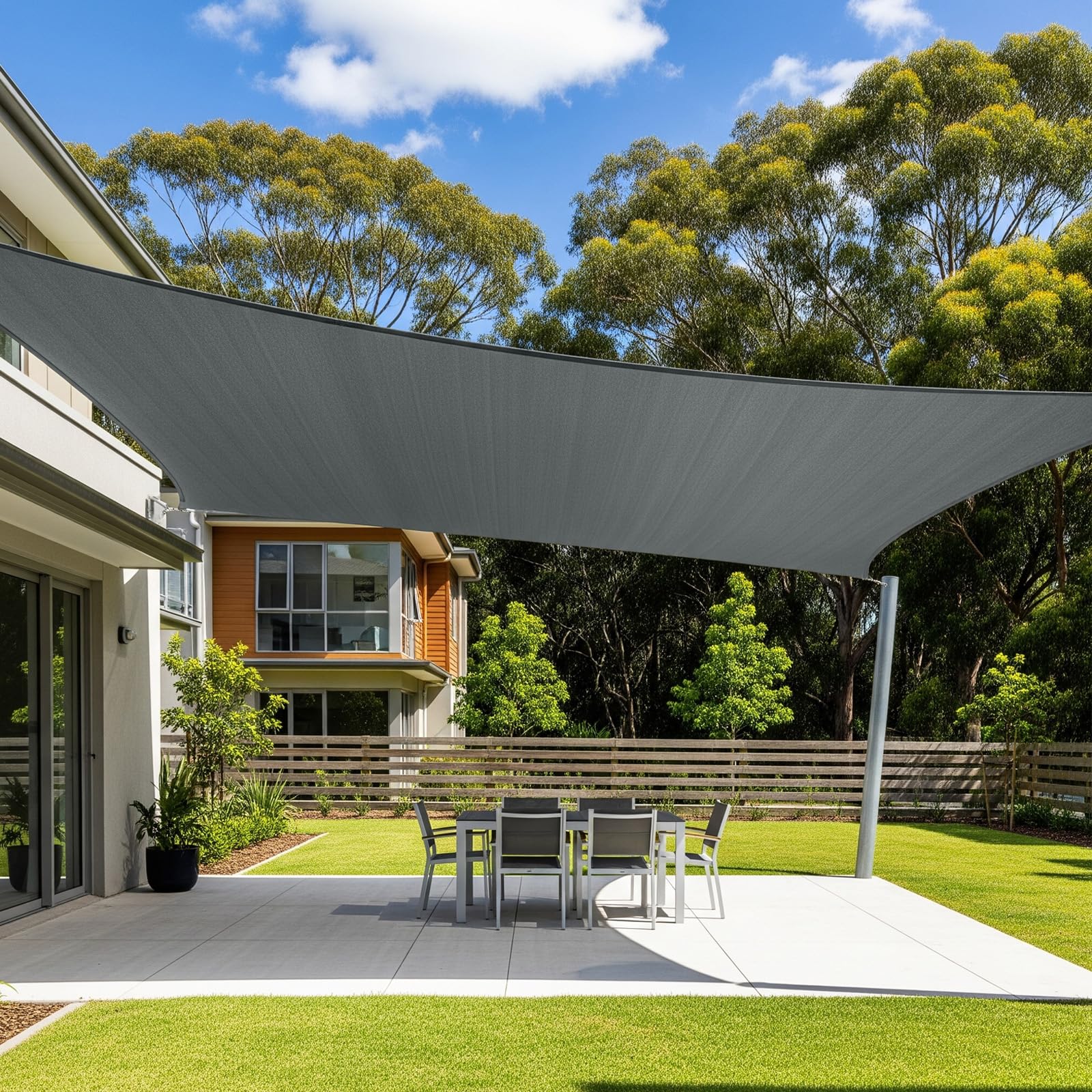


How To Choose The Best Garden Shade Fabric
Picking the right shade cloth depends on three things: how much sun you want to block, how you plan to mount it, and whether the fabric can survive your local weather. Here is what each decision means for your yard.
Shade Percentage — The Single Most Important Number
The percentage tells you how much sunlight the fabric stops. A 40% shade cloth blocks roughly 40 of every 100 rays. That is ideal for vegetables and flowers that still need light to grow. A 70% or 90% fabric is better for patios, carports, or privacy screens where you want serious heat reduction and near-total shade underneath. Go too high on plants and they stretch toward the light. Go too low on a seating area and you will still squint.
Material and Construction — HDPE vs the Rest
HDPE (high-density polyethylene, a type of strong plastic) dominates this category. It is UV-stabilized (treated to resist sun damage), lightweight, and lets air and water pass through so nothing pools on top. The best pieces use a knitted mesh that resists fraying when cut. You also want reinforced edges — double-stitched hems or webbing — and rust-proof grommets or D-rings. Aluminum or stainless steel will outlast the fabric itself in coastal or rainy climates.
Size and Mounting Style
Shade sails (triangles or rectangles with D-rings at each corner) are designed for tensioned installations between posts or house walls. Grommeted cloths with rings every few feet give you more attachment points, making them better for draping over hoop houses, chicken runs, or pergola beams. Measure your space and leave 0.5 to 1 foot of extra length on each side for hardware. Remember that HDPE has a natural stretch tolerance of roughly ±2 to ±4 inches depending on the brand.
Quick Comparison
| Model | Best For | Shade / UV Block | Size | Grommets / Connectors | Amazon |
|---|---|---|---|---|---|
| Cool Area Shade Sail 12x16FT★ Best Overall | Patio / pool shade | 85-90% shade, 95% UV | 192″ x 144″ | Stainless steel D-rings | Amazon |
| Amgo 8×10′ Sun Shade SailTop Performer | High-wind areas / hurricane zones | 95% UV blockage | 96″ x 120″ | Stainless steel D-rings | Amazon |
| Coolaroo 70% UV Block Fabric 6ftx15ftPremium Build | Privacy screen / balcony | 64-70% UV block | 180″ x 72″ | Cut-to-fit, no grommets | Amazon |
| Mklsit Garden 40% Shade Cloth 10×20 FT | Greenhouse / garden beds | 40% shade, blocks up to 70% sunlight | 240″ x 120″ | Copper grommets every 20″ | Amazon |
| LOVE STORY Shade Cloth 6×8 FT | Pergola / privacy screen | 85-90% shade, 95% UV | 96″ x 72″ | Copper grommets every 2′ | Amazon |
| DGSL 40% Shade Cloth 10×20 FT | Vegetable garden / plant protection | 40% shade | 240″ x 120″ | Aluminum grommets every 3.28′ | Amazon |
| Alion Home HDPE 50% Shade Cloth 6’x6’6″ | Long-term greenhouse / extreme heat | 40-50% sun blockage | 72″ x 72″ | Aluminum grommets every 24″ | Amazon |
| BELLE DURA 90% Shade Cloth 6×12 FT | Gazebo top / heavy shade | 90% shade | 144″ x 72″ | Stainless steel grommets every 2′ | Amazon |
In‑Depth Reviews
1. Cool Area Sun Shade Sail 12x16FT Rectangle
Our pick — over 4.5★ from 950+ verified ratings; the strongest balance of quality and price.
This is the one if you want a large rectangle sail that cools your patio evenly and looks good doing it.
This shade sail is cut from one single piece of 100% new HDPE (high-density polyethylene) fabric — there are no splice seams. That means the shading is perfectly uniform across the entire 12×16-foot surface. The 85-90% shading rate and 95% UV protection drop the temperature underneath noticeably. Yet the knit weave still lets breezes pass so you do not feel trapped. One buyer used it from July to November in Michigan and reported it withstood that stretch with no visible wear, using only stainless hardware and polypropylene rope.
The stainless steel D-rings at each corner resist rust far better than painted steel, and the reinforced stitched edges prevent fraying over time. A common owner tip is to mount one side about a foot higher than the other to prevent sagging in the middle. The instructions recommend leaving 0.5 to 1 foot of space for accessories. A few owners swapped the included straps for paracord after they stretched, but the fabric itself earns unqualified praise: “good quality, perfect measurements, great color” sums up the consensus.
What wins people over: Uniform shade across a large area without dark spots or thin streaks — the no-splice construction is the standout feature. The quality is the most-discussed positive aspect among buyers.
The honest caveat: The fabric has a natural stretch tolerance of ±4 inches, and the included tie-downs can be iffy under constant tension; plan to use your own heavy-duty rope or turnbuckles (a device for tightening cable) for a truly taut install.
Reach for this if: You need a large, uniform shade sail that blocks the vast majority of UV rays and looks clean over a patio, pool, or pergola.
Look elsewhere if: You want a solid privacy screen — the knitted HDPE weave is permeable enough that outlines are still visible through it.
2. Amgo 8′ x 10′ Sun Shade Sail
With a fabric density of 200 GSM (grams per square meter), this sail is heavier and tougher than the Cool Area’s standard cloth — better for wind and heat reduction.
This Amgo sail is noticeably tougher than standard 180 GSM or lower cloths because it uses a heavier 200 GSM fabric. The maker claims it lowers ambient temperatures by up to 15°F, and the permeable HDPE weave lets refreshing breezes and rainwater flow through freely — so you never have to worry about pooling or sagging under a wet load. The heavy-duty double-layered stitching and reinforced webbing on all edges resist fraying even when tension is cranked up.
The curved-edge design is a clever engineering detail: it distributes tension evenly across the surface to prevent the center from drooping, keeping the sail looking tight and professional. One buyer who purchased this brand twice over 5 years calls it great value and quality. The stainless steel D-rings at each corner are rust-proof, which matters in coastal climates or anywhere with frequent rain. For optimal results, leave 0.5 to 1 foot of gap between the D-ring and the mounting point.
Standout strength: Heat reduction and wind resilience — owners consistently point to sun protection and quality as the top reasons they chose this sail over cheaper options.
What to watch: At 8×10 feet it covers less area than the Cool Area 12x16FT sail, so measure your space carefully before ordering.
Best for: Homeowners in windy or storm-prone regions who want a heavy-duty sail that stays tight and lasts years without sagging. Compared to the standard cloth, this is the one to pick if wind resilience is your top concern.
Not ideal for: Small projects like covering a single raised bed — this is a full patio or pool-sized solution.
3. Coolaroo 70% UV Block Privacy & Screening Fabric 6ftx15ft
A versatile roll of HDPE fabric you cut yourself, backed by a 15-year UV warranty — nobody else in this lineup offers that long-term backing.
Coolaroo is the established name in shade fabric. This 70% UV block roll is designed for people who want to cover non-standard shapes — think balcony railings, custom pergola panels, or dog-run sides. The knitted HDPE mesh is tear- and fray-resistant, and because it comes as a continuous 6×15-foot roll with no pre-installed grommets, you can cut it cleanly and attach it with clips or ties exactly where you need it. Buyers report using this fabric for everything from bird hangout ledges to full pergola roofs.
The 15-year limited warranty against UV degradation is exceptional in this category; most cloths carry no such guarantee. The fabric blocks 64% to 70% of UV rays while allowing cooling airflow, and it is 100% recyclable with no lead or phthalates (a type of chemical sometimes used in plastics). That matters if you are wrapping it around a play area. One Colorado owner reported it survived sun, hail, and snow for 6 years straight, while another noted it flexibly rolls up for winter storage. A small nit: some users say the edges curl after cutting, easily solved with grommets or a double fold.
The big draw: That 15-year UV warranty — nobody else in this lineup offers that level of long-term backing. Shading and performance are the most-praised aspects among buyers.
The trade-off: No grommets means you have to supply your own hardware and do the cutting, which is not difficult but adds a step vs buying a pre-finished shade sail like the Cool Area.
Choose this for: Non-standard spaces, privacy screens, or applications where you need to cut the fabric to an exact custom shape.
skip it if: You want a drop-in, pre-grommeted shade cover that mounts in 10 minutes.
4. LOVE STORY Shade Cloth 6×8 FT

This one stands out because of its copper grommets — a material that naturally resists rust, unlike the aluminum rings that can corrode on many other cloths.
While many shade cloths use aluminum or painted steel grommets that corrode after a season, LOVE STORY opts for copper — a metal that naturally resists rust and stays seated securely in the double-layer hem even under tension. The fabric itself is high-density polyethylene with a double-sewn hem on all four edges, giving it an 85-90% shading rate and 95% UV protection. Owners mention it withstood thunderstorms and strong winds without tearing, and several bought a second or third unit after the first performed so well.
The sand color blends into a backyard landscape more naturally than stark black or white, and the included zip ties and ropes make installation tool-free. One buyer used it to build a roll-up patio shade and called the sun protection and attractive color the standout traits. At 1.96 pounds it is easy for one person to handle during setup.
Best feature: Copper grommets that do not deform or rust — a smart upgrade over the standard aluminum rings on most competitors. Shade and quality are the most-praised aspects by a wide margin.
One note: The fabric has a tolerance of ±2 inches in length, so measure your mounting points loosely rather than trying for a surgical fit.
Go for it if: You live in a humid or coastal area where grommet corrosion is a real concern, or you want a mid-size cloth that looks good while doing its job.
Think twice if: You need a massive single piece — this maxes out at 6×8 feet (larger custom sizes are available by contacting the seller). The Cool Area or Amgo sails give you more square footage for a patio.
5. Alion Home HDPE 50% Sun Block Shade Cloth 6’x6’6”

A compact, UV-stabilized cloth that blocks 40-50% of sunlight — the balance for vegetables and flowers that need light but not scorching heat.
The Alion Home cloth is knitted from UV-treated HDPE and blocks 40-50% of sunlight. That is the balance for vegetables, flowers, and small greenhouses where you want to reduce heat without starving plants of light. The aluminum grommets are set roughly every 24 inches on all four sides, and the hemmed edges help distribute tension evenly to prevent early tearing. One reviewer noted the cloth survived tropical conditions and a hurricane over several years, while another said it looked new after 2+ years of extreme heat in an atrium.
The beige color is less intrusive than black and reflects some light rather than absorbing it, which can help keep covered areas slightly cooler. The 2-year limited replacement warranty is a nice safety net in a price range where most sellers offer no warranty at all. It is also available in custom sizes made to order in California, which is useful for oddly shaped greenhouses or raised beds.
Why it stands out: Proven long-term durability — buyers consistently describe it as holding up through multiple seasons, and the top praise focuses on quality and shade performance. This is a better long-term bet than the budget Mklsit or DGSL cloths.
The reality check: The included rope is reportedly poor quality and disintegrates in UV; swap it for weather-proof paracord during installation.
Perfect for: Small greenhouses, atrium windows, or raised beds in regions with relentless sun — the UV stabilization seems to genuinely delay degradation.
Less suited for: Large backyard shading projects where a 6×6.5-foot cloth is simply too small.
6. Mklsit Garden 40% Shade Cloth 10×20 FT

For covering a large greenhouse or chicken coop without spending a fortune, this 10×20 sheet of 40% cloth delivers serious square footage for the money.
The 40% weave blocks up to 70% of sunlight while letting cool air circulate and water pass through. One buyer mentioned their greenhouse temperature dropped from 103°F to 93°F after installing it. The copper grommets are an upgrade over the aluminum that can deform, and there are two grommets at each corner plus extras evenly spaced every 20 inches along the reinforced edges.
At 0.94 kilograms (about 2 pounds), it is remarkably light for a 10×20-foot sheet, making it easy to drape over a hoop house without needing a ladder for the whole job. The six lock-stitch edge treatment resists fraying, though the HDPE knit can snag on screws or rough surfaces. Buyers use it for everything from pool shade in South Florida to protecting tomatoes from sunburn and birds.
The big win: Massive coverage for a low outlay, with copper grommets that resist deformation better than aluminum rings. Sun protection and functionality are the most praised aspects.
The honest limit: Durability is mixed — some customers note the fabric shows wear after one season, especially at the edges and grommet points. Plan to replace it annually if you get heavy wind exposure.
Buy this for: Temporary or budget-conscious greenhouse cooling where you need a lot of square footage right now. It is a fraction of the cost of the Cool Area sail for a similar footprint.
Pass on it if: You expect multi-season durability from a single purchase — the Coolaroo or Alion cloth are better long-term bets.
7. DGSL 40% Shade Cloth 10×20 FT
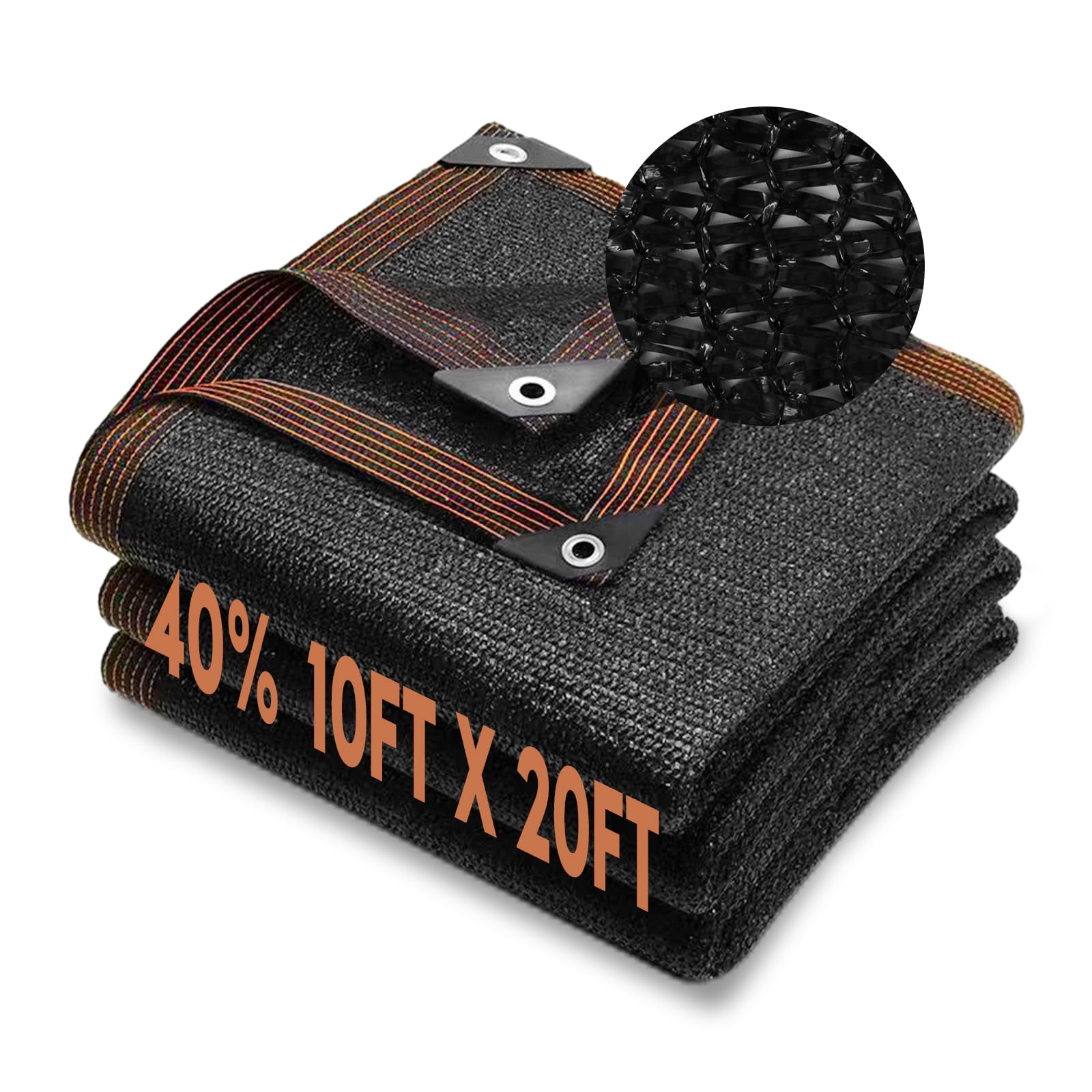
A value-priced 40% cloth that revived heat-stressed vegetables mid-season, according to one buyer.
The DGSL cloth hits that 40% balance that gardeners love: it knocks down harsh midday sun but still lets enough light through for tomatoes, peppers, squash, beans, and leafy greens to thrive. The HDPE construction is tear-resistant with reinforced edges, and the rustproof aluminum grommets are placed every 3.28 feet — a slightly wider spacing than some competitors, but sufficient for most hoop house and pergola setups. One owner reported it revived heat-stressed vegetables that were wilting, and they bought a second piece for early the next year.
At 0.82 kilograms it is even lighter than the Mklsit cloth, making it easy to handle solo. It is not water-resistant, which is actually a benefit here — water passes straight through instead of pooling on top and creating a sagging hazard. The cloth is designed for year-round utility: summer cooling plus light frost protection in spring and fall, effectively extending your growing season at both ends.
What it does best: Provides just enough shade to save plants from scorching while keeping the garden feeling bright and open — shade and value for money are the top-cited positives.
The trade-off: Durability is the weakest point; multiple reviewers point out the material starts ripping within a couple of months of use, especially in windy conditions.
Best if: You need an affordable stopgap for a single growing season and plan to replace it before next year.
Not for: Permanent or semi-permanent installations where you want the cloth to last 3-5 years.
8. BELLE DURA 90% Outdoor Sun Shade Cloth 6’x12′

A dense 90% shade cloth that is ideal for gazebo roofs and heavy privacy screens — it blocks near-total sunlight.
When you want near-total darkness under your structure — for a gazebo, carport, or sun-sensitive seating area — this BELLE DURA cloth blocks 90% of sunlight. The 200 GSM (grams per square meter) HDPE fabric is thick and abrasion-resistant, yet the knit construction still allows enough airflow to prevent heat from building up underneath. It dries quickly after rain and requires no special maintenance. Buyers call it “made well, very durable” and note it includes multiple mounting accessories (nylon ropes, bungee hooks, zip ties).
The stainless steel grommets are spaced every 2 feet on each side, and the mocha color is a popular choice for people who want something warmer than black but still neutral. One owner used it as a gazebo top replacement and said it was far easier to install than the original canopy, preferring it because it provides excellent shade while letting air through. The cloth is slightly see-through, which is actually a plus for privacy screens where you want to block the sun but not feel enclosed.
Why it works: The 90% density combined with 200 GSM fabric makes it the heaviest-hitting shade option here. Buyers praise the quality, thickness, and appearance exceeding expectations.
The catch: It won’t keep rain out — the permeable weave lets water through, so do not use it as a waterproof roof replacement.
Reach for this: If you need maximum sun blockage for a gazebo, deck, or balcony where heat reduction is the top priority.
Avoid if: You are shading plants — 90% blockage is too aggressive for most vegetables and flowers, which need the 40% balance of the Mklsit or DGSL cloth.
Understanding the Specs
Shade Percentage (40%, 70%, 90%)
This number tells you how much sunlight the fabric keeps out. A 40% cloth is best for plants that still need plenty of light (vegetables, flowers, small greenhouses). A 70% cloth works well for patios and seating areas where you want the sun softened but not eliminated. A 90% cloth creates near-total shade, ideal for gazebos, carports, or any space where you want to block as much UV as possible. Picking the wrong density is the most common mistake: too high and plants stretch; too low and you still squint.
GSM (Grams Per Square Meter)
This measures the fabric’s density and weight. Standard garden shade cloths typically range from 140 to 200 GSM. A higher GSM (like 200) means thicker material that resists wind better and lasts longer, but it is also heavier and harder to tension. Lower GSM cloths are lighter and easier to handle but may tear sooner in high winds. If you live in a windy area, prioritize 180 GSM or higher.
Grommet Material and Placement
Grommets are the metal rings punched into the edges for hanging. Stainless steel and copper are rust-proof and outlast the fabric itself. Aluminum is lighter but can deform under tension or corrode in salt air. Painted steel tends to rust once the coating scratches. Placement matters: grommets every 2 feet give you more attachment points for a flatter, more secure fit; wider spacing (3+ feet) means fewer tie-downs but more sag risk between mounting points.
Edge Reinforcement
The edges take the most stress in any installation. Double-sewn hems or webbing along the perimeter resist fraying when the fabric moves in the wind. Some high-end sails add a full webbing loop (like a seatbelt) around the edges instead of a simple folded hem; this distributes tension much better. For permanent or high-wind installations, look for double-stitched hems or reinforced webbing rather than a single fold of fabric.
FAQ
What shade percentage should I use for tomatoes and peppers?
Can I leave garden shade fabric up all year?
How do I install shade cloth without it sagging in the middle?
Is HDPE shade fabric safe for pets and chickens?
What is the difference between a shade sail and a shade cloth?
Does garden shade cloth stop rain?
How long does garden shade fabric typically last?
Will 40% shade cloth stop birds from eating my vegetables?
Can I cut shade fabric to a custom size?
What size shade cloth should I buy for a 10×10 pergola?
Final Thoughts: The Verdict
For most buyers, the best garden shade fabric is the Cool Area Shade Sail 12x16FT because it delivers uniform 85-90% shading across a large area with rust-proof hardware and reinforced stitching that holds up through multiple seasons. If your priority is maximum wind resilience and heat reduction, grab the Amgo 8×10 Sun Shade Sail with its 200 GSM fabric and curved anti-sag design. And for custom-fit projects or privacy screens, the Coolaroo 70% UV Block Roll is the one to reach for — cut it exactly to your space and trust the 15-year UV warranty.
How We Picked
We do not accept paid placement. Every pick is matched to a real buyer and a real use-case; we do not hands-on test units.
Sources & Methodology
Specifications: manufacturer listings and product documentation. Review insights: verified customer reviews, as of July 2026. Pricing: not shown on this page (it changes often); check the current price via the retailer link.
As an Amazon Associate, Lawn Gear Lab earns from qualifying purchases. This does not affect which products we feature.