
Specs are compiled from manufacturer listings and verified buyer reviews and can change over time — please confirm the key details on the product page before buying.
Greenhouse pests are relentless — aphids, whiteflies, spider mites, and fungus gnats can turn a thriving crop into a losing battle overnight. The right approach stops the cycle without harming your plants, your soil, or the beneficial insects you actually want around. You need a strategy that matches your specific pest, and the nine options here range from live ladybugs (a biological solution) to broad-spectrum sprays and targeted traps, so you can pick the one that fits your infestation.
I’m Rikta — the founder and writer behind Lawn Gear Lab. This guide is built by comparing the manufacturers’ published specifications and the patterns across verified customer reviews, so you get each pick’s real strengths and trade-offs instead of marketing spin.
The key is choosing a method that fits your specific growing environment — not just the strongest chemical on the shelf. The crowd favorite — a versatile concentrate that handles over 100 pests with a 4.6-star rating across over 600 owners — earns the top spot for its proven performance and eco-friendly formula.
Our Picks at a Glance


How To Choose The Best Greenhouse Insect Control
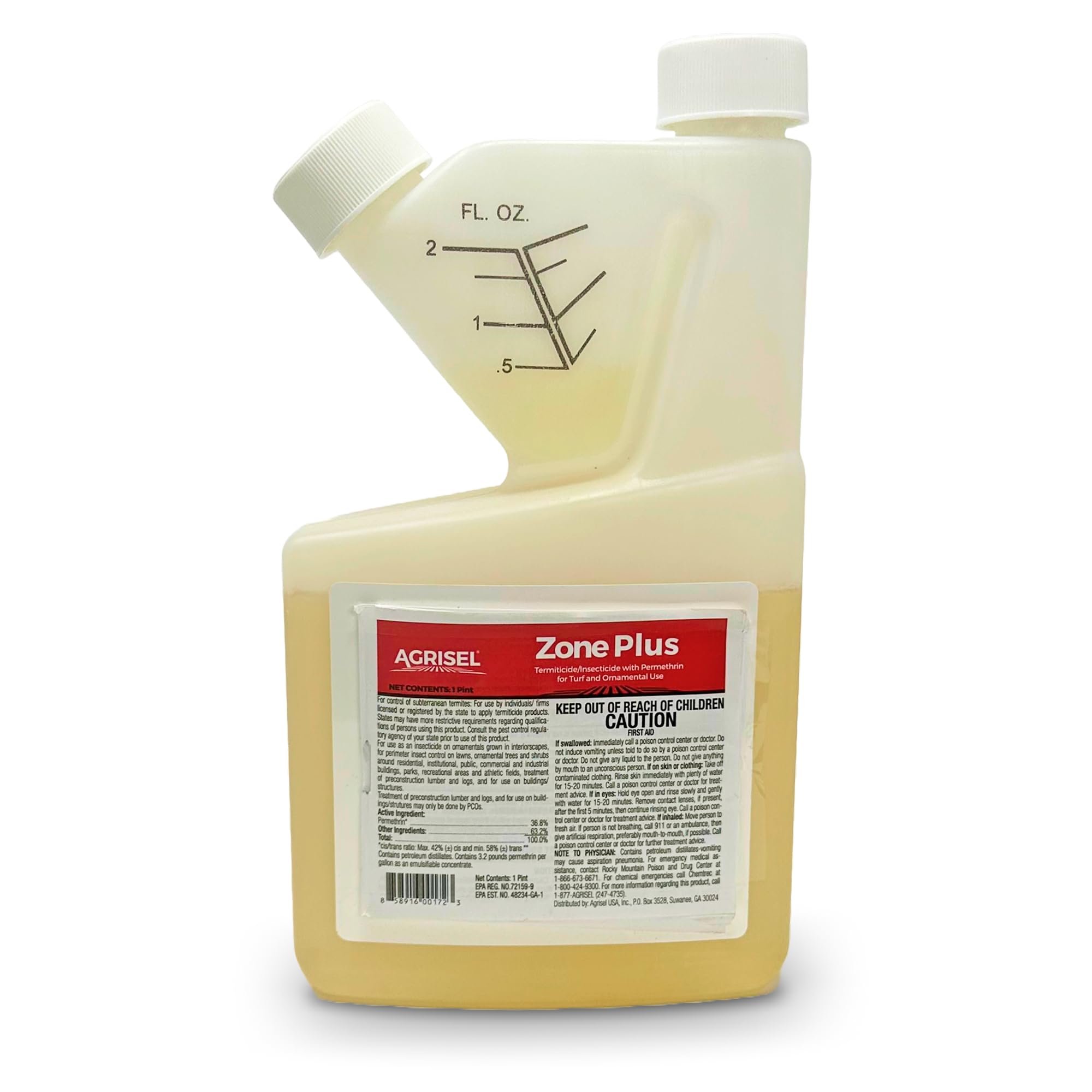
Picking the right insect control for your greenhouse depends on the specific pest you are fighting, the crop you are protecting, and your tolerance for reapplication. A broad-spectrum spray like the Agrisel Zone Plus handles over 100 pests in one go, but a biological option like live ladybugs targets aphids without any chemical residue at all.
Identify the pest and the infestation level
Aphids and whiteflies respond well to sticky traps and natural predators, but spider mites often require a stronger active ingredient like azadirachtin (a natural compound from neem oil that disrupts insect growth). A minor outbreak of fungus gnats can be managed with yellow stake traps alone, while a major infestation of thrips or scale usually demands a systemic concentrate like Bonide Systemic Insect Control that gets absorbed into the plant itself.
Match the application method to your space
A fogger like the BASF Pyrethrum TR covers up to 6,000 square feet with one canister but is designed for commercial greenhouses and must be used with people and pets out of the space. A ready-to-spray hose-end product like Bonide All Seasons Oil is far simpler for a home greenhouse — you just attach it to your garden hose and treat your plants without any mixing. For those who want zero chemicals, a garlic concentrate repels by smell and is OMRI listed for organic growing.
Quick Comparison
| Model | Best For | Target Pests | Application Type | Coverage / Quantity | Amazon |
|---|---|---|---|---|---|
| Agrisel Zone Plus★ Best Overall | Broad-spectrum spray | Over 100 pests | Ready-to-use spray | 16 oz | Amazon |
| 1500 Live LadybugsBudget Champion | Biological aphid control | Aphids, soft-bodied insects | Live beneficial insects | 1,500 count | Amazon |
| Bonide All Seasons OilVersatile Pick | Year-round dormant & growing | Insects, mites, diseases | Ready-to-spray (hose-end) | 32 oz | Amazon |
| MAXGUARD Yellow Stakes | Fungus gnats & flying insects | Fungus gnats, whiteflies, aphids | Sticky traps (30-pack) | 30 traps | Amazon |
| Earth’s Ally 3-in-1 | Indoor/outdoor with bee safety | Spider mites, aphids, whiteflies | Ready-to-use botanical spray | 32 oz | Amazon |
| Bonide Systemic Insect Control | Hard-to-kill insects on ornamentals | Thrips, mealybugs, scale, mites | Concentrate (makes 16 gallons) | 16 oz | Amazon |
| Azamax | Spider mites & persistent pests | Spider mites, aphids, whiteflies | Foliar spray / soil drench | 4 oz | Amazon |
| BASF Pyrethrum TR Fogger | Large-scale greenhouse fogging | Aphids, fungus gnats, mites, whiteflies | Total release fogger | Covers 6,000 sq ft | Amazon |
| Garlic Barrier Concentrate | Organic, large-area repellent | Aphids, beetles, caterpillars, mites | Concentrate (1 gallon) | 1 gallon | Amazon |
In‑Depth Reviews
1. Agrisel Zone Plus Insect & Pest Control
Our pick — over 4.5★ from 650+ verified ratings; the strongest balance of quality and price.
The one spray that took a yard from dive-bomber wasps to just two all summer.
When you need a broad-spectrum solution that genuinely works on over 100 types of pests, this 16-ounce ready-to-use formula from Agrisel is the clear frontrunner. It covers everything from ants and spiders to bees, wasps, and roaches — and its biodegradable formula means you are not drenching your greenhouse in harsh persistent chemicals.
Buyers report spraying it around their house, barn, and shed and watching the wasp count drop from dive-bomber levels to just two sightings all season. The same treatment knocked out mosquitoes and flies while handling Asian ladybugs without any plant damage. A slight smell lingers for about a day, but owners consistently say it is well worth it for the results.
Zone Plus Dominates
- Covers over 100 pest types in one spray
- Eco-friendly and biodegradable formula
- Week-long results from a single application — owners mention dramatic reductions in wasps, mosquitoes, and flies
Narrow Pest Range
- A light odor for about a day after spraying
- Pricier than basic sprays, but the broad coverage justifies it
best all-around choice: If you want one product that handles most greenhouse pests without harming the environment, this is the one to grab.
think twice if: You need a product for edible crops — this is labeled for indoor and outdoor use but always check the label on fruiting plants.
2. 1500 Live Ladybugs – Hippodamia Convergens
A living army that eats aphids for breakfast — with zero chemical residue.
For greenhouse growers who want to avoid sprays entirely, this is the most natural solution available. Each order delivers 1,500 live Hippodamia convergens ladybugs in a ventilated plastic container, ready to be released at dusk. The thing that wins people over is effectiveness — over 200 owners single out how well these bugs handle aphid infestations.
The ladybugs arrive surprisingly resilient. Customers note that they survived being left in the package box overnight and even days in the refrigerator. The packaging includes a step-by-step usage guide, and the recommended release method (at dusk, at the base of the plant) helps them stay put rather than flying away. Some owners wish the instructions were more detailed, but the bugs themselves arrive healthy and ready to work.
Live Ladybug Defense
- Completely chemical-free and safe for all plants and pets
- Ladybugs arrive alive and resilient — even after shipping delays
- Perfect for educational projects and kids
Short Lifespan
- Only targets aphids and soft-bodied insects — won’t help with fungus gnats or mites
- Some buyers find the instructions vague
reach for this if: You are an organic grower or just want to avoid chemicals on your food crops.
look elsewhere if: You need to tackle spider mites, thrips, or a multi-pest outbreak — the ladybugs are specialists, not generals.
3. Bonide All Seasons Horticultural & Dormant Spray Oil
Smothers pests and disease in one pass — from dormant buds to full bloom.
This 3-in-1 product from Bonide is the rare spray that works as a dormant oil, a growing-season insecticide, and a fungicide all in one bottle. It envelops and smothers insects like aphids, scale, mites, and mealybugs while also helping control powdery mildew and rust. The active ingredient is mineral oil — a natural product approved for organic gardening that leaves no toxic residues around people or pets.
The ready-to-spray hose-end attachment makes application incredibly easy. One owner treated bark scale on their azalea and reported seeing results within a few days, while another found it worked overnight on cherry aphids. The thing everyone praises is effectiveness for the price, though a few owners found the hose-end sprayer itself less reliable and prefer using a pump sprayer instead.
grab it for: A year-round solution that works as a dormant treatment in winter and a foliar spray during the growing season — a true all-in-one.
skip it if: You want a quick knockdown for a heavy infestation — the oil works by smothering, which is slower than a chemical knockdown.
4. MAXGUARD Yellow Stake Sticky Insect Traps (30 Pack)

Plant them in the soil and watch the fungus gnats disappear — no spraying required.
For anyone battling fungus gnats, whiteflies, or leaf miners, these 30 yellow sticky stakes are the simplest weapon in the arsenal. Each trap has industrial-grade glue on both sides, and the stake shape slides right into the soil of any potted plant. The thing owners praise most is effectiveness — over 90 reviewers point out that the traps catch adult insects instantly, breaking the breeding cycle.
The traps are designed to last up to 6 months and the glue stays sticky through rain and sun. A few owners note that the full-size stakes are a bit large for small indoor pots, but cutting them lengthwise with scissors is simple. The recurring advice is to pair these traps with a soil larvicide — the traps catch adults, but the larvae in the soil need a separate treatment for complete control.
perfect for: A non-toxic, low-effort monitoring and control system for flying pests in greenhouses and houseplants.
not for: Eliminating a full-blown infestation on its own — you will need a larvicide or spray to kill the larvae the traps cannot reach.
5. Earth’s Ally 3-in-1 Plant Spray

Essential oils that kill pests — and are independently tested safe for bees.
Earth’s Ally takes a botanical approach with a ready-to-use formula made from thyme oil, rosemary oil, clove oil, and peppermint oil. It targets soft-bodied insects like spider mites, aphids, whiteflies, mealybugs, and scale while also working as a fungicide. The standout feature is the bee-safety claim — every batch is independently tested to be safe for pollinators, which is rare among insect sprays.
Shoppers say that one application usually does the job on houseplants, and it has effectively controlled leaf miners on cucumbers and peppers. The 32-ounce bottle is a premixed spray, though some users prefer the concentrate version to treat larger areas. A few buyers in rainy climates note that multiple treatments are needed after downpours, and the strong essential-oil smell is noticeable during application.
choose this if: You want a bee-safe, ready-to-use spray that is gentle enough for houseplants and effective on common pests.
look elsewhere if: You have a heavy infestation that needs a faster, stronger knockdown — the botanical oils require thorough coverage and reapplication.
6. Bonide Systemic Insect Control Concentrate
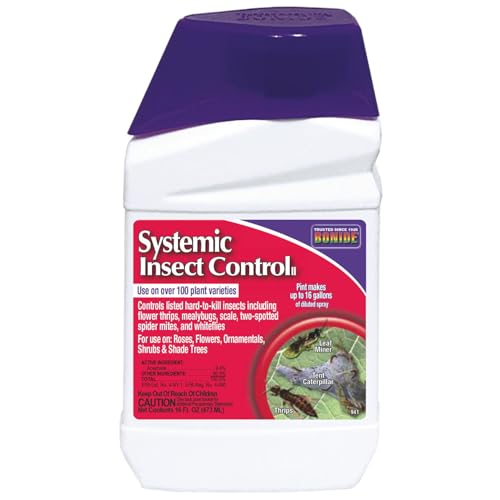
Gets inside the plant itself — so sucking pests die when they feed.
This is the heavy artillery for hard-to-kill insects like thrips, mealybugs, scale, and spider mites. Unlike a contact spray that only works where it lands, this concentrate is absorbed by the plant so insects die when they feed on treated foliage. A 16-ounce bottle makes 16 gallons of finished spray, making it among the most economical options for larger greenhouses.
Buyers report that the first dose killed aphids on a potted willow immediately, and it works well against fungus gnats and thrips. The thing everyone agrees on is that it is brutally effective. The biggest complaint is the smell — several owners describe it as a strong, unpleasant odor similar to manure, which lingers after application. Bonide labels this for outdoor use on ornamental plants, roses, and shrubs — not for vegetables or fruit.
best for: Growers with persistent infestations of thrips, scale, or mealybugs on ornamental plants — it works from the inside out.
avoid if: You are growing edible crops (vegetables and fruit are not labeled for this product) or you are sensitive to strong smells.
7. Azamax 4 oz

One dose wiped out spider mites on flowering cannabis — with no damage to the buds.
Azamax is a concentrated azadirachtin-based insecticide and miticide that works as both a foliar spray and a soil drench. It is classified as an insect growth regulator (IGR), meaning it disrupts the life cycle of pests like aphids, whiteflies, thrips, and spider mites rather than just killing the adults. This makes it a cornerstone of integrated pest management (IPM) programs.
Owners mention dramatic results: a single application eliminated spider mites on flowering cannabis using an atomizing sprayer, and the buds smelled fine after harvest. Another user found that one max dose of 15 ml per quart eradicated both spider mites and their eggs, though it caused temporary wilting on sensitive plants. The concentrated 4-ounce bottle is expensive per ounce, but a little goes a long way — and it has low impact on beneficial insects when used according to the label.
reach for this if: You need a miticide that works on spider mites and eggs without harsh synthetic chemicals — especially in a flowering or fruiting stage.
consider the cost: The 4-ounce bottle is premium-priced, and some users feel it is overpriced for the volume, though the concentration makes it last.
8. BASF Pyrethrum TR Total Release Fogger
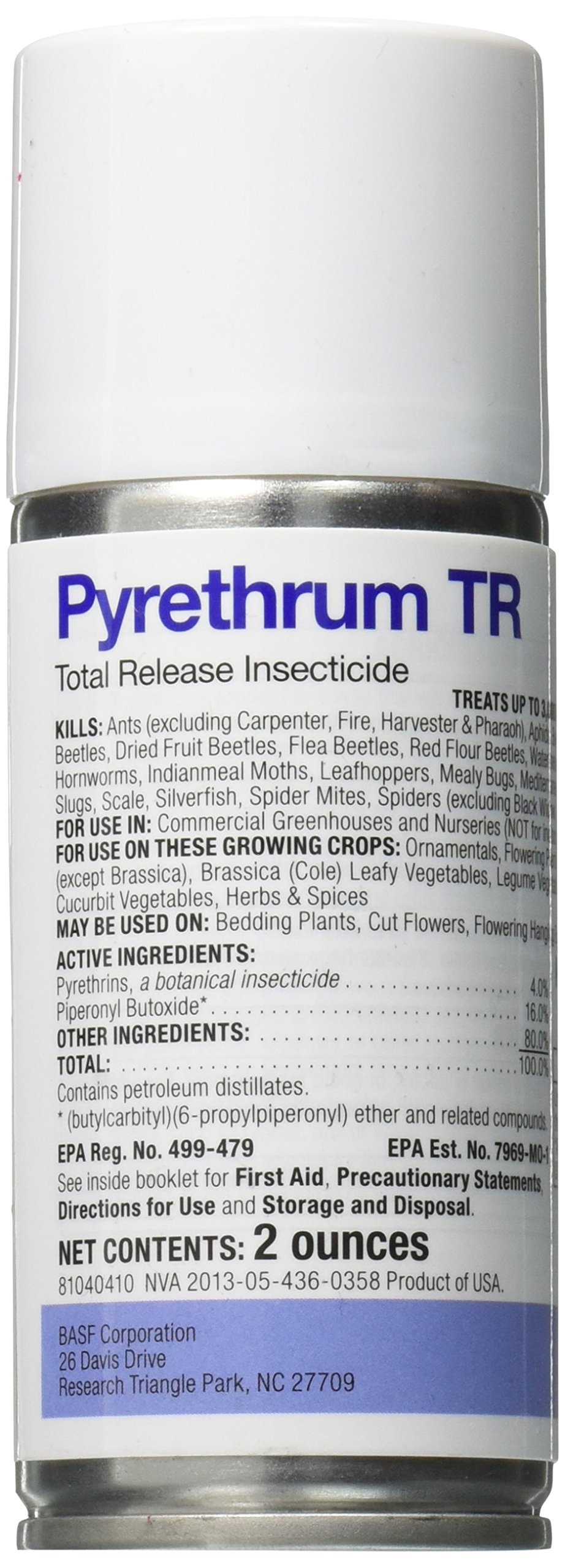
A total-release fog that blankets your whole greenhouse in a botanical insecticide.
For commercial greenhouse operators or serious hobbyists with large spaces, this fogger from BASF is the most efficient way to treat an entire crop in one go. It is a ready-to-use ultra-low-volume insecticide that controls aphids, fungus gnats, mites, and whiteflies. Each canister covers up to 6,000 square feet — enough for a substantial greenhouse.
Customers note spectacular results: one user killed 100% of spider mites in a sealed grow room with a single treatment, and another eliminated mites on 200 to 250 plants in an enclosed Lanai overnight. The active ingredient is pyrethrum, a botanical extract, but this is still a fogger that requires evacuating people and pets during treatment and thorough cleaning of surfaces afterward. It is labeled only for ornamental crops and growing crops in commercial greenhouses.
perfect for: Large-scale growers who need to knock down a major infestation across hundreds of plants in a single evening.
not for: Small home greenhouses or spaces where you cannot seal the area — it requires complete evacuation and ventilation afterward.
9. Liquid Garlic Insect Repellent Concentrate (1 Gallon)

A gallon of garlic concentrate that repels bugs with smell — not poison.
Garlic Barrier is a commercial-strength liquid garlic extract designed for farms, orchards, gardens, and greenhouses. It is OMRI listed for organic agriculture, meaning it is certified for use in organic growing operations. The concentrate dilutes with water and applies with standard sprayers, making it scalable from a backyard garden to a large greenhouse.
Reviewers point out that it effectively deters mosquitoes, aphids, beetles, and even larger pests like deer and rabbits. The garlic odor dissipates after about a day, and it does not leave a garlic taste on the crops. It is also safe to use around pets and people. The main downside is that rainfall washes it off, requiring reapplication after heavy rain. Some buyers in areas with aggressive mosquitoes found it less effective than expected against those specific pests.
choose this if: You need a large-volume, OMRI-listed organic repellent for a whole farm or greenhouse operation.
consider the effort: It requires frequent reapplication after rain and some pest types may be less affected — it works best as a deterrent, not a knockdown killer.
Understanding the Specs
Active Ingredient & Mode of Action
The active ingredient determines how the product kills or repels pests. Contact killers (like pyrethrum or mineral oil) kill insects they physically hit. Systemic insecticides (like those in Bonide Systemic) are absorbed by the plant and kill insects that feed on it. Insect growth regulators (like azadirachtin in Azamax) disrupt the pest’s life cycle so young insects never become breeding adults. For edible crops, a systemic or long-residual chemical may not be safe — always check the label.
Coverage Area & Application Method
Coverage is listed either as square footage (for foggers) or as the number of gallons of finished spray a concentrate makes. A fogger like the BASF Pyrethrum TR covers up to 6,000 square feet in one shot but requires evacuating the space. A concentrate like Bonide Systemic makes 16 gallons of spray, which is plenty for repeated treatments of a large greenhouse. Ready-to-use sprays are the simplest but cost more per application than concentrates.
FAQ
What is the difference between a contact spray and a systemic insecticide?
Can I use ladybugs and chemical sprays together in my greenhouse?
How often should I reapply insect control in a greenhouse?
Is the garlic concentrate safe to use on vegetables and fruit?
What is the best way to control fungus gnats in a greenhouse?
How long do the ladybugs live after I release them?
Can I use the BASF Pyrethrum fogger in a home greenhouse?
What is the difference between the Bonide All Seasons Oil and the Earth’s Ally 3-in-1?
How much area does a 16 oz bottle of Bonide Systemic concentrate cover?
Will the MAXGUARD sticky traps catch beneficial insects too?
Final Thoughts: The Verdict
For most greenhouse growers, the best greenhouse insect control winner is the Agrisel Zone Plus because it delivers broad-spectrum results against over 100 pests in an eco-friendly formula that owners consistently praise for dramatic reductions in wasps, mosquitoes, and flies. If you want a zero-chemical, biological approach for aphid control, grab the 1500 Live Ladybugs. And for a targeted, non-toxic solution against fungus gnats and whiteflies, the MAXGUARD Sticky Traps are the simplest, most affordable way to monitor and control flying insects year-round.
How We Picked
We do not accept paid placement. Every pick is matched to a real buyer and a real use-case; we do not hands-on test units.
Sources & Methodology
Specifications: manufacturer listings and product documentation. Review insights: verified customer reviews, as of July 2026. Pricing: not shown on this page (it changes often); check the current price via the retailer link.
As an Amazon Associate, Lawn Gear Lab earns from qualifying purchases. This does not affect which products we feature.