
Specs are compiled from manufacturer listings and verified buyer reviews and can change over time — please confirm the key details on the product page before buying.
You want a bag of soil that helps your plants grow strong, not one full of sticks, fungus gnats, or mystery fillers. The right mix balances aeration, nutrients, and drainage for healthy roots. Here are the top options so you can pick the one that fits your plants, your pots, and your confidence.
I’m Rikta — the founder and writer behind Lawn Gear Lab. This guide is built by comparing the manufacturers’ published specifications and the patterns across verified customer reviews, so you get each pick’s real strengths and trade-offs instead of marketing spin.
Whether potting houseplants, starting seeds, or filling raised beds, you need a mix that works without guesswork. Here is everything you need to find the good potting soil that actually delivers.
Our Picks at a Glance
How To Choose The Best Good Potting Soil
Not all potting soil is the same. The bag that makes your tomatoes explode with fruit might drown your succulent. Here are the three things to check before you buy.
Match the Mix to the Plant
Seedlings need a fine, light texture so tiny roots can push through easily. Mature houseplants and vegetables want something chunkier with perlite or bark for airflow. Heavy feeders like tomatoes and peppers benefit from compost or manure blends. Read the bag’s intended use — multi-purpose is fine for most containers, but specialty mixes exist for a reason.
Check the Ingredient List for Real Structure
Good soil has visible perlite (those little white rocks) or vermiculite for drainage and aeration. Sphagnum peat moss or coconut coir handles moisture. Compost or earthworm castings provide nutrients. If the ingredient list is short and vague, or the bag feels like pure sawdust, the soil might compact into a hard brick after a few waterings.
Read Between the Review Lines
A high rating is great, but scan for recurring complaints. Fungus gnats often mean the soil was stored too wet. Bark chunks or twigs can interfere with seed germination. An occasional bad bag happens, but a pattern of the same complaint across many reviews is a red flag for that specific product.
Quick Comparison
| Model | Best For | Volume | Key Ingredients | Texture | Amazon |
|---|---|---|---|---|---|
| FoxFarm Ocean Forest★ Best Overall | General all-purpose container growing | 1.5 cu ft | Aged forest products, peat moss, perlite, earthworm castings | Light & aerated | Amazon |
| FoxFarm Happy FrogTop Performer | Fruit & flower production in containers | 2 cu ft | Aged forest products, peat moss, perlite, bat guano | Light & aerated | Amazon |
| Coast of Maine Bar HarborPremium Pick | Premium all-purpose organic growing | 16 Quarts | Sphagnum peat moss, compost, lobster & crab shell meal | Rich & dark | Amazon |
| Back to the Roots | Organic, peat-free container gardening | 6 Quarts (2-pack) | Coconut coir, yucca, mycorrhizae | Coarse, with bark | Amazon |
| Midwest Hearth Premium Mix | Seed starting and small containers | 8 Dry Quarts | Peat moss, vermiculite, perlite | Light & fluffy | Amazon |
| Miracle-Gro Moisture Control | Forgiving watering for busy plant owners | 16 qt (2-pack) | Sphagnum peat moss, coir, wetting agent | Standard potting mix | Amazon |
| Espoma Organic Potting Mix | Organic indoor & outdoor containers | 8 qt (2-pack) | Sphagnum peat moss, humus, perlite, earthworm castings | Rich & dark | Amazon |
| Fiddle Leaf Fig Soil | Ficus trees and tropical houseplants | 7.5 Liters | Aged bark, green compost, biochar | Chunky & airy | Amazon |
| Vermont Compost Fort Vee | Seed starting and heavy feeders | 20 Quarts | Composted manure, peat moss, granite, basalt, bone meal | Fluffy with vermiculite | Amazon |
In‑Depth Reviews
1. FoxFarm Ocean Forest Potting Soil
Our pick — over 4.5★ from 10,000+ verified ratings; the strongest balance of quality and price.
The gold standard that makes your plants visibly perk up within days.
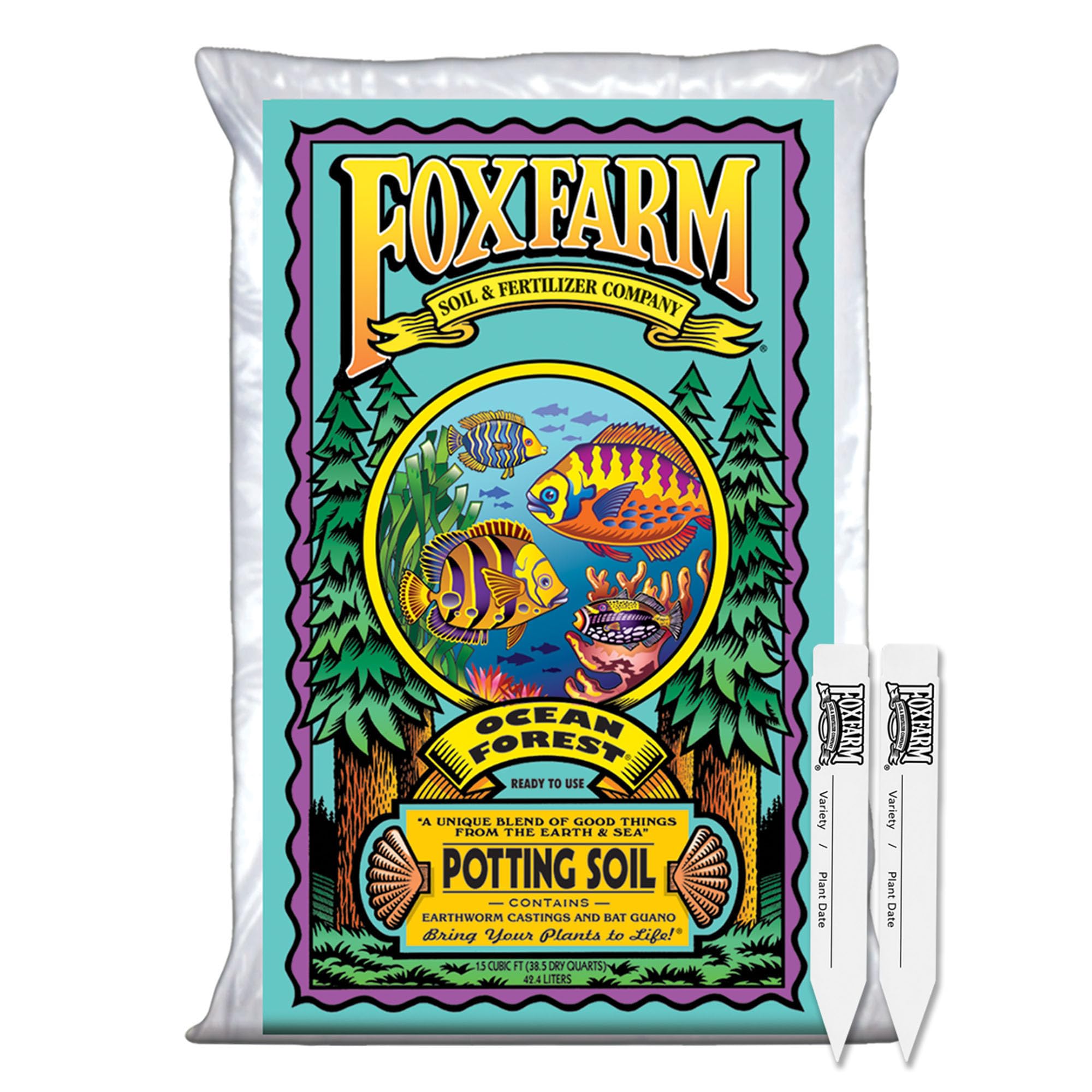
This is the bag serious indoor and container gardeners reach for again and again. The 1.5-cubic-foot bag weighs 34 pounds, and that weight comes from a rich blend of aged forest products, sphagnum peat moss, perlite, and sandy loam — not cheap fillers. The sandy loam gives it excellent drainage, which means you are far less likely to deal with root rot from stagnant water. It is ready to use straight from the bag; you do not need to add anything.
What wins people over is the sheer quality (over 480 buyers praise it). The soil includes a starter charge from fish emulsion, crab meal, shrimp meal, earthworm castings, kelp meal, and oyster shell. That is a lot of natural nutrition packed in. People run side-by-side tests and report that Fox Farm outperforms big-box brands like Miracle-Gro with plants grown from the same seed and given the same water. The downside — and it is the most-discussed trade-off — is the price. It is not cheap, and a handful of owners have flagged occasional bug issues, though that is far from the norm given the overwhelming satisfaction rate.
Two plant tags come in the bag for labeling varieties, a small but appreciated touch. For anyone who wants a single soil that works across houseplants, vegetables, herbs, and seedlings, this is the one.
Why it wins
- Pre-mixed nutrient content from natural sources like earthworm castings and kelp meal
- Excellent drainage from sandy loam helps prevent root rot
- Ready to use immediately — no extra mixing required
The honest trade-off
- Costs more than basic potting soils from big-box stores
- Heavy bag (34 pounds) can be awkward to carry and store
Reach for this if: you want a proven, nutrient-rich soil for a wide range of container plants and are willing to pay for the quality.
Look elsewhere if: you need an ultra-budget option or a lightweight mix for large raised beds.
2. FoxFarm Happy Frog Potting Soil
The living soil that turbocharges root development for bigger harvests.
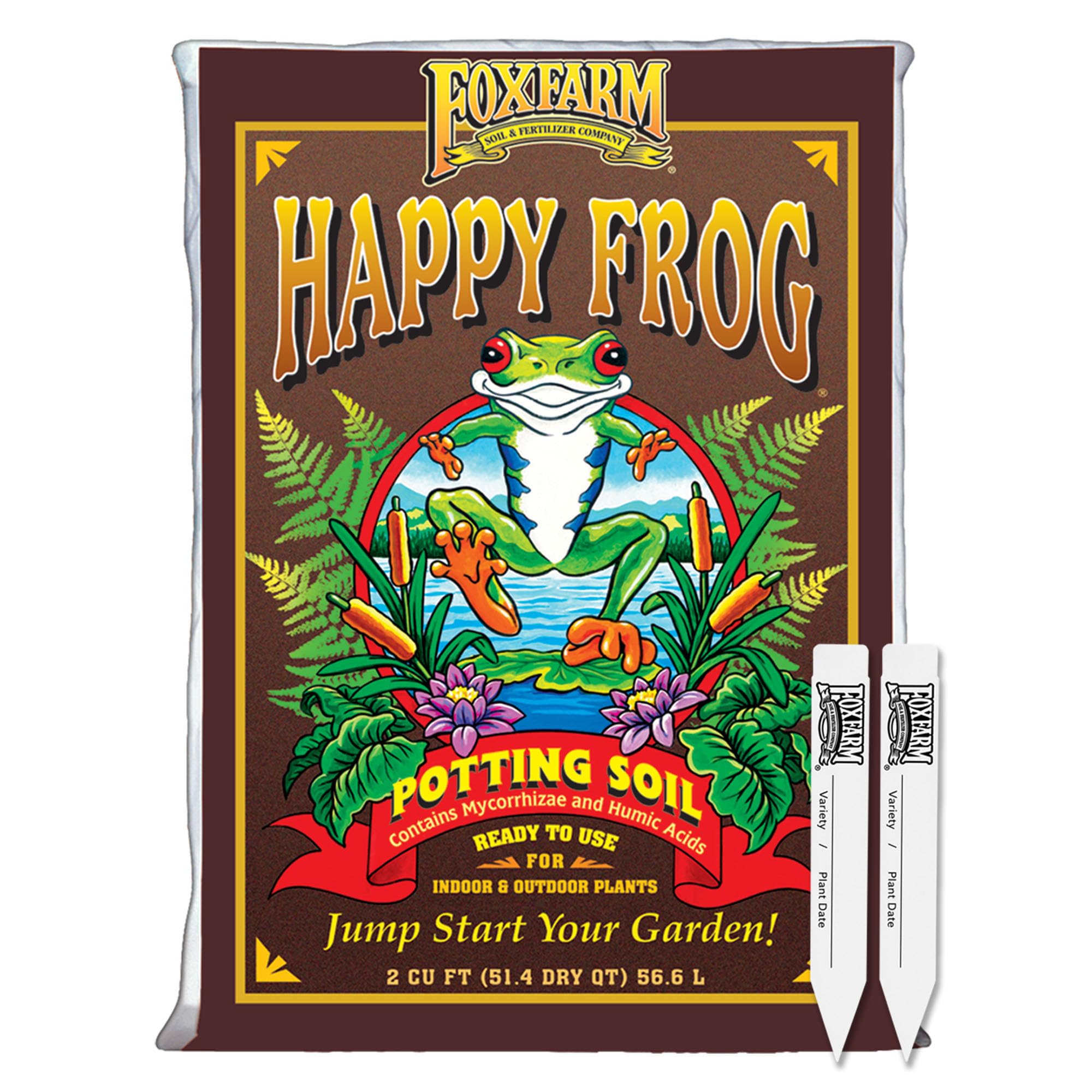
Happy Frog is FoxFarm’s slightly different take on premium potting soil. The 2-cubic-foot bag is even larger than the Ocean Forest, weighing 42 pounds, and it is alive with beneficial soil microbes and mycorrhizal fungi. These microbes help roots absorb nutrients more efficiently, which directly translates to better fruit and flower production. It is designed for container plants indoors or outdoors — fruits, vegetables, flowers, houseplants all benefit.
The crowd favorite — nearly 8,000 ratings — loves the rich texture and how quickly plants respond after repotting. The soil is a blend of 50-60% aged forest products, sphagnum peat moss, perlite, plus fertilizer from earthworm castings, bat guano, oyster shell, and dolomite lime. Owners say it holds water well but the risk of root rot is real if you overwater, so let the top dry out between drinks. The price tag draws mixed opinions; it is an investment. And at 42 pounds, the 2-cubic-foot bag is genuinely massive — you might need help moving it.
Like its Ocean Forest sibling, this is a premium bag for the gardener who wants every advantage for their plants. It is particularly praised for giving tomatoes and vegetables a visible boost.
What it delivers
- Beneficial soil microbes and mycorrhizae expand root development dramatically
- Rich nutrient blend from bat guano, earthworm castings, and oyster shell
- Large 2-cubic-foot bag covers multiple large containers
Consider before buying
- Expensive compared to standard potting mixes
- Extremely heavy bag (42 pounds) is difficult to move and lift
Best for: serious container gardeners who want enhanced root efficiency and are ready to handle a heavy bag.
Who should pass: casual plant owners who only need a small amount of soil or prefer lightweight, easy-to-carry bags.
3. Coast of Maine Bar Harbor Blend Potting Soil
The lobster-and-kelp enriched blend that makes tomato growers never go back.
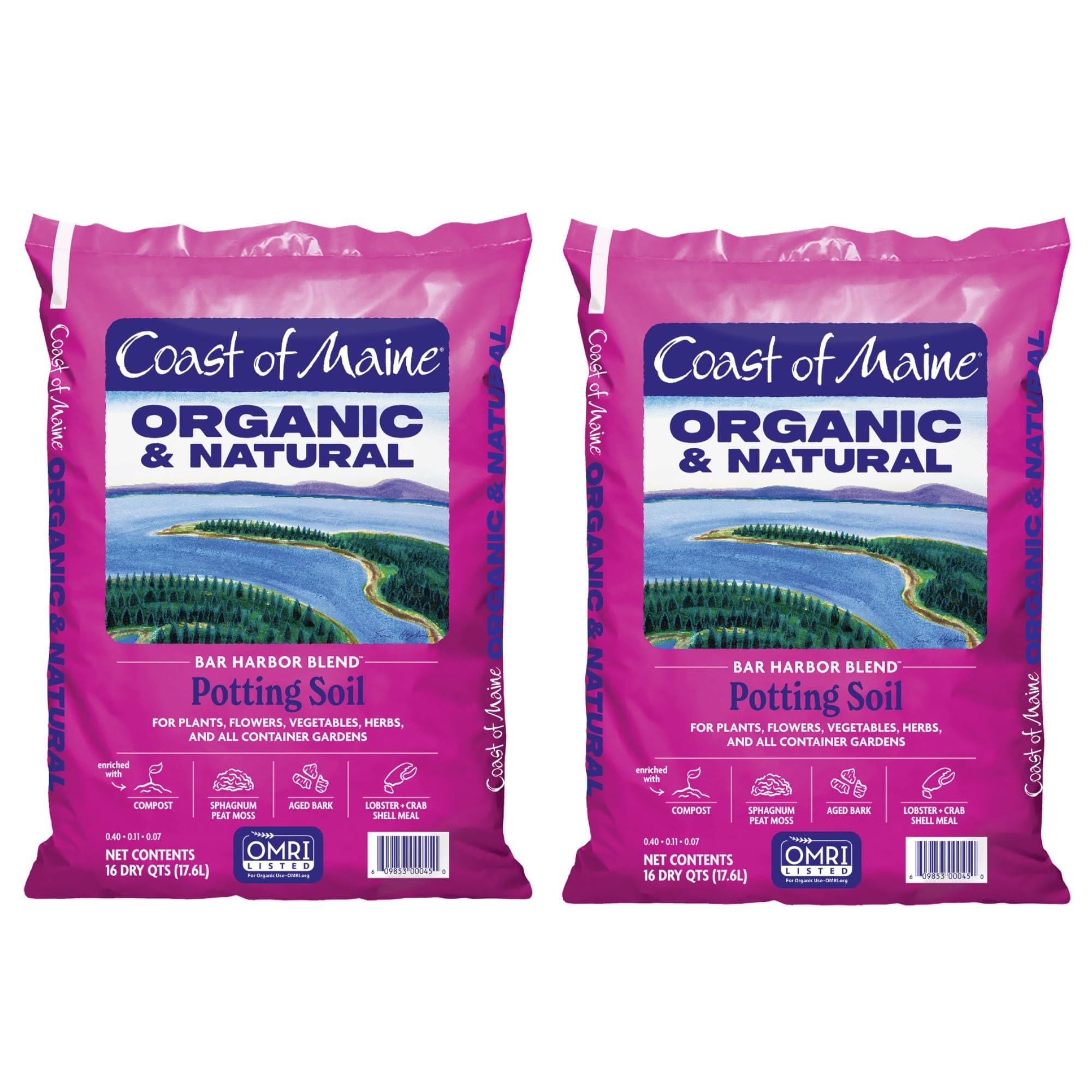
Coast of Maine brings something genuinely different to the potting soil aisle. The Bar Harbor Blend is formulated with sphagnum peat moss, compost, perlite, and two unusual ingredients: lobster and crab shell meal, plus kelp meal. That marine-based nutrition gives plants a slow-release source of nitrogen and trace minerals. The result, as long-time users put it, is a dark, rich soil that does not contain sticks and makes vegetable gardens flourish.
Quality is the most-discussed aspect here — over 55 owners call it out. The soil has a high compost content, giving it a dark color and a nutrient density that lighter peat-based mixes lack. It is approved for organic gardening and works for indoor and outdoor containers, raised beds, hanging baskets, and window boxes. The 16-quart bag is enough to mound up several potato plants or fill a handful of large pots. A very small number of owners have reported plant death, but that is a rare outlier against the overwhelming positive feedback.
Since 1996, Coast of Maine has focused on sustainable, regenerative practices. For the environmentally-conscious gardener who wants a unique, potent organic mix, this is a stand-out choice.
What makes it special
- Unique nutrient blend with lobster, crab shell meal, and kelp meal for slow-release feeding
- Rich, dark color indicates high compost content and low peat moss
- Approved for organic gardening and sustainable practices
The honest catch
- Premium price point is higher than standard mixes
- A small minority of owners experienced unexpected plant decline
Grab this for: organic vegetable gardens, container tomatoes, and anyone who wants marine-based, slow-release nutrients.
skip it if: you need a budget-friendly soil in bulk or prefer a lighter, peat-dominant mix for general houseplants.
4. Miracle-Gro Moisture Control Potting Mix 2-Pack

The plant insurance for anyone who forgets to water or tends to over-love their pots.
If your watering schedule is more “whenever I remember” than clockwork, this mix is built for you. The Moisture Control formula protects against both over- and under-watering by absorbing up to 33% more water than basic potting soil that lacks sphagnum peat moss, coir, and a wetting agent. That buffer means you can go a week or more without watering, even in hot weather, without the soil turning into a dust bowl or a swamp.
The 2-pack gives you 16 quarts total, and the bags are noticeably more manageable to carry than giant bulk options. The soil feeds plants for up to 6 months with built-in fertilizer, and the company claims it grows plants twice as big compared to unfed plants. Plant health is what owners praise most — the mix keeps potted flowers, vegetables, and houseplants thriving with less fuss. A few buyers report that non-mix pots dry out much faster by comparison, so the moisture control feature makes a real difference in daily care.
For the busy gardener or anyone who wants a reliable, forgiving soil that reduces watering chores, this is a smart choice.
The convenience payoff
- Moisture control technology protects against both over- and under-watering
- Feeds plants for up to 6 months with included fertilizer
- Absorbs 33% more water than basic potting soil without peat moss and coir
One limitation
- Not an organic or all-natural mix — contains synthetic wetting agent and fertilizer
- Less suitable for seed starting; designed for established container plants
Best for: container gardeners who struggle with consistent watering or want built-in feeding convenience.
Think twice if: you strictly use organic products or need a specialized mix for seed germination and seedlings.
5. Espoma Organic Potting Soil Mix 2-Pack

The organic workhorse that gets indoor plants growing visibly faster after repotting.
Espoma has a strong reputation among organic gardeners, and this mix lives up to it. The 8-quart bag (pack of two) contains a rich blend of sphagnum peat moss, humus, and perlite, enriched with earthworm castings, alfalfa meal, kelp meal, and feather meal. That is a serious lineup of natural ingredients designed to feed plants steadily without synthetic chemicals.
It also includes Myco-Tone, a blend of endo and ecto mycorrhizae that help roots form beneficial partnerships with soil fungi. Owners mention that plants respond immediately after transplanting — African violets perk up, variegated ivy takes off, and general plant health improves. The soil quality is the most praised aspect. A consistent complaint, however, is that some batches arrive very dry, making it hard for the soil to absorb water on first watering. And a recurring note is that some bags have been infested with fungus gnats — a problem not unique to this brand but worth knowing before you bring it indoors.
It works for indoor and outdoor containers including herbs and vegetables. For organic purists who want a trusted brand with mycorrhizae, this is a solid bet.
What works
- Organic ingredient list with earthworm castings, kelp meal, and feather meal
- Myco-Tone mycorrhizae blend enhances root development and nutrient uptake
- Plants show quick growth response after transplanting
Watch out for
- Some bags arrive excessively dry and need pre-moistening
- Occasional reports of fungus gnats in the soil
Choose this for: indoor houseplants, organic container gardening, and when you want mycorrhizae in the mix.
Skip if: you need a large volume of soil for many big pots or want a consistently moist texture right out of the bag.
6. Fiddle Leaf Fig Plant Food Potting Soil
The chunky, airy rescuer that revives struggling fiddle leaf figs in two weeks.
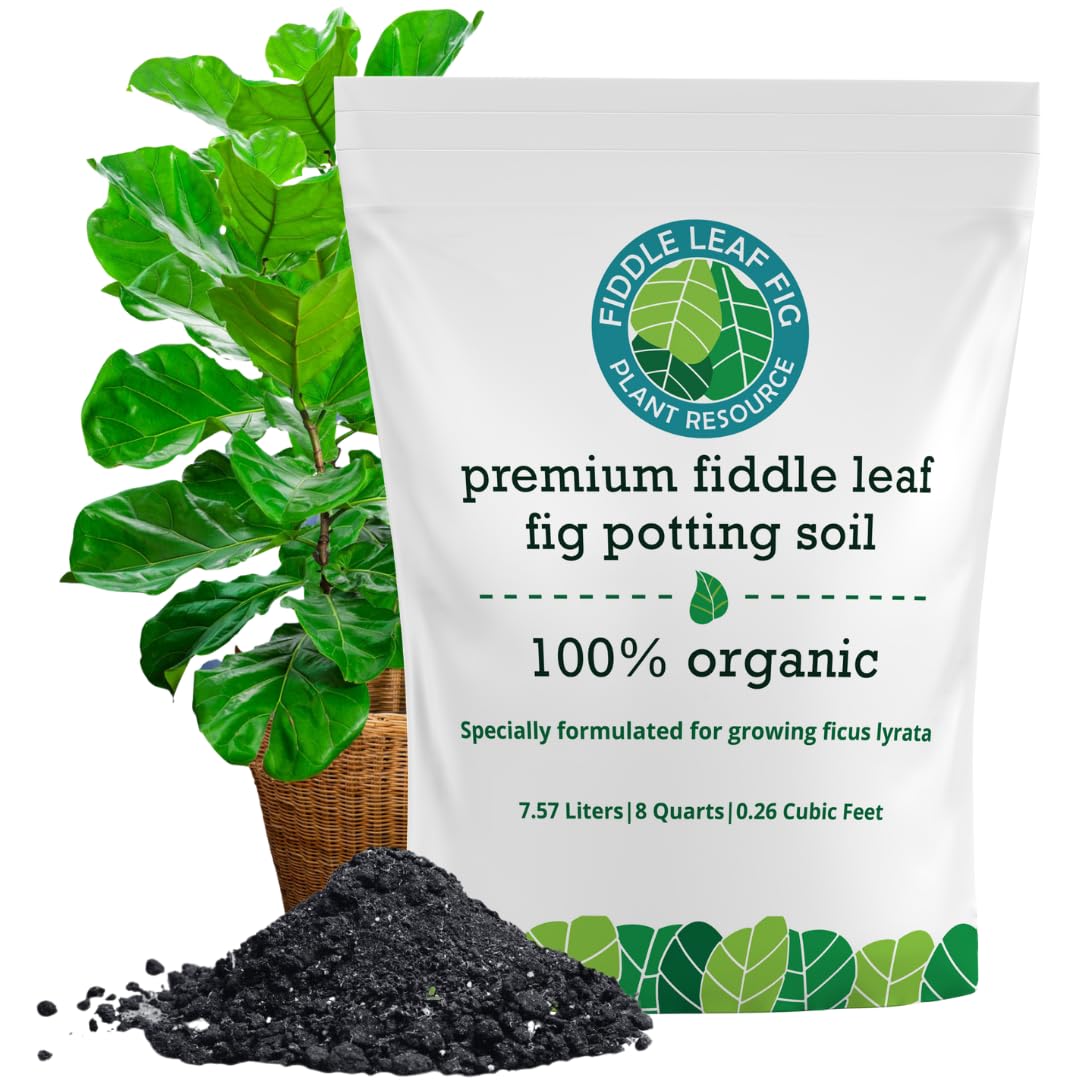
This soil is not a general-purpose mix — it is purpose-built for the notoriously finicky fiddle leaf fig and other ficus trees. The formula uses aged bark, green compost, and biochar to create a fast-draining, chunky texture that prevents the soggy soil these plants hate. The goal is fewer brown spots, yellow leaves, and leaf drop, and customers note that it delivers.
Reviewers point out that a fiddle leaf fig cutting with only tiny root nubbins after 8 weeks of water propagation grew two huge, healthy leaves once planted in this soil with a promoter. Others say an ailing tree recovered within two weeks after replacing the old soil. It is blended in small batches by a family business in Oregon using local ingredients and comes in a resealable bag to keep it fresh. The 7.5-liter size is modest, so expect to buy more than one bag if you have a large container.
The catch is real: a notable number of reviews mention that the soil arrived contaminated with fungus gnats, causing an indoor infestation. Many now recommend sterilizing the soil before use. It is expensive for the volume, but for a prized fiddle leaf fig, owners say it is worth it.
Why it stands out
- Optimally draining, chunky mix specifically for ficus and tropical houseplants
- Biochar and bark help prevent root rot and encourage strong root growth
- Visible results — shoppers say new leaves and plant recovery within weeks
Be aware
- Fungus gnat contamination is a recurring issue reported by multiple owners
- Small bag size (7.5 Liters) and high price mean low value for volume
Ideal for: fiddle leaf fig owners dealing with brown spots or slow growth who want a specialized, aerated mix.
Not for: general-purpose gardening or anyone with a tight budget who needs soil by the cubic foot.
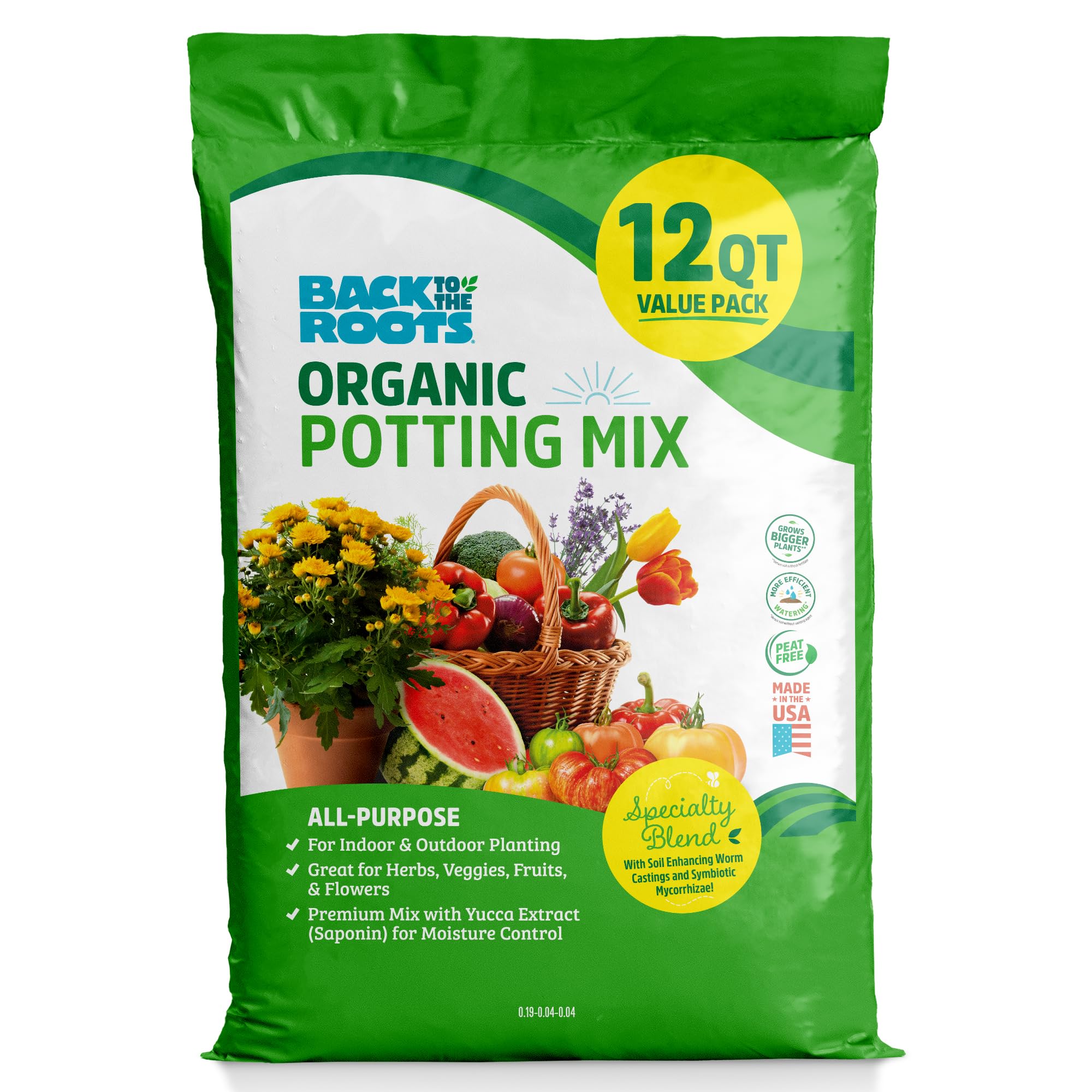
7. Back to the Roots All-Purpose Potting Mix (2-Pack)
The peat-free organic mix that gives you great value without sacrificing ethics.
Back to the Roots markets itself as the first premium 100% peat-free soil, and that alone is a big deal for environmentally-conscious gardeners. Mined peatlands release significant CO2, so skipping peat is a meaningful choice. This blend uses coconut coir, mycorrhizae, yucca extract, and pH-balancing dolomitic limestone instead. The yucca extract helps water and nutrients reach roots more efficiently.
The 2-pack gives you 6 quarts total, and the bags weigh just 4.4 pounds each — light enough to carry without breaking a sweat. Owners buy it repeatedly, with several reporting they are on their third or fourth purchase. It works well for transplanting established plants into larger pots and stays aerated. However, the coarse texture includes large bark particles, which owners say are not suitable for delicate seedlings. This is a mix for potting up bigger plants, not for starting tiny seeds.
Made in the USA with a 100% satisfaction guarantee. For budget-friendly organic potting that skips peat without skimping on quality, this is a winning pick.
The upsides
- 100% peat-free formula is better for the environment
- Includes mycorrhizae, coconut coir, and yucca extract for root health
- Lightweight bags (4.4 pounds) are easy to carry and store
The downside
- Large bark particles make it unsuitable for starting seeds or seedlings
- Small bag size (6 quarts total) goes fast for large projects
Good for: transplanting established houseplants and container vegetables without using peat.
Not for: seed starting or anyone who needs a fine, smooth texture for delicate roots.
8. Vermont Compost Company Fort Vee Organic Potting Mix

The seed-starting powerhouse that gives you near-100% germination with the right technique.
Vermont Compost Company is a specialist in compost-based soils, and the Fort Vee mix is their flagship for seed starting and heavy feeders. Instead of relying on peat alone, it blends composted manure and plant materials with blonde horticultural-grade sphagnum peat moss, crushed granite and basalt (for slow-release minerals), blood meal, kelp meal, steamed bone meal, and mined gypsum. The result is a fluffy, light mix with visible gold flakes of vermiculite that help with aeration and drainage.
What seed starters love is the germination success. Buyers report 100% germination with geraniums and petunias, and marigolds sprouting in just three days. The mix holds water well even in 90°F heat, cutting down on how often you need to water trays. It is specifically designed for soil blocks — the mix holds its form perfectly. That said, the texture does include some large bark pieces and occasional debris, which some find woody or inconsistent. It is also the priciest option on this list by volume.
For the serious seed starter who wants a rich, compost-heavy mix with long-lasting nutrition, this is a top-tier choice.
What excels
- Excellent seed germination results reported by many owners
- Compost-based formula with slow-release minerals from granite and basalt
- Holds form perfectly for soil block making
What to note
- Texture includes large bark and occasional debris, which some find excessive
- Highest price point on this list for the volume offered
Reach for this if: you are serious about seed starting, use soil blocks, and want a nutrient-dense, compost-based medium.
Look elsewhere if: you want a low-cost mix for general potting or prefer a finer, screened texture without debris.
9. Midwest Hearth Premium Potting Soil Mix

The light, fluffy mix that punches above its price for seed starting and small pots.
This unassuming bag from Midwest Hearth uses the same formulation that professional growers rely on: a balanced blend of peat moss, vermiculite, and perlite. The texture is light and fluffy, which means it drains well without getting soggy. It is pH-controlled for a broad range of plant types, so you do not have to worry about acidity issues common with pure peat mixes.
Seed starters in particular love this mix — one owner called it “great for my germinating petunias,” and many note it does not harden around roots the way cheaper soils do. The 8-quart bag is modest, and that is the most common gripe: multiple buyers wish it were larger. It is also on the pricier side when calculated per quart compared to bulk bags, but the quality justifies the cost for small-scale use. It is made in the USA and comes in a resealable bag that keeps the mix fresh between uses.
For the home gardener who needs a small, high-quality batch for seed starting, herbs, or a few houseplants, this delivers without forcing you to store a massive bag.
What you get
- Light, fluffy texture with excellent moisture retention and drainage
- pH-controlled for a wide variety of plant types
- Works great for seed starting and small container plants
The only issue
- Small bag size (8 dry quarts) is not ideal for large gardening projects
Perfect for: seed starting, small containers, and anyone who values a high-quality light mix over maximum volume.
Not for: filling raised beds or potting many large containers at once.
Understanding the Specs
Volume (Cubic Feet vs Quarts)
Bigger numbers mean more soil, but the unit matters. A 1.5-cubic-foot bag is roughly 45 dry quarts. If you are filling a large planter, a 20-quart bag might only fill one or two pots. For a few houseplants, a 6-to-8-quart bag is plenty. Always check the volume unit — quarts and cubic feet are not the same.
Key Ingredients (Perlite, Peat, Compost)
Perlite (the white rocks) creates air pockets for roots. Peat moss or coconut coir holds water. Compost adds nutrients. A good mix has all three in visible amounts. If a bag feels like pure sawdust or has no visible perlite, it will likely compact and suffocate roots.
FAQ
Can I use potting soil for seed starting?
Is expensive potting soil worth the extra cost?
What causes fungus gnats in potting soil?
Can I reuse potting soil from last season?
What is the difference between potting soil and garden soil?
Does organic potting soil mean no chemicals at all?
How often should I fertilize plants in pre-fertilized soil?
Why does my potting soil get hard and crusty on top?
What is the best potting soil for indoor houseplants?
Does the weight of a potting soil bag tell me anything about quality?
Final Thoughts: The Verdict
For most buyers, the good potting soil winner is the FoxFarm Ocean Forest because it delivers consistent, nutrient-rich quality that works across houseplants, vegetables, and herbs without needing extra amendments. If you want organic peat-free potting with excellent value, grab the Back to the Roots mix. And for seed starting and soil block enthusiasts who demand near-perfect germination, the Vermont Compost Fort Vee is the one to reach for.
How We Picked
We do not accept paid placement. Every pick is matched to a real buyer and a real use-case; we do not hands-on test units.
Sources & Methodology
Specifications: manufacturer listings and product documentation. Review insights: verified customer reviews, as of July 2026. Pricing: not shown on this page (it changes often); check the current price via the retailer link.
As an Amazon Associate, Lawn Gear Lab earns from qualifying purchases. This does not affect which products we feature.