
Specs are compiled from manufacturer listings and verified buyer reviews and can change over time — please confirm the key details on the product page before buying.
You are staring at another patch of packed clay, a knot of roots, or a weed that has clearly settled in for life. A flimsy tool bends, blunts, or simply bounces off the ground — wasting your time and testing your patience. The right heavy duty garden tool turns that chore into one clean swing and a satisfying scoop.. The difference is steel gauge, handle construction, and edge geometry engineered for impact..
I’m Rikta — the founder and writer behind Lawn Gear Lab. This guide is built by comparing the manufacturers’ published specifications and the patterns across verified customer reviews, so you get each pick’s real strengths and trade-offs instead of marketing spin.
You want tools that survive the season and reduce strain on your body.. This roundup of the best heavy duty garden tools is built around honest owner experience and real build specs so you know exactly what you are buying before you click.
Our Picks at a Glance

How To Choose The Best Heavy Duty Garden Tools
Gardening tools labeled “heavy duty” often bend on the first hidden rock.. Knowing what to check before buying prevents a broken shovel mid-project.. Focus on three elements: the steel, the handle, and the connection between them.
Blade Material and Gauge
The thickness of the steel — its gauge — determines whether the blade crumples or cuts through. A 12-gauge head is significantly thicker and more resistant to bending than a 14-gauge. Carbon steel blades hold a sharp edge longer than standard steel, and a powder-coated or rust-resistant finish keeps the tool alive through wet seasons.
Handle Construction and Reach
A handle that splinters, flexes, or snaps under leverage renders the tool useless.. Fiberglass handles resist weather and absorb some vibration, while forged steel shafts transfer every bit of your power directly into the ground. Length matters, too — a 58-inch handle lets you stand upright while hoeing, sparing your lower back from the hunch.
Joint and Head Attachment
The weakest point on most tools is where the head meets the handle. Look for double-riveted connections, welded ferrules, or a solid steel tang that runs deep into the handle. A head that loosens after ten swings will need replacement before the season ends..
Quick Comparison
| Model | Best For | Weight | Handle Material | Blade Type | Amazon |
|---|---|---|---|---|---|
| Root Slayer 22011 Shovel★ Best Overall | Root-cutting in tight spaces | 5 lb | Resin-Encased Steel | Serrated Carbon Steel | Amazon |
| Nohovu Garden HoeBest Value Hoe | Lightweight, long-reach weeding | 2.7 lb | Fiberglass | High-Carbon Steel | Amazon |
| Spear & Jackson SpadeClassic Forged Steel | Precision digging in tough soil | 5.43 lb | Weatherproofed Hardwood | Forged Carbon Steel | Amazon |
| Bully Tools 12-Gauge Hoe | Heavy weeding and soil cultivation | 3.2 lb | Fiberglass | 12-Gauge Tempered Steel | Amazon |
| Truper Cutter Mattock | Root chopping and trenching | 7.63 lb | Fiberglass | Forged Steel Dual-Head | Amazon |
| Bully Tools Warren Hoe | Commercial-grade weeding | 3.07 lb | Fiberglass | 12-Gauge Steel | Amazon |
| Fiskars IsoCore Mattock | Shock-free root and rock work | 2 lb | Fiberglass + Steel Tube | Forged Alloy Steel | Amazon |
| Truper Lane Hoe No. 3 | Large-area soil prep | — | Fiberglass | Forged High-Carbon Steel | Amazon |
| Fiskars 60″ Pro Shovel | Deep digging and prying | 2 lb | Aluminum | Alloy Steel | Amazon |
In‑Depth Reviews
1. Root Slayer 22011 Garden Shovel, Serrated Blade, Red
Our pick — over 4.5★ from 11,500+ verified ratings; the strongest balance of quality and price.
The shovel that makes buried roots shudder — a serrated blade that bites where others bounce.
This is the tool that nearly 12,000 owners have pushed into hard, root-filled ground and come away raving about. The defining feature is the sharpened inverted V cutting tip — a V-shaped point that slices through stubborn roots and packed dirt as you dig. The blade itself is 13 inches of carbon steel with a powder-coated finish to resist rust, and the shaft is resin-encased steel, lending it strength without adding a hollow feel. What wins people over is quality (over 1,200 owners single it out) and root cutting ability (over 1,000 mention it), which tells you exactly what this shovel does best.
The raised foot treads prevent your boot from slipping off in wet clay, buyers report, and the ergonomic grip reduces hand strain during longer sessions. The trade-off is real: at 5 lb it is noticeably heavier than a standard garden shovel. One owner who gifted it to a landscaping grandson put it plainly: it is “very functional but also very heavy.”
What Owners Praise Most
- Serrated edge cuts through roots better than any standard shovel
- V-shaped tip provides instant penetration in compacted or clay soil
- Raised footrest gives solid grip in slippery conditions
The One Honest Drawback
- At 5 lb, it is heavy for extended dirt-moving or for users with less upper-body strength
Reach for this if: you battle roots daily — planting, transplanting, or clearing soil full of old tree roots.
Think twice if: you need a lightweight all-purpose mover; the weight wears you down fast scooping loose soil.
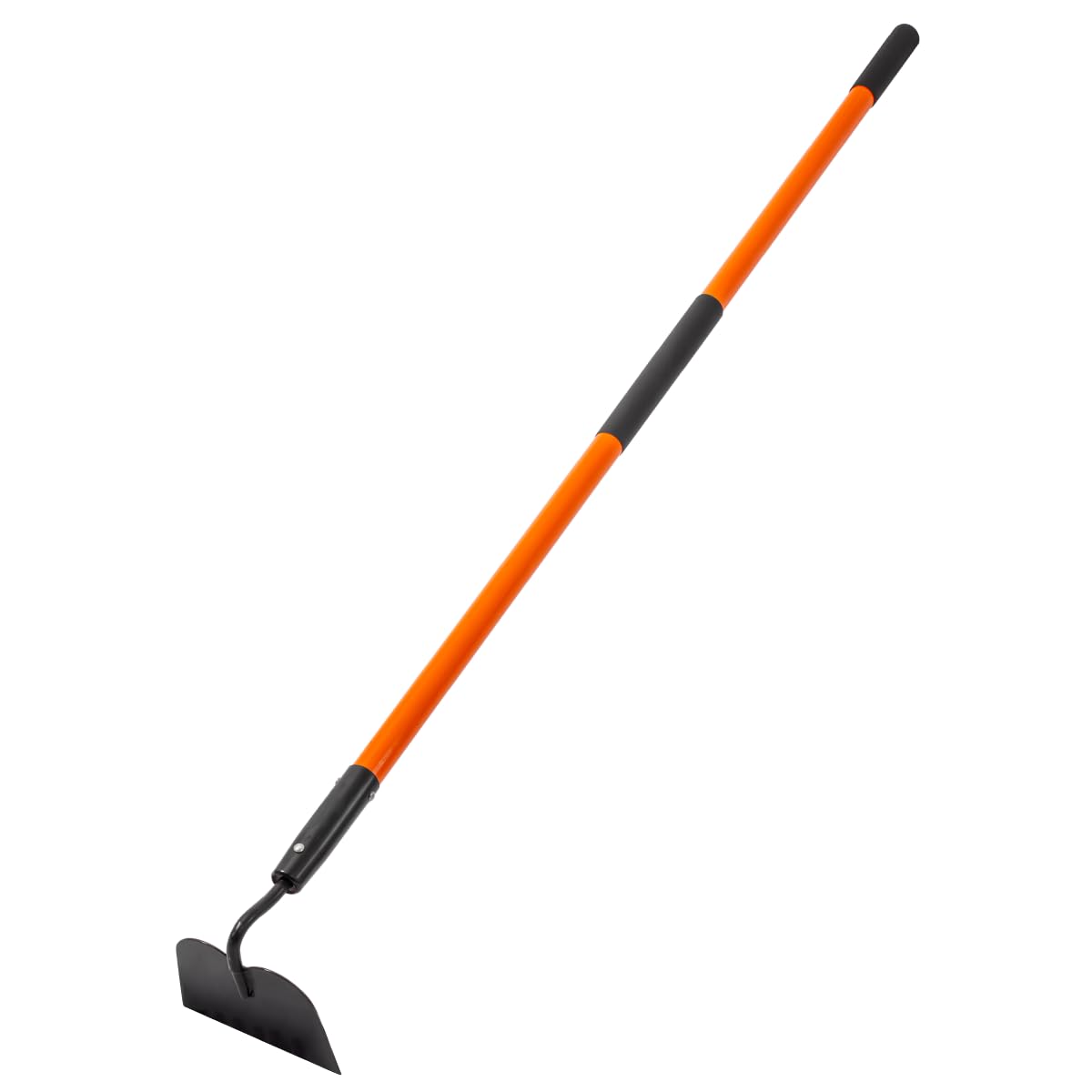
2. Nohovu Garden Hoe Tool, 58 Inches
A 58-inch handle that saves your back while the blade chops weeds cleanly at the root.
Standing upright while weeding changes the whole experience — and the Nohovu’s 58-inch overall length is designed for exactly that. The heavy duty garden hoe has a 6.3-inch wide high-carbon steel blade that is heat-treated for toughness and coated to resist rust, so coverage per swing is generous. The double-riveted connection between the handle and head ensures the blade stays locked on, even when you are chopping into stubborn ground. Build quality is what owners praise most, with 18 buyers highlighting it specifically, and sturdiness not far behind at 11 mentions.
At only 2.7 lb, this hoe is noticeably lighter than the Spear & Jackson spade (5.43 lb), making it far easier to swing for extended weeding sessions. Owners mention a “lightweight fiberglass shaft, no flex, cushioned grips” — and note that the stock blade arrives with a flat edge that benefits from a quick file bevel for maximum sharpness. The majority of owners find this an excellent chopping hoe that “easily removes weeds by the roots.”
Strongest Suits
- Long reach reduces back strain during prolonged weeding
- Light at 2.7 lb, yet the fiberglass shaft shows no flex under pressure
- Dual non-slip grips keep your hands secure even when wet
A Fair Heads-Up
- Some owners find the blade edge dull from the start and recommend a quick sharpen before first use
Perfect for: the gardener who wants to weed standing straight — saving their lower back from the stoop.
Give it a pass if: you prefer a heavyweight chopper; this hoe is built for efficiency, not blunt-force demolition.
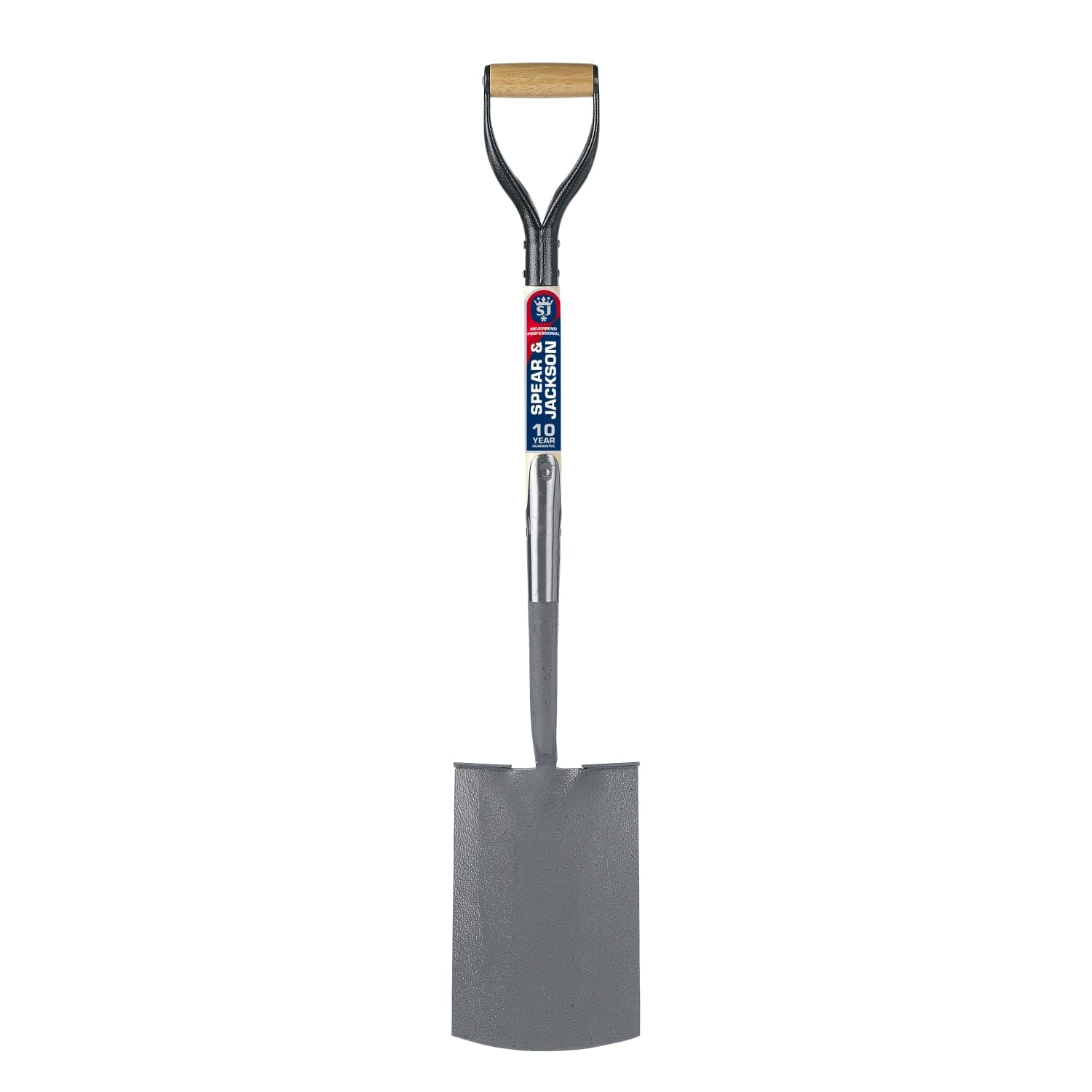
3. Spear & Jackson Neverbend Professional Treaded Digging Spade
A forged carbon steel spade that carries its weight as a promise — not a compromise.
When buyers call a spade “tough as crap,” you know it means business. This Spear & Jackson spade is built from forged carbon steel, which means the blade is shaped under extreme pressure into a dense, grain-structured metal that resists bending. The top edge is treaded — a series of ridges that give your boot serious grip when you push down, so your foot does not slip off in wet soil. At 5.43 lb, the weight is in line with the Root Slayer shovel, but the construction here is a traditional digging spade with a weatherproofed hardwood shaft that stands up to the elements across seasons.
The recurring owner sentiment is that the spade is “well made” and “sturdy,” with the weight feeling commensurate with its sturdiness. One buyer summed it up: “Good quality, weight commensurate with sturdiness…. let’s see if lasts a lifetime.” It is noticeably heavier than the Nohovu hoe (2.7 lb), which makes sense — this is designed for deep, precision digging and edging, not quick surface weeding.
Built for the long dig: The forged carbon steel blade and treaded edge make this spade a reliable partner for breaking ground, edging borders, and planting trees. The hardwood handle is comfortable but traditional — no shock-dampening tech here, so you feel every bit of impact through the shaft.
Grab this if: you value old-school build quality and need a spade that will survive rocky, compacted ground for years.
skip it if: you want a longer handle or a cushioned grip — some buyers wish for a long-handle version and the wood shaft transmits vibration.
4. BULLY TOOLS 12-Gauge Garden Hoe

A 12-gauge paddle draw hoe built in Ohio that cuts weeding time in half.
This is a draw hoe — you pull it toward you, and the sharpened paddle blade dislodges weeds cleanly at the root. The head is 12-gauge tempered steel from the USA. It measures 5.25 inches long by 6.25 inches wide, which is a sweet-spot size for working between rows and inside raised beds without banging into neighboring plants. The fiberglass handle runs 58 inches total, coated in polyester veil to prevent splintering, with a rubber grip at the end to cut down hand fatigue during long sessions.
Durability is the thing owners praise most — 60 buyers mention it — and quality follows at 46. One owner calls it a “beast of a garden tool” that cuts garden work time in half, while another notes the “perfect weight” for a 180 lb male user. It is heavier than the Bully Tools Warren Hoe at 3.2 lb, but that extra heft comes from the thicker steel head. The same owner flags that rust developed after six weeks and recommends oiling, so keep a rag handy.
What Stands Out
- 100% USA-made tempered 12-gauge steel head resists bending through tough clay and rocks
- Long 58-inch fiberglass handle keeps you upright and reduces back strain
- Over-welded neck prevents head separation during heavy use
One Thing to Watch
- Some customers note surface rust after a few weeks if not oiled; it benefits from occasional maintenance
Best for: the gardener who wants a tough, openly American-made tool for heavy weeding, soil turning, and chopping.
Not for: anyone wanting a feather-light tool — the durable steel adds heft that some find tiring for all-day use.
5. Truper 5 lb Cutter Mattock, 36-Inch
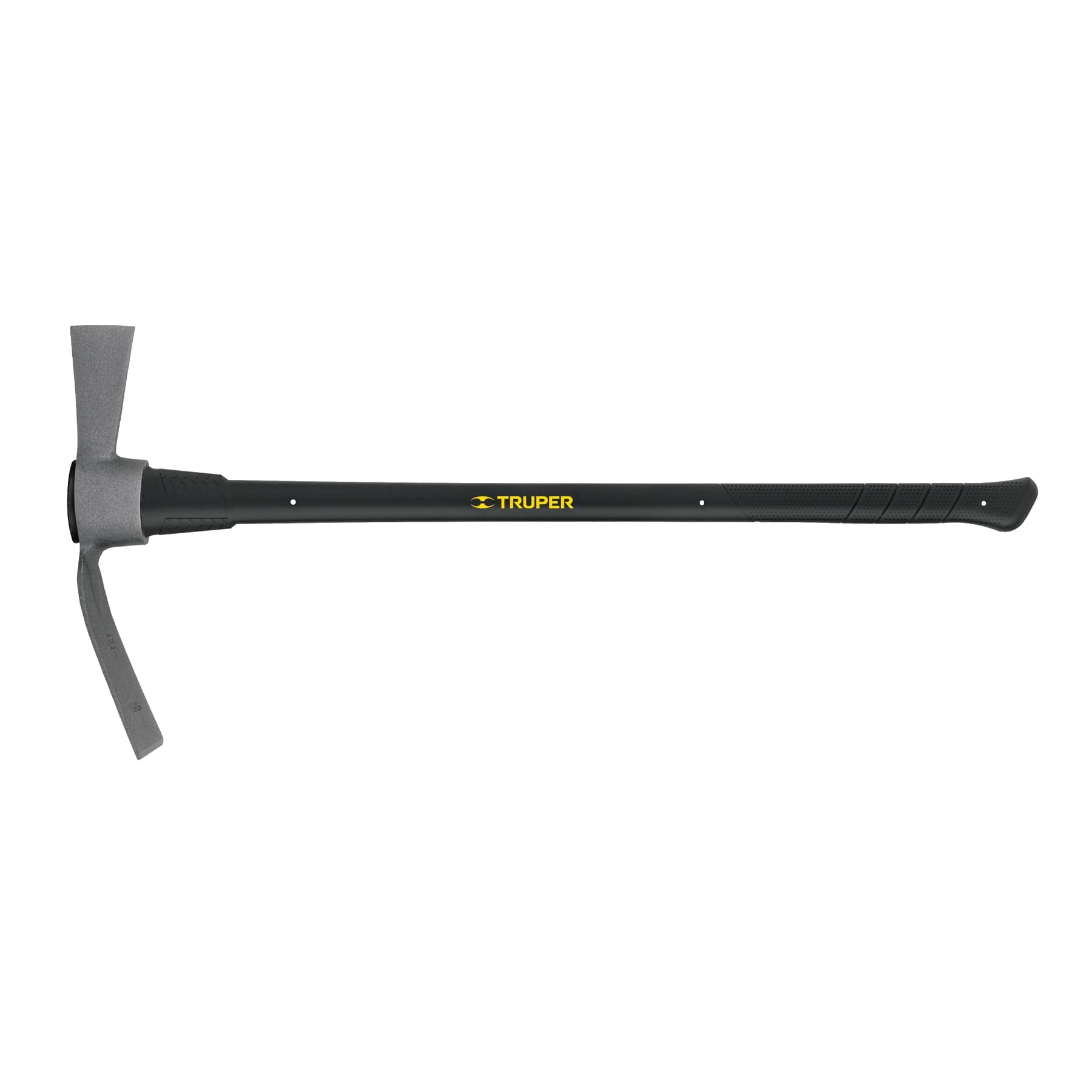
A dual-head mattock that turns stumps into kindling and hard clay into loose soil.
When you need to clear land or dig out a stump, a shovel is not the right tool — this mattock is. The Truper packs a 5 lb forged steel head with two sides: a sharp vertical cutter blade for slicing through roots, and a wide horizontal mattock for heavy digging and trenching. The 36-inch industrial-grade fiberglass handle is designed to resist rot, warp, and splinter in a way wood handles cannot. The shock-absorbing grip dampens vibrations, which matters when you are swinging a 7.63 lb tool repeatedly.
Quality is what owners praise most (61 mentions), with sturdiness close behind at 48. One owner calls it a “root/stump destruction machine” that turned a 3-4 weekend digging job into a single afternoon. Another notes the blade stays sharp even after cutting through palm roots and that the handle absorbs vibration well for a 6’4″ user. The weight is the trade-off — at 7.63 lb, it demands breaks, but as owners agree, “you need this tool to be heavy” to do its job.
Brute force, refined: The Truper mattock is a serious piece of ground-breaking equipment. It is heavier than the Fiskars IsoCore (2 lb) at 7.63 lb versus 2 lb, but that mass is what powers through tree roots without bouncing. Not a casual weeding tool — a stump-eradication tool.
Buy this if: you are clearing land, removing stumps, or digging trenches through rocky soil — jobs that would wreck a standard shovel.
Avoid if: you have light garden tasks; this is too heavy and aggressive for routine bed cultivation.
6. BULLY TOOLS Warren Hoe Professional 12-Gauge
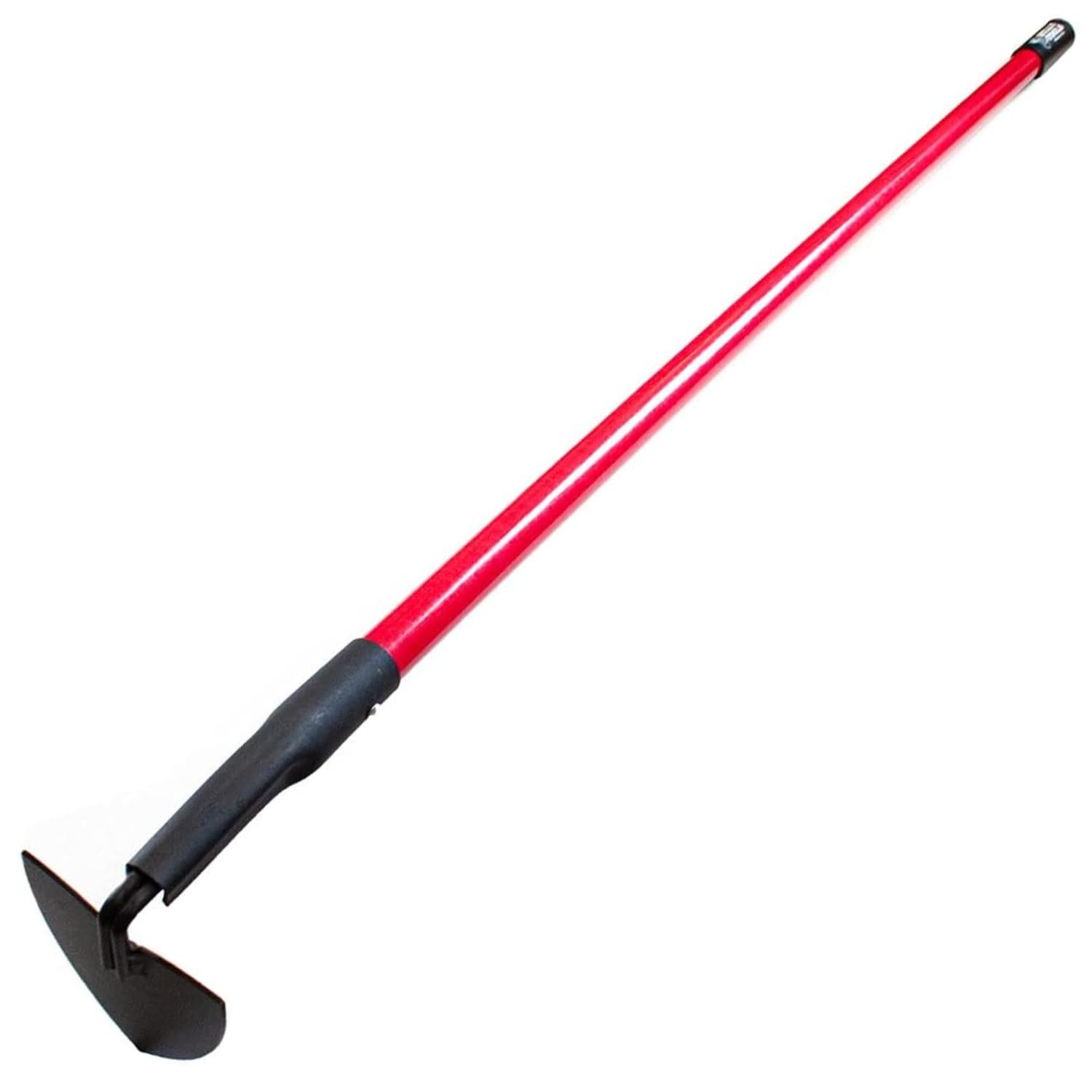
A warren hoe built like a tank for commercial-grade weeding between tight rows.
A warren hoe has a pointed, triangular blade that is ideal for close cultivation — getting into tight spaces between plants without damaging them. This one from Bully Tools uses a 12-gauge steel head, extra thick to resist bending, with an extended steel ferrule that reinforces the neck-to-handle joint. At 3.07 lb, it is slightly lighter than the paddle draw hoe version (3.2 lb) but shares the same 100% USA-made quality and fiberglass handle construction with triple-wall strength.
Quality is the top positive aspect here with 78 owners highlighting it, and sturdiness follows at 63. One long-time Bully Tools owner notes that their warren hoe lasted four years of relentless use before the head finally gave out — and Bully Tools honored the limited lifetime warranty. The weight draws mixed feedback, with 43 owners mentioning it: some find it “heavy duty and super strong….also heavy,” while others consider it well-balanced for the work.
Precision meets durability: This warren hoe excels at detailed weeding where you need accuracy without sacrificing strength. The extended steel ferrule adds stability at the joint, a weak point on lesser hoes.
Choose this for: targeted weeding in raised beds and close rows where a wider blade would damage neighboring plants.
Look elsewhere if: you need a broad chopping hoe for open-field clearing — the paddle draw hoe above is the better fit for that job.
7. Fiskars IsoCore Pickaxe Mattock, 1.5 lb

A 2 lb mattock with a patented shock system that leaves your joints thanking you after a long day.
Every swing of a standard pickaxe sends a jolt up through the handle into your hands, elbows, and shoulders. Fiskars solved that with the IsoCore Shock Control System, which absorbs impact and transfers less shock and vibration than standard pickaxes. The head weighs only 1.5 lb, making the total tool just 2 lb — dramatically lighter than the Truper mattock (7.63 lb) and designed for control rather than pure mass. The forged steel head is inseparably riveted, so there is no wobble even after forceful swings.
Owners praise the balance and grip, calling it “very well made” and noting it “feels lighter weight than our previous one.” One long-time gardener writes: “This is the one tool every gardener should have. I use it to weed, to dig holes for plants, chop small roots etc.” The trade-off: at this weight, you are trading raw splitting power for versatility and comfort. It handles roots and clay beautifully, but for the heaviest stump removal, the heavier Truper is still the right call.
The Smart Design
- IsoCore technology dramatically reduces hand and joint fatigue during repeated swings
- At 2 lb total, it is easy to carry in a backpack for trail or fence-line work
- Non-slip textured handle keeps the swing on target even with sweaty hands
The Honest Limit
- Lighter head means less momentum in one blow; you may need more swings on thick roots than with a heavier mattock
Ideal for: the gardener who wants one tool for digging, weeding, and light root chopping — without the next-day joint pain.
Not for: heavy land clearance or deep trenching through rocks; the Truper carries more mass for brute-force jobs.
8. Truper Lane Hoe No. 3, 54-Inch
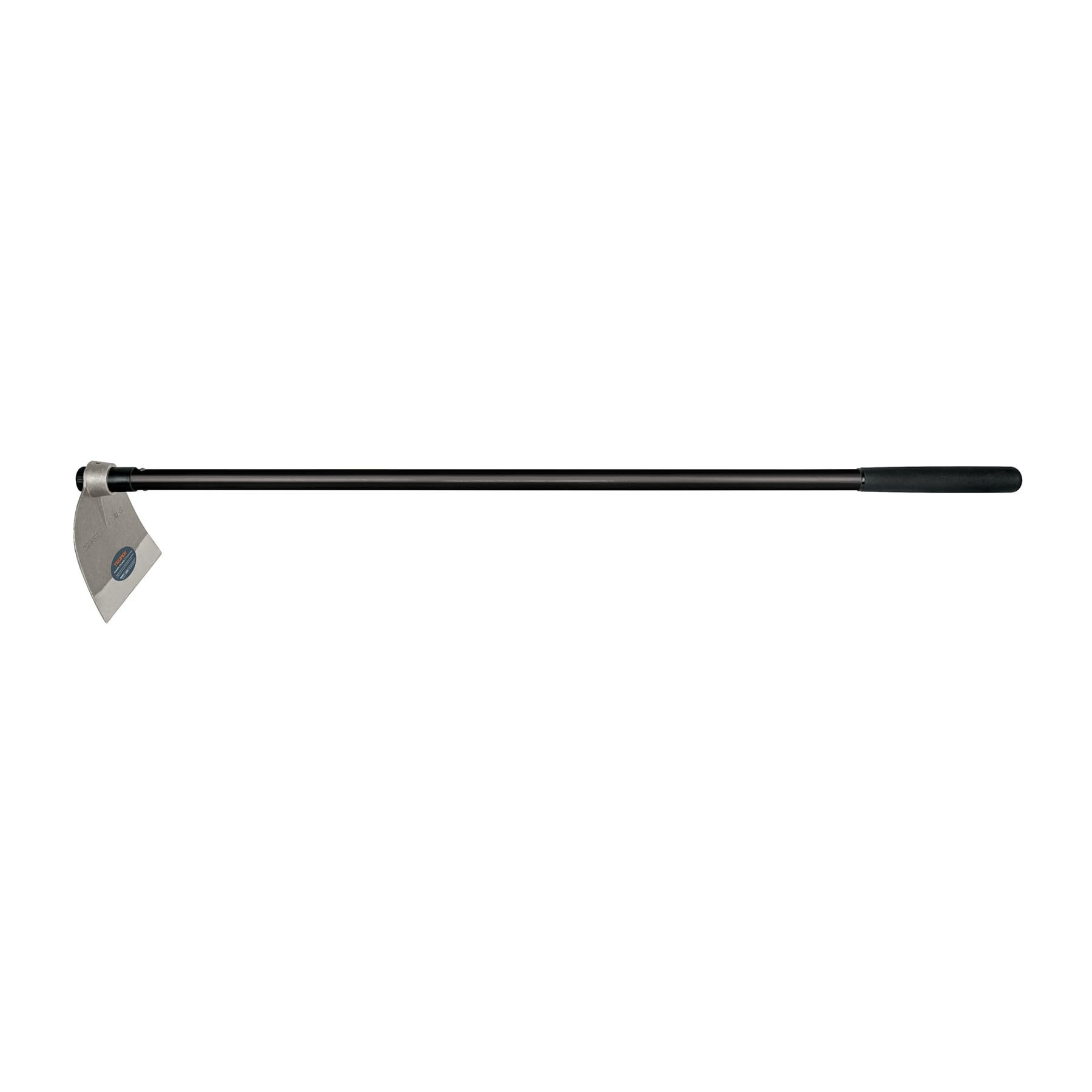
An 8.5-inch forged blade that moves dirt faster than any smaller hoe in the shed.
A lane hoe is designed for large-scale soil preparation — and the Truper No. 3 delivers with an 8.5-inch by 8.5-inch forged one-piece head. The head is forged as a single piece with a central rib that improves impact resistance and reduces vibration, so you feel less chatter through the handle during heavy work. The blade arrives pre-sharpened and polished, ready to cut through soil immediately. The 54-inch fiberglass handle is more resistant to weathering than wood, and at this length, you cover ground efficiently without stooping.
Quality is what owners praise most, at 29 mentions, with functionality at 19. One owner describes it as “a heavy duty tool for serious work” that dug an 18-inch deep, 36-foot ditch for a drain pipe through tough red clay with little wear. Another calls it “super light, great length, very sturdy.” The handle length and durability draw mixed feedback — some report breakage, though most find it built to last for a lifetime of work. Note that the head here weighs 2.1 lb, so it is lighter than the Bully Tools paddles but covers more area per pass.
Speed over brute force: The massive blade makes this hoe the best pick for prepping large garden beds, tilling, and moving soil. Not as precise as a warren hoe, but far faster across open ground.
Reach for this: when you have a large plot to turn over, rows to hill, or a ditch to dig — this hoe moves material in volume.
Leave on the rack if: you need a delicate weeder for tight plant spacing; the 8.5-inch blade is too wide for close work.
9. Fiskars 60″ Pro Garden Shovel, Heavy Duty Steel
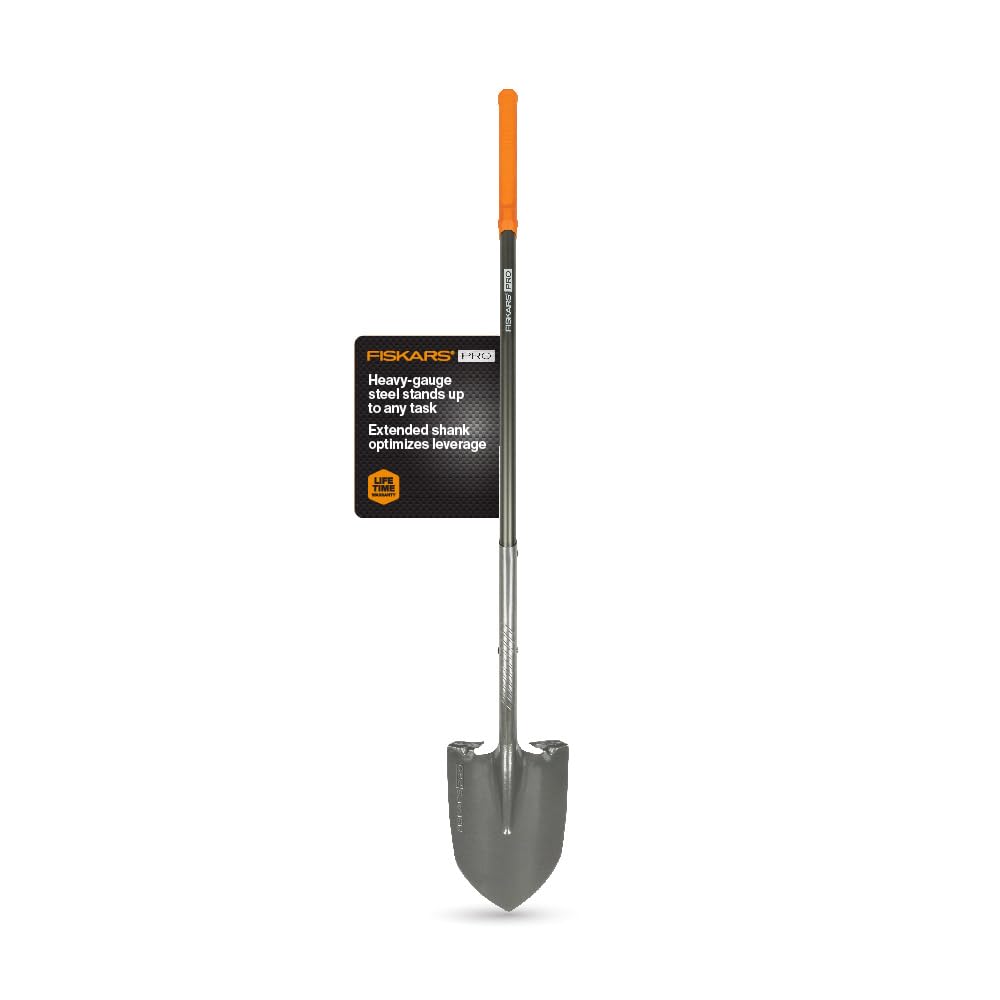
A 60-inch aluminum-handled shovel that pries and digs without bending — owners call it a beast.
A full-size shovel that combines a heavy-gauge sharpened steel blade with an aluminum handle is a rare thing — aluminum keeps the total weight down to 2 lb while the steel does the cutting. The teardrop-shaped shaft is designed to fit your hand better for more control when prying and levering. The blade stays sharp through heavy use, making this ideal for tough soil, rocky ground, and prying out buried roots or even concrete-encased fence posts without the blade separating from the handle.
Durability is what owners praise most (41 mentions), and quality follows at 34. One owner says this shovel “survives digging rocks where wooden shovels break,” and another calls it “the best darn shovel I have ever owned.” A few find the weight mixed (11 mentions) and the value for money is also debated (6 mentions) — it sits at the premium end of the price spectrum. The lifetime warranty backs the investment, though, and the build quality is unmistakably Fiskars Pro series.
Why It Earns the Premium
- Aluminum handle keeps the shovel light despite a heavy-duty gauge steel blade
- Teardrop shaft design improves grip and control during prying motions
- Full lifetime warranty from a brand with decades of proven reliability
The Consideration
- Scratches can arrive on the blade from shipping; not a durability issue but a cosmetic one some owners note
Perfect for: the serious gardener or landscaper who wants a lightweight, full-length shovel that can take prying abuse without snapping.
Not the pick if: you are on a tight budget or need a short-handled shovel for tight spaces — the 60-inch length is for open ground and leverage.
Understanding the Specs
Blade Gauge (12 vs 14 vs 13)
The gauge number tells you how thick the steel is. A lower number means thicker steel — 12-gauge is noticeably tougher than 14-gauge and less likely to bend or warp when you hit a rock or root. A 13-gauge blade sits in the middle, offering a balance of durability and weight. For heavy duty garden tools, aim for 12-gauge if you can manage the heft.
Handle Material and Length
Fiberglass handles resist weather, rot, and splintering better than wood, making them ideal for tools stored in a damp shed or left out in the elements. Wood handles absorb some vibration but can crack over time. Aluminum handles keep the total tool weight very low but transfer more shock. Length matters for your back — a 58-inch handle lets you stand upright while hoeing, while a 36-inch handle gives you more control for close chopping.
Shock Absorption
Every swing of a heavy tool sends vibration up the handle and into your hands, elbows, and shoulders. Patented systems like Fiskars IsoCore use a specialized material inside the handle that dramatically reduces the vibration that reaches your body. Standard grips (rubber or cushioned foam) help with grip comfort but do little to dampen the shock of impact. If you have joint concerns or do a lot of heavy chopping, shock-absorbing technology is worth the upgrade.
Head-to-Handle Connection
The weakest point on any heavy tool is where the head meets the handle. A double-riveted or over-welded connection is far more reliable than a simple pin or glue bond. An extended steel ferrule — a metal sleeve at the neck — adds extra reinforcement at this joint and prevents the head from loosening over time. For a tool that gets heavy use, look for these reinforced connections specifically.
FAQ
What does 12-gauge steel mean on a garden hoe?
Is a fiberglass handle better than wood for heavy garden tools?
How long should a heavy duty garden shovel last?
Can I use a mattock for routine weeding?
What is the difference between a draw hoe and a warren hoe?
Does a serrated shovel blade actually cut roots better?
What is the best handle length for reducing back strain?
Is a heavier tool always more durable?
How do I maintain a heavy duty garden tool to prevent rust?
What does “forged carbon steel” mean compared to stamped steel?
Final Thoughts: The Verdict
For most people, the best heavy duty garden tools winner is the Root Slayer 22011 Shovel because its serrated blade and V-shaped cutting tip turn root-infested soil into manageable work, backed by over 1,000 owners praising its cutting ability. If you want a lightweight, back-friendly weeding tool that will not wear you out, grab the Nohovu Garden Hoe. And for heavy stump removal and trenching where you need pure mass behind each swing, the Truper Cutter Mattock is the one to reach for.
How We Picked
We do not accept paid placement. Every pick is matched to a real buyer and a real use-case; we do not hands-on test units.
Sources & Methodology
Specifications: manufacturer listings and product documentation. Review insights: verified customer reviews, as of July 2026. Pricing: not shown on this page (it changes often); check the current price via the retailer link.
As an Amazon Associate, Lawn Gear Lab earns from qualifying purchases. This does not affect which products we feature.