
Specs are compiled from manufacturer listings and verified buyer reviews and can change over time — please confirm the key details on the product page before buying.
One night in the mid-20s can undo months of care. Your lettuce, your prize hydrangeas, even that tender lemon tree you babied through the summer — all gone by morning unless you throw something over them. The trick is knowing which fabric actually holds enough heat to make a difference, because a cheap sheet won’t cut it when the mercury really drops.
I’m Rikta — the founder and writer behind Lawn Gear Lab. This guide is built by comparing the manufacturers’ published specifications and the patterns across verified customer reviews, so you get each pick’s real strengths and trade-offs instead of marketing spin.
From lightweight floating row covers that stretch a season into full-on winter blankets thick enough to withstand snow loads, here is everything you need to know about freeze protection for plants.
Our Picks at a Glance
How To Choose The Best Freeze Protection For Plants
The right cover depends entirely on your climate and what you are growing. A light frost in April needs much less material than a hard freeze in January. Here are the things that separate a true winter blanket from a temporary fix.
Fabric Weight — The Key Spec
Weight is measured in ounces per square yard (oz/yd²). Lighter fabric (0.9 oz) works for light frosts down to about 28°F because it lets more light through. Heavier fabric (1.5 oz or 1.77 oz) traps more heat overnight, which matters when temps drop into the teens or twenties.
Size and Cutting It Down
Most covers come as large rectangular sheets that you cut to fit your beds or bushes — a 10 x 30-foot roll covers a lot of ground. A few products offer pre-sized bags with drawstrings for individual shrubs or trees, which is easier when you are covering a single specimen.
Drawstrings vs. DIY Anchors
Drawstring bags slip over a plant and cinch at the trunk — fast and secure. Open sheets need stones, soil, stakes, or hoops to hold them down. The trade-off is that sheets cover more plants at once, but they are harder to secure on a windy night.
Quick Comparison
| Model | Best For | Fabric Weight | Coverage | Style | Amazon |
|---|---|---|---|---|---|
| DeWitt Supreme★ Best Overall | Full Season Protection | 1.5 oz/yd² | 6′ x 50′ | Rolled Sheet | Amazon |
| Gardzen 5-PackBest for Trees | Individual Shrubs | 2.06 oz/yd² | 22.4″ x 24″ each | Drawstring Bags | Amazon |
| Amazon Basics | Budget Bed Covers | 0.9 oz/yd² | 10′ x 30′ | Rolled Sheet | Amazon |
| YFFSIDMY | Large Gardens | 0.9 oz/yd² | 10′ x 20′ | Rolled Sheet | Amazon |
| Plant Freeze Cover (JUNKOGO) | Raised Beds & Hoops | 0.9 oz/yd² | 10′ x 30′ | Rolled Sheet | Amazon |
| Garutom | Versatile DIY Cuts | 1.1 oz/yd² | 10′ x 33′ | Rolled Sheet | Amazon |
| FUZE Thicker | Harsh Winters | 1.77 oz/yd² | 10′ x 33′ | Rolled Sheet | Amazon |
In‑Depth Reviews
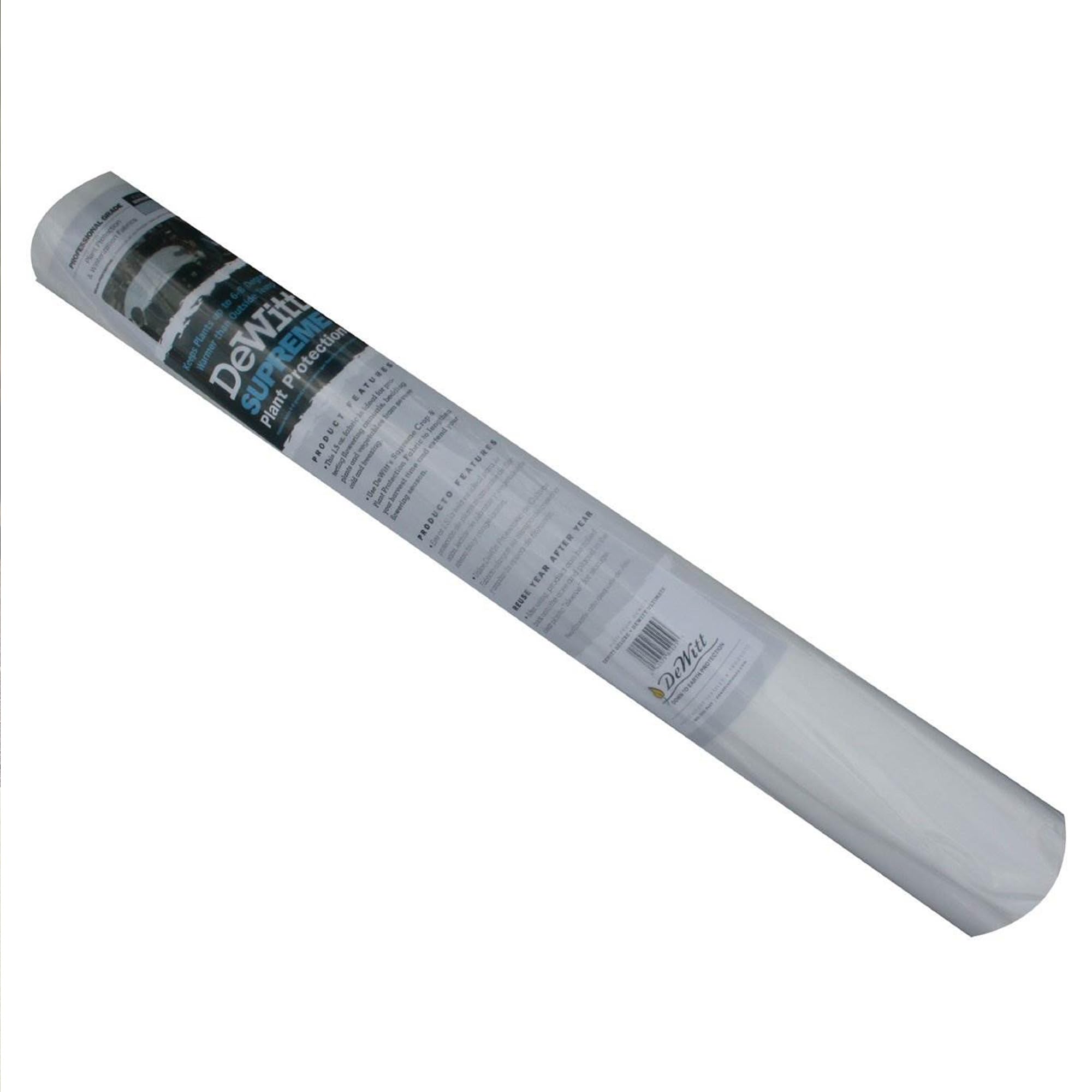
1. DeWitt Supreme Crop Protection Fabric
Our pick — over 4.5★ from 400+ verified ratings; the strongest balance of quality and price.
The heavyweight blanket your garden beds deserve when temps hit the 20s.
At 1.5 ounces per square yard, this is one of the thickest standard options you will find — a proper winter-weight fabric that buyers report surviving two full winters of stress before showing any wear. The roll measures 6 feet wide by 50 feet long, which covers a serious patch of vegetable beds or a long row of flowering annuals. Unlike lighter covers that only fend off a light frost, this one earned real-world praise for getting lettuce and cabbage through days of frost when temps bottomed out in the mid-20s. The thing everyone raves about is its effectiveness — 34 owners call that out, and another 33 highlight the insulation it provides in deep cold.
The fabric is heavier than the 3.1-pound DeWalt roll (the Amazon Basics sheet is 2.35 pounds for the same general coverage area), so you feel the difference in hand. It is easy to cut with scissors and can even be sewn into custom bags if you want to cover individual shrubs. The recurring gripe is the price per square foot versus cheaper options, but the insulation and durability offset that.
The bottom line on winter weight: When you need proven frost protection down to the mid-20s that keeps yielding through multiple seasons, this is the pick to beat. The insulation from a 1.5 oz/yd² fabric is what a serious gardener reaches for.
Reach for this if: you have vegetable beds or tender perennials that need reliable protection through hard frosts.
Look elsewhere if: you only need to fend off a light spring chill — the heavier fabric blocks more light, so it is overkill for mild frosts where you want maximum sun penetration.
2. Gardzen 5-Pack Plant Covers Freeze Protection
Five reusable winter jackets for your most vulnerable trees and shrubs.
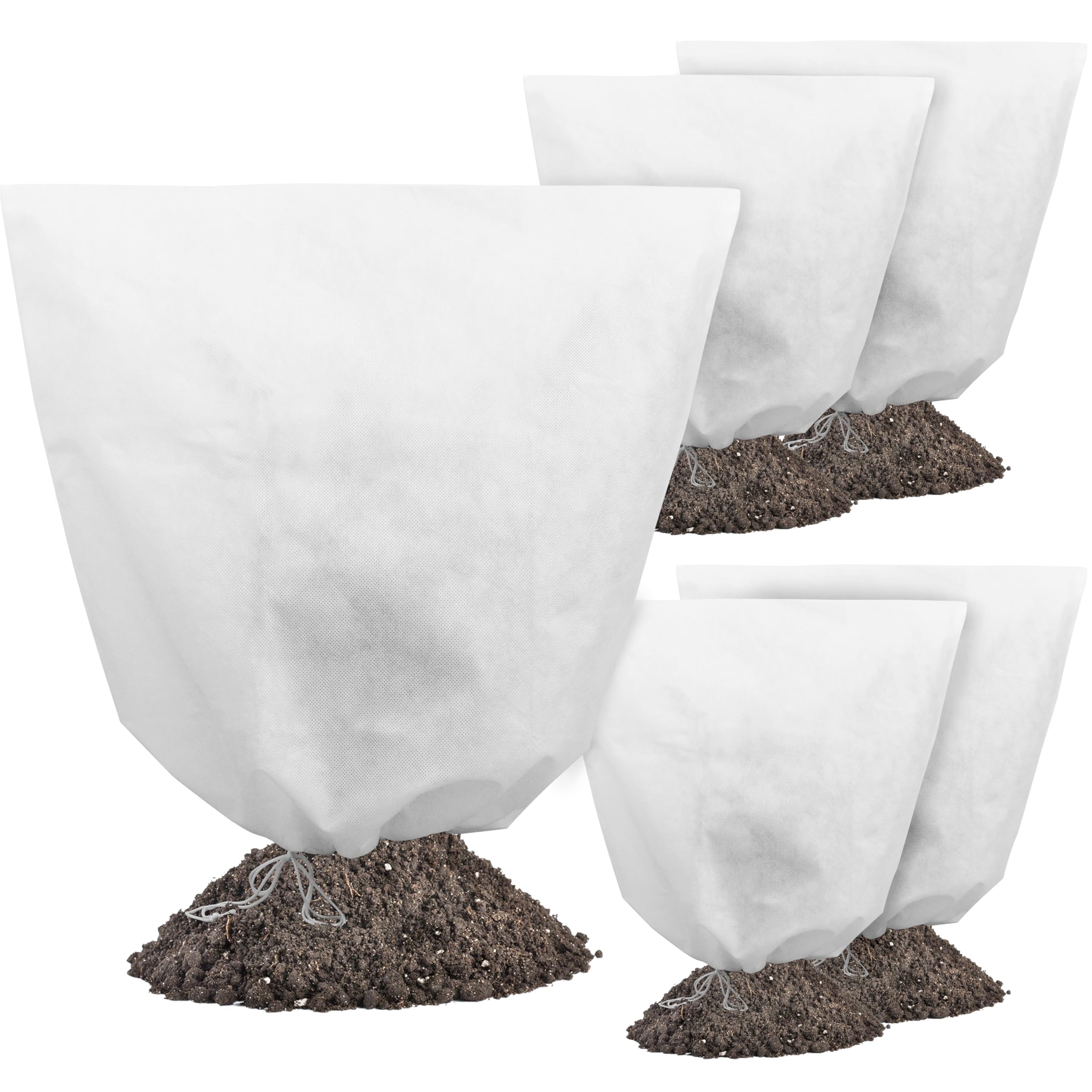
If you have a few precious bushes or small trees that need individual protection, these drawstring bags are the easiest solution. They are made from a 2.06 oz/yd² non-woven fabric — the heaviest weight in this entire lineup — and measure 22.4 inches by 24 inches each. The drawstring and zipper closure make them insanely easy to use, as buyers on their third order can attest — you just unzip, wrap around the trunk or stem, and zip back up. The thing everyone raves about is plant protection, with 54 owners citing it. One reviewer noted that the bags protected 5-foot lemon and lime trees outdoors all winter, avoiding the hassle of moving heavy pots inside.
These bags stay put on their own, so you do not need stones or stakes to hold them down on windy nights. The breathable fabric lets moisture and air in while keeping frost out. Durability gets mixed feedback — some owners note the material can fall apart after a season of heavy sun exposure, though others say the white fabric held up better than a green “planket” brand that disintegrated after one year.
What wins people over
- Heaviest fabric weight at 2.06 oz/yd² for deeper cold protection
- Drawstring and zipper design means zero wrestling with anchors
- Five bags cover multiple specimens right from the start
The honest trade-off
- Durability is mixed — some units don’t survive a full season in intense sun
- Not large enough for sprawling bushes or wide canopies
Grab these if: you have individual saplings, rose bushes, or small citrus trees that need fast, secure frost protection through the winter.
Skip if: you want to cover a whole garden bed — these are sized for single plants, not rows.
3. Amazon Basics Plant Covers for Frost Protection
A lightweight 10×30 sheet that saves the day when a late frost threatens.
At just 0.9 oz/yd², this polypropylene blanket is designed for light frost, snow, and mild cold rather than deep freezes. The big advantage is the price-to-coverage ratio — 10 feet by 30 feet gives you 300 square feet of protection for very little. Owners mention it works as a double layer for hydrangeas against hard frosts and that it is easy to cut with scissors. One owner in Florida mentioned it saved plants even into the teens. The lightweight material (2.35 pounds) is a fraction of the heft of the 3.1-pound Dewitt, so it is easier to drape over large areas but requires anchoring with soil or stakes to stay in place on breezy nights.
Ease of use and effectiveness are the top aspects mentioned, with 5 owners noting each. The material lets air and moisture through so you don’t trap condensation against leaves, which can cause rot under plastic. The honest trade-off is that it is not built for repeated harsh winters — the lightweight fabric will degrade faster than heavier options if left out all season.
Perfect for sporadic use: If you need a large, inexpensive cover for a sudden late-spring frost or an early-fall chill, this is the best value on the list. It is too light for a zone 5 winter, but ideal for occasional protection.
Best for: covering whole vegetable rows, flower beds, or multiple small plants when a quick freeze is forecast.
Not for: northern gardeners who need a blanket that stands up to months of snow and freezing temps.
4. YFFSIDMY Plant Covers Freeze Protection 10’x20′

A large 200-square-foot sheet that pulls double duty as frost blanket and summer shade cloth.
This is the most popular product in the lineup by raw numbers, and the versatility explains why — it works as winter frost protection and as a shade cloth that blocks sun and critters in warmer months. The material is a lightweight 0.9 oz/yd² non-woven polypropylene, so it is easy to handle even when you are wrestling with a 10’x20′ sheet on a windy evening. Buyers in Houston report it withstood heavy winds, dogs, ice, and rain, though a few note it is thin enough that you need bricks or soil to hold the edges down. Plant protection gets 46 mentions, making it the most-discussed aspect by far.
The fabric is UV-stabilized, which helps it survive sun exposure better than untreated covers. Durability is a mixed bag — some owners say it falls apart after a season, while others find it holds up fine. The thickness (0.9 oz) is the same as the Amazon Basics cover and the JUNKOGO blanket, so all three sit in the “light duty” tier for frost protection. The 10’x20′ size is a nice middle ground: smaller than the 300-square-foot rolls, but plenty for a typical raised bed garden without leaving huge scraps.
Why it sells so well
- Covers 200 square feet — generous for most home gardens
- Works as both frost cover and summer shade cloth or bird barrier
- Lightweight material is easy to cut, drape, and store
Where it comes up short
- Thin fabric requires supplemental heat or strong anchors for deep freezes
- Durability reports are split — some owners see tearing after one season
Reach for this if: you need a do-it-all garden fabric for mild winters and summer pest control — the dual-purpose value is tough to top.
Look elsewhere if: you face hard freezes below 25°F regularly, as this material alone won’t cut it without extra heat or a heavier cover on top.
5. Plant Freeze Protection Cover (JUNKOGO)
A 10×30 roll that doubles as an insect barrier, making it a spring and fall workhorse.
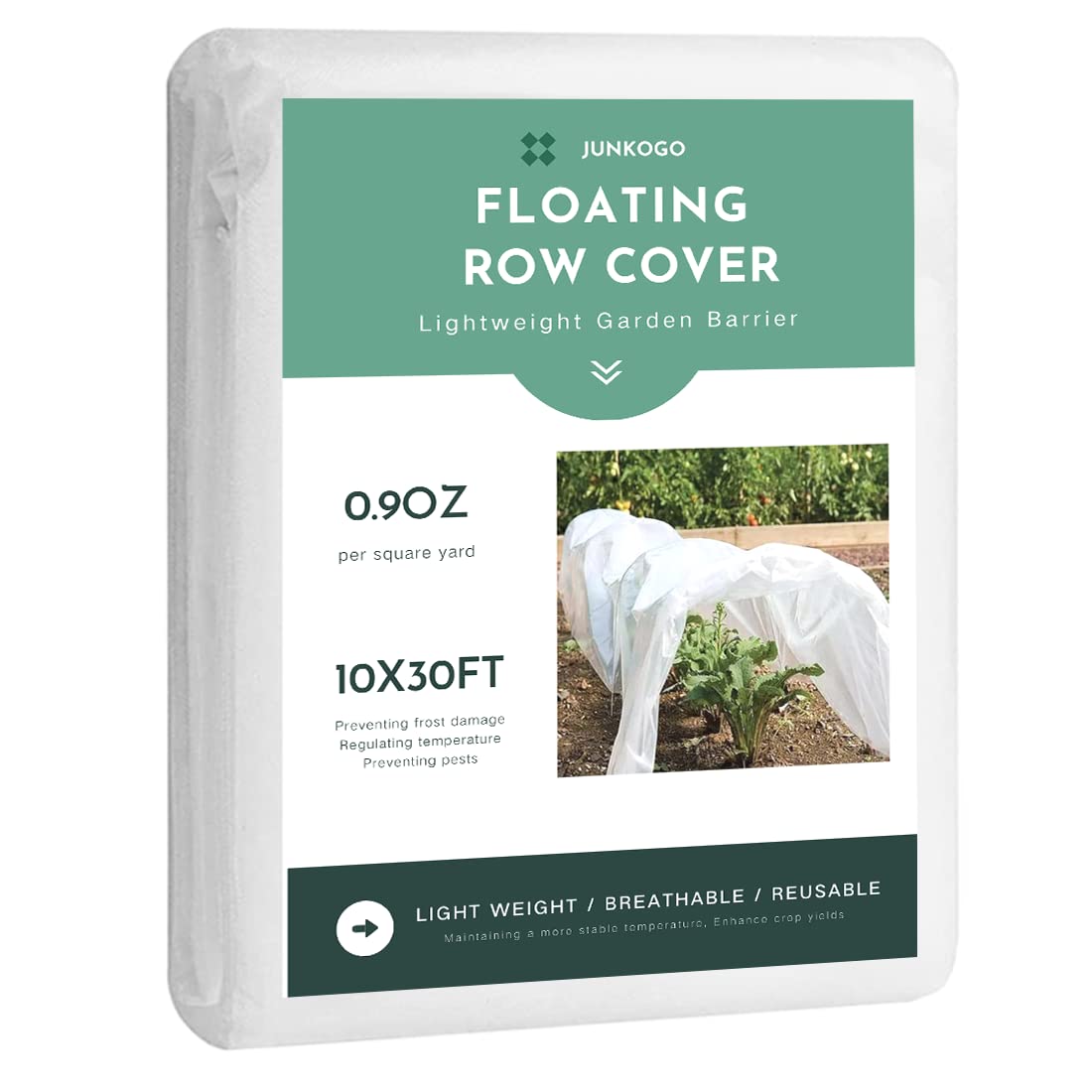
This cover earns its place on versatility — buyers use it not only for winter frost protection but also to keep squash vine borers and cabbage worms off their crops in summer. At 0.9 oz/yd², it is a standard lightweight floating row cover that lets 85% of light through, so plants underneath keep growing even while covered. The material is breathable, which means you don’t have to pull it off every warm day to prevent overheating. One owner in Virginia used it over eucalyptus plants through the entire winter and reported everything survived and thrived come summer.
Effectiveness is the top aspect with 31 mentions, followed by quality at 19. The honest caveat is that the fabric comes folded rather than rolled, which some buyers find awkward to manage when trying to lay it flat over a hoop house or raised bed. It is not the thickest or most durable option — expect to replace it after a couple of seasons of heavy use. But for the price, it delivers reliable frost protection for large areas and keeps bugs at bay during the growing season.
A true dual-season tool: This earns its keep in fall and winter as a frost blanket, then transitions to a floating row cover for pest control in spring and summer. The 10’x30′ size covers a lot of ground at once.
Best for: gardeners who want one fabric to handle both winter protection and summer pest exclusion without spending a fortune on specialized products.
Not ideal if: you need heavy-duty winter protection for below-20°F temps without supplemental heat.
6. Garutom Plant Covers Freeze Protection 10ft x 33ft

A middleweight 1.1 oz cloth that splits the difference between light row covers and heavy winter blankets.
At 1.1 oz/yd², Garutom sits in a balance — heavier than the 0.9 oz budget covers, but lighter than the 1.5 oz Dewitt or the 1.77 oz FUZE. The 10’x33′ roll gives you 330 square feet of coverage, making it the largest single roll here alongside the JUNKOGO. The fabric transmits 85% of available light, so it is suitable for season extension without shutting down plant growth. Buyers in the Pacific Northwest report it handled the region’s heavy rains well and kept peppers growing all the way into November.
Frost protection is the most-mentioned aspect at 53 counts, and functionality comes next at 32. The material is anti-UV treated, so it resists degradation from sun exposure. Durability gets mixed feedback — some owners say it tears easily if handled roughly, while others find it holds up fine with normal care. The 1.1 oz weight is a meaningful step up from the 0.9 oz materials without being as thick or heavy as the premium winter covers, which makes it easier to drape over large areas.
Why this weight works
- 1.1 oz/yd² is thick enough for moderate freezes but still lets 85% of light through
- 330 sq ft of coverage in one roll — the most square footage on this list
- UV-treated fabric lasts longer in direct sun than untreated alternatives
The durability question
- Reports of tearing under stress — it is not as rugged as the 1.5-1.77 oz options
- Thinner than expected for some buyers who need deep-winter protection
Reach for this if: you need a large cover for moderate frost protection that does not block too much light — the 1.1 oz weight is the ideal middle ground for season extension.
Skip if: you routinely see temperatures below 20°F and need a blanket that can withstand that without help.
7. FUZE Thicker Plant Covers Freeze Protection 1.77 oz/yd²

The thickest blanket here — built for snow loads, not just frost.
If you garden in a zone where snow piles up and temps stay below freezing for weeks, this is the cover to trust. At 1.77 oz/yd², it is the heaviest fabric in the roundup — a full 0.27 oz heavier than the Dewitt. The material includes a 2% UV stabilizer and offers UPF 30+ sun protection. The weight comes through in real-world use: buyers in Boston reported 4 feet of snow piled on top, some frames collapsed, but the fabric itself held and the plants survived. Durability and frost protection both get 13 mentions, the top aspects by a clear margin.
The honest caveat is that heavier fabric does not inherently raise the temperature underneath — it primarily prevents frost formation by trapping moisture. One buyer paired it with a 170W incandescent light and temperature controller to keep a bed at 33°F when outdoor temps hit 24°F. At 3.94 pounds for the roll, it is noticeably heavier than the 2.35-pound Amazon Basics sheet, so it is less portable but more permanent. The 1.77 oz material is harder to cut and fold than the thinner covers, but that is the price of serious protection.
The winter-proof choice
- 1.77 oz/yd² is the thickest fabric in the lineup — withstands snow loads and deep freezes
- UPF 30+ protection prevents UV damage during long-term deployment
- Customers note it survived record-breaking winter conditions
What to know going in
- Heavy blanket does not warm the soil — it prevents frost damage by blocking moisture exchange
- Harder to manipulate than lighter covers; needs stake or hoop support to create air space
Best for: serious winter gardeners in northern climates who need a blanket that stands up to snow and sustained freezing temps.
Overkill for: mild climates where a 0.9 oz or 1.1 oz cover would handle the occasional frost just fine.
Understanding the Specs
Fabric Weight (oz/yd²)
This is the single most important number. Lighter fabric (0.9 oz) works for light frost down to about 28°F because it lets more light through. Medium-weight (1.1 to 1.5 oz) handles harder freezes and provides better insulation. Heavy fabric (1.77 oz and above) is for harsh winters with sustained sub-freezing temps. Heavier blocks more light, so use it sparingly in spring.
Breathability vs. Plastic
Non-woven polypropylene fabrics let air, moisture, and some sunlight pass through — unlike plastic sheeting that traps condensation and can cook plants on a sunny day. Breathable covers do not need to be removed during warm spells, which is why experienced gardeners never reach for plastic trash bags.
FAQ
What fabric weight do I need for freeze protection?
Can I use plastic sheeting instead of frost cloth?
Do I need to remove the cover during the day?
How do I secure a frost blanket without it blowing away?
How long does a frost blanket last?
Can I cut a frost blanket to fit my garden bed?
Will frost cloth protect plants from snow?
Can I use the same cover for summer sun protection?
Are drawstring bags better than flat sheets?
Is the Gardzen cover thicker than most white frost cloths?
Final Thoughts: The Verdict
For most people, the freeze protection for plants winner is the DeWitt Supreme Crop Protection Fabric because its 1.5 oz/yd² weight delivers proven frost protection in the mid-20s while surviving multiple seasons. If you want individual drawstring covers for citrus trees or rose bushes, grab the Gardzen 5-Pack for their heavy 2.06 oz/yd² fabric and class-leading convenience. And for harsh winters with snow loads, the FUZE Thicker Frost Blanket at 1.77 oz/yd² is the one to reach for.
How We Picked
We do not accept paid placement. Every pick is matched to a real buyer and a real use-case; we do not hands-on test units.
Sources & Methodology
Specifications: manufacturer listings and product documentation. Review insights: verified customer reviews, as of July 2026. Pricing: not shown on this page (it changes often); check the current price via the retailer link.
As an Amazon Associate, Lawn Gear Lab earns from qualifying purchases. This does not affect which products we feature.