
Specs are compiled from manufacturer listings and verified buyer reviews and can change over time — please confirm the key details on the product page before buying.
A Japanese Acer doesn’t just sit in a pot; the pot is half its story. Pick one that holds too much moisture or traps heat, and you will watch those delicate lace-leaf maples stress before your eyes. This guide cuts past the pretty pictures to the specs and owner experiences that actually matter — drainage, material breathability, depth, and weight.
I’m Rikta — the founder and writer behind Lawn Gear Lab. This guide is built by comparing the manufacturers’ published specifications and the patterns across verified customer reviews, so you get each pick’s real strengths and trade-offs instead of marketing spin.
Your Japanese acer’s roots need air and hate sitting in wet soil. This roundup of the pot for japanese acer choices focuses on unglazed, handmade vessels that real owners recommend for keeping roots healthy.
Our Picks at a Glance

How To Choose The Best Pot For Japanese Acer
Your Japanese maple’s roots are shallow and sensitive. A pot that doesn’t breathe or that holds water will kill the fine root hairs it needs to thrive. Here is what to check before you click “buy.”
Material and Breathability
Unglazed clay or zisha (a type of Chinese purple clay) lets air and moisture pass through the walls. This natural evaporation cools the root zone and prevents the soggy soil that causes root rot. Glazed pots look nice but trap heat and moisture — use them only if you are an experienced hand who can dial in watering perfectly.
Drainage Hole Setup
One large hole is better than none, but multiple small holes spread across the base give you both drainage and aeration. Look for pots with at least four drainage holes or one very large one. Some pots also include small wiring holes so you can anchor the tree during training.
Depth and Width
Japanese maples have spreading, shallow roots. A wide, shallow pot (a “bonsai bowl” shape) mimics their natural habit. The pot should be about as wide as the tree’s canopy and no deeper than the root ball is tall. An overly deep pot keeps the lower soil wet and suffocates roots.
Quick Comparison
| Model | Best For | Material | Drainage Holes | Weight | Amazon |
|---|---|---|---|---|---|
| MUZHI 8.5-Inch Rectangle★ Best Overall | Medium bonsai | Zisha clay | 5 + 4 wiring | 1 lb | Amazon |
| SQOWL 8-Inch RoundBest Value | Entry-level succulents | Glazed ceramic | 1 + mesh | 3 lb | Amazon |
| Wazakura Banko Series Small | Shohin acer | Ceramic (handmade) | 1 large | 9.88 oz | Amazon |
| SQOWL 10-Inch Beige | Larger acer display | Glazed ceramic | 1 + saucer | 2.32 kg | Amazon |
| Wazakura Shigaraki Stripe | Training young trees | Ceramic (handmade) | 1 large + 3 wiring | 500 g | Amazon |
| Teagas Rectangular Blue | Statement floor pot | Glazed ceramic | 1 + mesh | — | Amazon |
| Kante Round Concrete | Large patio trees | Concrete blend | 2 with plugs | 15.18 lb | Amazon |
In‑Depth Reviews
1. MUZHI Decorative Ceramic Bonsai Planter Pot 8.5 Inch with Tray
Our pick — over 4.5★ from 450+ verified ratings; the strongest balance of quality and price.
The unglazed zisha rectangle that lets an acer’s roots breathe deep.
This pot is the real deal for a Japanese maple that needs steady footing. It measures 8.5 x 6.7 x 2.7 inches — a shape that gives the root ball room to spread sideways without sitting in a deep column of wet soil. The zisha clay (a high-density, fine-grained purple clay) stays unglazed, so air and moisture move slowly through the walls. That natural wall porosity is what keeps a maple’s sensitive root tips cool and oxygenated, especially in hot weather.
The bottom has five drainage holes plus four small ones for wiring the tree into place. Four raised feet lift the pot off the saucer, so water never pools under the base. It weighs 1 lb — noticeably lighter than the SQOWL 8-inch glazed bowl (which is 3 lb) — making it easier to lift for seasonal repotting or moving indoors for winter. Owners praise the build quality most, calling it heavy enough to feel solid but not so heavy it is awkward. The included saucer is a sturdy PP melamine piece that matches the rustic look.
One buyer summed up the value: “This exceeded my expectations!!! It was worth for sure.” That sentiment appears again and again in the feedback — people are surprised by the thickness of the walls and the thoughtful extras like the mini garden tool set. The only point some flag is that the bottom tray is plastic, not ceramic; for an acer that you move in and out of light, the lightweight saucer is actually a plus.
Breathability champ: The unglazed zisha body and five drainage holes create the ideal dry/wet cycle an acer’s shallow roots need. This is the best balance of traditional material science and modern convenience on the list.
Honest trade-off: The 8.5-inch width fits a young to medium maple well, but a larger specimen (canopy over 12 inches) will outgrow it within a couple of seasons.
Grab this if: you want a hands-off pot that actively manages moisture through its clay walls and won’t tip over in a breeze.
Look past it if: your acer is already in a 10-inch nursery pot — you will need the SQOWL 10-inch or a larger option.
2. SQOWL Bonsai Pots – 8 Inch Ceramic Plant Pots for Succulents
The shallow, glazed bowl that looks stunning but demands careful watering.
At first glance this matte-black bowl is an easy recommendation. It is 8 inches across and only 2.84 inches deep — a classic shallow bonsai profile that fits a compact acer perfectly. The high-temperature ceramic glaze gives it a smooth, non-porous finish that resists cracking and fading, even in direct sun. It includes a matching saucer and a mesh pad to keep soil from washing through the drainage hole.
The catch is exactly what you would expect from a fully glazed pot: the walls do not breathe. Any excess moisture stays inside the pot until it evaporates from the top or drains. For an acer, that means you need to water less often and be vigilant about the drainage hole staying clear. The reviews confirm this: the depth is called out as “too shallow for anything other than baby cacti/succulents” by several owners, and the drainage system gets mixed marks. At 3 lb it is the heaviest of the 8-inch options, so it stays planted in place but is a chore to rotate for even light.
Owners praise the appearance most — 28 reviewers call it out specifically. It arrives beautifully packaged, the glaze is even, and the dark charcoal hue (the listing says matte black but it reads more like a very dark brown under bright light) makes the bright green of a maple’s leaves pop. If you already know your watering schedule and keep an eye on the saucer, this is a gorgeous display pot that won’t break your budget.
Looks-first choice: The glazed finish and clean lines make this a living-room-ready showpiece for a young acer.
Mind the moisture: The non-porous walls and shallow depth mean you must water sparingly and monitor drainage closely — this is not a set-and-forget pot.
Best for: a small acer that will live indoors on a bright windowsill where you can keep an eye on it.
Pass on it for: outdoor use in rainy climates — the saucer fills fast and the glaze traps heat against the roots.
3. Wazakura Banko Series Small Handmade Rounded Ceramic Bonsai Pot 4.3 in

The handmade collectible that feels like a gallery piece for your smallest shohin.
This pot is tiny — just 4.3 inches across and 2.9 inches tall — and it is built for a shohin-sized acer or a seedling you want to train from scratch. That lightness is intentional: the pot is meant to be moved during training, rotated for even light, and carried to shows.
What makes it special is the origin. It is 100% handmade in Yokkaichi, Mie Prefecture, Japan — the region that produces between 80 and 90 percent of Japan’s earthenware. The Banko-yaki style clay is fired into a warm, red-brick color with a kindami (gold) glaze that drips differently on every single pot. Owners use words like “a work of art” and “it’s craftsmanship speaks of that same quality.” The single large drainage hole comes with a circular screen pre-fitted, so you do not have to cut one yourself.
The depth — 2.9 inches — is generous for a 4.3-inch pot, so the root ball has room to descend while the shallow width keeps the canopy proportional. This is the kind of pot you buy as much for the story and the beauty as for the function. The 90-day manufacturer warranty is a nice safety net, though at this price point (and this rave consensus across all reviews) it rarely gets used.
Artisan heritage: Handmade in Japan, unglazed clay body, single large drain hole with screen — a pot that earns its display spot even before the tree goes in.
The scale reality: This is strictly for a shohin or very young tree. A mature acer with a 6-inch canopy will look cramped and the pot will tip over in a stiff breeze due to the 9.88 oz weight.
Buy this for: a tiny acer you are training as shohin bonsai, or as a gift for a serious bonsai enthusiast who values Japanese craftsmanship.
skip it if: your tree is already in a 1-gallon nursery pot — you need the MUZHI rectangle or larger.
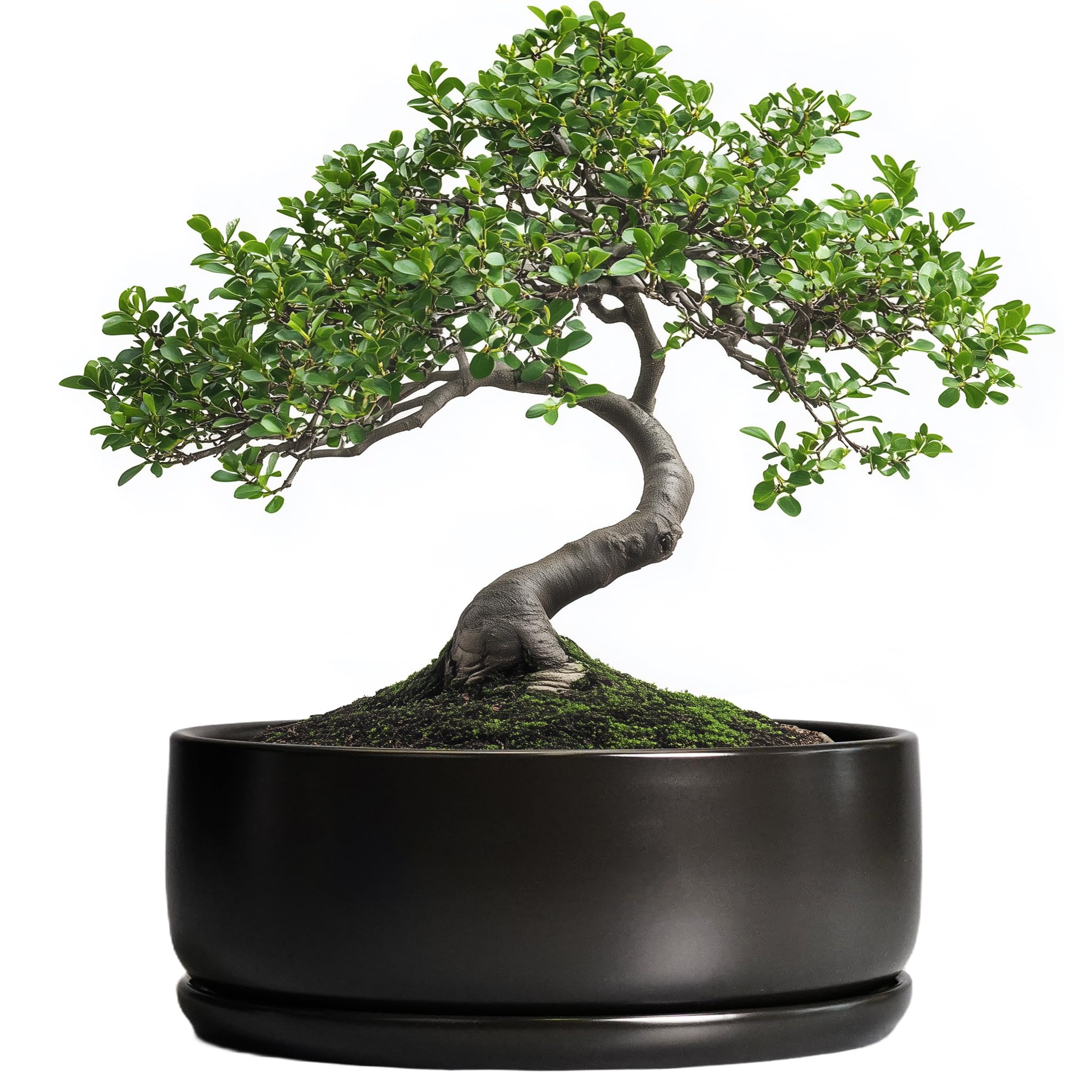
4. SQOWL Bonsai Tree Pots – 10 Inch Ceramic Succulent Pots
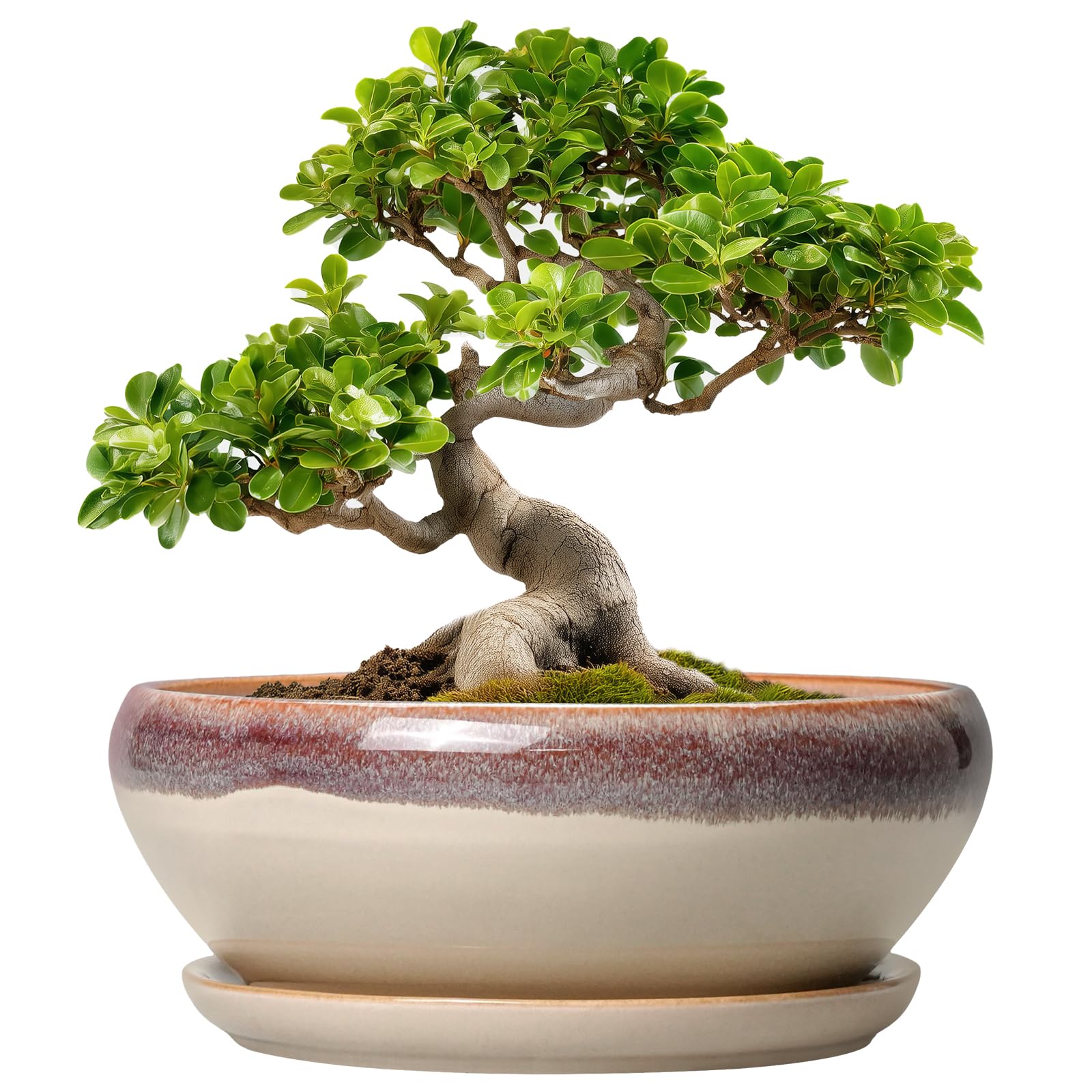
The generously wide bowl that gives a mature acer room to spread its roots.
Jumping up to 10 inches of diameter (the top outer rim is exactly 10 inches; the belly is a hair wider at 10.3 inches) gives you the canvas you need for a tree that has been in training for a couple of years. The height including the tray is a shade under 4 inches, which keeps the profile shallow — exactly what a maple’s outward-reaching root system craves. The glazed ceramic body in beige is a soft, warm neutral that makes the bright green or deep red leaves of an acer center stage.
The glazed finish is the biggest double-edged sword here. It looks polished and modern, and the smooth surface is easy to wipe clean of dust or spilled soil. But the saucer — which is also ceramic — is glazed only on the rim, not on the inner surface. That means water that collects in the saucer can seep through the bare clay and leave a damp ring on your table or shelf. Several owners note this, with one suggesting “use a mat” underneath. The unglazed saucer bottom is a design choice that trades full convenience for a more natural ceramic feel.
At 2.32 kg (about 5.1 lb) this pot has real heft. It handles an acer with a 14- to 16-inch canopy without tipping over. The included mesh pad and the drainage hole do their job, but the mixed drainage feedback (some report water seeping through the pot itself) means you should test the first few waterings with the pot empty on a protected surface.
Room to grow: The 10-inch belly gives a 2-3 year old acer enough root space for another season of growth before you need to up-pot.
Saucer quirk: The ceramic saucer is not fully glazed inside, so moisture can wick through. Pair with a waterproof mat or use it outdoors where the damp ring won’t matter.
Reach for this if: you have a mid-sized acer (12-16 inch canopy) and want a stable, showy display pot for a patio table or a sunny corner.
pass on it if: the pot lives on a wood shelf indoors — the saucer weep is a real furniture risk.
5. Wazakura Shigaraki Series Handmade Stripe Glazed Ceramic Bonsai Pot 6.6 in
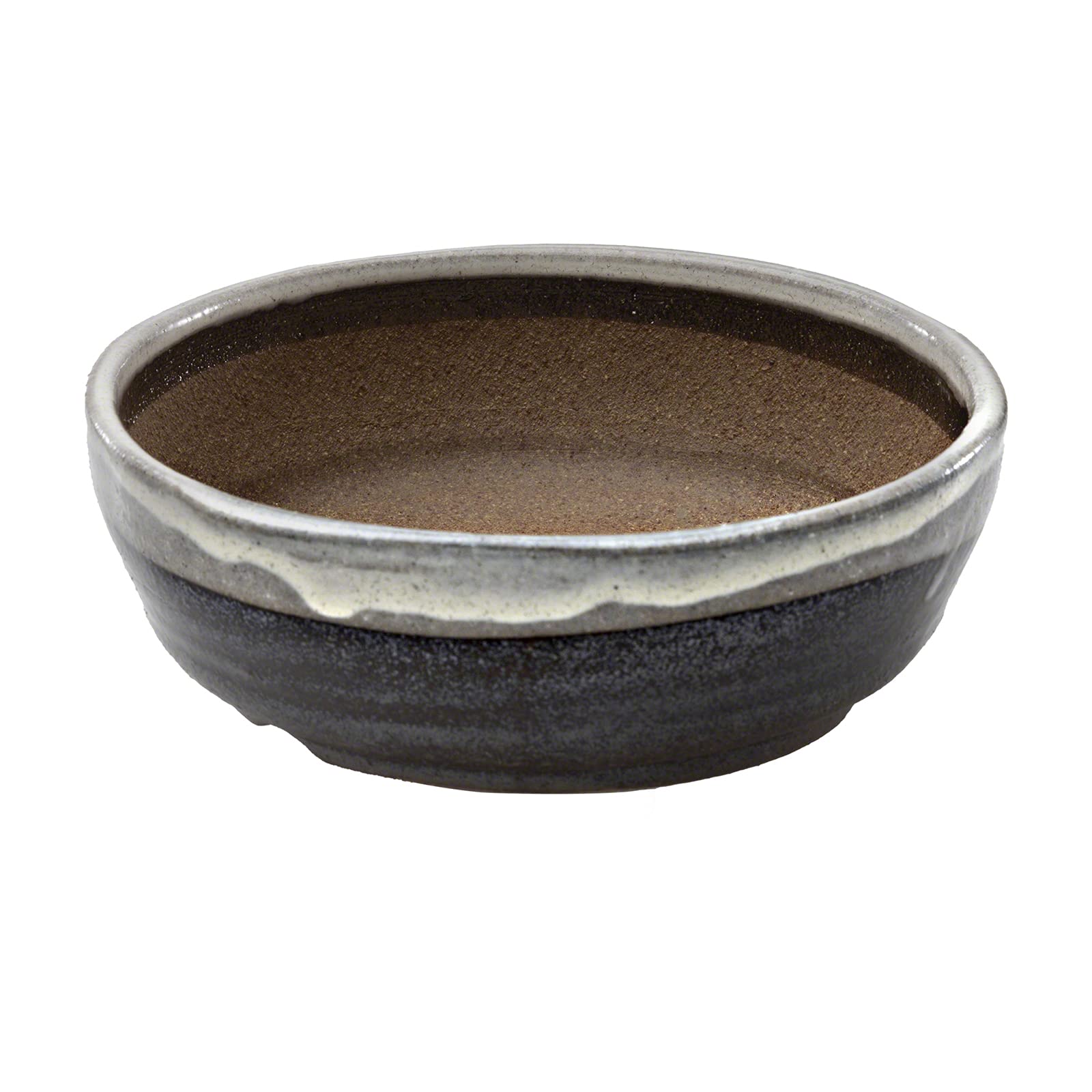
The Shigaraki-crafted training pot that wires young roots into shape.
This pot comes from one of Japan’s oldest pottery regions — Shigaraki in Shiga Prefecture — and it is built with the training bonsai artist in mind. The dimensions (6.69 inches square, 2.36 inches deep) and the 500 g (about 17.6 oz) weight place it in a balance between the tiny Banko pot and the MUZHI rectangle. The depth is shallow enough to encourage horizontal root spread but not so shallow that a young acer dries out between waterings.
The standout feature for anyone shaping a tree is the hole setup: one large drainage hole plus three small wiring holes. Those three holes let you thread copper or aluminum wire through to anchor the root ball firmly in place — crucial during the first year of training when you are setting the tree’s angle and branch structure. The white stripe glaze along the rim gives an earthy, wabi-sabi feel that is deliberately imperfect: the glaze drips are part of the handmade character.
The feedback is a bit more varied here than on the Banko Series. Most owners love the quality and packaging (“shipping packing fenominal”), but a couple of notes flag the rim edge as “poorly thrown” on one unit — a risk with any handmade product. The single large drain hole is also a point of mild contention; some wish for a mesh screen or smaller holes. That said, for the price and the provenance, this pot punches above its weight for a dedicated trainer.
Built for training: The three wiring holes and the wide, stable base make this the go-to pot for bending and anchoring a young acer during its formative seasons.
Handmade variance: Because each piece is individually made, the glaze and rim finish can vary. A small risk for a pot that otherwise carries authentic Shigaraki pedigree.
Grab this for: a 2- to 3-year old acer that you are actively training — the wiring holes give you control you won’t get from a standard bowl.
Think twice if: you want a pristine, machine-perfect finish; handmade pottery has character that includes occasional small irregularities.
6. Teagas Bonsai Tree Pot – 13.7 Inch Large Ceramic Succulent Planter
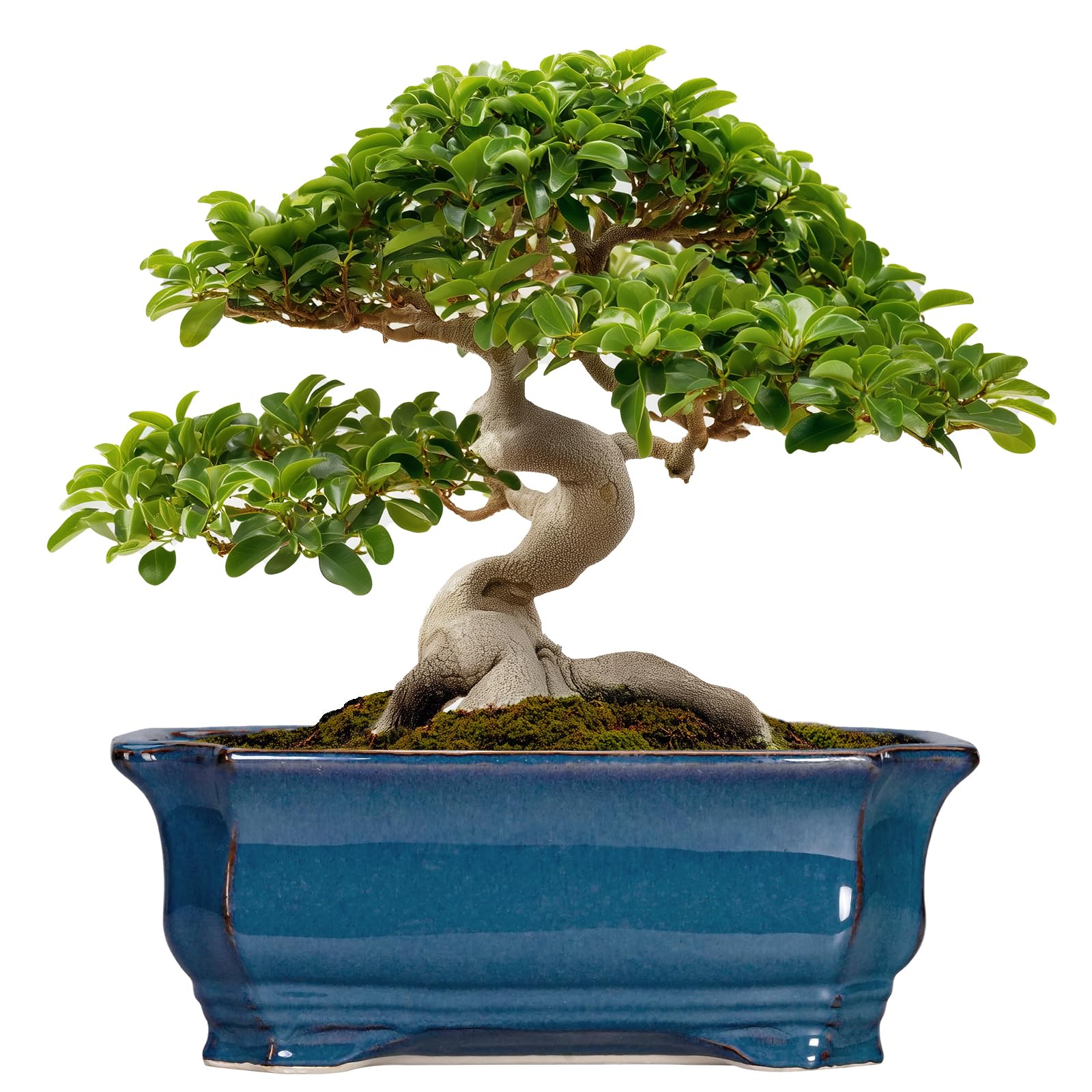
The oversized blue rectangle that anchors a specimen acer with room to spare.
When your Japanese maple has outgrown every standard bonsai pot — when the canopy spreads 20 inches or more and the trunk is thick enough to command attention — this 13.7-inch-long rectangle steps in. It measures 13.7 x 9.8 x 5.1 inches, giving the root system 5 full inches of depth plus nearly 14 inches of width. That is enough space for a mature acer to settle in for years without becoming root-bound.
The reactive blue glaze is the visual centerpiece. It shifts tone under different light, from a deep ocean blue to a brighter teal, and the glossy finish makes leaf colors pop. The ceramic body is fired at high temperature, so it resists cracking through freeze-thaw cycles outdoors. Two holes at the bottom (one drainage, one for wiring) and a matching drainage net prevent soil loss while keeping the tree secure. Owners consistently call out the quality and the appearance — 18 mention the build, 13 mention the look, and the consensus is “absolutely beautiful pot.”
The depth is the main thing to watch. At 5.1 inches tall, this is a deeper pot than the shallow bowls that traditionally suit acers. That extra soil volume holds more moisture, so you will need to adjust your watering rhythm and make sure the potting mix is extremely well-draining (a coarse akadama or similar bonsai mix, not standard potting soil). The feet on the bottom are present but one reviewer notes they don’t improve the pot much above the saucer, so check for standing water after a heavy rain.
Full-size canvas: The biggest pot on the list for the biggest trees. The reactive glaze finish is genuinely striking, and the rectangular profile suits formal upright (chokkan) maple styles.
Depth adjustment needed: At 5.1 inches, you are in a deeper pot than what acer purists prefer. Use a very gritty, fast-draining soil mix to avoid soggy roots.
Buy this for: a mature, well-established acer that needs a permanent show home with dramatic visual impact.
Not for: a young or newly rooted cutting — the deep soil will stay wet too long and invite rot.
7. Kante 19.6″ Dia Round Concrete Planter, Outdoor Indoor Garden Plant Pots

The oversized concrete bowl that turns a patio acer into a landscape anchor.
This is not a bonsai pot — and it does not pretend to be. The Kante planter is 19.6 inches in diameter and 20 inches across, with a 10-inch depth. It is made from a concrete and fiberglass blend that weighs 15.18 lb and has the rough, porous surface that plants love. The sheer size means you are planting a full-size Japanese maple (not a bonsai) into a garden container that can live on a patio or flank an entryway.
The concrete-and-fiberglass formula is the key engineering detail. Pure concrete is brittle and heavy; blending in fiberglass gives it resilience against weather and impacts while keeping the weight manageable. Owners praise its durability through temperature swings and direct UV exposure. The white color makes foliage pop — “the white color makes blooms stand out beautifully” is a recurring note in the customer summary. Two drainage holes with rubber plugs let you choose between free-flowing outdoor drainage or sealed indoor use.
There is an honest divide in the reviews about construction. The majority (over 100 mention the appearance positively) see a premium modern planter that looks far more expensive than it is. A small minority — about a dozen out of nearly 1,000 ratings — call it “not concrete” and say the bottom is thin. These owners expected solid cast concrete and got a lighter composite. For an acer’s needs, the lighter weight is actually a benefit: you can move the pot to chase light or shelter it from a late freeze. The material breathes, and the drainage is excellent. It is a different category of pot from the others here, but if your goal is a showpiece garden tree in a container, this is the pick.
Landscape scale: Big enough for a 3- to 5-foot Japanese maple in a container, with a concrete-fiberglass body that handles frost, sun, and rain without cracking.
Not traditional material: The fiberglass blend means it is lighter and feels different from solid-cast concrete — fine for mobility, but a surprise if you expected pure cement.
Perfect for: a patio, deck, or front-entrance acer that spends all year outdoors and needs a durable, airy pot that won’t blow over in wind.
Not the right fit for: traditional bonsai display or indoor use — the scale and drainage plugs are designed for outdoor garden settings.
Understanding the Specs
Drainage Holes
The number and size of holes in the base determine whether water flows freely or sits. For a Japanese acer, multiple small holes spread across the bottom (like the 5 holes on the MUZHI pot) are ideal because they drain quickly and let air flow upward through the soil. A single large hole works too, but you need a mesh screen to stop soil from washing out.
Material Breathability
Unglazed clay and zisha let moisture and air pass through the pot walls. This “wall transpiration” cools the root zone on hot days and prevents the anaerobic conditions that cause root rot. Fully glazed ceramic pots seal the walls — moisture leaves only from the top and the drain hole, which makes watering harder to judge. Concrete and fiberglass blends breathe moderately well but are heavier and better for larger trees than for small bonsai.
FAQ
Can I use any ceramic pot for a Japanese Acer?
What size pot does a Japanese Acer need?
Does the pot need a drainage hole?
How long does a concrete planter last outdoors?
Is a glazed pot always bad for an Acer?
Should I get a rectangular or round pot for my Acer?
Can I keep my Acer in the pot all winter?
How many drainage holes are enough?
Final Thoughts: The Verdict
For most people, the pot for japanese acer winner is the MUZHI 8.5-Inch Rectangle because its unglazed zisha body and five drainage holes create the breathable environment an acer’s roots need, at a weight and size that suit a typical medium tree. If you want the artisan heritage that comes with a handmade Japanese pot, the Wazakura Banko Series is a tiny gem for a shohin. And for a landscape-scale acer on a patio, the Kante Concrete Planter is the one to reach for.
How We Picked
We do not accept paid placement. Every pick is matched to a real buyer and a real use-case; we do not hands-on test units.
Sources & Methodology
Specifications: manufacturer listings and product documentation. Review insights: verified customer reviews, as of July 2026. Pricing: not shown on this page (it changes often); check the current price via the retailer link.
As an Amazon Associate, Lawn Gear Lab earns from qualifying purchases. This does not affect which products we feature.