
Specs are compiled from manufacturer listings and verified buyer reviews and can change over time — please confirm the key details on the product page before buying.
Your hydrangeas stay stubbornly pink and your blueberry leaves are turning yellow. The question is not which bag of powder to grab — it is whether the product can actually move your soil’s pH fast enough and safely enough for the specific plants you are growing. A soil acidifier works by adding sulfur or aluminum sulfate to lower the alkalinity in your soil. But pick wrong, and you risk root stress from a too-fast pH swing or failing to green up those leaves at all.
I’m Rikta — the founder and writer behind Lawn Gear Lab. This guide is built by comparing the manufacturers’ published specifications and the patterns across verified customer reviews, so you get each pick’s real strengths and trade-offs instead of marketing spin.
After analyzing the top options, here are the most reliable soil acidifier choices for turning alkaline soil into the acidic environment your acid-loving plants need.
Our Picks at a Glance
How To Choose The Best Soil Acidifier
Picking the right acidifier depends on your soil’s current pH, the plants you grow, and how fast you need the change. Some products drop pH in days, while others build soil acidity over a whole season. These three factors separate an effective tool from one you will regret.
Check the sulfur and iron levels
Elemental sulfur is the main ingredient that lowers pH. A higher sulfur percentage — like 55% — means you use less product to get the same pH drop. Iron is the second critical piece. If your plants show yellow leaves between green veins, that is an iron deficiency (iron chlorosis) caused by high pH. A product that combines sulfur with iron fixes both problems at once.
Match the form to your garden
Granules are the easiest for lawns and large garden beds — you spread them with a rotary spreader and let rain work them in. Liquids work faster and let you target individual pots or specific shrubs, but you must measure and mix them with water. Powders like aluminum sulfate dissolve quickly but need careful dosing to avoid root burn.
Consider the speed of action
Aluminum sulfate and liquid concentrates can shift pH within days. Elemental sulfur granules work slower because soil bacteria must first convert them into sulfuric acid, which can take weeks depending on soil temperature and moisture. If you need a quick fix for a plant that is already yellowing, go fast-acting. If you are planning ahead for next season’s blueberries, a slow-release granular option fits better.
Quick Comparison
| Model | Best For | Form | Weight | Key Ingredients | Amazon |
|---|---|---|---|---|---|
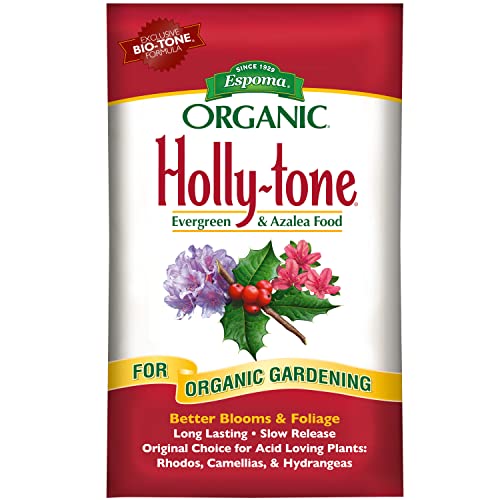
| Espoma Organic Holly-Tone★ Best Overall | Organic gardens & shrubs | Granules | 36 lb | 4-3-4 + 5% Sulfur | Amazon |
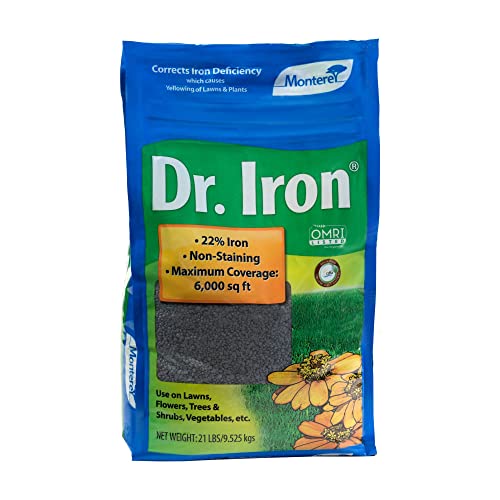
| Monterey Dr. Soil Acidifier (21 lb)Also Great | Large lawns & heavy feeders | Granules | 21 lb | 22% Iron, 55% Sulfur | Amazon |
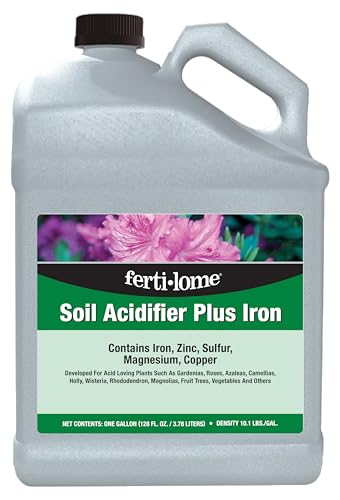
| Fertilome Soil Acidifier Plus Iron (1 gal) | Fast-acting liquid correction | Liquid | 1 gal | Iron, Zinc, Sulfur | Amazon |
| Monterey Dr. Soil Acidifier (7 lb) | Medium beds & organic use | Granules | 7 lb | 22% Iron, 55% Sulfur | Amazon |
| Earth Science Fast Acting Sulfur | Targeted pH drop for beds | Granules | 5 lb | Elemental Sulfur | Amazon |
| True Organic Berry Food | Feeding berry plants organically | Granules | 4 lb | 5-4-4 + Sulfur | Amazon |
| Fertilome Aluminum Sulfate | Quick hydrangea color change | Powder | 4 lb | Aluminum Sulfate | Amazon |
In‑Depth Reviews
1. Espoma Organic Holly-Tone 4-3-4 (36 lb)
Our pick — over 4.5★ from 950+ verified ratings; the strongest balance of quality and price.
Feeds acid-loving plants for months with a slow-release organic formula that has been around since 1929.
Holly-Tone is a classic, and the 36 lb bag is the largest organic option here — nine times heavier than the 4 lb True Organic bag. It is a granular formula with a 4-3-4 fertilizer analysis and 5% sulfur. The sulfur lowers pH gradually, while the organic ingredients (enhanced with Bio-tone) feed the soil’s food web. It is approved for organic gardening and registered as an Organic Input Material.
This product works on azaleas, hydrangeas, blueberries, evergreens, camellias, dogwoods, and rhododendrons — not just hollies. You apply it dry around the drip line and water it in. One reviewer wrote that “the growth of my trees has been incredible as well after using it,” and another called it “miracle level” for blooms on azaleas and hydrangeas.
The trade-off is the weight — 36 lb takes storage space, and if you have only a few container plants, the granules will outlast your gardening season. Also, the 5% sulfur is much lower than the 55% in the Monterey pick, so for fast pH correction, choose the higher-sulfur product.
What makes it special
- 36 lb bag provides season-long feedings for large gardens
- Organic Bio-tone formula feeds plants and soil microbes
- Ready-to-use granules — no mixing required
Keep in mind
- Only 5% sulfur means pH change is gradual
- Heavy bag can be awkward to carry and store
Go with this if: you garden organically and want a dual-purpose fertilizer that also lowers pH over the long term for shrubs, trees, and berry patches.
skip it if: you need fast-acting pH correction — choose a high-sulfur granular or liquid instead.
2. Monterey NLG7122 Dr Soil Acidifier Granules (21 lb)
Greens up a whole lawn without staining concrete because the iron is in oxide form.
This 21 lb bag of granules packs 22% iron and 55% sulfur. The high iron content attacks yellow leaves (iron chlorosis) directly, and the sulfur steadily drops soil pH. Because the product uses an oxide form, it will not stain your concrete sidewalks, driveways, or patios until soil moisture converts it to the sulfate form. One reviewer noted it corrected yellowing in a St. Augustine lawn without leaving rust-colored blotches behind.
The 21-pound size covers more ground than buying two smaller bags — it is three times heavier than the 7 lb Monterey version. It is also OMRI listed for organic gardening, meaning it meets certified organic production standards. Buyers report it works on lawns, flowers, vegetables, and shrubs. One user called it “awesome stuff” for greening up a yard.
The main trade-off is that you pay more upfront than for any other pick here. If you only have a few pots or a small flower bed, the 7 lb size or a liquid option will treat your plants without leaving surplus granules.
Why it stands out
- Non-staining iron oxide form keeps hardscapes clean
- 55% sulfur delivers serious pH-lowering power
- OMRI listed for organic gardening
What to watch
- Large bag may be overkill for small gardens
- Granules need soil moisture to activate
Reach for this if: you have a large lawn, multiple acid-loving shrubs, or fruit trees showing iron deficiency — the high iron and sulfur combo corrects both pH and chlorosis in one pass.
The single caveat: this is a slow-release product, so do not expect a pH shift overnight; plan for it to work over weeks.
3. Fertilome (10665) Soil Acidifier Plus Iron (1 gal)
Turns yellow leaves green in just a couple of applications because the liquid hits the root zone instantly.
When you need results in days, not weeks, this liquid concentrate works faster than any granular in this review. You dilute it at a rate of 2 tablespoons per gallon of water. The formula contains iron, zinc, sulfur, magnesium, and copper, which not only lower soil pH but also correct nutrient deficiencies. Unlike granular options that rely on soil bacteria to break down sulfur, this liquid works as soon as it reaches the roots.
One buyer mentioned that after two applications, “the yellow leaves started to turn green” on their lemon tree, hydrangea, and blueberry plants. Another called it “a must-have” and noted healthier foliage and richer color within a few weeks. It is especially useful for container plants and grow boxes where potting mix tends to run too alkaline.
The downside is that liquids need monthly reapplication during the growing season. And because it works fast, you must watch the dose. One reviewer with nursery experience warned, “THIS PRODUCT CAN ADJUST PH FAST IF YOU USE TOO MUCH SO BE CAREFUL.” Always test your soil first.
Why it earns its place
- Works faster than any granular product here
- Contains iron, zinc, and copper to fix multiple deficiencies
- Easy to measure and apply to individual pots
What to know
- Requires monthly reapplication
- Risk of over-application without a soil test first
Best for: gardeners who spot yellow leaves and need a quick rescue for individual plants, citrus trees in pots, or container blueberries.
Who should pass: if you prefer a low-maintenance approach, stick with a granular slow-release acidifier.
4. Monterey LG7115 Dr Soil Acidifier Granules (7 lb)

Same 22% iron and 55% sulfur formula as the 21 lb bag, sized for medium gardens so granules do not outlast your season.
If the 21 lb Monterey is too much bag for your yard, this 7 lb version delivers the same iron and sulfur combo in a more manageable size. It is ideal for flower beds, vegetable patches, and groups of shrubs where you want a single-season supply. The granules are uniform in size — one owner reported they spread evenly with a hand-held rotary spreader, and the oxide form creates no iron dust in the air.
Like its larger sibling, this product is non-staining and OMRI listed for organic gardening. It covers up to 2000 square feet per bag. One reviewer growing pineapples in Central Florida said it “provides desperately needed iron to local sandy soils,” and that the rainy season leaches nutrients, making this product essential. That same buyer advises applying it cautiously on lawns — “it turns everything green.”
At 7 lb, it is 14 lb lighter and costs less upfront than the 21 lb version. The trade-off is you will reorder sooner if you have a large property. For small gardens and targeted use, this is the smarter buy.
Highlights
- Same potent formula as the 21 lb bag at a lower entry price
- Uniform granules spread easily with a handheld spreader
- No iron dust or staining during application
Drawbacks
- Will run out faster for large lawns or heavy feeders
- Slow-release action requires patience for results
Choose this when: you need the iron-sulfur combo but only have a medium-sized garden, raised beds, or a few dozen shrubs to treat.
Pass it up if: you have several acres of lawn — the 21 lb bag is more economical per pound.
5. Earth Science Fast Acting Sulfur Granules (5 lb)

Safe to walk on right after spreading because it is pure sulfur with no added chemicals.
This product has one job — lowering soil pH with elemental sulfur — without adding extra nutrients. It uses Earth Science’s patented Nutri-Bond Technology, which the company says bonds with the soil to keep the product where you put it. The granules start working immediately, though some owners mention the pellets take several waterings to dissolve fully.
One customer observed their hydrangeas “really perked up after giving them the sulfur granules.” Another reviewer recommended it for plants that need a high acid level, like mountain laurel, and said they always keep fast-acting sulfur and lime on hand to adjust pH quickly. The formula is labeled safe for people and pets, so you and your pets can use the lawn immediately. It comes in an 80-ounce pouch, which is 25% more product by weight than the 64-ounce Fertilome Aluminum Sulfate bag.
Because it is pure sulfur, it will not fertilize your plants — you will need a separate fertilizer if your soil is also nutrient-poor. It also works slower than aluminum sulfate; one reviewer rated it 4 out of 5, calling it “slow release” because the pellets take time to dissolve.
What works
- Pet- and people-safe — no waiting period after application
- Nutri-Bond Technology, according to the maker, keeps granules in place
- 80-ounce bag offers good value for the price
What doesn’t
- Slow dissolution means pH change is gradual
- No added iron or fertilizer — you may need a second product
Reach for this if: you want a straightforward sulfur source that is safe around kids and pets, and you plan to use it preventatively on lawns or beds ahead of the growing season.
Look elsewhere if: your plants are already yellowing and need an immediate iron boost — you want a product that contains iron.
6. True Organic Berry Food (4 lb)

A complete organic feed for berries that also nudges pH down — not a heavy-duty acidifier.
This is a different kind of soil acidifier. It is primarily a fertilizer (5-4-4 analysis) that contains sulfur to lower pH. The blend uses seabird guano, shrimp and crab shell meal, and other organic ingredients to enrich the soil while gradually making it more acidic. A 4 lb bag covers up to 58 square feet, making it best for targeted feeding of berry patches rather than whole lawns. The manufacturer recommends monthly application during the growing season.
Customers note results beyond berries. One reviewer wrote that the product “saved dying zinnias from pests and weather,” and after sprinkling it without working it into the soil, the flowers grew 4 feet tall with huge double blooms. Another gardener revived a neglected raspberry patch, with old plants now producing beautiful berries after cleanup. The product is made in the USA with 100% organic inputs.
The catch is that its primary job is feeding, not acidifying. The sulfur content is not listed on the label as a percentage, so this is not the product to grab if you need a major pH swing. Think of it as a maintenance fertilizer for acid-loving berries that keeps pH in check over time.
Why it fits
- Organic ingredients improve soil health while feeding plants
- Works well for both in-ground and container berry plants
- One buyer got 4-foot zinnias after using it
Limitations
- Lower sulfur content than dedicated acidifiers
- 4 lb bag covers only 58 sq ft — not for large gardens
Best suited for: organic gardeners growing blueberries, raspberries, or strawberries who want a monthly feed that also supports acidic soil conditions.
Not ideal if: you are trying to drop pH significantly on alkaline soil — choose a high-sulfur product for that.
7. Fertilome 32175 Aluminum Sulfate (4 lb)

Turns pink hydrangeas blue in days because it makes aluminum available to the soil immediately.
Aluminum sulfate is the traditional choice for changing hydrangea color, and this 4 lb powder from Fertilome delivers. It works by releasing aluminum into the soil, which is the trigger for blue blooms on bigleaf hydrangeas. It also creates acid soil conditions for azaleas, gardenias, camellias, rhododendrons, and blueberries. The powder dissolves quickly when mixed with water, so results show up fast.
One buyer with alkaline soil and water (pH 8.5 soil, 7.5 water) reported using 1.5 tablespoons per 3-gallon pot, and the runoff dropped to pH 5.0 within days — a massive shift. That same reviewer achieved a target pH of 6.0 without harming plants and noted that aluminum sulfate works in 2-3 days, while sulfur is slower. Another reviewer warned that the product acts fast and recommended tiny doses to avoid leaf drop on container hydrangeas.
The bag is 4 lb (64 ounces) — 25% smaller than the 80-ounce Earth Science sulfur bag. Aluminum sulfate also carries a caution: too much can damage roots, and it does not contain the extra iron that some acidifiers offer. Use it as a targeted tool, not a general soil conditioner.
Strengths
- Fast-acting — visible pH drop and hydrangea color change in days
- Powder dissolves easily in water for precise dosing
- One buyer dropped pH from 8.5 to 5.0 in runoff
Weaknesses
- No added iron or nutrients
- High risk of root damage if over-applied
Pick this for: gardeners who want to turn hydrangeas blue quickly and are comfortable with precise small-dose application.
Steer clear if: you prefer a gentler, organic approach or need to correct an iron deficiency at the same time — choose a product that combines sulfur with iron.
Understanding the Specs
Elemental Sulfur %
This is the primary ingredient that lowers soil pH. Bacteria in the soil convert elemental sulfur into sulfuric acid, which neutralizes alkaline compounds. A higher percentage (like 55% in the Monterey products) means you need less product to achieve the same pH drop. Products with only 5% sulfur, like the Espoma Holly-Tone, are better for mild, long-term pH maintenance rather than correction of highly alkaline soil.
Iron Content
When soil pH is too high, iron becomes unavailable to plants even if it is present in the soil. This causes iron chlorosis — yellow leaves with green veins. A soil acidifier that includes iron (like the Fertilome Plus Iron or the Monterey Dr. Iron products) solves two problems at once: it lowers pH and directly supplies the iron your plants cannot get from alkaline soil. If your leaves are already yellowing, choose a product with added iron.
Aluminum Sulfate vs. Elemental Sulfur
Both lower soil pH, but they work differently. Aluminum sulfate acts within days because it dissolves directly into the soil water. Elemental sulfur requires soil bacteria to convert it, so it takes weeks — but it is safer for roots and lasts longer in the soil. Aluminum sulfate is the faster fix, but it carries a higher risk of root burn if you apply too much. For delicate plants or repeated use, elemental sulfur is gentler.
Liquid vs. Granular Form
Most soil acidifiers come as dry granules or liquid concentrates. Liquids work fast and let you target individual plants in pots or raised beds, but they need monthly reapplication. Granules are easier to spread over lawns and large areas, and they release slowly over many weeks. Your choice depends on if you need speed and precision (liquid) or convenience and long-lasting coverage (granules).
FAQ
How does a soil acidifier lower pH?
Which plants actually need acidic soil?
How long does a granular acidifier take to work?
Can I use a soil acidifier on my lawn?
What happens if I apply too much acidifier?
Should I test my soil before using an acidifier?
Can I mix a soil acidifier with regular fertilizer?
Is aluminum sulfate safe for all acid-loving plants?
What is the difference between soil acidifier and pH down products?
Will a soil acidifier fix yellow leaves on my citrus tree?
Final Thoughts: The Verdict
For most buyers, the best soil acidifier winner is the Monterey Dr. Soil Acidifier 21 lb because its 55% sulfur and 22% iron combination corrects both high pH and the yellow leaves it causes, all in a non-staining granule that spreads easily over large lawns and garden beds. If you need a fast liquid fix for individual pots or shrubs showing immediate chlorosis, grab the Fertilome Soil Acidifier Plus Iron (1 gal). And for organic gardeners feeding blueberries and raspberries month after month, the standout is the slow-release nutrition of the Espoma Organic Holly-Tone 36 lb.
How We Picked
We do not accept paid placement. Every pick is matched to a real buyer and a real use-case; we do not hands-on test units.
Sources & Methodology
Specifications: manufacturer listings and product documentation. Review insights: verified customer reviews, as of July 2026. Pricing: not shown on this page (it changes often); check the current price via the retailer link.
As an Amazon Associate, Lawn Gear Lab earns from qualifying purchases. This does not affect which products we feature.