
Specs are compiled from manufacturer listings and verified buyer reviews and can change over time — please confirm the key details on the product page before buying.
You want your hands protected from thorns, blisters, and dirt so you can actually enjoy being in the garden. The right pair of gloves turns a painful chore into something you can tackle without thinking about it. This guide covers seven reliable options, from lightweight breathable pairs for daily weeding to heavy-duty leather gauntlets that handle blackberry thorns without a tear.
I’m Rikta — the founder and writer behind Lawn Gear Lab. This guide is built by comparing the manufacturers’ published specifications and the patterns across verified customer reviews, so you get each pick’s real strengths and trade-offs instead of marketing spin.
Every glove here earns its place by tackling a different gardening challenge, whether it is thorny pruning, wet soil, or a long afternoon of planting. If you need a pair that balances dexterity and durability, the men’s gardening gloves in this list give you a clear path to the right choice.
Our Picks at a Glance


How To Choose The Best Men’s Gardening Gloves
Picking gardening gloves used to mean grabbing the cheapest pair on the shelf. That approach usually ends with a thorn through the palm or sweat-soaked fabric that disintegrates after three uses. Focus on these three things instead, and you will end up with a pair that lasts.
Material and Protection Level
The material you pick determines what your gloves can handle. Nitrile-coated gloves (a rubbery coating applied over a fabric liner) are excellent for wet soil and small thorns because they stay flexible and grip well. Full-grain cowhide or goatskin leather, in contrast, stops bigger thorns and gives you a natural barrier against abrasion from rocks or rough branches. If you are regularly dealing with cactus, rose bushes, or blackberry vines, full leather with a gauntlet cuff is the safer bet.
The European standard EN 388 gives you a number to check. The abrasion test measures how many cycles it takes to wear through the material — a Level 3 rating means 2000 cycles before failure. A nitrile-coated glove with Level 3 abrasion is a solid all-rounder for general yard work, but for heavy thorn pulling you may want a thicker leather construction instead.
Fit, Dexterity, and Breathability
A glove that fits too loosely lets blisters form. A glove that is too tight cramps your hand after twenty minutes of pruning. You want a snug fit across the palm and fingers without binding at the knuckles, especially if you are handling small seeds or tying off twine. Look for a knit wrist cuff or an adjustable cinch to keep dirt out. Breathability matters just as much — a polyester-spandex liner or a 13-gauge knit lining allows air to move so your hands do not soak through with sweat in warm weather. The best gloves combine a breathable back with a durable palm so you get airflow where you need it and protection where you need it.
Cuff Length and Extra Features
A standard cuff stops at the wrist and works fine for simple planting and weeding. A gauntlet-style cuff or long forearm sleeve (sometimes 25 cm or more) protects your arms from scratches when you reach into dense shrubs. If you are pruning roses or clearing brush, a longer cuff is not optional — it is the difference between coming out unscratched and looking like you fought a cat. Other small features make a big difference in daily use: a copper buckle or grommet for hanging the gloves to dry, reinforced fingertips for pulling weeds, and touchscreen compatibility if you need to check your phone without pulling a glove off.
Quick Comparison
| Model | Best For | Material | Protection Level | Cuff Style | Amazon |
|---|---|---|---|---|---|
| Professional Rose Pruning★ Best Overall | Thorny Pruning | Synthetic Leather / Spandex | Puncture-Resistant Palm | Elbow-Length Gauntlet | Amazon |
| LANON Nitrile CoatedBest Value | Wet & General Work | Nitrile / Polyester | EN 388 Level 3 (2000 cycles) | Knit Wrist | Amazon |
| Retro Brown Cowhide | Heavy-Duty Yard Work | Genuine Cowhide (1.1-1.2mm) | Oil & Tear Resistant | Knit Wrist | Amazon |
| toolant DRIHIDE Cowhide | Ranching & Construction | Top-Grain Cowhide | Water Resistant | Adjustable Strap | Amazon |
| WORKPRO Long Leather | Heavy Thorn / Cactus | Heavy-Duty Leather | Thorn-Proof | Long Forearm (Cuff) | Amazon |
| toolant Crinkle Latex | Bulk Buy / Teams | Polyester / Crinkle Latex | Abrasion / Tear Resistant | Knit Wrist | Amazon |
| Bionic ReliefGrip | Arthritis / All-Day Wear | Premium Leather | Anatomical Pad System | Knit Wrist | Amazon |
In‑Depth Reviews
1. Professional Rose Pruning Thorn Proof Gardening Gloves
Our pick — over 4.5★ from 800+ verified ratings; the strongest balance of quality and price.
A thorn-stopping gauntlet that covers your hands and forearms without feeling like armor.
This pair hits the balance between serious protection and everyday comfort. The puncture-resistant synthetic leather padded palm and reinforced fingertips stop rose thorns and blackberry spikes during rough grabbing and pulling, yet the spandex back keeps your hands from baking inside them. Buyers report the elbow-length gauntlet cuff protects forearms from cuts and scratches, even when clearing dense forest or overgrown bramble. One owner mentioned they have had their first pair for over 2 years and they have held up very well, which is unusual for a glove at this value level.
Compared to the WORKPRO long leather gloves, these use a synthetic leather build that dries faster and weighs less, so you retain more dexterity for tying boots or handling small tools. The trade-off is that they will not stop fine spikes like cactus needles, and they are not meant for heavy rock-moving. For daily rose pruning and general yard clearing, though, they offer the best balance of coverage and motion freedom in this list.
They also handle light rain decently and dry quickly, per reviewer feedback. Just note that the sizing runs a bit large — some buyers with smaller hands found the medium roomy enough to still tie their boots, while their partners noticed a clear size difference between large and medium.
What Works
- Excellent forearm-length protection for pruning dense brush
- Breathable spandex back reduces sweat buildup
- Proven to last over 2 years with regular use
Where It Slips
- Won’t stop fine cactus or foxtail spikes
- Not rugged enough for moving rocks or logs
Grab these if: you spend most of your gardening time wrestling with roses, bramble, or thorny shrubs and want arm coverage without heavyweight leather.
Look elsewhere if: you face cactus needles or need a glove for heavy construction-style work.
2. LANON Gardening Gloves (2 Pairs)
A lightweight, breathable pair that shrugs off thorns and keeps your hands dry during watering.
These nitrile-coated gloves are built for the person who needs one pair for weeding, one for planting, and does not want to wash gloves after every session. The B.COMB AIR technique (a 15-gauge knit liner with an open-weave structure) provides twice the breathability of standard knitting, according to the brand, so your hands stay cooler on warm days. Buyers confirm that dirt does not go through and hands stay dry even when watering, which is exactly what you want from a general-purpose gardening glove.
The nitrile foam coating passed level 3 (2000 cycles) of the abrasion resistance test. For reference, that is a full 2000 cycles before the material wears through — the same level used in many light industrial gloves. Unlike the thicker synthetic leather of the Professional Rose Pruning gloves, these are slim enough to twist knobs, grab small seeds, and handle tools with fine motor control. The two-pack (Dusty Olive and Bluebird) gives you a backup pair for the same money you would spend on one premium glove.
The catch is sizing: several owners mention the Large runs small and barely fits a medium-sized hand, so consider ordering up if you are between sizes. They also block small thorns well but are not intended for large ones like you would face with heavy rose pruning.
Why It Works
- Excellent breathability for warm-weather gardening
- EN 388 Level 3 abrasion resistance for durability
- Touchscreen compatible for quick phone checks
Watch Out For
- Sizing runs small — order one size up
- Not suitable for large rose thorns or cactus
Perfect for: daily weeding, planting, and general yard work where breathability and a secure grip matter more than brute-force thorn protection.
Not the right fit if: you regularly prune dense blackberry canes or pull cactus.
3. toolant DRIHIDE Leather Work Gloves
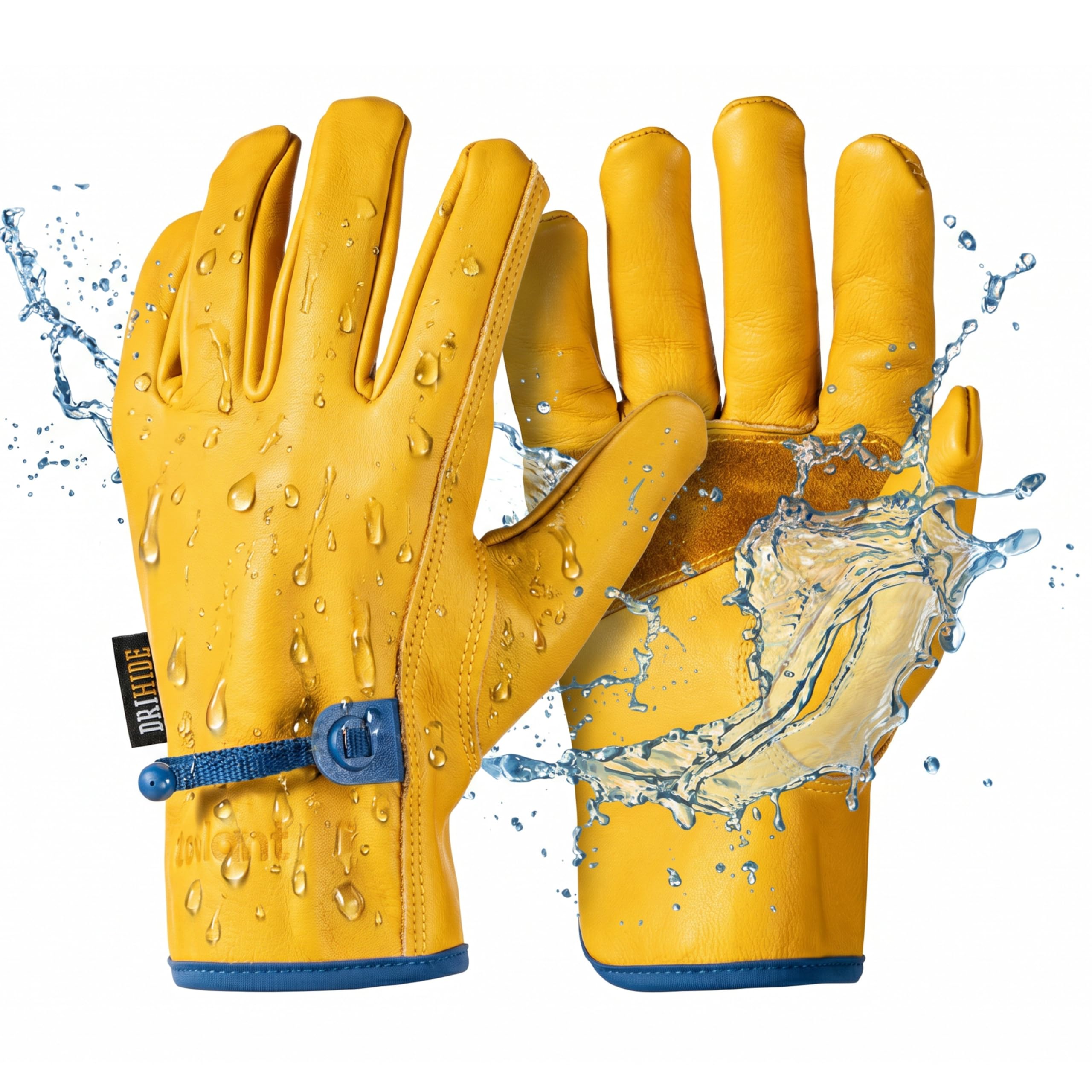
Soft, water-resistant cowhide that fits like it was made for your hand right from the start.
The biggest frustration with leather work gloves is the break-in period — that stiff, cardboard-like feel that takes weeks to soften. The toolant DRIHIDE gloves skip that entirely. The top-grain cowhide has a clear coating that makes the leather extremely soft, flexible, and water resistant from the first wear, as customers note. The adjustable wrist cinch keeps dust and dirt out, and the keystone thumb (a thumb sewn into the palm for a more natural curve) gives you real comfort during hours of gripping tools.
This set comes as a three-pack, giving you more than double the gloves of the Retro Brown Cowhide pair for a few dollars more. The sueded leather palm patch adds an extra layer of grip for handling rough materials like lumber or stone. Compared to the Professional Rose Pruning gloves, these are heavier and better suited for construction and ranching than delicate pruning, but they still handle general gardening with ease.
The only downside is that these are not specifically thorn-proof. They resist abrasion and water well, but a direct jab from a thick rose thorn might still get through. One reviewer noted the gloves are 4.8 out of 5 stars from a small sample of 64 ratings, so the track record is still building.
Standout Features
- Soft, supple leather with zero break-in needed
- Water-resistant coating keeps hands dry in damp conditions
- Three pairs in one pack for extended use
The Limitation
- Not specifically thorn-proof for heavy rose work
- Limited rating count (64) for long-term reliability data
Choose these for: mixed-duty work — gardening, ranching, and construction — where you want a soft leather feel with water resistance and a secure wrist seal.
Skip them if: your main task is thorny rose pruning where a dedicated thorn-proof design is safer.
4. Retro Brown Cowhide Leather Work Gloves

A classic cowhide glove that looks as good as it works, with no break-in needed.
Some gardening gloves prioritize function over form, but this pair manages both. The genuine cowhide leather with a thickness of 1.1-1.2mm provides oil resistance, tear resistance, and moderate stab resistance for general yard work. The copper buckle is a small detail that matters — it lets you hang the gloves on a hook or loop them through a belt so you do not leave them in the garden. At only 4.23 ounces, they are lighter than most leather gloves, which reduces hand fatigue during long sessions.
The fit is where these gloves shine. Multiple reviewers mention that the sizing is spot-on and the leather is not stiff at all, requiring zero break-in before you start working. This is unusual for a cowhide glove at this level. Compared to the toolant DRIHIDE gloves, these have a slightly thinner leather (1.1-1.2mm vs the DRIHIDE’s thicker top-grain construction) and a simpler knit wrist without an adjustable cinch, making them better suited for lighter-duty tasks.
One buyer mentioned they use these for riding a motorcycle to match a leather jacket, which tells you the aesthetic is versatile enough for both the garden and the garage. They are not specifically thorn-proof, so you would want to stick with the Professional Rose Pruning gloves for heavy rose work.
What Shines
- Lightweight at 4.23 oz, easy to wear all day
- No break-in period required
- Copper buckle for convenient hanging
What It Lacks
- Not designed for heavy thorn protection
- No adjustable wrist cinch
Ideal for: general yard work, light construction, and anyone who wants a good-looking leather glove that fits right away.
Consider another pair if: you need maximum thorn resistance or an adjustable wrist seal.
5. WORKPRO Long Leather Gardening Gloves
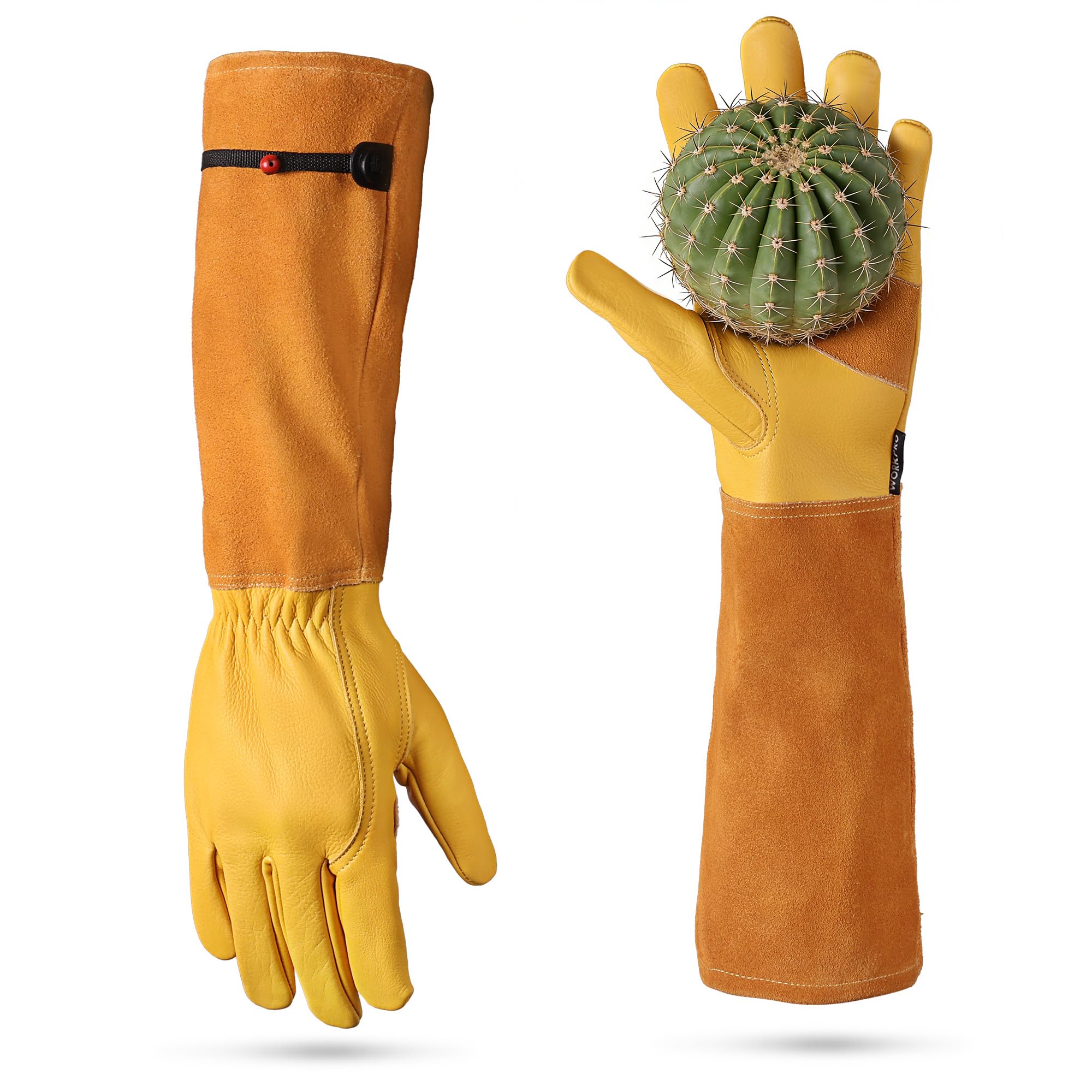
An armor-like leather gauntlet for cactus, rose bushes, and the meanest blackberry vines.
When you are dealing with plants that fight back — cactus spines, aggressive climbing roses, or blackberry brambles — a standard glove is not enough. The WORKPRO gloves use heavy-duty leather with reinforced stitching and a thorn-proof build that reviewers point out stops cactus needles and rose thorns completely. One reviewer puts it simply: “cactus beware.” The long forearm cuff extends well past the wrist, and multiple buyers confirm their arms are no longer scratched up after yard work.
Compared to the Professional Rose Pruning gloves, these are heavier and less flexible, but the trade-off is absolute thorn protection. Where the Professional gloves stop most thorns from roses, the WORKPRO gloves are described as “defense against climbing roses” and handle cactus without issue. The yellow color also makes them easy to spot if you set them down in a garden bed.
The main drawback is sizing: they run tight, especially if you are a female with smaller hands. Some buyers found the small size almost uncomfortable, so ordering up is strongly recommended. The heavyweight construction also means less breathability than the LANON nitrile gloves, so your hands may sweat more in hot weather.
The Big Wins
- Excellent thorn and cactus protection verified by buyers
- Long forearm coverage for arm safety
- Durable reinforced stitching for heavy use
The Caveats
- Runs small — consider sizing up
- Heavyweight build reduces breathability
Reach for these if: you regularly prune cactus, climbing roses, or blackberry bushes and need maximum thorn protection.
Look elsewhere if: you need a lightweight, breathable glove for general weeding or have smaller hands.
6. toolant Crinkle Latex Work Gloves (12 Pairs)
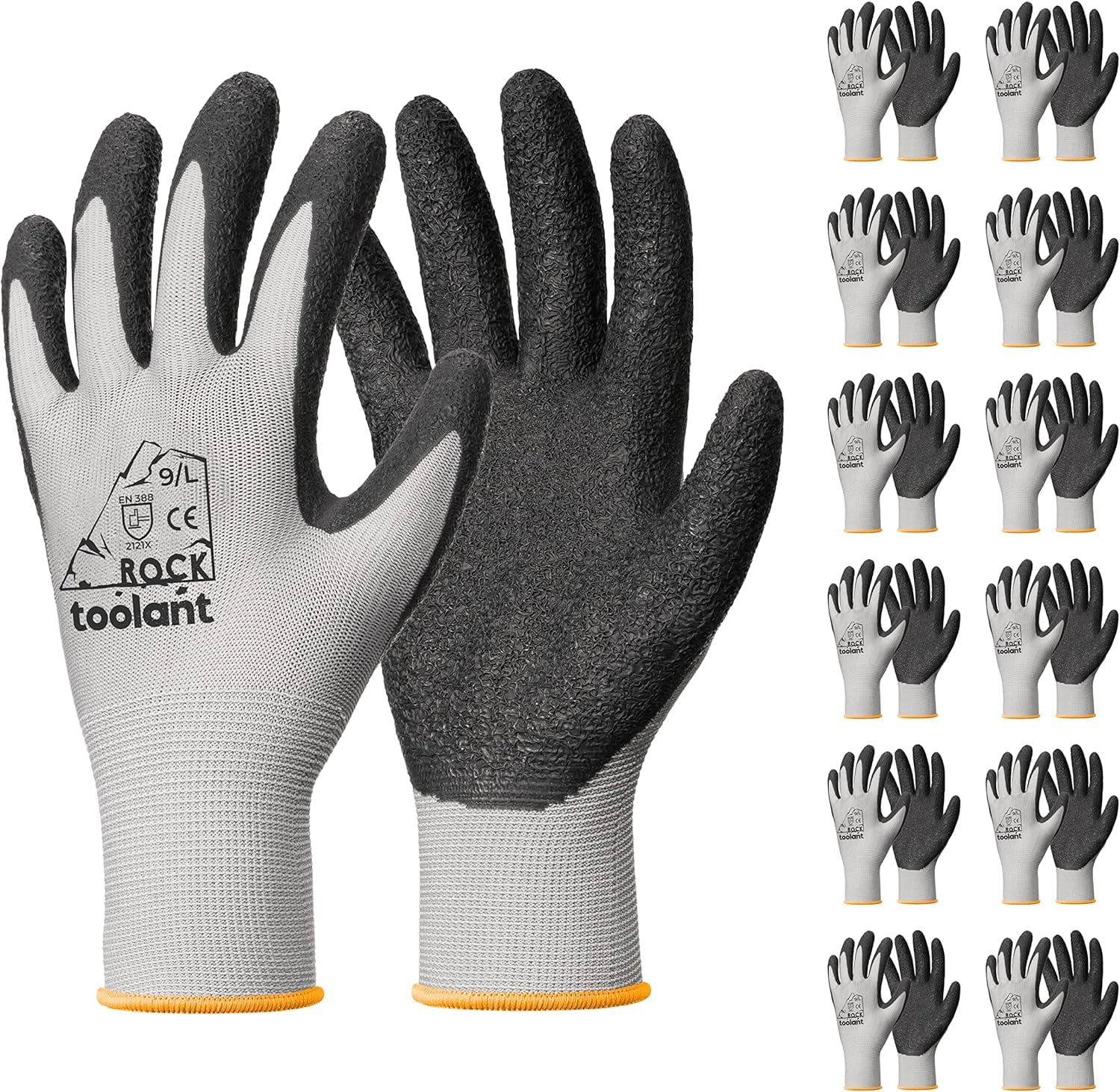
A bulk pack of grippy, breathable gloves for the person who goes through pairs fast.
Not every gardening job calls for leather gauntlets. Sometimes you just need a glove that grips well, breathes, and does not cost a fortune to replace. This 12-pack from toolant delivers exactly that. The crinkle latex coating (a textured rubber finish) gives you a strong hold on tools and materials even in damp conditions, according to the brand. The 13-gauge polyester knit lining is lightweight and breathable, keeping hands cool during long work sessions — a noticeable step up in comfort compared to heavier dipped gloves.
These gloves are ambidextrous and designed for general use: gardening, construction, automotive work, and warehouse tasks. Shoppers say they are lightweight but still protect hands well, and the grip texture helps maintain control on tools. Compared to the LANON nitrile gloves, these have a crinkle latex finish instead of nitrile foam, which provides better wet grip but less oil resistance. They are also noticeably less bulky than the Professional Rose Pruning gloves, making them better for fine motor tasks.
The catch is that the crinkle latex coating is not thorn-proof. They resist abrasion and tears well, but a direct poke from a rose thorn could still go through. This is a glove for general handling, not high-risk pruning.
Why You Want Them
- 12 pairs in one box for work crews or frequent replacements
- Excellent wet grip from crinkle latex coating
- Breathable 13-gauge knit liner for comfort
Keep In Mind
- Not designed for thorn protection
- Ambidextrous fit may feel less tailored than left-right gloves
Best suited for: teams, frequent users, or anyone who wants to keep a pair in the car, shed, garage, and kitchen without worrying about losing one.
Not for: thorn-heavy gardening or jobs requiring thick puncture protection.
7. Bionic ReliefGrip Premium Leather Gardening Gloves

A glove designed by an orthopedic hand specialist for people with arthritic joints or hand fatigue.
If your hands ache after an hour of gardening, standard gloves only make it worse. The Bionic ReliefGrip gloves are built differently. Designed by an orthopedic hand specialist, the anatomical pad system places extra padding and flexible material exactly where your hand bends. This reduces pressure on arthritic joints during gripping and provides support across the wrist and thumb. Buyers with arthritic thumbs report these gloves allowed them to garden for several hours without pain — a benefit no other glove in this list offers.
The leather is goatskin, which is naturally thinner and more flexible than cowhide, giving you better dexterity for tasks like handling seeds or pruning delicate plants. One owner reported the gloves smell nicely of leather even after going through dirt, mud, and water. Compared to the cowhide pairs on this list (Retro Brown, toolant DRIHIDE), the Bionic gloves prioritize ergonomics and flexibility over raw puncture resistance. They are not specifically thorn-proof, but they handle standard rose and juniper work well according to buyers.
These are the most expensive gloves on this list, and there are two honest trade-offs. First, they take a bit longer to dry out after getting wet. Second, the sizing runs tight — multiple reviewers advise sizing up if you are on the borderline. The natural leather also means minor leaks can develop at the joints over extended use, though most buyers find the comfort improvements worth it.
What Sets Them Apart
- Orthopedic design with anatomical padding for arthritis support
- Flexible goatskin leather for excellent dexterity
- Verified to allow hours of pain-free gardening
The Trade-Offs
- Slower to dry after wet use
- Sizing runs tight — order up
Go with these if: you have arthritis, hand pain, or joint stiffness and want gloves that provide real ergonomic support during long gardening sessions.
Pick something else if: you need heavy-duty thorn protection on a tighter budget.
Understanding the Specs
EN 388 Abrasion Rating
This European standard tests how many cycles a glove material can survive on a rotating abrader before wearing through. The scale runs from Level 1 (low) to Level 6 (maximum). A Level 3 rating means the glove passed 2000 cycles — that is a solid benchmark for general gardening and light construction. If you are handling rough lumber, stones, or heavy brush, aim for Level 3 or higher. The LANON nitrile gloves on this list carry a Level 3 (2000 cycles) rating, which explains why buyers report them lasting well with regular use.
Material Coating Types
Two coatings dominate the gardening glove market. Nitrile foam is a rubbery layer that stays flexible, resists oils, and provides a good grip even on wet tools. It is breathable because the foam structure has tiny air pockets. Crinkle latex has a textured finish that gives you excellent friction on dry and slightly damp surfaces, but it is less breathable and does not resist oils well. The choice depends on your environment: nitrile for wet soil and light oils, crinkle latex for general handling where grip is the priority. Leather, meanwhile, offers natural abrasion and puncture resistance with no chemical coating, but requires more care to keep supple.
Gauge and Breathability
Gauge refers to the thickness of the knit liner inside a dipped glove. A 13-gauge liner uses 13 needles per inch, making it thinner, more dexterous, and more breathable than a 10-gauge (thicker) liner. A 15-gauge liner, like the one in the LANON gloves using B.COMB AIR technique, is even finer and allows twice the airflow compared to standard knitting. For warm-weather gardening or long work sessions, a higher-gauge liner (13 to 15) keeps your hands from soaking through with sweat. Lower-gauge liners (7 to 10) trade breathability for greater cushioning and cold protection.
Cuff Length and Style
The cuff determines how much of your wrist and forearm gets covered. Knit wrist cuffs (elastic cotton or polyester bands) are the most common — they fit snugly, keep dirt out, and allow free movement. Gauntlet or long-forearm cuffs extend 15-25 cm up your arm and protect you from scratches when reaching into prickly shrubs. If you prune roses, blackberries, or cactus, a long forearm cuff is not optional; it is the single feature that prevents you from coming out of the garden with shredded arms. Adjustable cinch straps add a second layer of seal for dusty or debris-heavy environments.
FAQ
What is the difference between nitrile-coated and leather gardening gloves?
How do I know what size gardening glove to buy?
Can gardening gloves protect against rose thorns and cactus?
How long do gardening gloves typically last?
Are waterproof gardening gloves necessary?
What does the EN 388 standard mean for gardening gloves?
Can I use gardening gloves for other tasks like construction or automotive work?
Why do some gardening gloves have a gauntlet or long forearm cuff?
How should I clean and maintain my gardening gloves?
Are touchscreen-compatible gardening gloves worth it?
Final Thoughts: The Verdict
For the majority of shoppers, the men’s gardening gloves winner is the Professional Rose Pruning pair because it combines elbow-length forearm protection with a puncture-resistant palm and breathable spandex back at a price that beats the leather competition. If you want maximum breathability and a slim fit for daily weeding, grab the LANON nitrile-coated 2-pack. And for heavy thorn and cactus protection where your arms are on the line, the standout is the WORKPRO Long Leather gloves.
How We Picked
We do not accept paid placement. Every pick is matched to a real buyer and a real use-case; we do not hands-on test units.
Sources & Methodology
Specifications: manufacturer listings and product documentation. Review insights: verified customer reviews, as of July 2026. Pricing: not shown on this page (it changes often); check the current price via the retailer link.
As an Amazon Associate, Lawn Gear Lab earns from qualifying purchases. This does not affect which products we feature.