6 Best Fungicide For Hollyhock Rust | No More Orange Spots

Our readers keep the lights on and the potting soil stocked. As an Amazon Associate, I earn from qualifying purchases.

Specs are compiled from manufacturer listings and verified buyer reviews and can change over time — please confirm the key details on the product page before buying.

You spot the orange pustules on the undersides of your hollyhock leaves just as they reach toward the sky. That rust spreads fast, turning towering blooms into brittle stems. This guide breaks down six fungicide options so you can pick one that matches your garden, your style, and your budget.

I’m Rikta — the founder and writer behind Lawn Gear Lab. This guide is built by comparing the manufacturers’ published specifications and the patterns across verified customer reviews, so you get each pick’s real strengths and trade-offs instead of marketing spin.

Here is a straight-talking breakdown of the best fungicide for hollyhock rust on the market right now.

Our Picks at a Glance

Dow AgroSciences Eagle 20EW Fungicide
Best OverallDow AgroSciences Eagle 20EW Fungicide4.5★849 ratingsA systemic powerhouse that travels inside the plant to treat the rust you cannot see. When hollyhock rust has already taken hold, the Eagle 20EW works from inside the plant rather than just coating the leaf surface.Check Price on Amazon
Bonide Rose Rx Multi-Purpose Fungicide, Insecticide and Miticide
Organic All-RounderBonide Rose Rx Multi-Purpose Fungicide, Insecticide and Miticide4.6★361 ratingsA three-in-one neem oil concentrate that tackles fungus, aphids, and spider mites with one spray. If you garden organically and hate juggling multiple bottles, this concentrated solution simplifies your routine.Check Price on Amazon

How To Choose The Best Fungicide For Hollyhock Rust

Hollyhock rust is a stubborn fungal disease that overwinters in plant debris and returns year after year. Your choice of fungicide depends on if you want to stop an active outbreak or prevent one from starting, which dictates the chemistry and application method you need.

Systemic vs Contact Protection

A systemic fungicide absorbs into the plant’s tissue and moves through its system, protecting new growth from the inside out. This is ideal for established rust infections because the fungicide reaches every part of the leaf, not just the surface you sprayed. Contact fungicides, on the other hand, form a protective barrier on the leaf surface where rust spores land and germinate. They do not enter the plant, so you must reapply after rain or new growth appears.

Organic vs Synthetic Ingredients

Organic options like copper soap and neem oil are derived from natural sources and are often approved by the USDA for use on edible plants. They tend to be gentler on beneficial insects but usually require more frequent application. Synthetic fungicides like chlorothalonil (formerly Daconil) and Myclobutanil are engineered for potency and longer residual action, making them especially effective against severe rust outbreaks that have resisted organic treatments.

Quick Comparison

Model Best For Active Ingredient Liquid Volume Item Weight Amazon
Dow AgroSciences Eagle 20EW★ Best Overall Severe systemic control Myclobutanil 16 fl oz 1 lb Amazon
Bonide Rose Rx 3 in 1Organic All-Rounder Organic multi-purpose Neem oil 16 fl oz 1.1 lb Amazon
Ortho MAX Disease Control Heavy-duty prevention Chlorothalonil 16 fl oz 20.48 oz Amazon
Nature’s IQ Copper Fungicide Quick contact spray Copper Soap 20 fl oz 20 oz Amazon
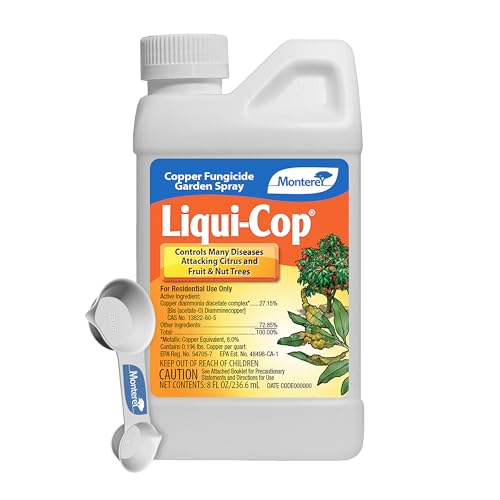
Monterey Liqui-Cop Rain-fast copper coverage Copper (gel) 8 fl oz 10.8 oz Amazon
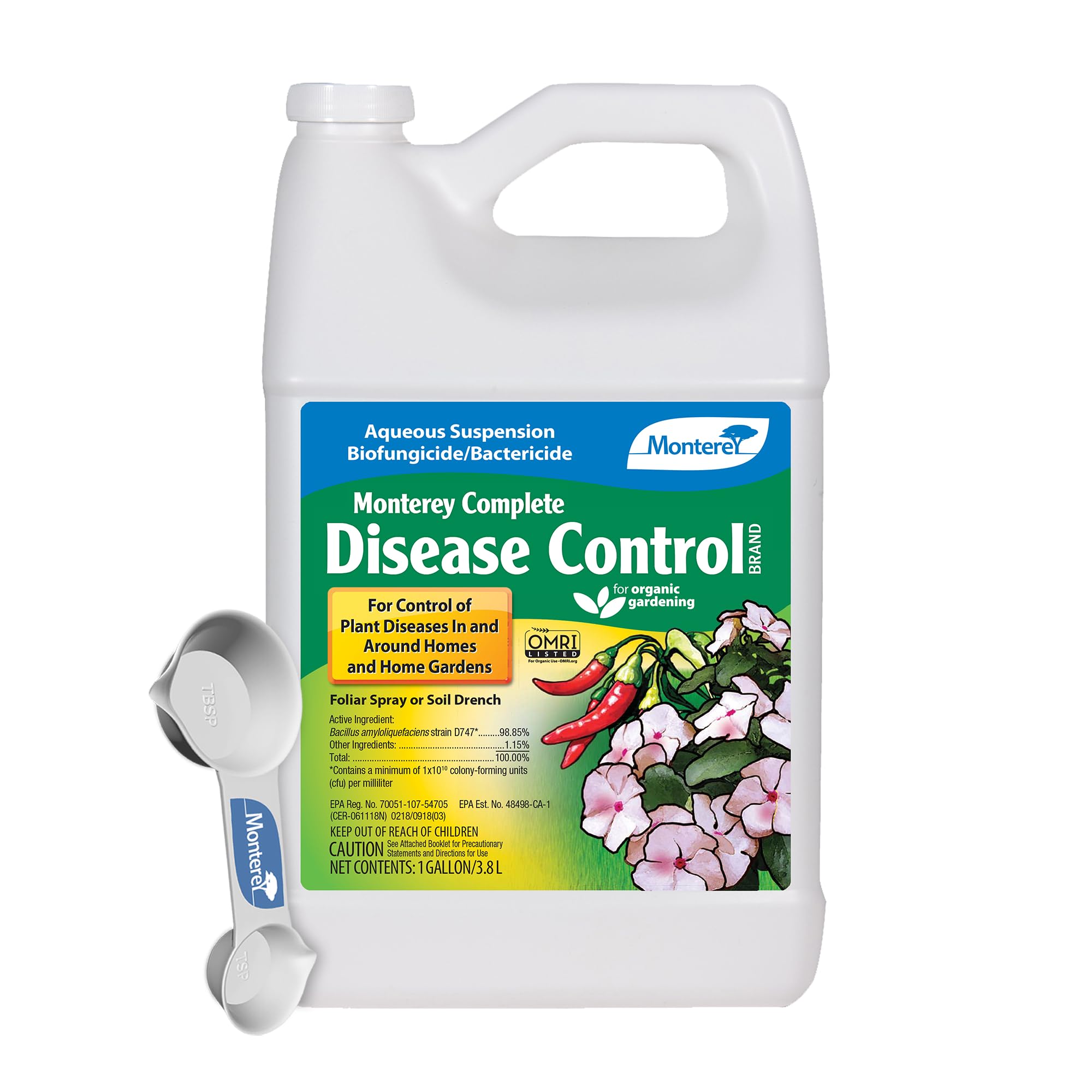
Monterey Complete Disease Control Organic root & leaf protection Bacillus amyloliquefaciens 1 Gallon 8.47 lb Amazon

In‑Depth Reviews

★ Best Overall

1. Dow AgroSciences Eagle 20EW Fungicide

Our pick — 4.5★ from 800+ verified ratings; the strongest balance of quality and price.

Systemic16 fl oz

A systemic powerhouse that travels inside the plant to treat the rust you cannot see.

When hollyhock rust has already taken hold, the Eagle 20EW works from inside the plant rather than just coating the leaf surface. It is a true systemic — it absorbs into the plant’s tissue and circulates through the vascular system (the network that moves water and nutrients). This protects new growth that emerges after your application. The active ingredient Myclobutanil prevents and controls more than 15 fungal diseases, including rusts, powdery mildew, and leaf spot, so it works across your garden.

Buyers report that after their first of two applications, they noticed “a little bit of growth in the affected areas” during the first 10 days, confirming that this fungicide halts active infection while the plant recovers. One reviewer called it their “go to product for zone 7 for powdery mildew.” Weighing 1 lb for a 16 fl oz bottle, it packs a larger volume of concentrated active ingredient than the 8 fl oz Monterey Liqui-Cop (10.8 oz) — giving you a 2x volume advantage over that copper-based competitor.

The catch is that this is a professional-grade fungicide requiring protective equipment (PPE) and careful mixing using ounces per acre or per 100 gallons — it is not as simple as screw-on-and-spray. If you prefer a ready-to-use bottle, this will feel like a chemistry lesson.

What makes it the top pick

  • Systemic protection reaches new growth the spray cannot touch
  • Controls more than 15 fungal diseases on turf, ornamentals, fruit trees, and grapes
  • EPA-approved formulation with strong customer trust (4.5/5 stars from 849 ratings)

Be aware

  • Requires gloves, goggles, and precise mixing — not grab-and-go
  • Lower liquid volume (16 fl oz) than the budget-friendly 20 fl oz Nature’s IQ spray

Pick this over the Ortho MAX if: your hollyhocks already show orange pustules and you need a systemic cure that keeps working for weeks after one spray.

skip it if: you just want a quick spot treatment and do not want to measure or wear protective gear.

Organic All-Rounder

2. Bonide Rose Rx Multi-Purpose Fungicide, Insecticide and Miticide

Neem OilUSDA Organic

A three-in-one neem oil concentrate that tackles fungus, aphids, and spider mites with one spray.

If you garden organically and hate juggling multiple bottles, this concentrated solution simplifies your routine. Rose Rx uses clarified hydrophobic extract of neem oil as its active ingredient (a plant-based oil pressed from neem tree seeds), which is approved by the USDA for organic gardening. That means you can spray it on hollyhocks growing right next to your tomato plants without worrying about chemical residues. It kills fungal diseases like black spot, powdery mildew, downy mildew, anthracnose, rust, and leaf spot — all the troublemakers that plague a cottage garden.

Owners mention mixed results. One reviewer noted “I’ve done several applications, and it seems to be getting better,” while another called it “better than all the many products I’ve used,” despite smelling terrible. Weighing 1.1 lb, it is 10% heavier than the 1 lb Eagle 20EW above, which makes sense given the added insecticide and miticide components. The neem oil base is nontoxic to humans, a fact one gardener with a small child specifically appreciated.

Do not expect instant results — neem oil is a preventive and slow curative, so you need consistent weekly applications during the growing season. The smell is strong but fades quickly, and the concentrate dilutes significantly, making each bottle last multiple seasons if you only treat a small patch of hollyhocks.

Why choose this one

  • Three-in-one formula: fungicide, insecticide, and miticide in a single bottle
  • USDA-approved for organic gardening — safe around edible crops
  • Strong value: 16 fl oz concentrate makes many gallons of spray solution

Keep in mind

  • Neem oil requires multiple applications for full curative effect on rust
  • Strong odor (though it fades quickly after drying)

Best for: the organic gardener who wants one product to handle pests and rust on edible plants.

Not for: anyone needing a single-application cure for an advanced hollyhock rust infection.

Best Value Concentrate

3. Ortho MAX Garden Disease Control Concentrate

Chlorothalonil64 gal spray

A concentrated chlorothalonil solution that makes up to 64 gallons of ready-to-spray fungicide.

When rust threatens your whole flower bed, Ortho MAX delivers a massive volume of protection from a single 16 fl oz bottle. Its active ingredient, 29.6% chlorothalonil (formerly known as Daconil, a broad-spectrum synthetic fungicide), stops and prevents leaf spots, rust, blights, fruit rots, mildews, scab, and molds on vegetables, fruits, roses, flowers, shrubs, and ornamentals. The concentrate makes up to 64 gallons of diluted spray, which is an enormous volume compared to the ready-to-use 20 fl oz Nature’s IQ bottle (a 3.2x value gap when diluted).

Buyers share success stories: “Applied Ortho 3 times (once a month) with very positive results and fully recovered pines/shrubs.” Another reviewer with black spot on roses said the product cured the problem after neem oil had failed. At 20.48 ounces, this bottle is 90% heavier than the 10.8-ounce Monterey Liqui-Cop, and the extra weight comes entirely from the concentrated active ingredient, not filler water.

The catch is that chlorothalonil is a synthetic broad-spectrum fungicide — it can burn delicate foliage if applied in direct sun or at high temperatures. You also need to mix it accurately with a hose-end sprayer, which adds a step compared to the ready-to-use Nature’s IQ trigger spray.

Why it stands out

  • Makes up to 64 gallons of spray from a single 16 fl oz bottle — huge value
  • Effective against rust, leaf spots, blights, mildews, and fruit rots
  • Heavier concentrated formula (20.48 oz) that outperforms neem oil on stubborn black spot

Downsides

  • Requires hose-end mixing — not as convenient as a trigger spray
  • Synthetic chemistry can cause leaf burn if applied during peak sun hours

Ideal for: large gardens with multiple rust-prone species where you need maximum coverage for the price.

pass on it if: you want an organic option or a ready-to-use spray for a few potted hollyhocks.

Convenient Spray

4. Nature’s IQ Copper Fungicide

Copper Soap20 fl oz

A ready-to-use copper soap spray with a mist mechanism that coats every leaf crevice.

The standout is the convenience of grabbing a bottle and pulling the trigger. Nature’s IQ Copper Fungicide is a ready-to-use 20 fl oz spray that requires zero mixing, measuring, or hose-hookup. Its innovative spray mist technology is designed to deliver more complete and uniform foliage coverage — meaning the copper soap reaches the undersides of hollyhock leaves where rust pustules first appear. It controls powdery mildew, black spot, rust, blight, and other listed diseases on roses, flowers, ornamentals, fruits, and vegetables.

Customers note that on a badly infected rose bush, “two applications later, there is not a trace of black spot.” Another reviewer noted “the spray mechanism really makes application a breeze.” With a liquid volume of 20 fl oz, Nature’s IQ holds 2.5x more ready-to-use solution than the 8 fl oz Monterey Liqui-Cop concentrate — and you do not have to add water. However, because ready-to-use sprays are mostly water, the amount of copper active ingredient per spray is lower than a concentrate like Eagle 20EW, meaning you may need more frequent reapplication.

One reviewer specifically said they will order again for their hollyhocks and tomatoes, which directly confirms this product targets exactly the plant you are dealing with.

Reasons to buy

  • Ready-to-use — no mixing, no measuring, just spray
  • Mist technology coats leaf surfaces more evenly than standard trigger sprays
  • Largest liquid volume (20 fl oz) among the ready-to-use options

Trade-offs

  • Lower concentration of active ingredient per spray compared to concentrates
  • 20 fl oz bottle will not go as far as the Ortho MAX’s 64-gallon diluted capacity

Perfect for: the casual gardener who wants a low-fuss spray to keep a few hollyhock plants clean.

Not your match if: you need a heavy-duty curative treatment for a widespread garden infestation.

Budget Champion

5. Monterey Liqui-Cop Copper Fungicide

Copper Gel8 fl oz

A rain-fast copper gel concentrate that stays put through spring downpours.

Rain is the enemy of most fungicides, washing them off before they can do their job. Monterey Liqui-Cop uses a gel formulation that is extremely rain-fast once it dries — so you can spray it knowing that April showers will not undo your effort. This concentrate must be mixed with water and applied as a spray, but it includes a measuring spoon to make the mixing process simple. It prevents anthracnose, brown rot, blight, downy mildew, leaf spot, and rust on fruit trees, nut crops, vegetables, and ornamentals.

Reviewers point out that “this has helped with rust on the leaves of my peach and nectarine trees,” and one called it “a very very small product but great product,” remarking on its diminutive 8 fl oz bottle. Compared to the 20 fl oz Nature’s IQ ready-to-use spray, the Liqui-Cop holds 2.5x less liquid volume — but it is a concentrate, so each ounce of this product goes much further when diluted. At 10.8 ounces item weight, it is significantly lighter than the 20.48-ounce Ortho MAX concentrate (a 90% lighter gap).

The catch is that copper fungicides are preventive, not curative — the label explicitly states they must be applied before infection to form a complete protective barrier. If your hollyhocks already have orange pustules, this will stop the spread but may not eliminate existing rust.

Good points

  • Rain-fast gel formula stays on plants through heavy rain
  • Comes with a spoon for easy mixing
  • Lightweight and compact (10.8 oz), easy to store

Considerations

  • Small concentrate volume (8 fl oz) compared to the 16 fl oz Ortho MAX
  • Preventive only — will not fully cure an active rust infection

Grab this for: a small garden where you can time your preventative spray before rust appears.

Pass if: you are already dealing with an active orange-pustule explosion on your hollyhocks.

Premium Organic

6. Monterey Complete Disease Control (1 Gallon)

BiologicalOMRI Listed

A living biological fungicide that colonizes roots to stop rust before it starts.

This is a completely different approach to hollyhock rust. Instead of coating leaves with copper or chemicals, Monterey Complete Disease Control uses a beneficial bacterium (Bacillus amyloliquefaciens, a naturally occurring microbe) that colonizes the root hairs of the plant. By establishing a living barrier on the roots, it prevents disease-causing fungi and bacteria from gaining a foothold in the first place. It works as both a root drench and a foliage spray, making it among the most versatile organic solutions available — and it is OMRI Listed for organic gardening, meaning it complies with the USDA’s National Organic Program.

Shoppers say that it is “essential to growing tomatoes, cucumbers, and melons in our hot wet summers,” controlling fungal and bacterial diseases when used “at light dilution with kelp for seeds, heavier for transplanting.” At 1 gallon (128 fl oz), this bottle dwarfs every other option on this list — it holds 16x the 8 fl oz of Monterey Liqui-Cop — so it will last multiple seasons even in a large garden. The package ships at 8.47 pounds, reflecting the sheer volume of biological product you receive.

The trade-off is that biological fungicides require consistent reapplication to maintain the bacterial population, especially after heavy rain. One reviewer gave it only 3/5 stars, reporting “challenges getting plant scorch controlled,” which suggests it works best as a preventive foundation rather than a rescue treatment for an advanced rust outbreak.

what separates it

  • Colonizes root hairs to prevent disease establishment — unique biological mechanism
  • OMRI Listed for organic gardening, safe for edible plants
  • Huge 1-gallon volume provides season-long supply for large gardens

Caveats

  • Requires frequent reapplication in hot, humid climates
  • Not as fast-acting on active rust as synthetic systemic fungicides

Ideal if: you are a dedicated organic gardener with a large plot who wants to prevent rust for the whole season.

Not for: a gardener with a small potted hollyhock who needs a quick cure for an active rust infection today.

Understanding the Specs

Systemic vs Contact Action

Systemic fungicides like Eagle 20EW (Myclobutanil) are absorbed into the plant’s vascular system and protect new growth from the inside out. This means even if your spray misses a new leaf, the chemistry finds it inside the plant. Contact fungicides like copper soap and chlorothalonil stay on the leaf surface where they kill spores on contact, but they cannot reach inside the plant tissue or protect growth that emerges after spraying.

Active Ingredient Concentration

The active ingredient percentage determines how much spraying power each ounce of product delivers. A concentrate like Ortho MAX with 29.6% chlorothalonil makes up to 64 gallons of spray from a 16 fl oz bottle, while a ready-to-use product like Nature’s IQ Copper Fungicide has a lower concentration of copper soap per spray and cannot be diluted further. Higher concentration means you buy fewer bottles per season and generate less plastic waste, but the mixing step adds time to every application.

Liquid Volume vs Dilution Capacity

Compare the liquid volume in the bottle against how many gallons of finished spray it makes. A 16 fl oz concentrate that makes 64 gallons of spray (Ortho MAX) is a very different value proposition than a 20 fl oz ready-to-use spray (Nature’s IQ) that is used as-is. Larger liquid volumes are great for big gardens with many hollyhocks, while small concentrate bottles (8 fl oz Monterey Liqui-Cop) work for targeted spot treatment but require you to have a sprayer on hand.

Rain-Fastness

Rain-fastness measures how well a fungicide stays on plant foliage after it rains. Gel-based and oil-based formulations (Monterey Liqui-Cop, Bonide Rose Rx) form a physical barrier that water beads up on rather than washing away. Copper soaps and biologicals (Nature’s IQ, Monterey Complete Disease Control) are more vulnerable to wash-off and typically need reapplication after heavy rain. If you garden in a wet climate, prioritize rain-fast products for fewer reapplications.

FAQ

Can I use the same fungicide on hollyhocks that I use on my roses?
Yes, all six fungicides listed here are labeled for use on ornamentals and flowering plants, including hollyhocks. However, check the label for your specific plant type — some products like Bonide Rose Rx are specifically formulated for roses but also treat flowers, houseplants, and ornamental trees and shrubs, while Eagle 20EW is labeled for landscape ornamentals, turf, and fruit trees.
How often should I spray hollyhocks for rust?
Most fungicides require application every 7-14 days during the active growing season, especially when conditions are wet or humid. For contact fungicides like copper soap, reapply after rain. For systemic fungicides like Eagle 20EW, the protective window is longer — typically 14-21 days after application. Ortho MAX buyers report monthly application once for fully recovered plants.
What is the difference between a contact and a systemic fungicide for rust?
A contact fungicide (like copper soap or chlorothalonil) remains on the leaf surface and kills rust spores that land there. You need complete coverage because unsprayed areas remain unprotected. A systemic fungicide (like Eagle 20EW) absorbs into the plant tissue and moves within it to protect new growth that emerges after spraying. Systemics are more effective for established infections because they reach inside the leaf where the fungus has already spread.
Will copper fungicide hurt my hollyhocks or other plants?
Copper fungicides are generally safe for hollyhocks when applied according to the label directions. However, copper can accumulate in the soil with repeated heavy use, potentially harming root systems over multiple seasons. The Nature’s IQ Copper Fungicide and Monterey Liqui-Cop both use copper formulations that are considered safe for listed ornamentals, flowers, and edible crops when mixed correctly.
How does neem oil compare to chemical fungicides for hollyhock rust?
Neem oil (the active ingredient in Bonide Rose Rx) is a slower-acting, preventive fungicide that also repels insects. Owners mention that multiple applications are needed before seeing a difference — one buyer mentioned “it seems to be getting better” after several sprays. Synthetic options like chlorothalonil (Ortho MAX) or Myclobutanil (Eagle 20EW) are faster and more thorough for active rust infections, as confirmed by reviewers who switched from neem oil to these products and saw full recovery.
Can I use these fungicides on edible plants near my hollyhocks?
It depends on the specific product. Bonide Rose Rx is approved by the USDA for organic gardening and is safe around food plants. Monterey Complete Disease Control is OMRI Listed and safe for vegetables, fruits, and nuts. The Nature’s IQ Copper Fungicide is labeled for use on fruits and vegetables. Eagle 20EW is labeled for apples, stone fruits, and grapes but requires strict adherence to pre-harvest intervals. Ortho MAX is labeled for use on vegetables and fruits. Always check the specific label for edible crop safety and pre-harvest waiting periods.
What is the best time of day to spray hollyhocks for rust?
Early morning is the ideal time because the leaves will dry during the day, reducing the risk of fungal infection from prolonged wetness. Avoid spraying in direct midday sun, especially with chlorothalonil (Ortho MAX), which can burn leaves. Late afternoon sprays risk overnight leaf wetness, which can encourage the very diseases you are trying to prevent.
How much fungicide concentrate do I need for a small patch of hollyhocks?
For a small patch (3-5 plants), an 8 fl oz concentrate like Monterey Liqui-Cop or a 16 fl oz concentrate like Ortho MAX will last multiple seasons. Ready-to-use sprays like Nature’s IQ Copper Fungicide (20 fl oz) are the easiest start but will run out after 2-3 thorough applications on a small patch. For larger gardens with many hollyhocks, the 1-gallon Monterey Complete Disease Control provides the best value per application.
Can I prevent hollyhock rust without using chemicals?
Yes, cultural practices reduce rust severity even without fungicides. Space your hollyhocks to improve air circulation, water at the base rather than overhead to keep leaves dry, remove and destroy infected leaves promptly, and cut back plants to the ground at the end of the season to remove overwintering spores. Combine these habits with a biological fungicide like Monterey Complete Disease Control or a preventive copper spray like Monterey Liqui-Cop applied before rust appears.
Are these fungicides safe for bees and pollinators?
Most fungicides pose less direct risk to bees than insecticides, but it is still best to spray in the early morning or late evening when bees are not actively foraging. The biological product Monterey Complete Disease Control and the neem oil-based Bonide Rose Rx are generally considered bee-friendly when dry, though neem oil can be slightly repellent. Copper fungicides (Nature’s IQ, Monterey Liqui-Cop) have minimal bee toxicity when used correctly. Always avoid spraying open flowers where bees are actively feeding.

Final Thoughts: The Verdict

If you want one dependable pick, the best fungicide for hollyhock rust is the Dow AgroSciences Eagle 20EW because its systemic action reaches inside the plant and protects new growth for weeks after one spray. If you want an organic solution that handles both rust and pests with one bottle, grab the Bonide Rose Rx. And for a large organic garden that needs season-long prevention at a bulk value, the standout is the Monterey Complete Disease Control.

How We Picked

We do not accept paid placement. Every pick is matched to a real buyer and a real use-case; we do not hands-on test units.

Sources & Methodology

Specifications: manufacturer listings and product documentation. Review insights: verified customer reviews, as of July 2026. Pricing: not shown on this page (it changes often); check the current price via the retailer link.

As an Amazon Associate, Lawn Gear Lab earns from qualifying purchases. This does not affect which products we feature.

Related Guides

Please use a real email you check. If it's fake or mistyped, your message won't reach us and we can't reply — wrong addresses are rejected automatically.