
Specs are compiled from manufacturer listings and verified buyer reviews and can change over time — please confirm the key details on the product page before buying.
Growing grapes in pots changes everything about the soil you need. In a garden bed, roots can spread out to find their own air and nutrients — but inside a container, every inch of mix has to be perfect. The most common problem grape vines in pots face is root rot from soil that holds water too long. A heavy, dense potting mix will suffocate the roots, while a loose, well-draining blend gives your vine the environment it needs to produce fruit.
I’m Rikta — the founder and writer behind Lawn Gear Lab. This guide is built by comparing the manufacturers’ published specifications and the patterns across verified customer reviews, so you get each pick’s real strengths and trade-offs instead of marketing spin.
After looking at the drainage, aeration, ingredients, and real buyer feedback for each option, we found the soil for grapes in pots that gives your vine the best chance to thrive without sitting in soggy soil.
Our Picks at a Glance
How To Choose The Best Soil For Grapes In Pots
Grape vines have specific needs that a general-purpose garden soil can’t meet. The biggest factor is drainage: grape roots are sensitive to sitting in water. The second is the nutrient profile — they need a balanced start, not a shock of nitrogen. Here are the three things to check before you buy.
Drainage and Aeration
This is the non-negotiable feature. A soil mix that drains well allows water to flow through freely, so the roots can breathe between waterings. Look for ingredients like perlite, pumice, coarse sand, or bark fines, which create air pockets. The bag should feel light for its size, not heavy and compacted. If the label says “moisture control” or “water retention,” make sure it still has enough chunky material to keep the mix from turning into mud.
Organic Matter and Nutrient Base
Grapes are not heavy feeders compared to tomatoes, but they benefit from a slow-release source of nutrients. Aged forest products, compost, worm castings, and kelp meal provide a gentle, steady supply. Avoid mixes that list synthetic fertilizers high in nitrogen as the first ingredient — too much nitrogen pushes leafy growth at the expense of fruit.
pH and Soil Life
Grape vines prefer a slightly acidic to neutral pH, between 5.5 and 7.0. Many premium potting mixes include oyster shell or dolomite lime to buffer the pH naturally. Beneficial soil microbes and mycorrhizal fungi can also help the roots absorb nutrients more efficiently, which is especially useful in the limited space of a container.
Quick Comparison
| Model | Best For | Volume | Item Weight | Key Drainage Ingredient | Amazon |
|---|---|---|---|---|---|
| FoxFarm Ocean Forest★ Best Overall | Aeration & root health | 1.5 cu ft | 34 Pounds | Perlite & Sandy Loam | Amazon |
| FoxFarm Happy FrogLiving Soil | Microbe-rich blend | 2 cu ft | 42 Pounds | Perlite | Amazon |
| Coast of Maine Bar Harbor | Organic fruit growing | 16 QT | 14 Pounds | Perlite | Amazon |
| Espoma Organic Potting Mix | Balanced all-purpose | 2 cu ft | — | Perlite | Amazon |
| Miracle-Gro Moisture Control | Forgetful waterers | 16 qt (2-Pack) | — | Sphagnum peat moss & coir | Amazon |
| Michigan Peat Garden Magic | Budget bulk buy | 40 lbs | 40 Pounds | Reed sedge peat | Amazon |
| Craft Organic Houseplant Mix | Small repotting jobs | 2 QT | 64.0 Ounce | Lava rock & pumice | Amazon |
In‑Depth Reviews
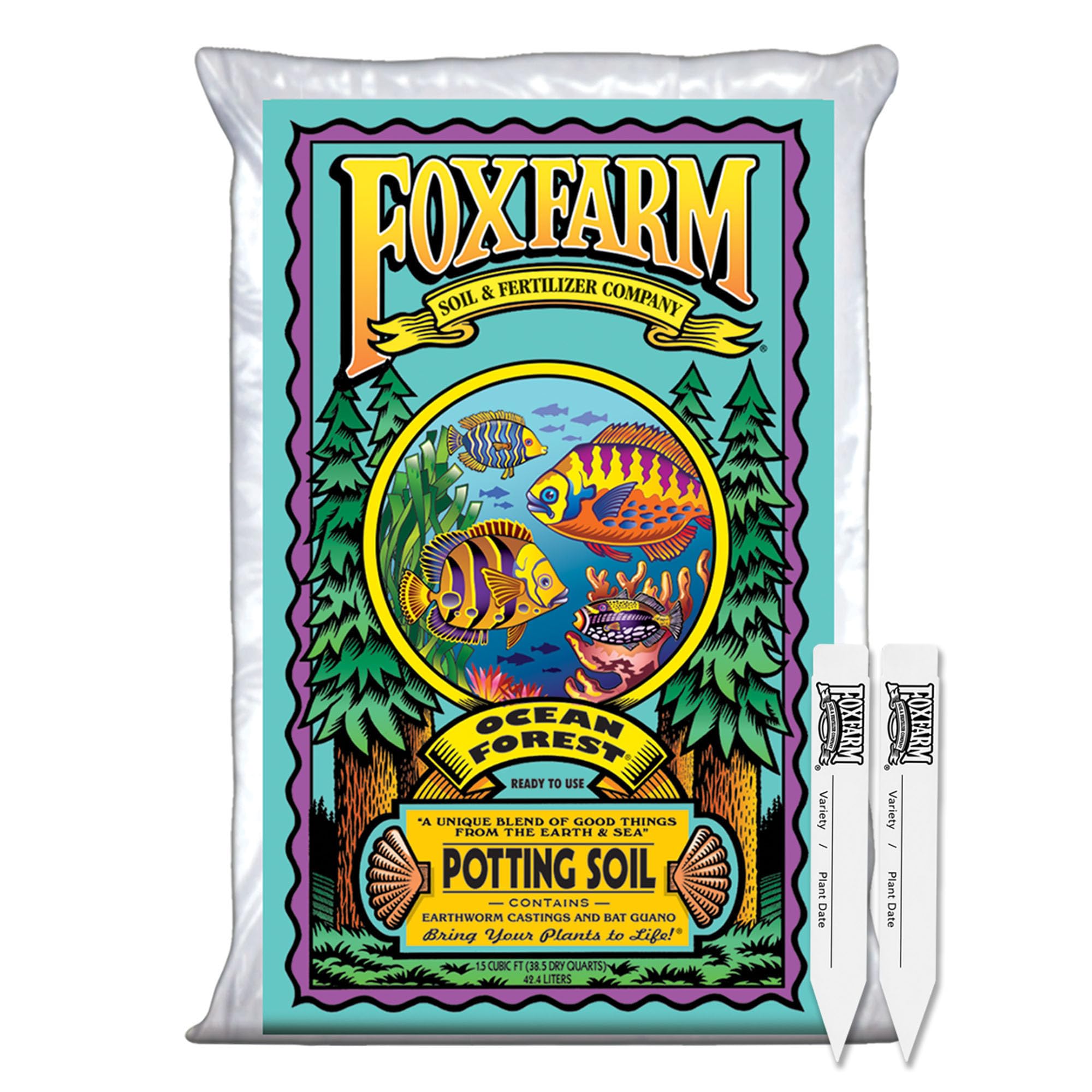
1. FoxFarm Ocean Forest Potting Soil with 2 Plant Tags
Our pick — over 4.5★ from 10,000+ verified ratings; the strongest balance of quality and price.
The gold standard that balances drainage and nutrition right out of the bag.
This blend is ready for a grape vine immediately — no mixing, no guesswork. The key is the sandy loam, which buyers report creates excellent drainage that helps prevent root rot. Alongside perlite and aged forest products, the bag is light enough at 34 pounds that you can feel the airiness, yet it holds 544.0 Ounce (1.5 cu ft) of material, giving you plenty of volume for a large pot.
Buyers on Amazon report that “Fox Farm soil outperforms Miracle-Gro: tomato plants from same seeds grew significantly larger with equal watering,” which points to a richer nutrient base. The fertilizer blend includes fish emulsion, crab meal, shrimp meal, earthworm castings, kelp meal, and oyster shell — a gentle, slow-release lineup that won’t burn young vine roots. at 544.0 Ounce versus a 64.0 Ounce bag, meaning you get serious depth for one deep container.
The only real drawback is cost — it sits at the premium end of the spectrum — but the quality justifies the spend for a serious grape grower.
Why It Works for Grapes
- Perlite and sandy loam create fast drainage
- Rich in organic, slow-release nutrients
- Large 1.5 cu ft bag fills a deep pot
One Trade-off
- Pricier than budget blends, but quality matches the cost
Grab this if: you want a premium, ready-to-use mix with proven drainage and nutrient density for a single large grape pot.
Look elsewhere if: you are on a strict budget and need to fill multiple containers cheaply.
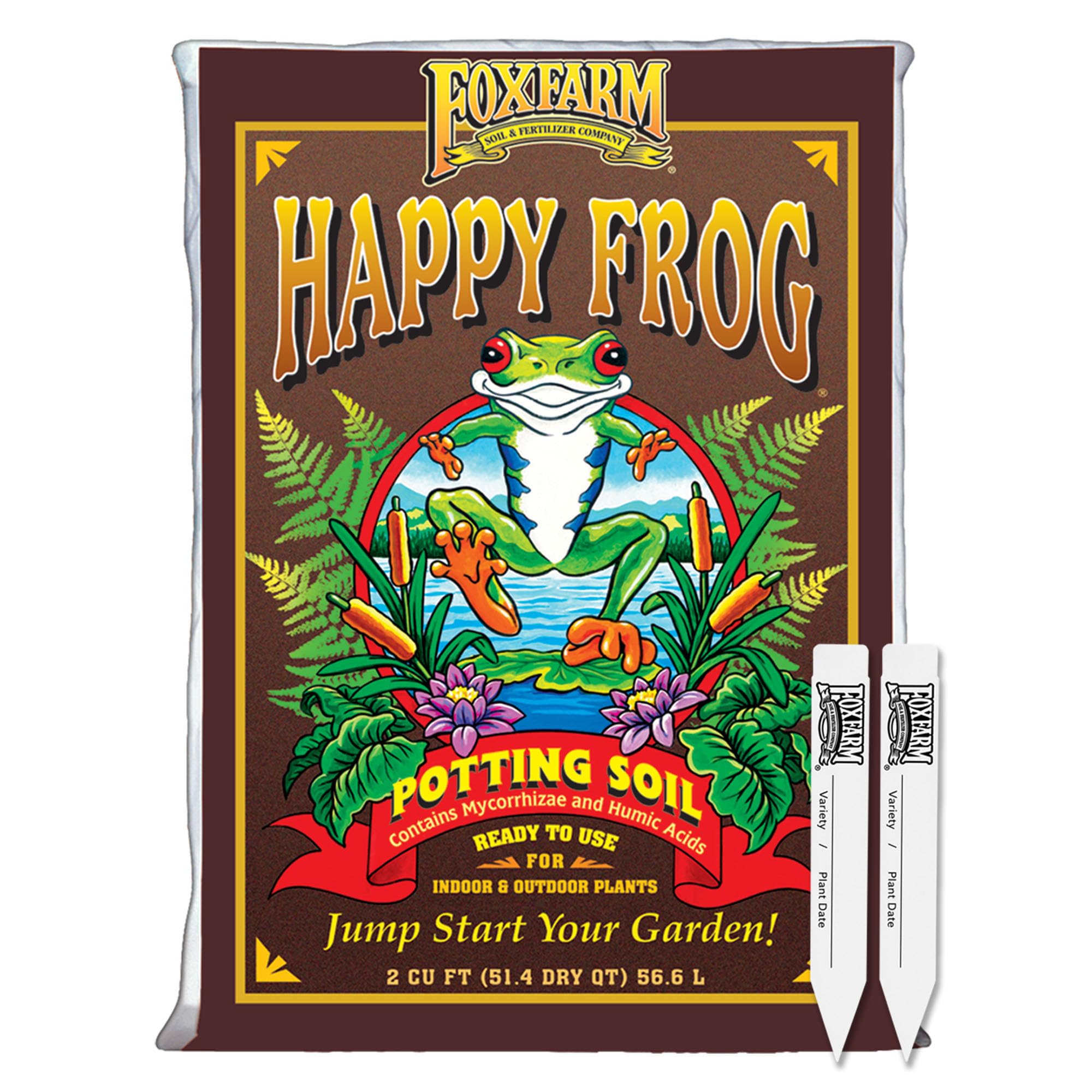
2. FoxFarm Happy Frog Potting Soil with 2 Plant Tags
A biologically active mix that helps roots open up every bit of nutrition.
Happy Frog takes a different approach than the Ocean Forest blend — it focuses on soil life. The formula includes beneficial soil microbes and mycorrhizal fungi that convert nutrients into a form the vine can use, expanding root development dramatically. At 42 Pounds and 2 cu ft, this is the largest and heaviest bag on the list, which says it holds a dense, rich medium. It contains earthworm castings, bat guano, oyster shell, and dolomite lime to buffer pH naturally.
For a grape vine in a pot, those microbes matter. They help the roots explore every inch of the container more efficiently, which leads to stronger fruit and flower production. One reviewer noted that the “airy, well-draining soil” made their plants perk up immediately, and they mixed it with extra perlite for even more drainage. The bag is shipped inside a box to keep it from ripping, a small detail buyers appreciate at this price point.
It is heavier than the Ocean Forest (42 lbs vs 34 lbs), which suggests a denser moisture profile — you may want to add a handful of perlite for a grape vine if your pot lacks drainage holes.
Live Ingredients
- Mycorrhizal fungi boost root efficiency
- Comes with 2 plant tags for labeling
- Oyster shell and lime buffer pH naturally
Consider This
- Heavier and denser than the Ocean Forest blend; mixing in perlite is wise for grapes
This is for you if: you are an experienced container grower who wants living soil biology to support the vine’s root system.
skip it if: you prefer a lighter, looser mix that drains immediately without amendments.
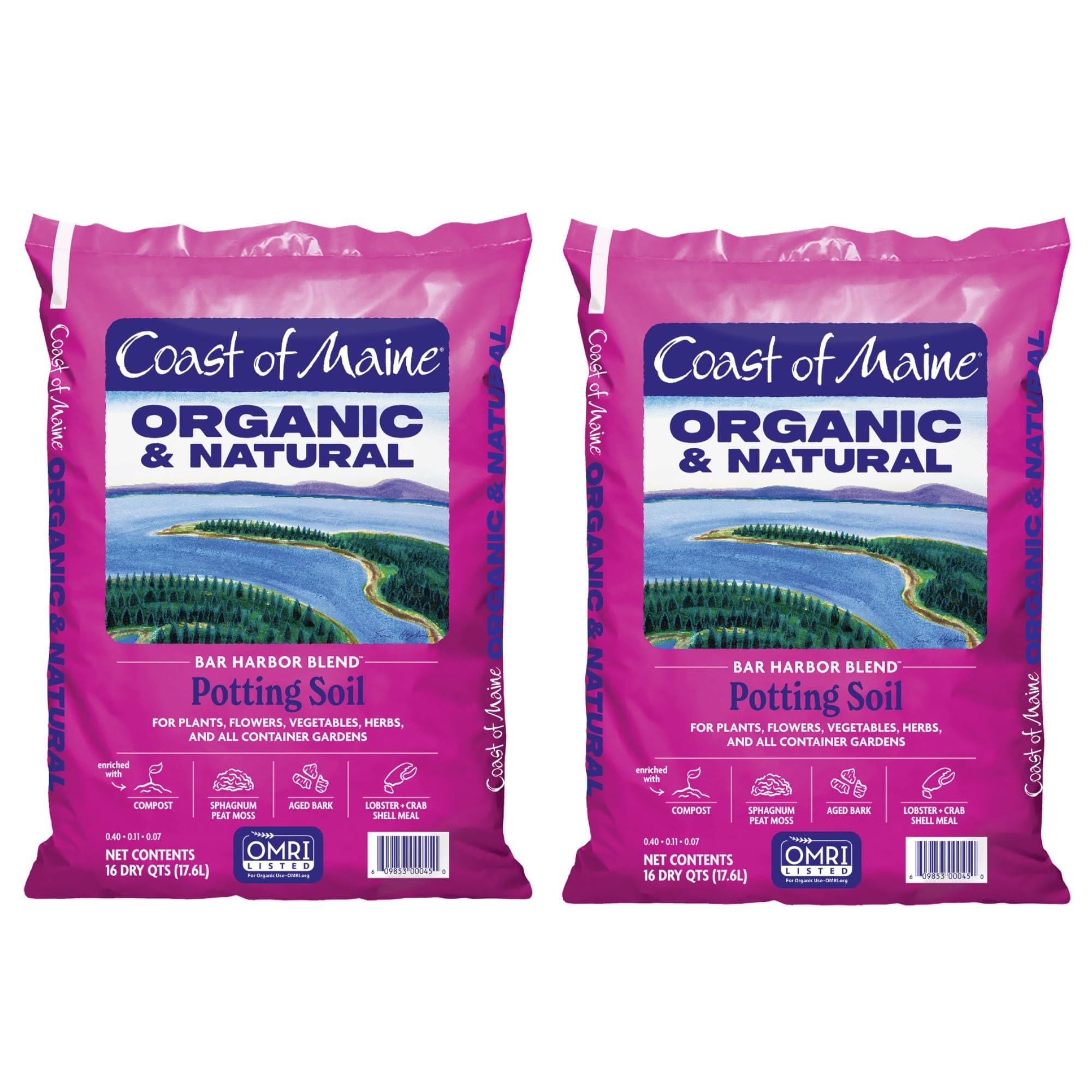
3. Coast of Maine Organic & Natural Bar Harbor Blend Potting Soil
A regional organic favorite that puts compost and sea minerals front and center.
This Maine-based mix is formulated with sphagnum peat moss, compost, perlite, lobster and crab shell meal, and kelp meal. For a grape vine, the lobster and crab meal provide a slow-release source of calcium and chitin, which supports cell wall strength and may help the plant resist pests. The 16 QT bag (14 Pounds) is a manageable size for a single medium-to-large pot, and it is approved for organic gardening — no synthetic fertilizers or chemicals.
Owners mention that their “tomatoes never looked so good” with this soil and that it is “perfect for container gardens.” The compost base gives it a darker color that suggests less peat and more actual organic matter, which helps moisture retention without becoming soggy. Unlike the FoxFarm picks, this one leans on a compost-centric nutrient profile rather than a fish-and-crustacean meal blend, so it is slightly richer in structure out of the bag.
At a 14-pound bag, it is significantly lighter than the 34-pound FoxFarm bag, so you are paying for quality over raw volume — great for a single vine, less ideal if you need to fill several large pots.
Organic Edge
- Lobster and crab meal provide natural calcium
- No synthetic chemicals or fillers
- Buyers praise vibrant plant growth
Size Note
- 16 QT is enough for one large pot, not bulk planting
Reach for this if: you specifically want an organic-certified mix with marine-based nutrients for a single quality grape pot.
Consider the FoxFarm picks instead if: you need a larger volume or prefer a loamier, less compost-heavy texture.
4. Espoma Organic Potting Soil Mix

A classic, no-nonsense organic blend that avoids the stick problem of cheaper mixes.
Espoma has been a trusted name in organic gardening for decades, and this 2 cu ft bag is their standard all-purpose mix. The formula is a blend of sphagnum peat moss, humus, and perlite, enriched with earthworm castings, alfalfa meal, kelp meal, and feather meal. It also contains Myco-Tone — a proprietary blend of endo and ecto mycorrhizae — to help roots absorb water and nutrients.
One buyer specifically mentioned that they switched to Espoma because other brands had “large stick/wood pieces” mixed in, and that Espoma has a “cleaner, no big chunks mix.” For a grape vine, that consistency matters — you want uniform drainage and aeration throughout the pot, not pockets of woody debris that rot or block root growth. The mix is versatile enough to use for vegetables, herbs, and all container plants, so it works as a general potting soil if you also grow other things.
It is not quite as aerated as the FoxFarm Ocean Forest blend with its sandy loam, so for a grape vine in a pot without excellent drainage, you might still add a handful of extra perlite.
What Stands Out
- Clean blend with no large sticks or debris
- Myco-Tone supports root health
- Large 2 cu ft bag at a competitive organic price
The Difference
- Density is moderate; adding perlite improves drainage for grapes
Choose this for: a clean, reliable organic mix that gives you a large bag of consistent quality for several pots.
Look further if: you demand the highest aeration from the bag with no amendments needed.
5. Miracle-Gro Moisture Control Potting Mix, 16 qt. (2-Pack)

The safety net for anyone who worries about under- or over-watering their grape vine.
This is the only mix on the list built around moisture management. It is designed to absorb up to 33% more water than basic potting soil that does not contain sphagnum peat moss, coir, and wetting agent, and it protects against both over-watering and under-watering. For a grape vine, this is a double-edged sword: the moisture control is forgiving if you miss a watering day, but you must ensure the pot has excellent drainage holes so the mix does not stay too wet.
Buyers confirm that “the potting soil is effective and comes in bags that are much easier to carry and use than most bags of this soil,” and the 2-pack gives you two 16 qt bags. The formula feeds plants for up to 6 months and grows plants twice as big compared to unfed plants — but note the fertilizer is synthetic, not organic. It is a mid-range option that works well if you pair it with a pot that has a drainage hole and you are diligent about not over-filling the water.
The trade-off is clear: the moisture control feature is great for consistency, but grape roots need air, and this mix is denser than the FoxFarm or Coast of Maine options. Add perlite if you choose this route.
Why It Helps
- Absorbs extra water to protect against drought
- Feeds for up to 6 months
- 2-pack gives good value for multiple pots
Grape Caveat
- Denser texture needs added perlite for grape vines
- Synthetic fertilizer, not organic
Best if: you are a less frequent waterer who wants a safety buffer against drying out or over-watering.
Pass on this if: you want a fully organic, light, and airy mix right out of the bag for a grape vine.
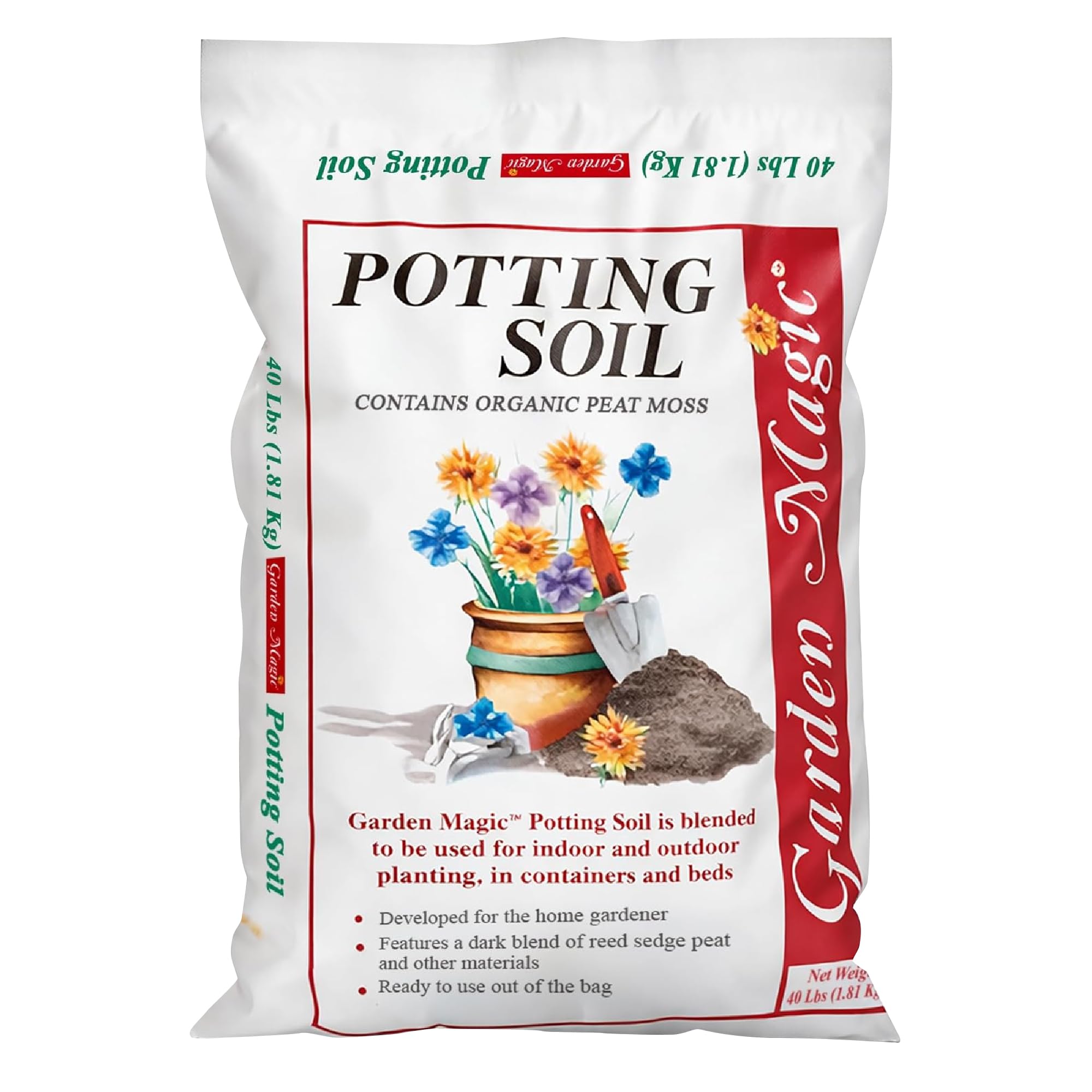
6. Michigan Peat 40 Pound Bag of Garden Magic General Purpose Moisture Retaining Potting Soil
A massive 40-pound bag for the grower who wants raw volume at a low cost.
If you are filling multiple large containers on a budget, this is the most economical choice by weight. The 40-pound bag is a blend of reed sedge peat, organic peat moss, and other materials, designed for both indoor and outdoor use. Customers note that it has “good drainage” and that seeds sprout well, with no insect or infestation issues. It is ready to use straight from the bag with no mixing required.
The catch for grape vines is that this mix is moisture-retaining by design. Peat moss holds water well, which is great for moisture-loving plants but risky for grape roots. You will need to mix in a generous amount of perlite or coarse sand to lighten the texture and create the drainage a grape vine demands. At 40 pounds, it is the heaviest bag here — at 40 pounds versus the 34-pound FoxFarm bag — which reflects its dense, water-holding composition.
One buyer mentioned “a few large sticks in the contents,” so it is not as refined as the Espoma or FoxFarm blends. For the price and volume, it is a solid base that you can amend.
Volume King
- 40 pounds for the lowest cost per pound
- Clean smell, no bugs reported by buyers
- Works well as a base to amend
Grape Requirement
- Must be amended with perlite for drainage
- Occasional sticks or woody debris
Reach for this if: you are on a strict budget and already plan to mix in perlite for drainage.
pass on it if: you want a premium, ready-to-use mix without amending.
7. Craft Organic Houseplant Potting Mix, Elite House Plant Soil, Chunky
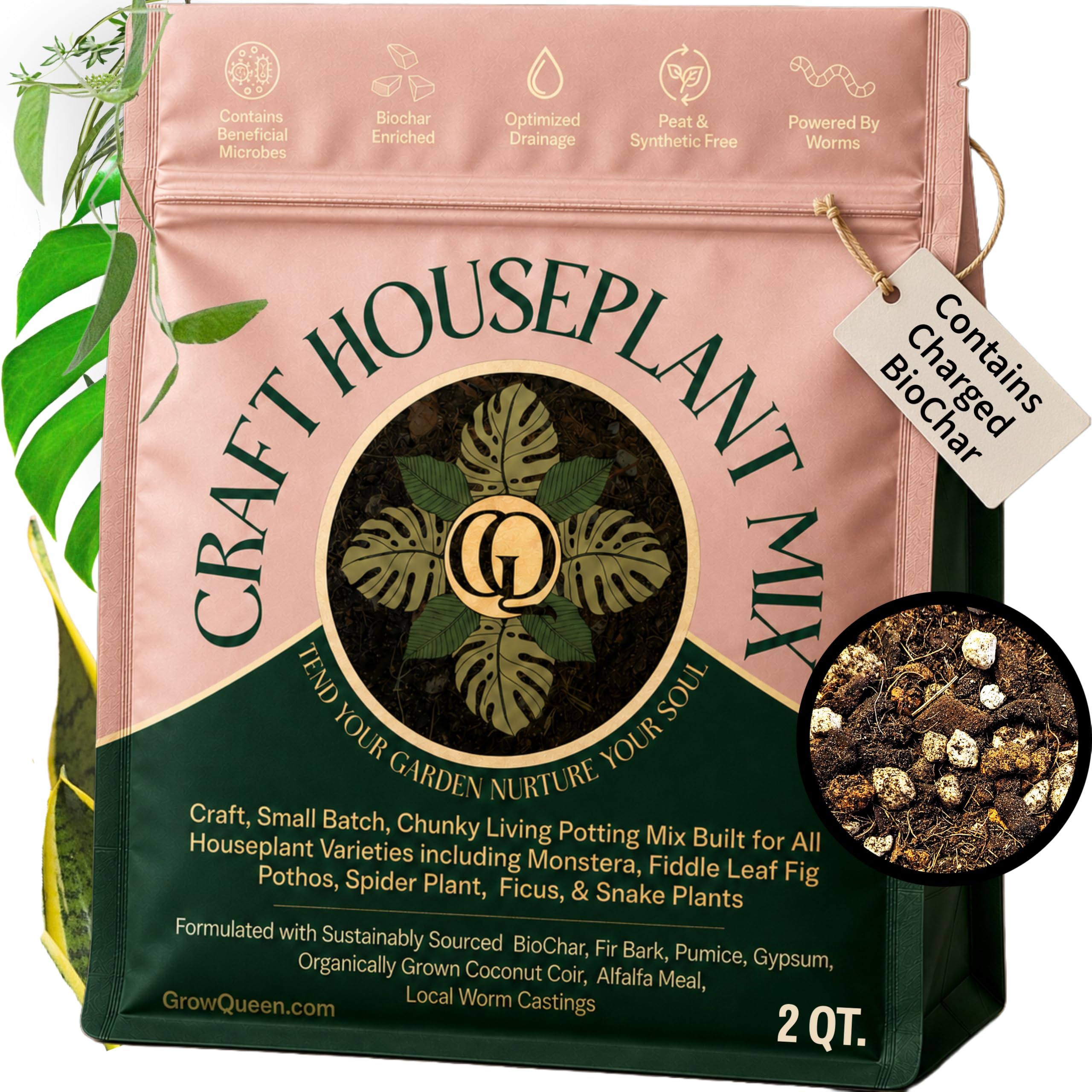
An ultra-chunky, peat-free mix built for sensitive roots that need maximum airflow.
This mix is completely different from everything else here — it is designed for indoor houseplants like monsteras and pothos, not heavy fruit vines. The formula uses large Douglas fir bark fines, lava rock, and pumice instead of peat moss or perlite, creating a structure so chunky that water runs through instantly. It is also pre-moistened to reduce transplant shock, so you never deal with dry, hydrophobic soil.
A buyer said their “monstera Thai constellation has been super happy after repotting her with this soil, very chunky and great quality.” For a grape vine, the chunky texture is excellent for drainage, but the 64.0 Ounce (2 QT) bag is tiny — an 8.5x gap compared to the FoxFarm Ocean Forest’s 544.0 Ounce. You would need many bags to fill one standard grape pot. It is also peat-free and perlite-free, which means less mess but also a lower water-holding capacity than peat-based mixes.
This is a niche option for a very small grape cutting or a seedling in a tiny pot, not a mature vine in a half-barrel.
Drainage Champion
- Lava rock and pumice create instant drainage
- Peat-free and perlite-free for a clean experience
- Pre-moistened to reduce shock
Size Limit
- Only 2 QT — too small for a standard grape pot without buying multiple bags
- Lower water-holding capacity than peat-based mixes
Perfect for: starting a grape cutting or seedling in a very small pot with the best drainage possible.
Not for: a full-size grape container where you need volume and consistent moisture retention.
Understanding the Specs
Perlite and Aeration
Perlite is the small white volcanic glass you see in potting mixes. It does not absorb water — instead, it creates air pockets in the soil so roots can breathe and water can drain freely. For a grape vine in a pot, a good amount of perlite (or a substitute like pumice or lava rock) is the difference between healthy roots that produce fruit and roots that rot in stagnant water.
Organic Matter vs. Synthetic Fertilizer
Organic matter — like compost, worm castings, and kelp meal — feeds the soil microbes, which in turn make nutrients available to the plant slowly. Synthetic fertilizers give a quick burst of nitrogen that can push leafy growth at the expense of fruit. For grapes in a pot, an organic base with slow-release ingredients is usually the better choice because it mimics the natural feeding cycle of a vine.
FAQ
Can I use regular garden soil for grapes in a pot?
How often should I repot my grape vine with fresh soil?
What is the best pH for grape vines in containers?
Should I add extra perlite to my potting mix for grapes?
Is moisture-control potting soil good for grapes?
How much soil does a grape vine need in a pot?
Can I use a soil with added fertilizer for grape vines?
What is the difference between Ocean Forest and Happy Frog for grapes?
Will a chunky aroid mix work for grapes?
Do I need to add mycorrhizae to my potting soil?
Final Thoughts: The Verdict
For most buyers, the soil for grapes in pots winner is the FoxFarm Ocean Forest Potting Soil because it combines the best drainage (sandy loam and perlite) with a rich organic nutrient base in a large 1.5 cu ft bag that fills a deep pot. If you want to boost root efficiency through living soil biology, grab the FoxFarm Happy Frog with its mycorrhizal fungi. And for an organic-certified option with unique marine minerals, the Coast of Maine Bar Harbor Blend is a fantastic choice for a single quality pot.
How We Picked
We do not accept paid placement. Every pick is matched to a real buyer and a real use-case; we do not hands-on test units.
Sources & Methodology
Specifications: manufacturer listings and product documentation. Review insights: verified customer reviews, as of July 2026. Pricing: not shown on this page (it changes often); check the current price via the retailer link.
As an Amazon Associate, Lawn Gear Lab earns from qualifying purchases. This does not affect which products we feature.